How to Treat Split Ends: Expert Hair Repair Guide

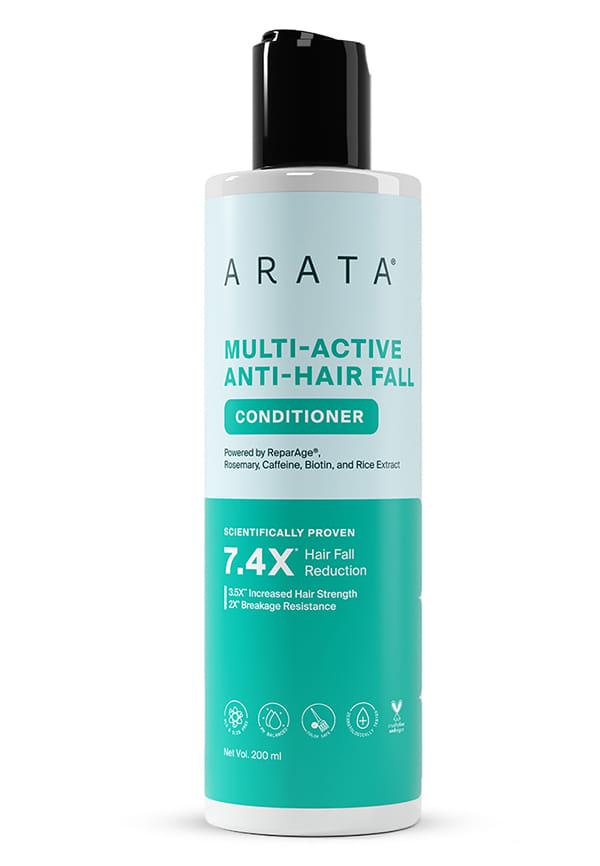 200 ml
Anti-Hair Fall Conditioner for Breakage and Split-Ends Reduction
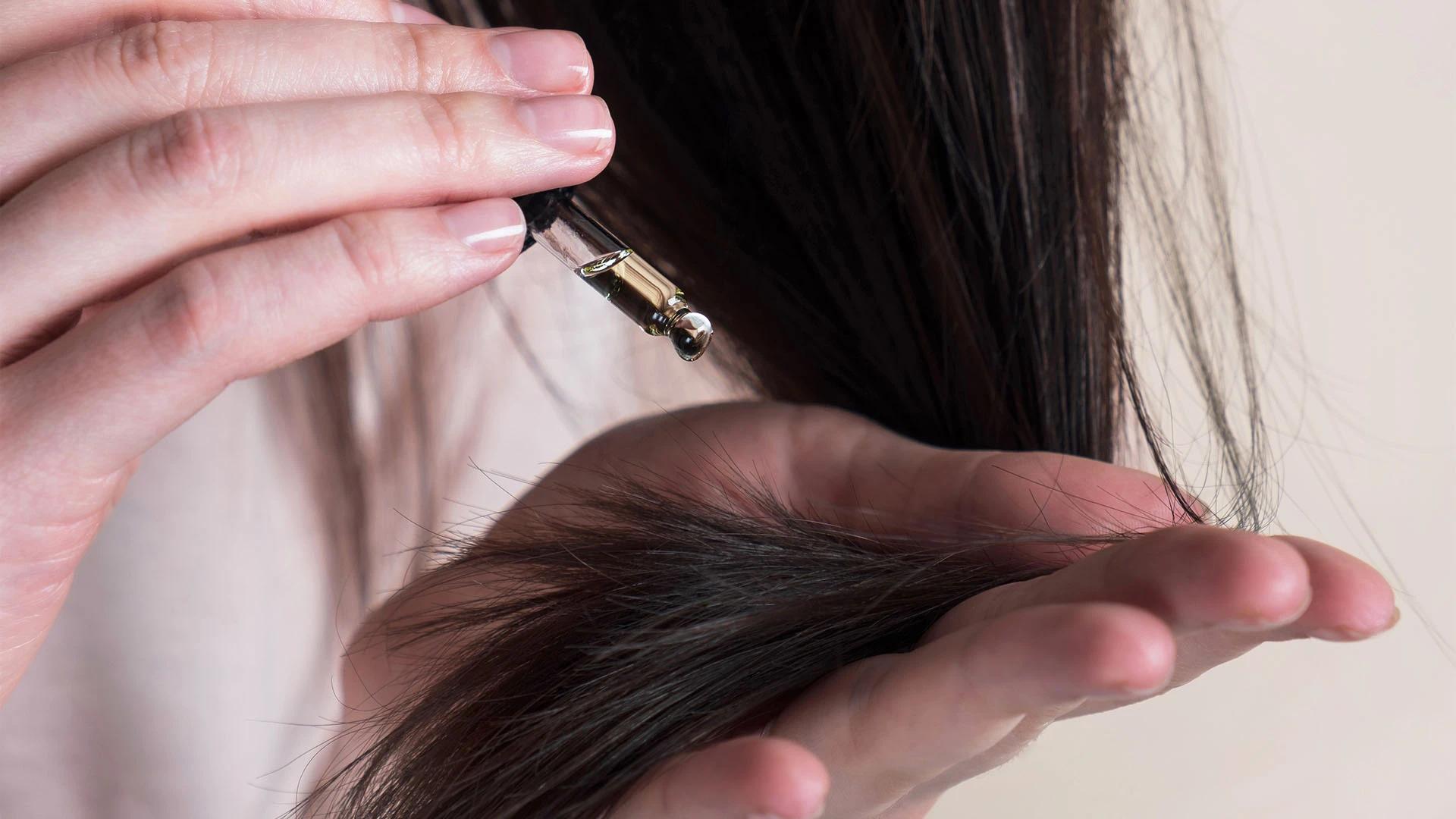
Split ends are basically your hair's way of crying for help. Those frayed, damaged tips aren't just a cosmetic issue—they're a sign that your strands need some serious TLC. Whether you're dealing with heat damage from your styling routine or just the natural wear and tear of daily life, split ends can make even the healthiest hair look dull and lifeless. The good news? With the right hair tips for split ends and a bit of patience, you can nurse your locks back to their former glory. Let's dive into everything you need to know about treating and preventing this common hair woe.
Think of your hair like a rope—when the protective outer layer (called the cuticle) gets damaged, the inner fibres start to unravel. That's essentially what happens with split ends. The hair shaft literally splits into two or more pieces, creating those telltale frayed tips that catch on everything and refuse to style properly.
Your hair cuticle is made up of overlapping scales that protect the inner cortex. When these scales get lifted or damaged, moisture escapes and the hair becomes weak and brittle. This breakdown can happen gradually through daily styling or suddenly from chemical treatments. Once the cuticle is compromised, the hair shaft becomes vulnerable to splitting, especially at the ends where the hair is oldest and has endured the most wear.
Heat styling is probably the biggest culprit behind split ends. Those high temperatures from straighteners, curling irons, and blow dryers literally cook your hair, breaking down the protein structure. But it's not just heat—over-brushing wet hair, tight ponytails, and even sleeping on rough cotton pillowcases can cause mechanical damage. Chemical processing like colouring, perming, or relaxing also weakens the hair structure, making it more prone to splitting.
Real talk—once your hair is split, there's no magical potion that'll fuse it back together permanently. But that doesn't mean you're stuck with damaged hair forever. There are several split ends treatment approaches that can help repair the damage and prevent further splitting.
A good stylist can work wonders with techniques like 'dusting'—a method where they trim just the damaged ends without losing length. Deep conditioning treatments at salons use professional-grade products that penetrate deeper than anything you can buy over the counter. Protein reconstruction therapy is another game-changer for severely damaged hair, helping to rebuild the hair's structure from within.
DIY protein masks using ingredients like eggs or yoghurt can help strengthen weakened hair. Oil treatments with argan, coconut, or jojoba oil provide intense moisture and create a protective barrier. Leave-in conditioning treatments are your daily defence against further damage—they coat the hair shaft and smooth down the cuticle.
If the splits have travelled more than a few millimetres up the hair shaft, it's time for a trim. But for minor damage, targeted treatments can help prevent the splits from getting worse. A good rule of thumb: if you can see white dots along the hair shaft or the ends feel rough and catch on your fingers, book that salon appointment.
Prevention is always better than cure, and this couldn't be truer for split ends. Building a solid routine with the right hair care tips can save you from dealing with damaged ends in the first place.
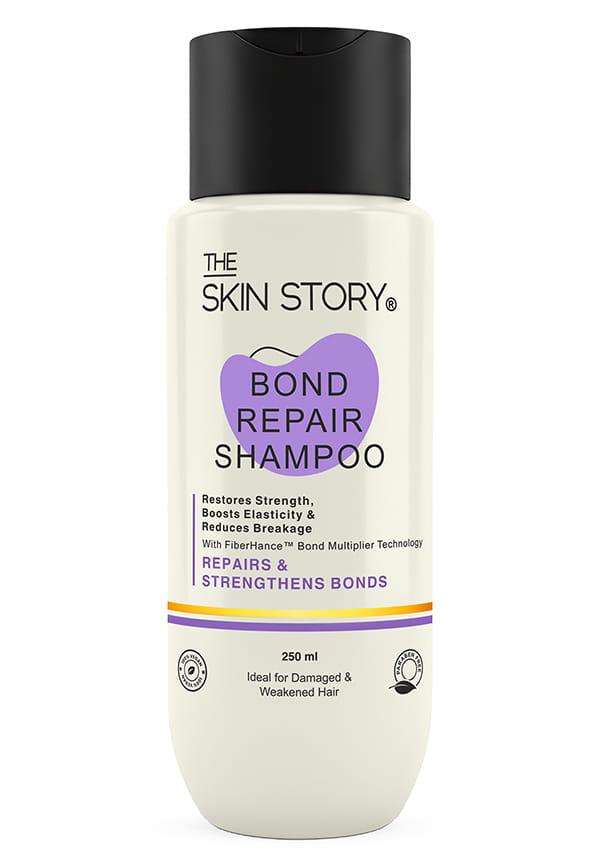 250 ml
Professional Bond Repair Shampoo For Damaged Hair
Start with a wide-tooth comb and work from the ends up—never brush wet hair aggressively. Always apply a heat protectant before using any styling tools, even on low heat. Switch to a silk or satin pillowcase to reduce friction while you sleep. These small changes make a massive difference over time.
Your hair needs both moisture and protein, but finding the right balance is key. Over-conditioning can make hair limp, while too much protein can make it brittle. Apply deep conditioning masks from mid-length to ends, avoiding the roots. Leave on for the recommended time—more isn't always better.
The market is flooded with hair repair products promising miracle results, but knowing what to look for can help you separate the good from the gimmicky. The right products can genuinely help with damaged hair repair when used consistently.
Look for products containing keratin, which helps fill in gaps in the hair cuticle. Argan oil provides moisture without weighing hair down, while ceramides help rebuild the hair's protective barrier. Apply these products to damp hair for better absorption, focusing on the mid-lengths and ends.
Protein-based masks are brilliant for chemically damaged or over-processed hair, while moisture-rich formulas work better for dry, brittle strands. Use protein treatments sparingly—once a week maximum—as overuse can actually make hair more prone to breakage.
Not all heat protectants are created equal. Look for products that offer protection up to 230°C and contain silicones like dimethicone or cyclomethicone. These create a protective film around each strand. Multi-benefit formulations that also provide UV protection are worth the investment.
A solid healthy hair routine doesn't have to be complicated, but it does need to be consistent. Think of it as a long-term investment in your hair's health rather than a quick fix.
Start with gentle detangling using a wide-tooth comb or detangling brush. If you're styling, always use a heat protectant first. Consider protective styles like loose braids or low ponytails to minimise damage throughout the day. Layer your products correctly—leave-in conditioner first, then serums, and heat protectant last.
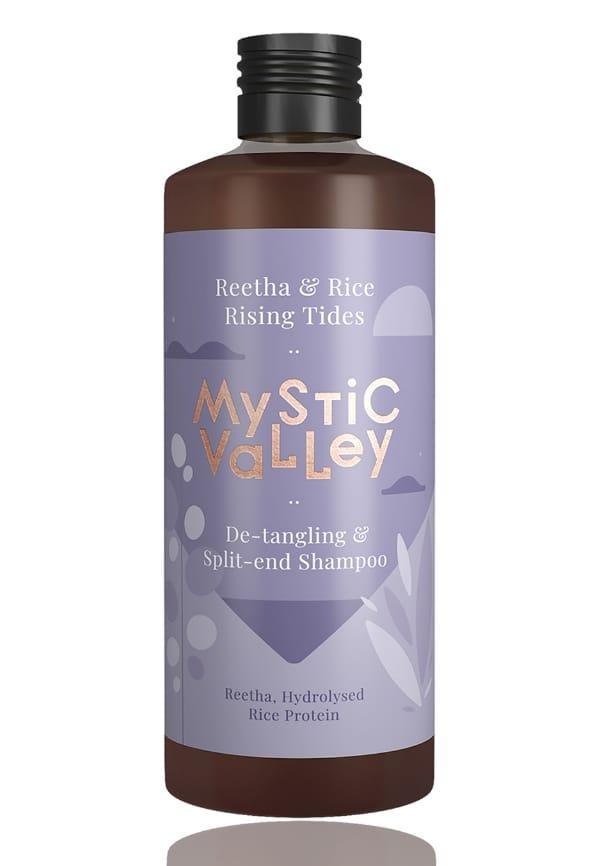 350 ml
Reetha & Rice Protein Split End Repair & Detangling Shampoo
Overnight treatments can work wonders while you sleep. Apply a small amount of hair oil to the ends before bed, or try a silk scarf to protect your hair. Loose braids or a silk scrunchie prevent tangling and breakage. Avoid going to bed with wet hair, as it's more vulnerable to damage.
Schedule regular trims every 6-8 weeks to prevent splits from travelling up the hair shaft. Deep condition weekly, alternating between moisture and protein treatments based on your hair's needs. Take progress photos to track improvements—sometimes the changes are so gradual you won't notice them day-to-day.
Sometimes split ends are just part of a bigger picture of hair damage. Understanding different types of damage helps you choose the right hair breakage solutions and create a targeted repair plan.
Split ends show up as frayed tips, while breakage appears as shorter pieces throughout your hair. Thinning usually affects the overall density rather than specific areas. Each type needs a different approach—splits need trimming and prevention, breakage needs strengthening treatments, and thinning might require scalp care.
Colour-treated hair needs extra moisture and UV protection to prevent fading and dryness. Chemically processed hair benefits from protein treatments to rebuild damaged bonds. Natural textures often need more moisture and gentle handling to prevent breakage at the curl pattern.
Professional stylists see damaged hair every day, and their insights can be game-changing for your hair care routine. Here's what the experts want you to know about treating split ends effectively.
Apply treatments to slightly damp hair for better penetration, but not soaking wet. Use a wide-tooth comb to distribute products evenly. When using heat tools, work in small sections and don't go over the same piece multiple times. Professional hair conditioning tips include using lukewarm water for washing and finishing with a cool rinse to seal the cuticle.
Over-washing strips natural oils, while under-washing can lead to product buildup. Using too much product can weigh hair down and attract dirt. Mixing incompatible ingredients—like using a protein treatment right after a chemical service—can cause more damage than good.
When exploring new hair repair products, platforms like Smytten make it easier to find what works for your specific hair needs. With trial packs from trusted haircare brands, you can test different treatments without committing to full-size products. This approach is particularly helpful when dealing with damaged hair, as what works for one person might not work for another.
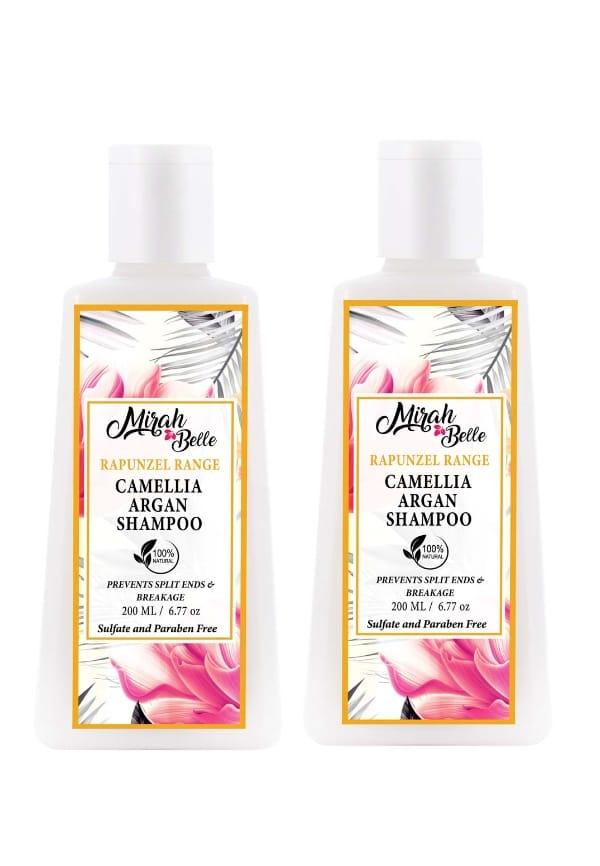 Pack of 2
Organic & Natural - Camellia Argan Shampoo - Frizzy Hair, Breakage & Split Ends
Every 6-8 weeks is ideal for most people. If you have very damaged hair, you might need trims every 4-6 weeks initially. Regular maintenance trims prevent splits from travelling up the hair shaft.
Unfortunately, no. Once hair is split, the only permanent solution is cutting. However, treatments can temporarily seal the cuticle and prevent further damage.
Dry hair lacks moisture but the structure is intact. Damaged hair has actual breaks in the cuticle or cortex. Dry hair feels rough but looks relatively normal, while damaged hair has visible splits, breaks, or dullness.
You might notice immediate improvements in texture and manageability, but significant repair takes 4-6 weeks of consistent treatment. Remember, you're growing new healthy hair while protecting existing strands.
Not necessarily. Look for specific ingredients rather than price tags. A well-formulated drugstore product can be just as effective as a luxury option. The key is finding products that work for your specific hair type and damage level.
Absolutely. Hair is made of protein, so adequate protein intake is crucial. Vitamins like biotin, iron, and omega-3 fatty acids also support hair health. However, topical treatments are more immediately effective for existing damage.
Air drying is gentlest, but if you must blow dry, use a heat protectant and keep the dryer moving. Use the cool shot button to seal the cuticle at the end. Microfibre towels or cotton t-shirts are less damaging than regular towels.
Do the stretch test: take a wet strand and gently pull. If it stretches a lot before breaking, you need protein. If it breaks immediately with little stretch, you need moisture. Healthy hair should stretch slightly then return to normal.
Treating split ends is all about consistency and patience. While you can't magically repair damaged hair, you can definitely prevent further damage and improve your hair's overall health. The key is understanding what caused the damage in the first place and adjusting your routine accordingly. Remember, healthy hair starts with gentle handling, proper protection, and the right products for your specific needs.
Finding the perfect hair repair products often involves some trial and error. With Smytten's extensive range of haircare minis from over 1,500 trusted brands, you can explore different treatments and find your perfect match without the commitment of full-size purchases. Whether you're looking for protein treatments, deep conditioning masks, or leave-in serums, trying before buying ensures you invest in products that actually work for your hair type and damage level.
