How to Treat Scalp: Your Guide to Healthy Hair Follicles
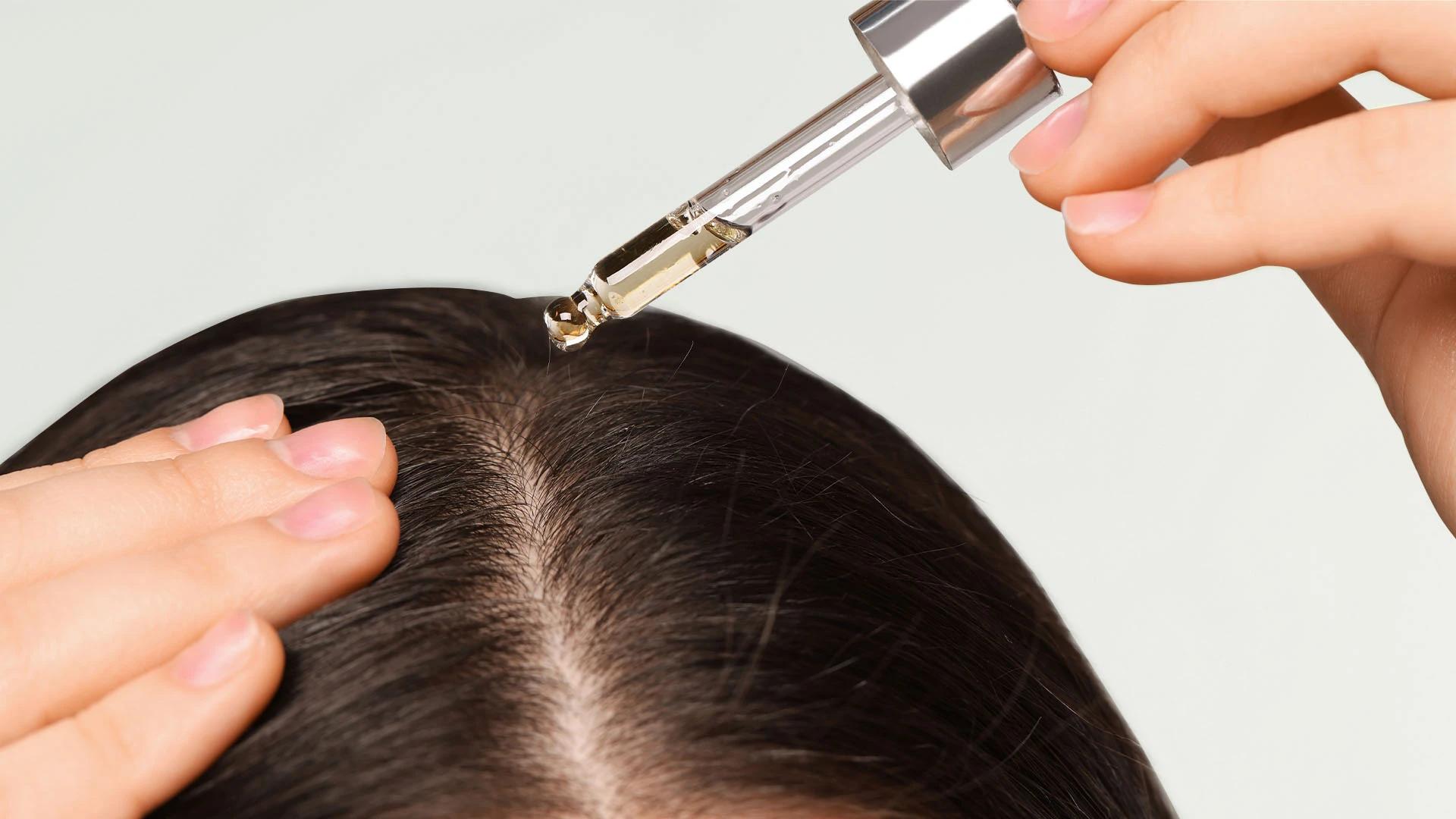

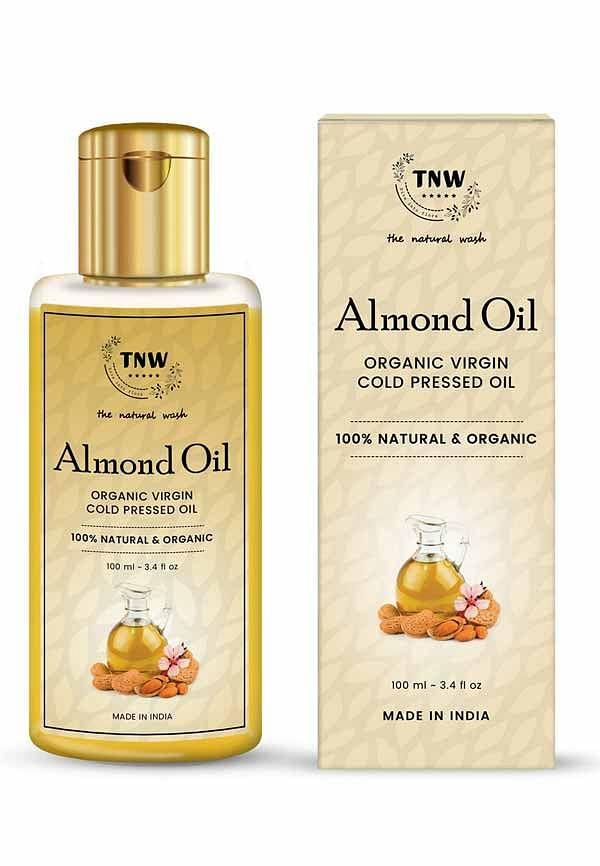
Pure Almond Oil Rich in Vitamin E Cold pressed Virgin Badam Tail For Skin Hair Nourishes the scalp 100% Pure & Natural for Hair, Skin, Face Care & Ma
You know that feeling when your scalp starts acting up and suddenly every hair day becomes a bad hair day? Whether it's the constant itch that makes you want to scratch in public, flakes falling like snow on your favourite black top, or that tight, uncomfortable feeling that screams 'help me' — your scalp is basically sending you an SOS. The thing is, most of us focus so much on our hair that we forget the foundation it all grows from. Your scalp health directly impacts everything from hair growth to texture, and honestly, it's time we gave it the attention it deserves.
Before diving into how to treat scalp issues, let's get real about what's actually happening up there. Your scalp has its own personality, and understanding it is half the battle won. Think of it like getting to know a new friend — you need to figure out what makes them tick before you can build a proper relationship.
The easiest way to assess your scalp situation is through a simple touch test. Run your fingers gently across your scalp — does it feel tight and rough? That's your dry scalp waving hello. Notice any oily residue on your fingertips? Your sebaceous glands might be working overtime. Seeing white flakes that brush off easily? You're likely dealing with dry scalp. But if those flakes are yellowish and stick around, that's dandruff knocking at your door.
Here's where things get interesting — dry scalp and dandruff aren't the same thing, even though they both love to crash your hair party uninvited. Dry scalp happens when your skin lacks moisture, kind of like how your face gets tight after using a harsh cleanser. Dandruff, on the other hand, is usually caused by a fungus called Malassezia that feeds on the oils in your scalp.
Sometimes scalp issues go beyond the basics. Scalp psoriasis shows up as thick, silvery scales that can be pretty stubborn. Seborrheic dermatitis scalp creates red, scaly patches that love to hang out around your hairline. Both of these conditions can cause serious scalp inflammation, which isn't just uncomfortable — it can actually mess with your hair follicle health.
Let's talk about scalp care tips that won't break the bank or require a chemistry degree to understand. Your kitchen probably has some pretty solid scalp treatment options hiding in plain sight.
Tea tree oil is like that friend who's brutally honest but always has your back. It's antifungal and antibacterial, making it perfect for tackling dandruff and itchy scalp issues. But here's the catch — never use it straight up. Mix 5-10 drops with a carrier oil like coconut or jojoba oil. Massage it into your scalp, leave it for 15-20 minutes, then shampoo as usual.
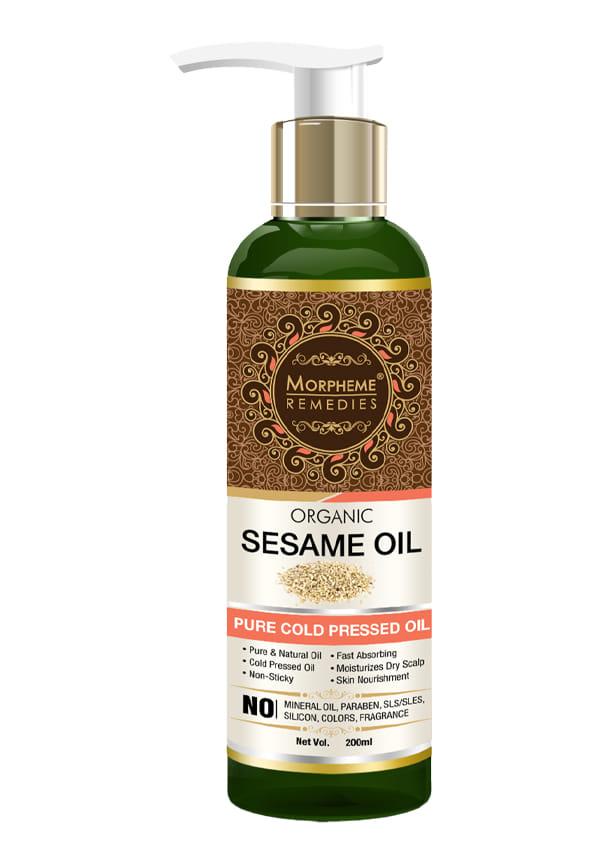
Remedies Organic Sesame Oil (Pure Coldpressed Oil) For Hair, Body, Skin Care, Massage
Apple cider vinegar might smell like a salad, but it's brilliant for balancing your scalp's pH levels. Mix one part ACV with three parts water, apply it to your scalp after shampooing, let it sit for a few minutes, then rinse thoroughly. This itchy scalp remedy works because it helps remove product buildup and creates an environment where harmful bacteria struggle to thrive.
When your scalp feels like it's on fire, aloe vera is your cooling best friend. Fresh aloe gel (straight from the plant if you have one) or a high-quality store-bought version can provide instant relief. Apply it directly to irritated areas, leave for 20 minutes, then rinse with cool water.
For dry scalp treatment, think moisture, moisture, moisture. Coconut oil is a classic for good reason — it penetrates the hair shaft and provides deep hydration. Warm a small amount between your palms, massage into your scalp, and leave overnight if possible. Argan oil is another winner, especially if coconut oil feels too heavy for your hair type.
Sometimes your scalp needs the big guns, and that's where targeted scalp treatment products come in. These aren't your regular shampoos — they're formulated with specific active ingredients that tackle scalp issues head-on.
Salicylic acid is basically the exfoliating queen of scalp care. It gently removes dead skin cells and product buildup, making it perfect for treating flaky, congested scalps. Look for shampoos with 1-2% salicylic acid for regular use.
This ingredient is particularly effective for dandruff treatment because it targets the Malassezia fungus directly. It's gentle enough for regular use but powerful enough to show real results. Many dermatologist-recommended shampoos contain this ingredient.
For stubborn dandruff or seborrheic dermatitis scalp issues, ketoconazole is often the go-to. It's available in both over-the-counter and prescription strengths. Start with the milder version and see how your scalp responds.
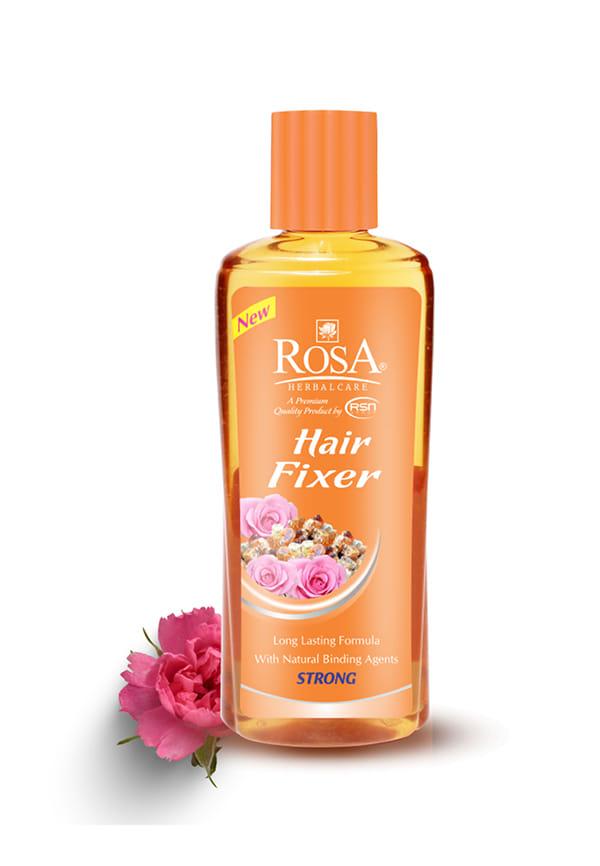
Hair Fixer strong with long lasting I For All skin I Natural & Herbal ingredients I For soft and smooth skin
Real talk — sometimes DIY scalp care isn't enough. If you're dealing with persistent scalp inflammation, severe itching that disrupts your sleep, or patches that look infected, it's time to see a dermatologist.
Professional scalp treatments can include deep cleansing procedures, specialized light therapy for conditions like scalp psoriasis, or prescription medications that target specific issues. Don't feel like you've failed if home remedies aren't cutting it — some scalp conditions genuinely need medical intervention.
Many salons now offer specialized scalp treatments that go beyond basic cleansing. These might include professional-grade exfoliation, scalp massage with therapeutic oils, or treatments with concentrated active ingredients. While they're pricier than DIY options, they can be worth it for persistent issues.
Consistency beats intensity when it comes to maintaining a healthy scalp. Your daily routine doesn't need to be complicated, but it should be intentional.
Start with gentle cleansing — overwashing can actually make scalp problems worse by stripping natural oils and triggering overproduction. Most people do well with washing every 2-3 days, but this varies based on your scalp type and lifestyle.
Spend 2-3 minutes massaging your scalp while shampooing. This isn't just relaxing — it improves blood circulation, which supports hair follicle health. Use your fingertips (not nails) in gentle circular motions.
Once a week, give your scalp some extra love. This might be a clarifying shampoo to remove buildup, a hydrating mask for dry scalp solutions, or a targeted treatment for specific concerns. The key is consistency rather than intensity.
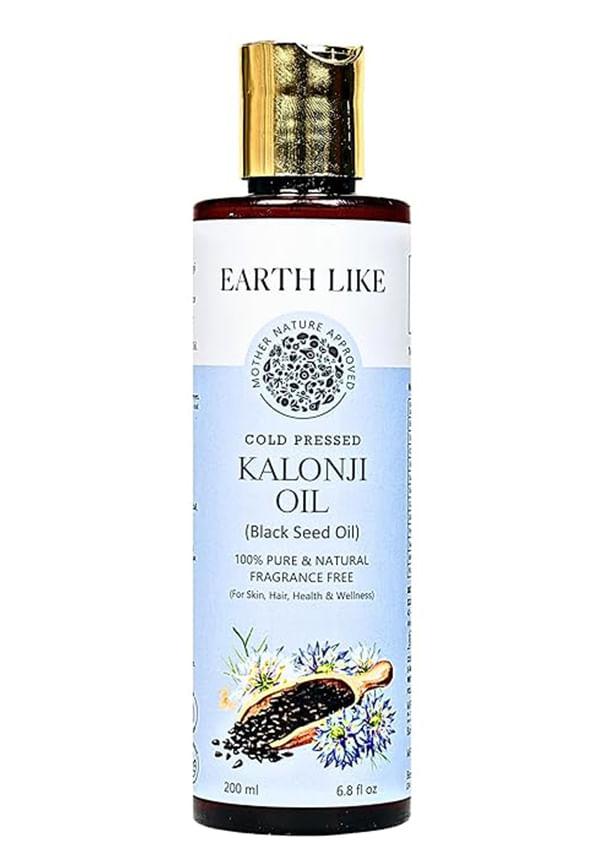
Kalonji Black Seed Oil for Healthy Hair, Skin Hydration & Scalp Nourishment
Start with gentle ingredients like aloe vera for soothing, tea tree oil (properly diluted) for antifungal action, and coconut oil for moisture. Apple cider vinegar rinses can help balance pH levels, while oatmeal masks provide gentle exfoliation. Always patch test new ingredients and introduce them gradually.
It depends on your specific issue. For dandruff, look for shampoos with zinc pyrithione or ketoconazole. Dry scalp responds well to moisturising treatments with natural oils. Scalp psoriasis often needs medicated shampoos with salicylic acid or coal tar. When in doubt, consult a dermatologist for personalised advice.
Most people notice some improvement within 2-4 weeks of consistent treatment. However, conditions like scalp psoriasis or severe seborrheic dermatitis might take 6-8 weeks to show significant improvement. The key is patience and consistency with your chosen treatment approach.
Absolutely. Stress can trigger or worsen conditions like dandruff, scalp psoriasis, and even cause temporary hair loss. Managing stress through exercise, meditation, or other healthy outlets can be an important part of your overall scalp care strategy.
Learning how to treat scalp issues is really about understanding what your scalp needs and responding consistently. Whether you're dealing with simple dryness or more complex conditions like seborrheic dermatitis, the right combination of gentle care, targeted treatments, and patience will get you there.
Remember, healthy scalp care isn't a one-size-fits-all situation. What works for your friend might not work for you, and that's completely normal. Start with gentle approaches, be consistent with your routine, and don't hesitate to seek professional help when needed.
The journey to optimal scalp health is a marathon, not a sprint. Your scalp has been with you through thick and thin (literally), so treat it with the kindness and attention it deserves. With the right approach, you'll not only solve current issues but also create a foundation for stronger, healthier hair growth.
Looking to explore different scalp care products without committing to full sizes? Smytten offers trial-size versions of many scalp treatment products from trusted brands — a smart way to test what works for your specific scalp needs before investing in the full-size versions.
