How to Treat Damaged Hair: Expert Repair Guide


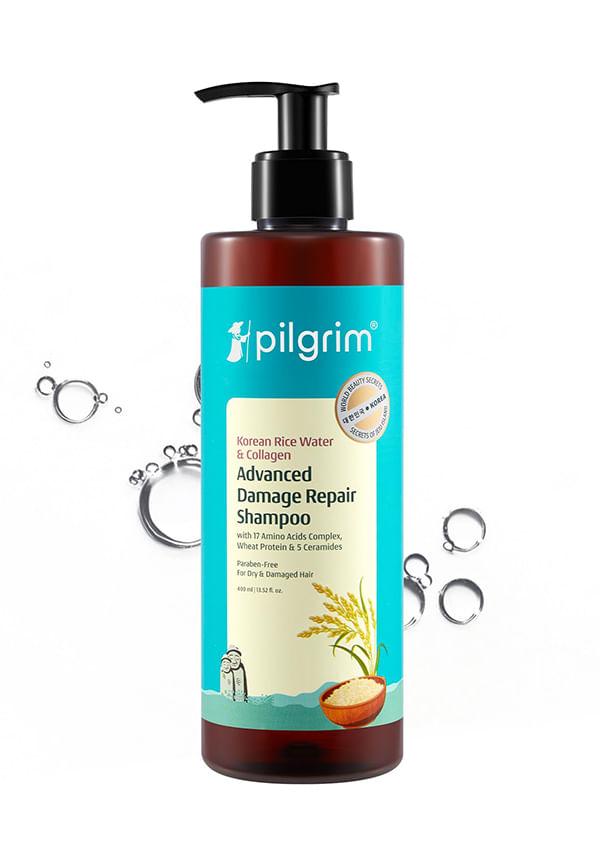 400 ml
Korean Rice Water & Collagen Advanced Damage Repair Shampoo
Your hair's been through it, hasn't it? Whether it's from endless heat styling, one too many colour sessions, or just life happening, damaged hair can feel like a proper nightmare. But here's the thing—whilst you can't magically undo years of damage overnight, you absolutely can nurse your strands back to health with the right approach. Let's dive into everything you need to know about how to treat damaged hair, from spotting the warning signs to creating a repair routine that actually works.
Real talk—sometimes what feels like damaged hair is actually just thirsty hair crying out for moisture. Knowing the difference can save you loads of time and money on the wrong products. Damaged hair treatment starts with recognising the telltale signs. Your hair might be damaged if it tangles constantly, feels rough to touch, or breaks easily when you brush it. Split ends are the most obvious giveaway—those frayed, fork-like tips that make your hair look messy no matter how you style it. Hair breakage shows up as shorter pieces sticking out from your lengths, creating that frizzy halo effect nobody asked for. Dry hair, on the other hand, usually just needs a good drink. It might feel a bit rough but won't snap under gentle pressure. Damaged hair has compromised cuticles—the protective outer layer—which means it struggles to retain moisture and protect the inner structure. To assess your damage level, try the stretch test. Take a wet strand and gently pull it. Healthy hair should stretch about 30% before snapping back. If it breaks immediately or stretches way beyond that, you're dealing with damage that needs serious attention.
Before we jump into fixes, let's chat about what's causing the chaos in the first place. Understanding these culprits helps you avoid making things worse whilst you're trying to repair. Heat styling is probably the biggest villain in your hair breakage story. Those straighteners, curling irons, and blow dryers can reach temperatures that literally cook your hair proteins. The fix? Always use a heat protectant and keep tools below 180°C when possible. Chemical processing—think bleaching, colouring, perming, or relaxing—breaks down your hair's natural bonds to create the desired effect. Each process weakens the structure, so spacing out treatments and using bond-building products becomes crucial for hair strengthening. Environmental factors sneak up on you. UV rays fade colour and dry out strands, whilst pollution creates a film that weighs hair down. Hard water deposits minerals that make hair feel rough and look dull. Even sleeping on cotton pillowcases creates friction that leads to breakage. Mechanical damage happens daily through brushing, tight hairstyles, and rough towel-drying. Wet hair is particularly vulnerable because it's stretched and swollen, making it more prone to snapping.
Now for the good stuff—your actual hair repair game plan. Think of this as your hair's rehabilitation programme, designed to nurse it back to health gradually. Consistency is everything here. You won't see overnight miracles, but stick with this routine for 6-8 weeks and you'll definitely notice stronger, shinier strands.
Swap your regular shampoo for a sulfate-free formula that won't strip your already fragile hair. Sulfates create that satisfying lather but can be too harsh for damaged strands. Focus your cleansing on the scalp rather than the lengths—your natural oils and any treatments you're using will cleanse the mid-lengths and ends as you rinse. Wash every 2-3 days maximum. Over-washing removes the natural oils your damaged hair desperately needs for protection and moisture.
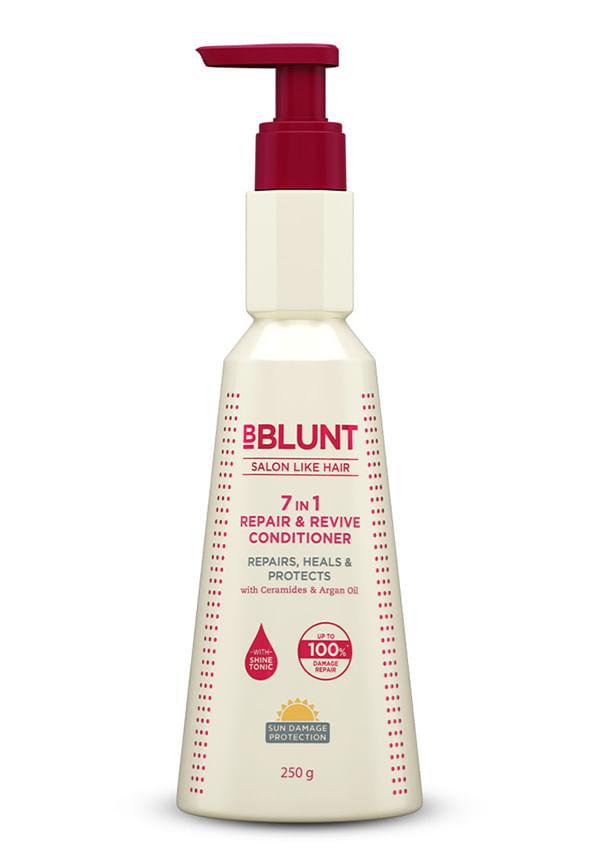 250ml
250ml7 in 1 Repair & Revive Conditioner for Upto 100% Damage Repair
Hair conditioning becomes non-negotiable when you're dealing with damage. Use a regular conditioner every wash, focusing on mid-lengths to ends. Once or twice weekly, upgrade to a deep conditioning treatment that you leave on for 10-20 minutes. Here's where it gets interesting—damaged hair needs both protein and moisture, but in the right balance. Too much protein makes hair brittle; too much moisture makes it mushy. If your hair feels stretchy and limp, you need protein. If it feels dry and snaps easily, moisture is your priority.
Never, ever apply heat to unprotected hair. A good heat protectant creates a barrier that reduces damage, but it's not a magic shield. Lower your tool temperatures and embrace air-drying when possible. Try protective styles like loose braids or buns that keep your ends tucked away. Silk or satin scrunchies reduce friction compared to elastic bands.
This is where the real magic happens. Hair masks for damaged hair provide intensive treatment that regular conditioners simply can't match. Whether you're team DIY or prefer professional formulas, consistency is key. Weekly masking sessions become your hair's spa day—a chance to flood those thirsty strands with everything they need for hair restoration.
Coconut oil remains a classic for good reason. Its molecular structure allows it to penetrate the hair shaft rather than just sitting on top. Warm a tablespoon and work it through damp hair, focusing on the ends. Leave for 30 minutes to overnight. For protein-hungry hair, whisk an egg with a tablespoon of honey. The egg provides keratin whilst honey acts as a humectant, drawing moisture from the air. Apply to damp hair and leave for 20 minutes before rinsing with cool water. Avocado and honey create a powerhouse moisturising mask. Mash half a ripe avocado with two tablespoons of honey for a creamy treatment that's perfect for dry hair remedies.
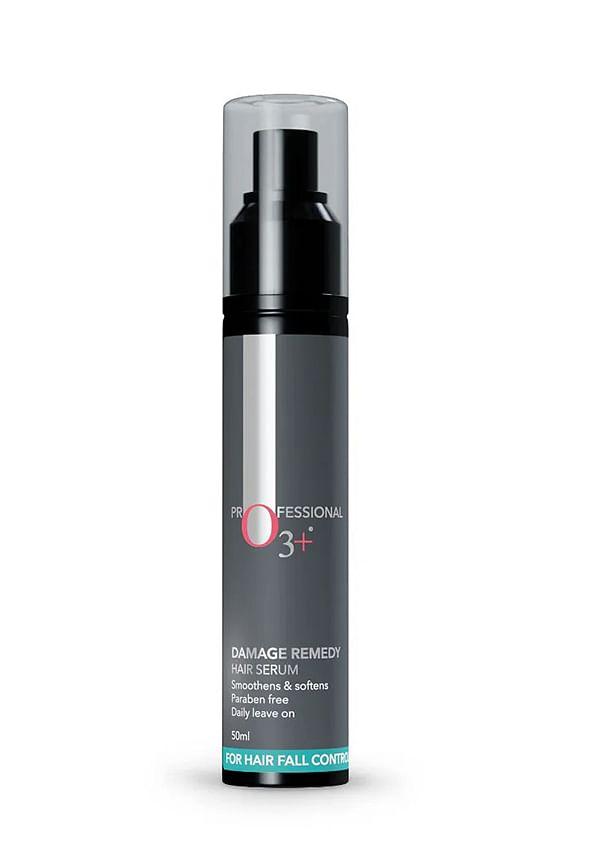 50 ml
50 mlDamage Remedy Hair Serum
Keratin and hydrolysed proteins help fill in gaps in damaged cuticles, temporarily strengthening the hair shaft. Look for masks containing these if your hair feels weak and breaks easily. Hyaluronic acid isn't just for skincare—it holds up to 1000 times its weight in water, making it brilliant for moisture-starved strands. Ceramides help repair the cuticle layer, whilst argan oil provides essential fatty acids that nourish and protect.
Sometimes DIY treatments aren't enough, and that's completely fine. Professional hair strengthening treatments can provide results that home remedies simply can't match. Salon protein treatments like Olaplex work at a molecular level to rebuild broken bonds within the hair shaft. These treatments are particularly effective for chemically damaged hair, though they require professional application for best results. Scalp treatments often get overlooked, but healthy hair starts with a healthy scalp. Regular scalp massages improve circulation, whilst clarifying treatments remove product buildup that can weigh hair down. Here's the hard truth—sometimes cutting is the kindest option. If your ends are severely damaged with multiple splits, trimming them off prevents the damage from travelling up the hair shaft. A good rule of thumb is trimming every 8-12 weeks, removing just enough to eliminate damage.
Once you've got your hair on the road to recovery, these healthy hair tips will help maintain your progress and prevent future damage. Daily protective styling becomes second nature. Sleep on silk or satin pillowcases, use a silk scarf or bonnet, and avoid tight hairstyles that create tension. When you do need to tie your hair up, use spiral hair ties or silk scrunchies. Nutrition plays a bigger role than you might think. Your hair is essentially dead protein, so adequate protein intake supports healthy growth. Biotin, iron, and omega-3 fatty acids all contribute to stronger, shinier hair. Product rotation prevents your hair from becoming too accustomed to specific ingredients. Switch between different masks and treatments to address various needs—moisture one week, protein the next. With platforms like Smytten, you can explore different damaged hair treatment products without committing to full sizes. This trial approach lets you find what works for your specific hair type and damage level, making your hair restoration journey both affordable and effective.
Whilst you can't technically "heal" hair since it's not living tissue, you can significantly improve its appearance and strength. Treatments work by temporarily filling gaps in the cuticle and adding protective layers. The key is managing expectations—severely damaged sections might need cutting, but you can definitely prevent further damage and improve what you're working with.
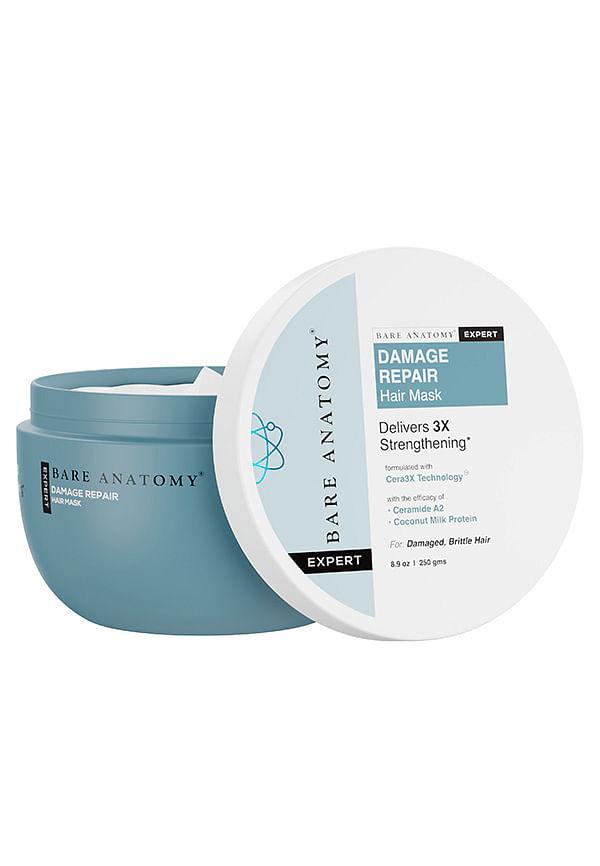 250 gm
Damage Repair Hair Mask With Ceramide A2 And Coconut Milk Protein
Start with a gentle, consistent routine focusing on moisture and protein balance. Use sulfate-free shampoos, deep condition weekly, always apply heat protection, and trim regularly. Most people see noticeable improvement within 6-8 weeks of consistent care. Remember, patience is crucial—hair grows slowly, so damaged sections take time to grow out.
Coconut oil can definitely improve damaged hair's appearance and feel. Its unique molecular structure allows it to penetrate the hair shaft, reducing protein loss and adding moisture. However, it works best as part of a comprehensive routine rather than a standalone solution. Some hair types find it too heavy, so start with small amounts.
Straw-like texture usually indicates severe moisture loss. Focus on intensive hydrating treatments—weekly deep conditioning masks, leave-in treatments, and protective styling. Avoid heat styling temporarily and consider a clarifying shampoo to remove buildup that might be preventing moisture absorption. This type of damage typically requires 2-3 months of consistent care to see significant improvement.
For severely damaged hair, start with twice weekly masks—one protein treatment and one moisture treatment. As your hair improves, you can reduce to once weekly. Pay attention to how your hair responds; over-treating can sometimes make things worse. If your hair starts feeling mushy or overly soft, reduce frequency or switch to lighter treatments.
Treating damaged hair isn't about finding one miracle product—it's about creating a consistent routine that addresses your hair's specific needs. Whether you're dealing with split ends from heat damage or hair breakage from chemical processing, the fundamentals remain the same: gentle cleansing, regular conditioning, protein-moisture balance, and protection from further damage. Remember, your hair's needs will change as it recovers, so stay flexible with your routine. What works in month one might need adjusting by month three. The key is listening to your hair and responding accordingly. Smytten's trial approach makes this journey much easier, letting you test different hair repair products without the commitment of full-size purchases. With over 1,500 trusted brands available in mini sizes, you can experiment with various treatments to find your perfect hair restoration routine. After all, why settle for damaged hair when you can try different solutions and find what actually works for you?
