How to Transform Your Hair with Natural Care Secrets

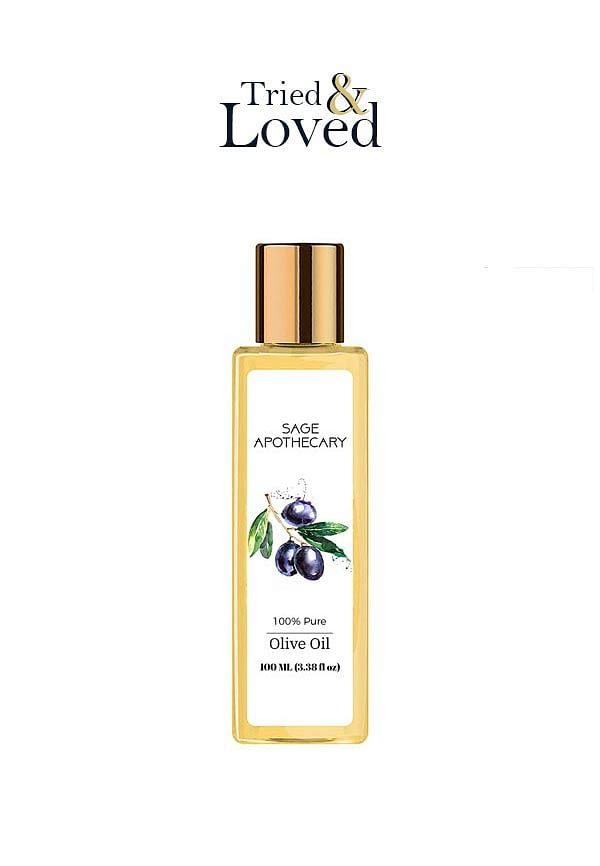 100 ml
Olive Oil for Hair
Let's be real—your hair has probably been through it. Between heat styling, chemical treatments, and products packed with ingredients you can't pronounce, it's no wonder your strands are crying out for some TLC. The good news? Natural haircare isn't just a trend—it's a game-changer that can transform your hair from the inside out. Think of it as giving your hair a proper detox while feeding it all the good stuff it's been craving. Ready to discover why going natural might just be the best decision you'll make for your hair this year?
The benefits of natural hair care go way beyond just avoiding harsh chemicals. When you switch to natural hair products, you're essentially giving your hair and scalp a chance to reset and thrive. Unlike synthetic formulations that can strip your hair of its natural oils, natural ingredients work with your hair's biology rather than against it. Natural haircare maintains your hair's natural moisture levels by using plant-based oils and extracts that penetrate the hair shaft without causing damage. This means your hair retains its elasticity and strength over time, rather than becoming brittle from chemical overload. Scientific studies have shown that ingredients like coconut oil can actually reduce protein loss in hair, while argan oil provides essential fatty acids that repair damaged cuticles. The real magic happens at the scalp level. Natural products promote better circulation and create a healthier environment for hair growth. When your scalp isn't dealing with irritating sulfates or synthetic fragrances, it can focus on what it does best—growing strong, healthy hair.
Switching to natural hair products isn't just about following a trend—it's about giving your hair the kind of care that actually makes a difference. Here's what you can expect when you make the switch.
Natural products use botanical extracts and oils that cleanse without stripping. Your hair gets clean without that squeaky, over-dried feeling that comes with harsh detergents.
Ingredients like rosemary oil and peppermint extract stimulate blood flow to your scalp. Better circulation means more nutrients reaching your hair follicles, which translates to stronger growth.
Natural hair growth remedies work gradually but effectively. You're not forcing growth with aggressive chemicals—you're creating the optimal conditions for your hair to flourish naturally.
Plant oils smooth the hair cuticle, giving you that glossy finish without silicone build-up. Your hair looks healthier because it actually is healthier.
Soothing ingredients like aloe vera and chamomile calm irritated scalps. No more itching, flaking, or redness from harsh synthetic ingredients.
Natural proteins and vitamins strengthen your hair from within. You're building resilience rather than just masking damage with temporary fixes.
Bonus points: you're doing right by the planet while doing right by your hair. Natural products typically come with less environmental impact and more ethical sourcing.
Not all natural ingredients are created equal, and knowing which ones to look for can make all the difference in your organic hair care journey. These powerhouse ingredients have the science to back up their benefits.
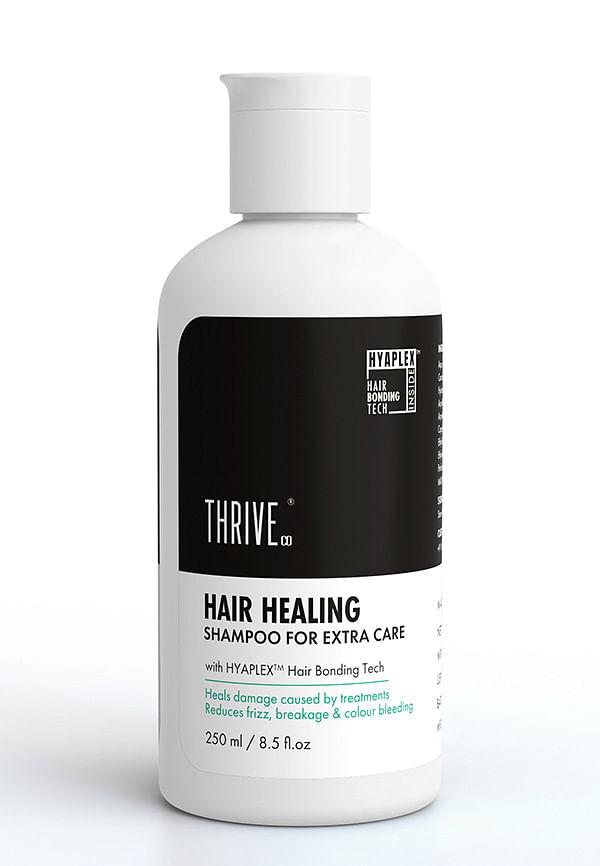 250 ml
Healing Hair Shampoo
Coconut oil's molecular structure allows it to penetrate the hair shaft better than most other oils. It's particularly effective for preventing protein loss during washing and styling.
Packed with antioxidants and omega fatty acids, argan oil repairs damaged hair while protecting against future damage. It's especially brilliant for adding shine without weighing hair down.
Jojoba oil mimics your scalp's natural sebum, making it perfect for balancing oily or dry scalps. It won't clog pores but will provide essential moisture.
Aloe vera contains amino acids and vitamins that soothe irritated scalps while providing lightweight hydration. It's particularly good for sensitive scalps.
Studies suggest rosemary oil can be as effective as minoxidil for promoting hair growth, but without the side effects. It improves circulation and has antimicrobial properties.
Look for gentle surfactants derived from coconut or other plants. They clean effectively without stripping your hair's natural protective oils.
Creating an effective hair care routine with natural products is about understanding your hair's needs and building habits that support long-term health. Here's how to structure your routine for maximum benefits.
Start with a weekly oil treatment using coconut, argan, or jojoba oil. Massage it into your scalp for 5-10 minutes to boost circulation before washing.
Choose a sulfate-free shampoo that matches your hair type. Focus on cleansing your scalp rather than your lengths—the suds will clean your hair as you rinse.
Use a natural conditioner from mid-length to ends. Once a week, treat yourself to a deep conditioning mask with ingredients like shea butter or avocado oil.
Alternate between protein treatments (using ingredients like eggs or quinoa) and moisture treatments (using honey or aloe vera) based on your hair's needs.
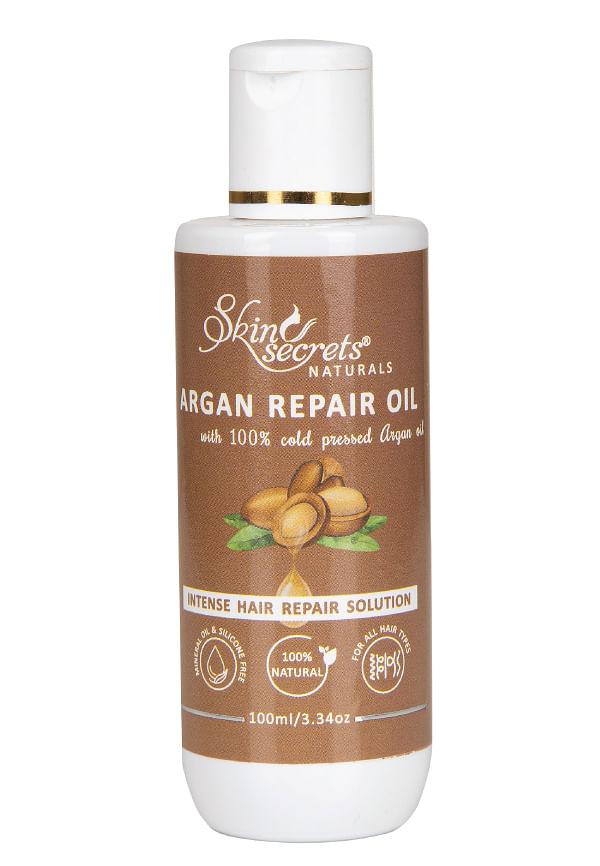 100 ml
Argan Repair Hair Oil
Use natural oils or aloe vera gel for light hold and heat protection. These won't build up like synthetic styling products.
Fine hair might need washing every other day, while thick or curly hair can go 3-4 days between washes. Listen to your hair and adjust accordingly.
Sometimes the best treatments are the ones you can whip up in your kitchen. These DIY hair masks use simple, natural ingredients that deliver real results without breaking the bank.
Mash one ripe avocado with two tablespoons of honey for the ultimate hair hydration treatment. The healthy fats in avocado penetrate deeply while honey attracts and retains moisture.
Whisk one whole egg with a tablespoon of olive oil for a protein-rich treatment that strengthens weak or damaged hair. Leave on for 20 minutes before washing with cool water.
Soak rice in water for 30 minutes, strain, and use the water as a final rinse. Rice water contains amino acids and vitamins that promote shine and growth.
Brew strong green tea, add a few drops of rosemary oil, and massage into your scalp. This combination stimulates circulation and provides antioxidants.
Blend one banana with two tablespoons of coconut oil for a mask that's perfect for curly hair care. The potassium in bananas helps strengthen hair while coconut oil provides moisture.
Apply masks to damp hair for better penetration. Use a wide-tooth comb to distribute evenly, and always rinse with cool water to seal the hair cuticle.
One size definitely doesn't fit all when it comes to natural haircare. Understanding your specific hair type and concerns helps you choose the right ingredients and techniques for optimal results.
Curly hair care is all about moisture and gentle handling. Use the "plopping" method with a microfibre towel, apply leave-in treatments to soaking wet hair, and never brush curly hair when it's dry.
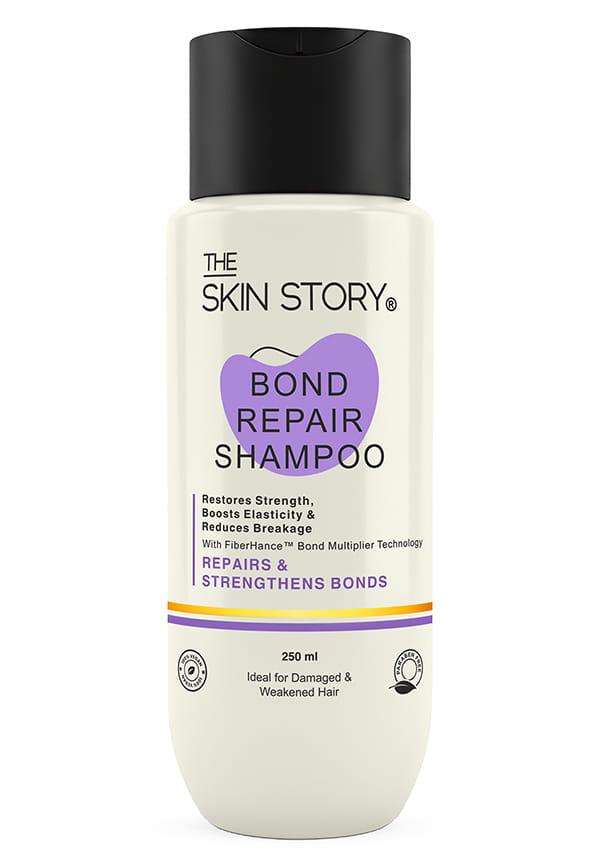 250 ml
Professional Bond Repair Shampoo For Damaged Hair
Fine hair needs lightweight oils like jojoba or grapeseed. Avoid heavy butters and use clarifying treatments weekly to prevent build-up that can make hair look flat.
Focus on protein treatments using eggs, quinoa, or rice water. Follow up with moisture treatments to maintain balance—damaged hair needs both strength and hydration.
Use clay masks on your scalp weekly and rinse with diluted apple cider vinegar to balance pH. Tea tree oil can help control excess oil production naturally.
Gentle oils like jojoba or sweet almond oil can restore scalp health without clogging pores. Avoid over-washing, which can worsen dryness.
Use cool water for washing, apply UV protection with natural oils, and opt for gentle, colour-safe natural shampoos that won't strip your colour.
Knowing what healthy hair looks and feels like helps you track your progress and adjust your routine as needed. These healthy hair tips will help you maintain the results you've worked so hard to achieve. Healthy hair has a natural shine that comes from smooth, intact cuticles. It should feel soft to the touch but not limp, and it should have good elasticity—meaning it can stretch slightly when wet without breaking immediately. Your hair should also have minimal breakage and shedding should be normal (about 50-100 hairs per day). A healthy scalp is equally important. It should feel comfortable without itching, flaking, or excessive oiliness. The skin should look normal—not red, irritated, or overly dry. When you run your fingers through your hair, it should feel smooth and manageable. To maintain your natural hair transformation, consistency is key. Stick to your routine for at least 8-12 weeks to see significant changes. Protect your hair while sleeping with silk pillowcases or bonnets, and be gentle when detangling—always start from the ends and work your way up. Platforms like Smytten make it easier than ever to discover which natural hair products work best for your specific needs. With trial packs from trusted brands, you can explore different formulations without committing to full-size products. This approach lets you build a personalised natural haircare routine that actually delivers results.
Natural hair care maintains your hair's natural moisture balance, reduces chemical damage, promotes stronger hair growth, and creates a healthier scalp environment. It works with your hair's biology rather than against it.
Most people notice improved texture and reduced breakage within 4-6 weeks. Significant improvements in strength and growth typically appear after 3-4 months of consistent use.
Yes, natural haircare can be customised for any hair type through proper ingredient selection and routine adjustments. The key is understanding your specific needs and choosing products accordingly.
DIY masks are excellent supplements to your routine, but commercial natural products often have more stable formulations and concentrated active ingredients. A combination approach works best.
Sulfate-free shampoos simply avoid harsh detergents, while natural shampoos use plant-based ingredients throughout the formula. Natural options typically provide additional nourishing benefits.
Transforming your hair with natural care isn't about perfection—it's about progress. Every small change you make towards gentler, more nourishing haircare adds up to healthier, stronger hair over time. The benefits of natural hair care extend beyond just how your hair looks; they create a foundation for long-term hair health that synthetic products simply can't match. Remember, finding the right natural products for your hair might take some experimentation. What works brilliantly for your friend might not be your perfect match, and that's completely normal. The key is to stay consistent with gentle, natural ingredients while paying attention to how your hair responds. With platforms offering trial-sized natural hair products, you can explore different brands and formulations without the commitment of full-size purchases. This makes building your ideal natural haircare routine both affordable and exciting—because why settle for 'maybe' when you can try it all and find what truly works for your unique hair needs?
