
Haircare
•08 min read

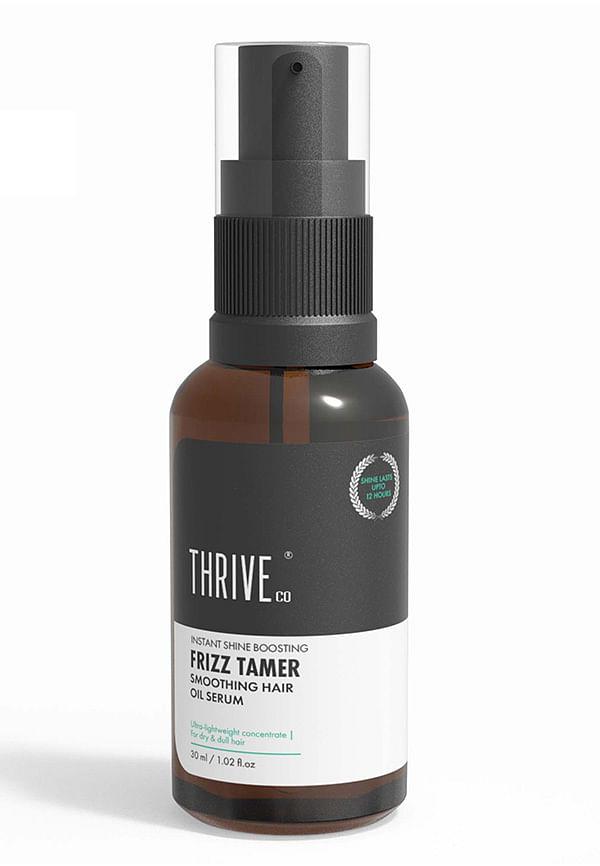 30 ml
30 mlFrizz Tamer Smoothening Hair Oil
Let's be real—nothing ruins a good hair day quite like stepping outside into humid weather and watching your perfectly styled locks transform into a frizzy mess within minutes. If you've ever felt personally victimised by humidity, you're definitely not alone. The struggle is real, and it's time we talked about proper frizzy hair solutions for humidity that actually work. Whether you're dealing with naturally curly hair that goes wild in moisture or straight hair that suddenly develops a mind of its own, understanding how to manage your mane in humid conditions can be a total game-changer. From the science behind why humidity wreaks havoc on our hair to practical tips and products that create a protective barrier, we're diving deep into everything you need to know to keep your hair looking smooth and polished, no matter what the weather throws at you.
Ever wondered why your hair seems to have a personal vendetta against humid days? The science behind it is actually quite fascinating. When humidity levels rise, the moisture in the air penetrates your hair cuticles—those tiny scales that cover each strand. Think of your hair cuticles like roof tiles; when they're smooth and flat, your hair looks sleek. But when humidity gets involved, these cuticles lift up, allowing moisture to enter the hair shaft and causing it to swell unevenly. This is where humidity hair care becomes crucial. Hair porosity plays a massive role in how susceptible your locks are to frizz. High-porosity hair, which often results from chemical processing, heat damage, or environmental factors, absorbs moisture like a sponge. Low-porosity hair, on the other hand, has tightly closed cuticles that resist moisture—but once humidity does get in, it can be just as problematic.
Not all hair types react to humidity in the same way. Curly and wavy hair naturally has more cuticle layers exposed along the bends and curves of each strand, making it more vulnerable to moisture absorption. Damaged hair from heat styling, chemical treatments, or environmental stress also becomes more porous and frizz-prone.
It's worth noting that there's a difference between frizz caused by damage and natural texture responding to humidity. Damaged hair often feels rough and looks dull, whilst natural texture might just become more voluminous or defined in humid conditions. Understanding this distinction helps you choose the right approach for your specific hair needs.
Now that we understand the why, let's talk about the how. These frizz control tips have been tried and tested by countless people dealing with humidity-induced hair drama, and they actually deliver results. Start with your washing routine. Using lukewarm water instead of hot water helps keep your cuticles from opening too much during cleansing. Follow up with a cold water rinse at the end—this seals the cuticles and creates a smoother surface that's less likely to absorb humidity throughout the day. The way you dry your hair makes a massive difference too. Ditch the regular cotton towel, which can rough up your cuticles and create more frizz. Instead, try a microfiber towel or even an old cotton t-shirt to gently squeeze out excess water. The smoother surface reduces friction and helps maintain your hair's natural texture.
When it comes to drying, you've got options. Air drying is gentler on your hair, but if you're in a rush, use a blow dryer with a diffuser attachment on low heat. Always apply a heat protectant first—this creates a barrier between your hair and the hot air whilst adding an extra layer of humidity protection.
Don't underestimate the power of protective styling before bed. Loose braids, silk scrunchies, or even a silk pillowcase can prevent friction and help manage frizzy hair whilst you sleep. Wake up with smoother hair that's already prepped to handle the day's humidity.
Choosing the right products is where the magic really happens. The market is flooded with anti frizz products, but knowing what to look for makes all the difference in finding your perfect match. Sulfate-free shampoos are your first line of defence. These gentler cleansers won't strip your hair of its natural oils, which act as a protective barrier against humidity. Look for formulas with moisturising ingredients like glycerin, hyaluronic acid, or natural oils that help seal the cuticle.
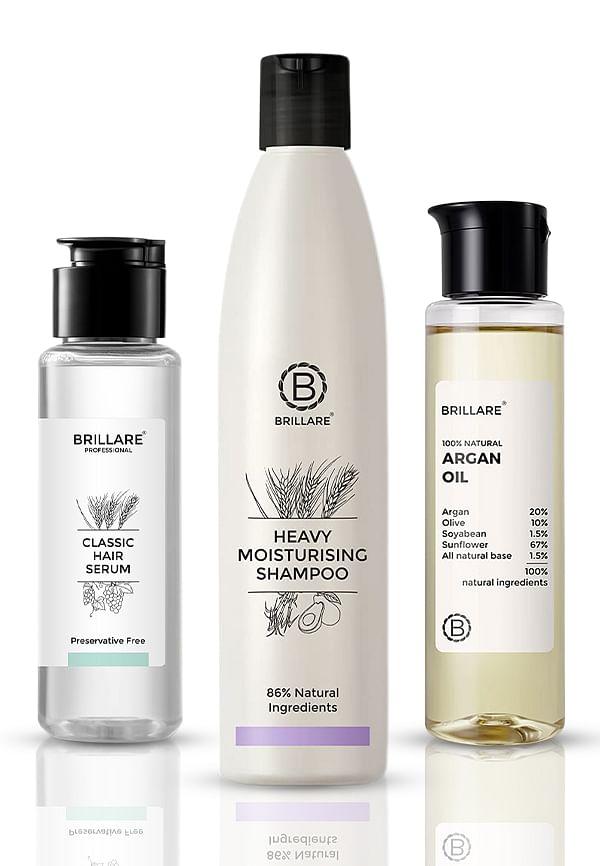 Combo
ComboFrizz-Free Hydration Hair Care Kit
Deep conditioning treatments should be a weekly ritual, not an afterthought. These intensive treatments penetrate the hair shaft to repair damage and smooth the cuticle layer. Ingredients like keratin, protein, and ceramides help strengthen your hair's structure and improve its ability to resist humidity. Leave-in conditioners are absolute game-changers for hair products for humidity protection. They provide ongoing moisture and create a protective film around each strand. Apply to damp hair, focusing on the mid-lengths and ends where damage is typically most severe.
When it comes to the best anti-frizz serum options, lightweight formulas work better than heavy creams for most hair types. Silicone-based serums create an effective barrier against humidity, whilst natural oils like argan or jojoba provide moisture without weighing hair down. Anti-humidity sprays are brilliant for touch-ups throughout the day. These products contain polymers that form a flexible film over your hair, helping to maintain your style even when the weather gets steamy. For the ultimate humidity proof hair, layer a serum under your styling products and finish with a light mist of anti-humidity spray.
Sometimes, daily maintenance isn't enough, and you need to bring in the big guns. Professional hair smoothing treatments can provide months of frizz-free results, but they're not the only option for achieving smooth hair solutions. Keratin treatments work by filling in the porous areas of your hair cuticle with protein, creating a smoother surface that's less likely to absorb humidity. These treatments can last 3-4 months and significantly reduce styling time. Brazilian blowouts use a different approach, coating the hair with a protective layer that seals out moisture.
Protein treatments are particularly effective for damaged hair. These salon services rebuild the hair's structure from within, improving its ability to resist humidity and environmental stressors. The results aren't as dramatic as keratin treatments, but they're gentler and can be repeated more frequently.
If salon treatments aren't in your budget, don't worry—there are effective at-home options too. Apple cider vinegar rinses help balance your hair's pH and seal the cuticles. Mix one part vinegar with three parts water and use as a final rinse after shampooing. Coconut oil and argan oil treatments can provide deep moisture and create a protective barrier against humidity. Apply to damp hair, leave for 30 minutes, then shampoo as usual. These natural oils penetrate the hair shaft and help smooth the cuticle layer.
Straightening your hair only to have it frizz up the moment you step outside is beyond frustrating. The key to maintaining smooth hair in humidity starts with proper preparation and the right finishing techniques. Before you even touch a styling tool, make sure your hair is completely dry and protected. Apply a heat protectant from roots to tips, then add a smoothing serum to the mid-lengths and ends. This double layer of protection helps seal the cuticles and creates a barrier against moisture. When straightening, work in small sections and don't rush the process. Multiple quick passes with the iron create more heat damage than one slow, thorough pass. Finish each section with a blast of cool air from your blow dryer to set the style and seal the cuticles.
Once you've achieved your desired smoothness, lock it in with a finishing spray or lightweight oil. These products create an additional barrier against humidity and help maintain your style throughout the day. For extra protection, try the 'sandwich method'—apply a small amount of serum, then styling spray, then another light layer of serum.
Not everyone wants to rely on chemical treatments or heavy products to de-frizzing hair. Fortunately, there are plenty of natural approaches that can help you achieve smoother, more manageable hair. Silk pillowcases aren't just a luxury—they're a practical tool for reducing overnight frizz. The smooth surface creates less friction than cotton, helping your hair maintain its style whilst you sleep. Silk scrunchies and hair wraps work on the same principle for daytime protection. The 'plopping' technique is a game-changer for curly and wavy hair. After washing, apply your styling products, then wrap your hair in a microfiber towel or cotton t-shirt for 10-20 minutes. This method encourages your natural curl pattern whilst reducing frizz and volume.
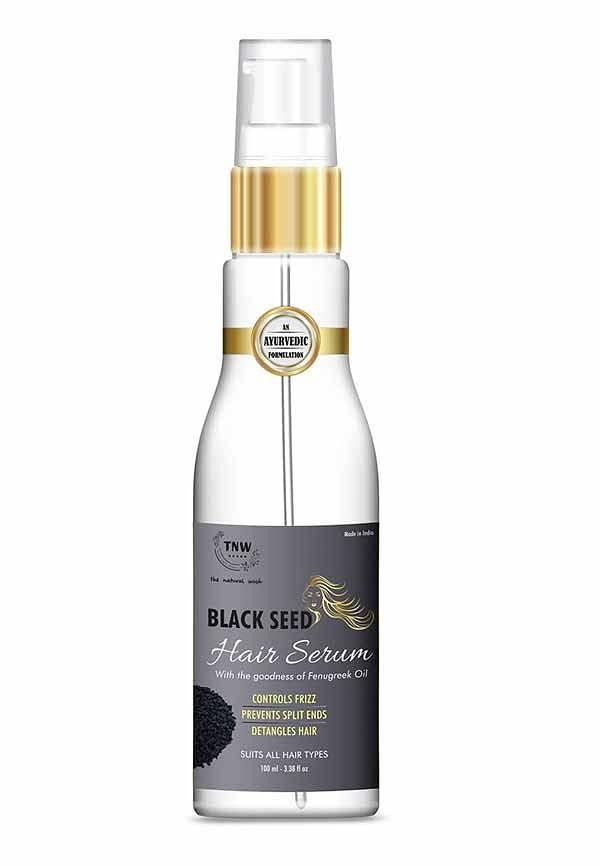 100 ml
Black Seed Hair Serum An Anti-Frizz Natural Styling Serum
Your diet and hydration levels play a bigger role in hair health than you might think. Drinking plenty of water helps maintain moisture levels from within, whilst foods rich in omega-3 fatty acids, biotin, and vitamin E support healthy hair growth and structure. Regular trims every 6-8 weeks prevent split ends from travelling up the hair shaft and creating more frizz. Even if you're growing your hair out, removing damaged ends helps maintain overall hair health and manageability. This is where platforms like Smytten become incredibly valuable for anyone struggling with frizzy hair. With access to trial packs from over 1,500 trusted brands, you can experiment with different frizzy hair solutions for humidity without committing to full-size products. Whether you're curious about a new anti-frizz serum or want to try a different leave-in conditioner, getting up to 8 minis for just ₹249 makes it affordable to find what actually works for your hair type.
The key is creating a protective barrier before you even step outside. Start with a leave-in conditioner on damp hair, followed by a smoothing serum or oil. Finish with an anti-humidity spray for extra protection. Avoid touching your hair throughout the day, as the oils from your hands can disrupt your protective products.
Look for products containing silicones like dimethicone or cyclomethicone, which create an effective moisture barrier. Lightweight serums work better than heavy creams for most hair types. The best product depends on your specific hair texture and porosity level.
Natural methods include using silk pillowcases, applying coconut or argan oil treatments, doing apple cider vinegar rinses, and using the plopping technique for curly hair. Protective styling and avoiding heat tools also help maintain smoother hair naturally.
Deficiencies in biotin, vitamin E, omega-3 fatty acids, and iron can contribute to hair that's more prone to frizz and damage. A balanced diet with plenty of water helps maintain healthy hair structure from within.
For damaged or very dry hair, use a deep conditioning mask once or twice weekly. For moderately frizzy hair, once a week is usually sufficient. Over-conditioning can weigh hair down, so adjust frequency based on how your hair responds.
Sulfate-free, moisturising shampoos work best for humidity-prone hair. Look for formulas with glycerin, hyaluronic acid, or natural oils. Avoid clarifying shampoos too frequently, as they can strip protective oils that help resist humidity.
Taming frizzy hair in high humidity doesn't have to be an uphill battle. With the right combination of products, techniques, and understanding of your hair's unique needs, you can achieve smooth, manageable hair regardless of the weather. Remember that finding your perfect routine might take some experimentation—what works for your friend might not work for you, and that's completely normal. The key is being consistent with your routine and patient with the process. Whether you opt for professional treatments, drugstore products, or natural remedies, give each approach time to work before moving on to something else. Your hair needs time to adjust and respond to new products and techniques. With Smytten's extensive range of trial packs from trusted haircare brands, you can explore different solutions without the commitment of full-size purchases. The platform's 100% cashback offer makes it even more rewarding to discover what works best for your hair type. After all, why settle for frizzy hair when you can #TryItAll and find your perfect humidity-fighting routine?
