Haircare
•07 min read

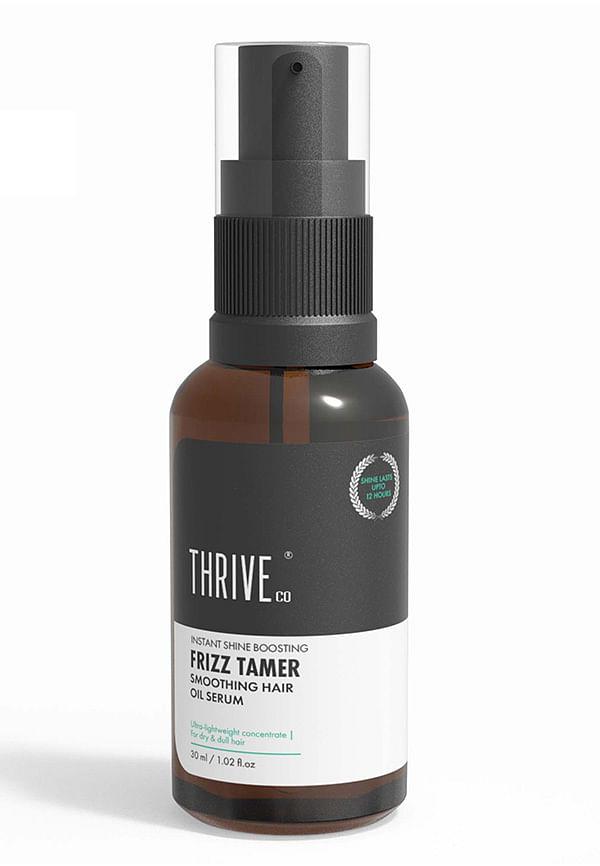 30 ml
30 mlFrizz Tamer Smoothening Hair Oil
Let's be real—frizzy hair can feel like your biggest beauty nemesis, especially when you're rushing out the door and your hair decides to have its own rebellion. Whether it's the monsoon humidity making your locks go wild or just your hair's natural texture fighting against you, finding effective anti frizz hair tips that actually work can feel like searching for a needle in a haystack. But here's the thing: taming frizz isn't about fighting your hair's natural personality—it's about understanding what it needs and giving it the right care. From simple tweaks in your routine to discovering the perfect products for your hair type, we're about to dive into expert-approved strategies that'll help you achieve that smooth, manageable hair you've been dreaming of.
Before we jump into frizzy hair solutions, let's decode what's actually happening up there. Frizz occurs when your hair cuticles—those tiny scales on each strand—lift up and allow moisture from the air to penetrate the hair shaft. Think of it like your hair drinking water through a straw, but in a chaotic, uncontrolled way.
The main culprits behind frizz include humidity (the classic villain), hair damage from heat styling or chemical treatments, genetics (thanks, family!), and high hair porosity. Your hair's porosity basically determines how easily it absorbs and releases moisture—high porosity hair is like a sponge, soaking up humidity and expanding in all directions.
Not all frizz is created equal, and identifying your type helps with targeted hair frizz control:
Surface frizz: Those annoying flyaways that make your hair look fuzzy from a distance
Halo frizz: The crown of baby hairs that seem to defy gravity around your hairline
In-the-lengths frizz: When the mid-lengths and ends of your hair lose their smooth texture and become rough
Creating a solid frizz free hair routine is like building a good skincare regimen—consistency is key, and every step matters. The goal is to keep your hair hydrated, protected, and happy from wash day to wash day.
Start with pre-wash prep because what you do before shampooing sets the tone for everything else. Apply a nourishing hair oil or pre-shampoo treatment to dry hair, focusing on the mid-lengths and ends. This creates a protective barrier that prevents your hair from getting overly stripped during cleansing.
When it's time to wash, use lukewarm water instead of hot—high temperatures can lift the cuticles and invite more frizz. Choose a sulphate-free shampoo that cleanses without being harsh, and focus the product on your scalp rather than the lengths of your hair.
This is where the magic happens for managing frizzy hair. Apply conditioner from mid-length to ends, and let it sit for at least 3-5 minutes. For extra dry or damaged hair, try the "squish to condish" method—gently squeeze your hair upwards while the conditioner is still in to encourage curl formation and moisture retention.
How you handle your hair when it's wet can make or break your frizz control efforts. Never rub your hair with a regular towel—instead, gently squeeze out excess water with a microfibre towel or even a cotton t-shirt. Apply a leave-in conditioner or anti-frizz serum to damp hair, working it through with your fingers or a wide-tooth comb.
The world of anti-frizz products can feel overwhelming, but knowing which ingredients to look for makes shopping so much easier. Think of these as your hair's best friends—each one brings something special to the frizz-fighting party.
Argan oil is like liquid gold for frizzy hair, providing deep moisture without weighing your hair down. Shea butter acts as a natural sealant, locking in hydration and creating a protective barrier against humidity. Keratin helps smooth the hair cuticle and reduce porosity, while lightweight silicones can provide instant smoothness and shine.
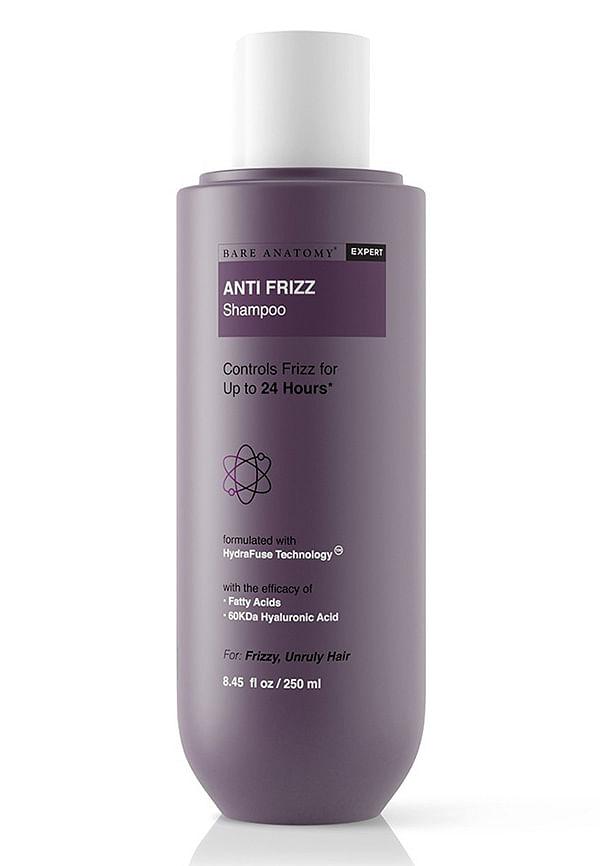 250 ml
Expert Anti-Frizz Shampoo Tames Frizz For Up To 24 Hours
Your anti-frizz toolkit should include a gentle, moisturising shampoo, a rich conditioner, a leave-in treatment, and a finishing serum or oil. The best hair oil for frizz often depends on your hair type—fine hair might prefer lightweight oils like jojoba or grapeseed, while thicker hair can handle richer options like coconut or castor oil.
Product layering is an art form. Start with the thinnest consistency and work your way up to thicker products. So it goes: leave-in conditioner, then serum, then oil. This prevents products from repelling each other and ensures maximum absorption.
Sometimes the best dry hair remedies are sitting right in your kitchen. Natural ingredients can be incredibly effective for haircare for frizzy hair, plus they're budget-friendly and free from harsh chemicals.
Coconut oil is a classic for good reason—its molecular structure allows it to actually penetrate the hair shaft rather than just sitting on top. Aloe vera gel provides lightweight moisture and helps seal the cuticle, while honey acts as a natural humectant, drawing moisture from the air into your hair (in a good way, unlike frizz!).
Mix two tablespoons of coconut oil with one tablespoon of honey and a few drops of your favourite essential oil for a deeply nourishing mask. Apply to damp hair, leave for 20-30 minutes, then shampoo out. For a protein treatment, blend one egg with a tablespoon of olive oil and apply to clean, damp hair for 15 minutes before rinsing with cool water.
Make Sunday your hair pamper day. Create a simple deep conditioner by mixing your regular conditioner with a tablespoon of your chosen hair oil. Apply generously, cover with a shower cap, and let it work its magic for 30 minutes while you catch up on your favourite show.
The right styling approach can be the difference between good hair days and great ones. These smooth hair tips focus on working with your hair's natural texture rather than against it.
When heat styling, always use a heat protectant—no exceptions. Keep temperatures moderate (150-180°C for fine hair, up to 200°C for thick, coarse hair) and use the tension method: gently pull sections taut while blow-drying to encourage smoothness. For humidity hair solutions, finish with a blast of cool air to seal the cuticle and lock in your style.
Air-drying doesn't have to mean frizzy, undefined hair. Try the "plopping" method: after applying your leave-in products, gently lower your head onto a microfibre towel or cotton t-shirt, wrap it up, and leave for 10-20 minutes. This encourages curl formation while absorbing excess moisture.
Invest in a microfibre towel, wide-tooth comb, and silk or satin pillowcase. These simple swaps reduce friction and prevent overnight frizz formation. If you use a hair dryer, a diffuser attachment can help maintain your hair's natural texture while reducing frizz.
Mastering humidity hair solutions is like learning to weather-proof your hairstyle. High humidity days require extra protection—think of anti-humidity sprays as your hair's raincoat.
Seasonal adjustments are crucial for long-term hair frizz control. Your hair needs more moisture in winter when indoor heating dries out the air, and lighter products in summer when humidity levels soar. Pay attention to how your hair responds to different weather conditions and adjust your routine accordingly.
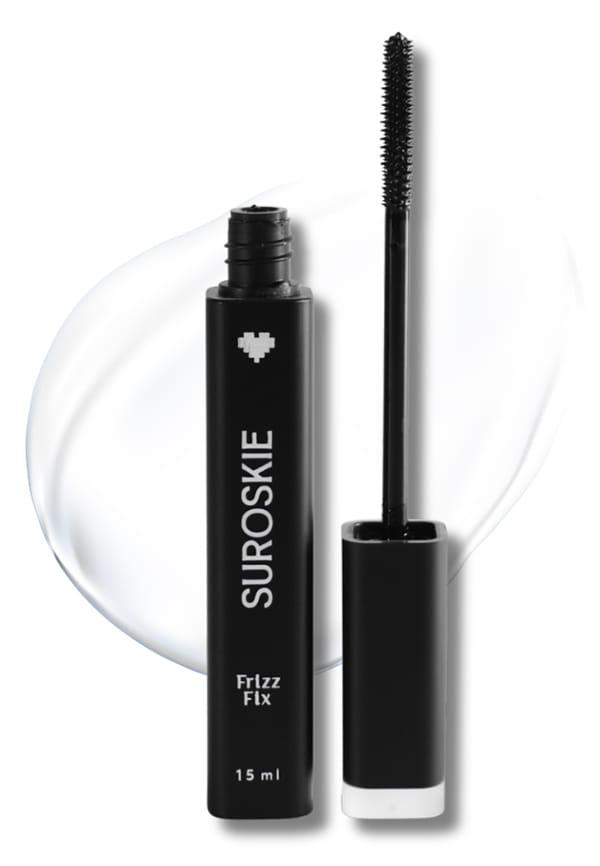 15 ML
15 MLAnti Frizz Hair Stick
If you're dealing with severe frizz, professional smoothing treatments might be worth considering. Keratin treatments can reduce frizz for 3-6 months, while Brazilian blowouts offer temporary smoothing. Always research thoroughly and choose a reputable salon with experience in your hair type.
Your overall health impacts your hair's condition. Staying hydrated, eating a balanced diet rich in omega-3 fatty acids and proteins, and managing stress levels all contribute to healthier, more manageable hair. Sometimes the best anti-frizz strategy starts from the inside out.
Finding the right products for your unique hair needs doesn't have to involve expensive trial and error. Smytten offers curated trial packs from trusted haircare brands, letting you test different anti-frizz formulations before committing to full-size purchases. With options from brands known for their frizz-fighting expertise, you can discover what works for your hair type without the guesswork.
Natural frizz reduction starts with gentle handling and nourishing ingredients. Use coconut oil or aloe vera as leave-in treatments, avoid brushing dry hair, sleep on silk pillowcases, and try air-drying with the plopping method. Consistent deep conditioning with natural ingredients like honey and avocado also helps.
While you can't permanently change your hair's natural texture, you can significantly reduce frizz through consistent care. Focus on maintaining proper moisture balance, using the right products for your hair type, protecting from heat damage, and considering professional smoothing treatments for longer-lasting results.
Curly hair needs extra moisture and gentle handling. Use the "squish to condish" method, apply products to soaking wet hair, never brush when dry, and use a diffuser on low heat. The LOC method (leave-in, oil, cream) works particularly well for defining curls while controlling frizz.
Frizzy hair typically benefits from less frequent washing—2-3 times per week is often ideal. Over-washing can strip natural oils that help control frizz. On non-wash days, refresh your hair with a light mist of water and leave-in conditioner.
While you can't permanently eliminate natural frizz at home, you can dramatically improve manageability through consistent care. Focus on deep conditioning treatments, protective styling, proper product application, and gentle handling techniques for long-term improvement.
Taming frizzy hair isn't about fighting your natural texture—it's about understanding what your hair needs and giving it the right care. The most effective anti frizz hair tips combine proper technique, suitable products, and consistency in your routine.
Remember that finding your perfect frizz-fighting routine might take some experimentation. What works for your friend's hair might not work for yours, and that's completely normal. The key is to be patient with the process and pay attention to how your hair responds to different approaches.
Whether you're dealing with humidity-induced frizz or naturally textured hair that needs extra TLC, the strategies we've covered give you a solid foundation to build from. Start with the basics—gentle cleansing, proper conditioning, and protective styling—then gradually introduce new techniques and products as you learn what your hair loves most. With the right approach and a bit of patience, smooth, manageable hair is absolutely achievable.
