How to Tame Frizzy Hair: Essential Anti Frizz Hair Tips


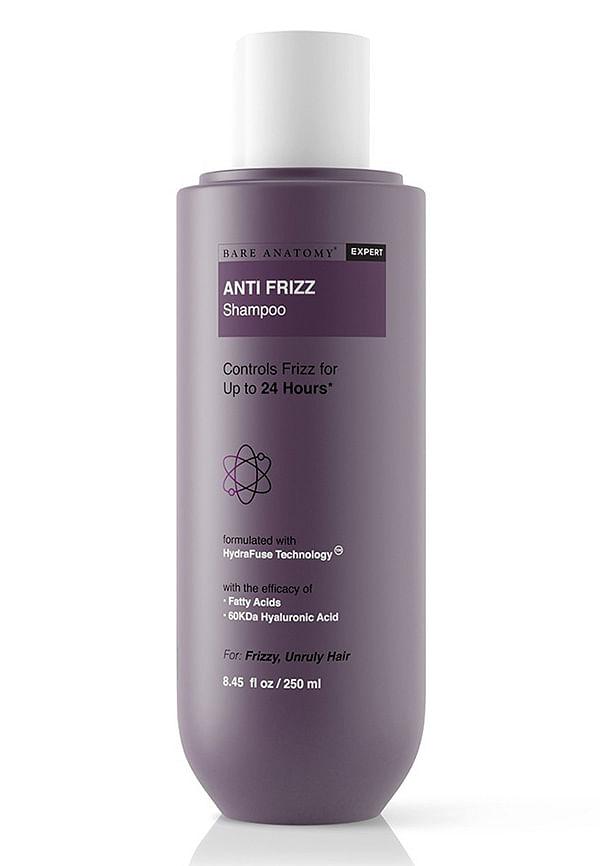 250 ml
Expert Anti-Frizz Shampoo Tames Frizz For Up To 24 Hours
Let's be real—frizzy hair can feel like your worst enemy, especially when humidity hits. One minute your hair looks smooth, the next it's doing its own thing despite all your efforts. But here's the thing: taming frizzy hair isn't about fighting against your natural texture. It's about understanding what your hair needs and giving it exactly that. Whether you're dealing with surface frizz that appears out of nowhere or struggling with humidity hair control, these anti frizz hair tips will help you achieve the smooth, manageable hair you've been dreaming of.
Before diving into frizzy hair solutions, it's worth knowing what you're actually dealing with. Frizz happens when your hair cuticles lift and allow moisture from the air to enter the hair shaft, causing it to swell and create that dreaded fluffy appearance.
The main culprits behind frizz include moisture imbalance, humidity, and damaged cuticles. When your hair lacks proper hydration, it desperately tries to absorb moisture from the environment—which is why humid days can turn even the smoothest blowout into a frizzy mess. Different hair types experience different kinds of frizz too. You might notice surface frizz that sits on top of otherwise smooth hair, halo frizz around your hairline, or frizz that runs through the lengths of your hair.
Hair porosity plays a massive role in how prone your hair is to frizz. High-porosity hair absorbs moisture quickly but also loses it just as fast, making it more susceptible to environmental changes. Low-porosity hair, on the other hand, repels moisture initially but once it's hydrated, it tends to stay that way longer. Understanding your hair's porosity can help you choose the right haircare for frizz that actually works for your specific needs.
Your frizz-fighting journey starts in the shower. The way you wash and condition your hair sets the foundation for everything else you'll do to manage frizzy hair.
Sulfates can strip your hair of natural oils, leaving it dry and more prone to frizz. Look for shampoos with nourishing ingredients like argan oil, coconut oil, or shea butter. When applying shampoo, focus on your scalp rather than the lengths of your hair—the suds will clean your hair as you rinse without over-drying the ends.
Hair hydration is absolutely crucial for taming frizzy hair. Apply a deep conditioning mask from mid-length to ends once a week, leaving it on for at least 10-15 minutes. For daily moisture, use a leave-in conditioner on damp hair, focusing on the areas that tend to get frizzy. The key is to apply products when your hair is still wet—this helps lock in moisture and creates a barrier against humidity.
Hot water might feel relaxing, but it opens up your hair cuticles and strips away natural oils. Stick to lukewarm water for washing, and finish with a cold water rinse to seal the cuticles and add shine. This simple switch can make a noticeable difference in your hair's smoothness and manageability.
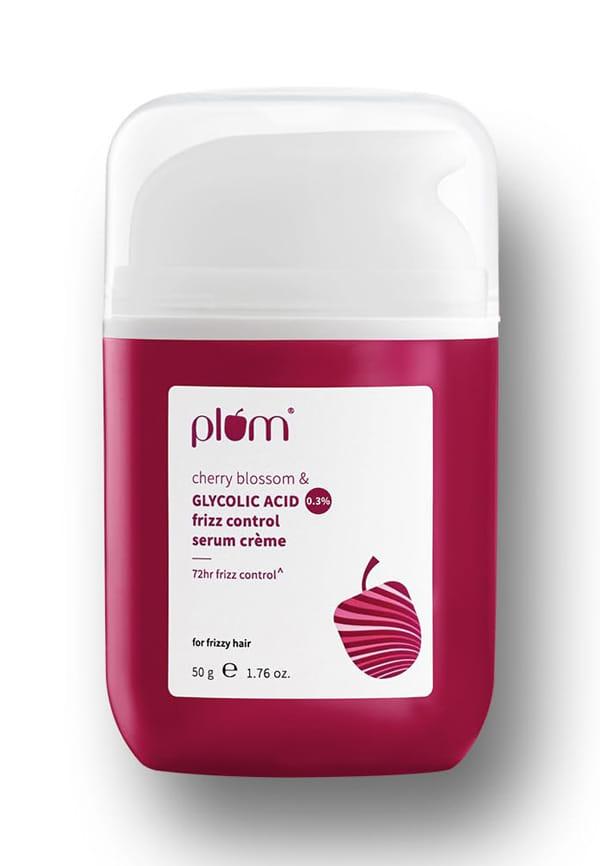 50 gm
50 gmCherry Blossom & 0.3% Glycolic Acid Frizz Control Hair Serum Crème
How you dry your hair can make or break your anti-frizz efforts. Traditional terry cloth towels can rough up your hair cuticles and create more frizz, so it's time to switch up your routine.
Both microfibre towels and cotton t-shirts are gentler on your hair than regular towels. Gently squeeze out excess water rather than rubbing vigorously. The smoother surface reduces friction and helps prevent frizz from forming right after washing.
For curly or wavy hair, try the plopping method—wrap your hair in a cotton t-shirt and let it sit for 10-20 minutes to absorb excess water whilst encouraging your natural curl pattern. If you have straighter hair that gets frizzy, apply a smoothing serum to damp hair and let it air dry naturally. Scrunching techniques work brilliantly for enhancing waves whilst minimising frizz.
Sometimes you need to use heat, and that's perfectly fine. Always apply a heat protectant before blow-drying, and keep the temperature below 185°C. Use a round brush to smooth the hair as you dry, working in sections from roots to ends. Finish with a blast of cool air to seal the cuticles.
When it comes to frizz control methods, you've got options ranging from salon treatments to DIY remedies. Each has its place depending on your budget, time, and hair goals.
Keratin treatments can last 3-4 months and significantly reduce frizz and drying time. Brazilian blowouts offer similar results but work differently—they coat the hair rather than penetrating it. These professional hair smoothing treatments can be game-changers if you're dealing with severely frizzy or damaged hair, but they do require an investment of both time and money.
Apple cider vinegar rinses can help smooth the hair cuticle and add shine—mix one part ACV with three parts water and use it as a final rinse once a week. Coconut oil and argan oil treatments work brilliantly for overnight hydration. Apply a small amount to the mid-lengths and ends before bed, then shampoo out in the morning.
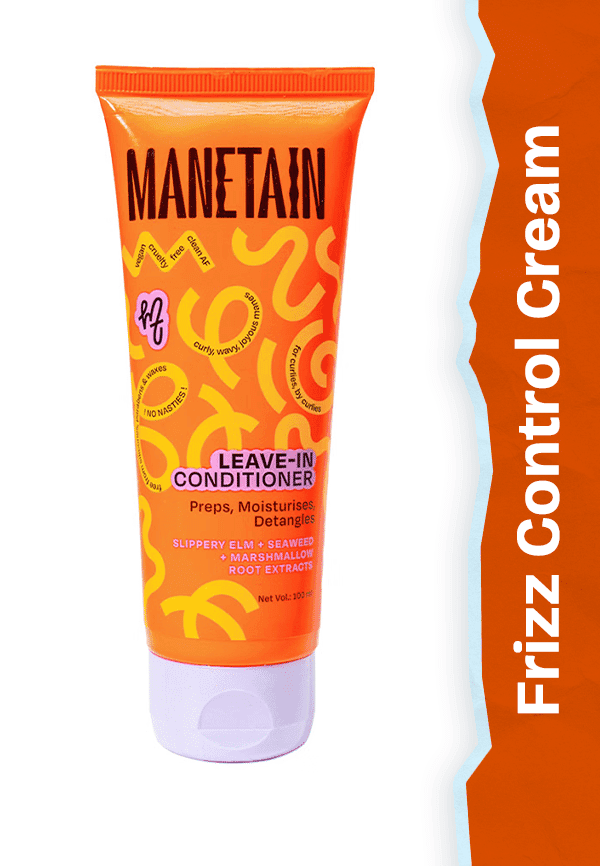 100Ml
100MlFrizz Control Leave-In conditioner
Serums work best on damp hair and provide heat protection, whilst oils are perfect for dry hair touch-ups and overnight treatments. Anti-humidity sprays create a protective barrier against moisture in the air—apply them as the final step in your styling routine for maximum effectiveness.
We've all been there—you're running late and your hair decides to have a frizzy moment. These smooth hair tips will sort you out in minutes.
A tiny amount of argan oil warmed between your palms and gently pressed over frizzy areas can work wonders. For more targeted control, apply a small amount of serum to a clean spoolie brush and gently smooth over problem areas. You can also spray hairspray onto your hands and lightly smooth over frizzy sections—just make sure your hands are clean first.
Keep travel-sized anti-frizz products in your bag for emergency touch-ups. A small bottle of leave-in conditioner or smoothing serum can be a lifesaver. If you're caught without products, slightly damp hands can help smooth minor frizz—just don't overdo it or you'll create more problems.
Real frizz control isn't just about quick fixes—it's about creating a routine that keeps your hair healthy and manageable long-term. These strategies focus on preventing frizz before it starts.
Silk or satin pillowcases reduce friction whilst you sleep, helping prevent frizz and breakage. Try sleeping with your hair in a loose plait or a silk scrunchie to keep it contained without creating kinks. For extra hydration, apply a small amount of hair oil to the ends before bed—your hair will thank you in the morning.
Always use a wide-tooth comb on wet hair to prevent breakage and frizz. When your hair is dry, opt for a boar bristle brush which distributes natural oils and smooths the cuticle. Limit heat styling to 2-3 times per week maximum, and always use protection when you do style with heat.
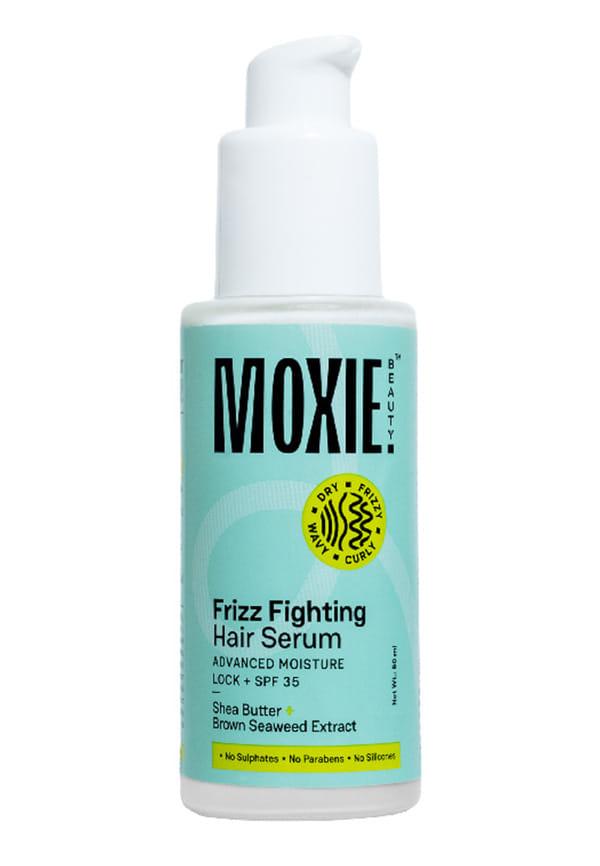 50ml
50mlFrizz Fighting Hair Serum For Dry and Frizzy Hair
Regular trims every 6-8 weeks prevent split ends from travelling up the hair shaft and causing more frizz. Weekly deep conditioning treatments keep your hair properly hydrated, whilst monthly clarifying treatments remove product buildup that can weigh hair down and make it look dull.
Finding the right products for your specific hair needs doesn't have to involve expensive trial and error. Smytten offers curated trial packs from trusted haircare brands, letting you test different anti-frizz products before committing to full sizes. With over 1,500 brands available and the ability to try up to 8 minis for just ₹249, you can discover what works for your hair without the usual financial risk.
Use anti-humidity products as your final styling step, avoid touching your hair throughout the day, and keep a small amount of smoothing serum handy for touch-ups. Environmental factors like air conditioning and wind can also contribute to frizz, so try to minimise exposure when possible.
For immediate results, apply a small amount of argan oil or smoothing serum to damp or dry hair, focusing on the frizzy areas. The serum and spoolie brush method works particularly well for targeted frizz control. These techniques can smooth frizz in under 5 minutes.
Whilst there's no permanent cure for frizz, consistent hair hydration, regular trims, and protective styling can significantly reduce it long-term. Professional treatments like keratin can provide semi-permanent smoothing for 3-4 months, but maintaining healthy hair habits is key to lasting results.
The quickest method is applying a tiny amount of hair oil or serum to your palms, rubbing them together, and gently pressing over frizzy areas. Avoid rubbing or scrunching, which can create more frizz. For stubborn areas, use a clean spoolie brush with a small amount of product.
Absolutely! DIY treatments like apple cider vinegar rinses, coconut oil masks, and proper drying techniques can significantly improve frizz. The key is consistency with your routine and using the right products for your hair type. Many effective anti-frizz products are available at reasonable prices.
Taming frizzy hair isn't about completely changing your hair's natural texture—it's about working with what you've got and giving your hair the care it needs to look its best. The most effective anti frizz hair tips combine proper hydration, gentle handling, and the right products for your specific hair type.
Remember, what works for your friend might not work for you, and that's completely normal. Hair is incredibly individual, and finding your perfect routine might take some experimentation. With Smytten's trial platform, you can explore different frizzy hair solutions from over 1,500 trusted brands without the commitment of full-size purchases. Whether you're looking for humidity hair control products, deep conditioning treatments, or styling serums, you can try before you buy and discover what truly works for your hair. After all, why settle for maybe when you can Try It All and find your perfect frizz-fighting routine?
