How to Tackle Dandruff with DIY Natural Remedies

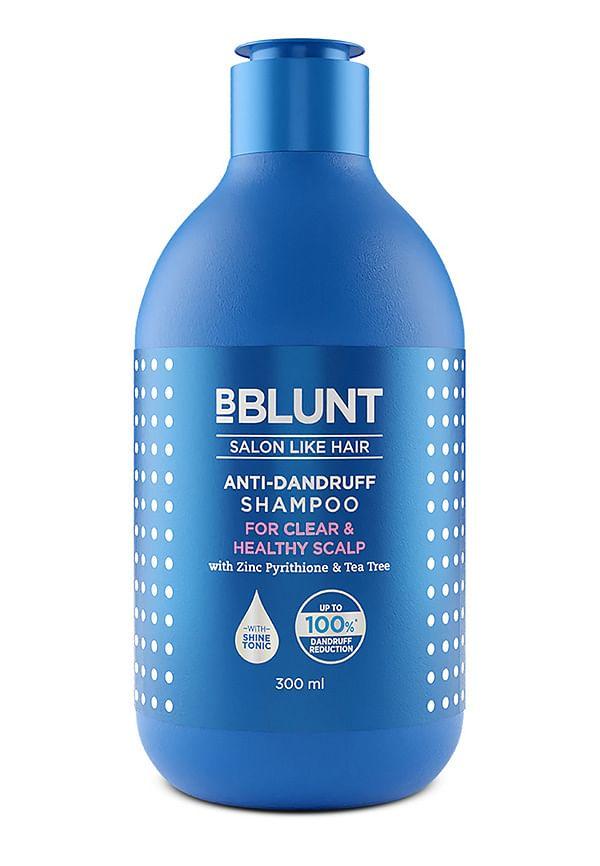 300 ml
Anti-Dandruff Shampoo For a Clear & Healthy Scalp
Let's be real—dandruff is one of those annoying scalp issues that shows up at the worst possible times. Whether it's those white flakes on your favourite black top or that constant itchy feeling that makes you want to scratch your head in public, dealing with dandruff can be proper frustrating. But here's the thing: you don't need to spend loads on fancy treatments when your kitchen probably has everything you need for effective DIY dandruff remedies. Natural ingredients have been tackling flaky scalps for centuries, and they're often gentler on your hair than harsh chemical treatments. Ready to discover some game-changing home remedies for dandruff that actually work?
Before diving into the good stuff, let's chat about what's actually happening on your scalp. Dandruff isn't just dry skin—it's usually caused by an overgrowth of a yeast-like fungus called Malassezia, which feeds on the oils your scalp produces. This creates inflammation, speeds up skin cell turnover, and voilà—you've got those pesky flakes.
Here's why natural dandruff remedies can be brilliant for scalp care. Many DIY treatments work by balancing your scalp's pH, reducing inflammation, and gently exfoliating dead skin cells without stripping away essential oils. Unlike some commercial products that can be quite harsh, natural ingredients tend to be more forgiving whilst still being effective.
Natural dandruff treatment options often contain antifungal, anti-inflammatory, and exfoliating properties. Tea tree oil, for instance, has proven antifungal effects, whilst apple cider vinegar helps restore your scalp's natural pH balance. These ingredients work with your scalp's natural processes rather than against them.
Myth: Dandruff means you don't wash your hair enough. Truth: Over-washing can actually make it worse by irritating your scalp. Myth: Only people with oily hair get dandruff. Truth: Both oily and dry scalps can develop flakes, just for different reasons.
Right, let's get to the good bit—the actual remedies that'll help you tackle that flaky situation. I've organised these by how quickly you might see results, so you can pick what works best for your timeline and needs.
Apple Cider Vinegar Rinse: Mix two tablespoons of apple cider vinegar with a cup of water. After shampooing, pour this mixture over your scalp, massage gently, and rinse after five minutes. The acidity helps balance your scalp's pH and reduces fungal growth.
Tea Tree Oil Treatment: Add three drops of tea tree oil to your regular shampoo or mix with a tablespoon of coconut oil. This powerful antifungal remedy can provide quick relief from itchy scalp remedies and reduce flakes significantly.
Baking Soda Scrub: Create a paste with three tablespoons of baking soda and one tablespoon of water. Gently massage into wet scalp for two minutes, then rinse thoroughly. This works as one of the most effective flaky scalp remedies for immediate exfoliation.
Lemon Juice and Coconut Oil Mask: Combine two tablespoons of fresh lemon juice with three tablespoons of coconut oil. Apply to scalp, leave overnight, and wash out in the morning. The citric acid fights fungus whilst coconut oil moisturises.
Aloe Vera and Honey Mask: Mix three tablespoons of fresh aloe vera gel with one tablespoon of honey. This combination is brilliant for dry scalp treatment as it soothes inflammation whilst providing antimicrobial benefits.
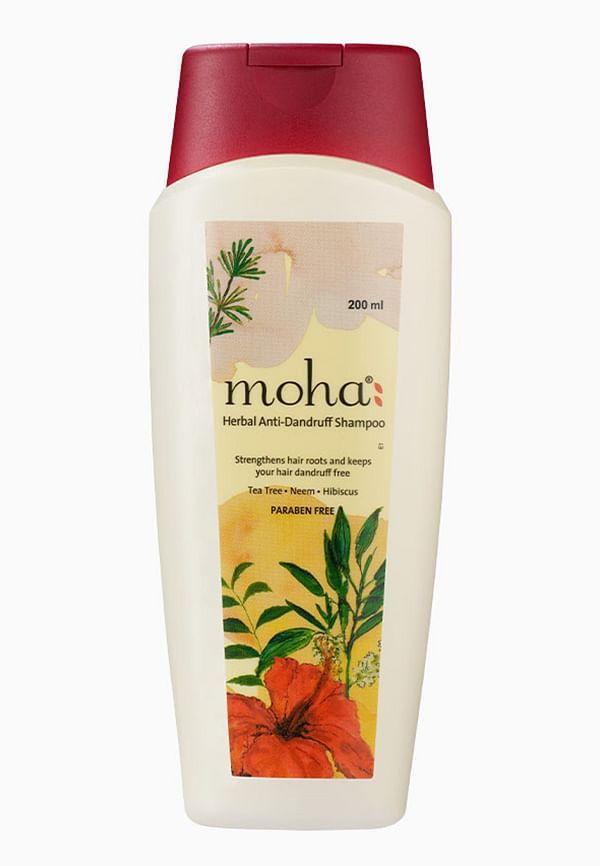 200 ml
Herbal Anti Dandruff Shampoo
Neem Leaves Paste: Grind fresh neem leaves with a little water to form a paste. Apply to scalp for 30 minutes before washing. Neem's antifungal properties make it a traditional favourite for persistent dandruff.
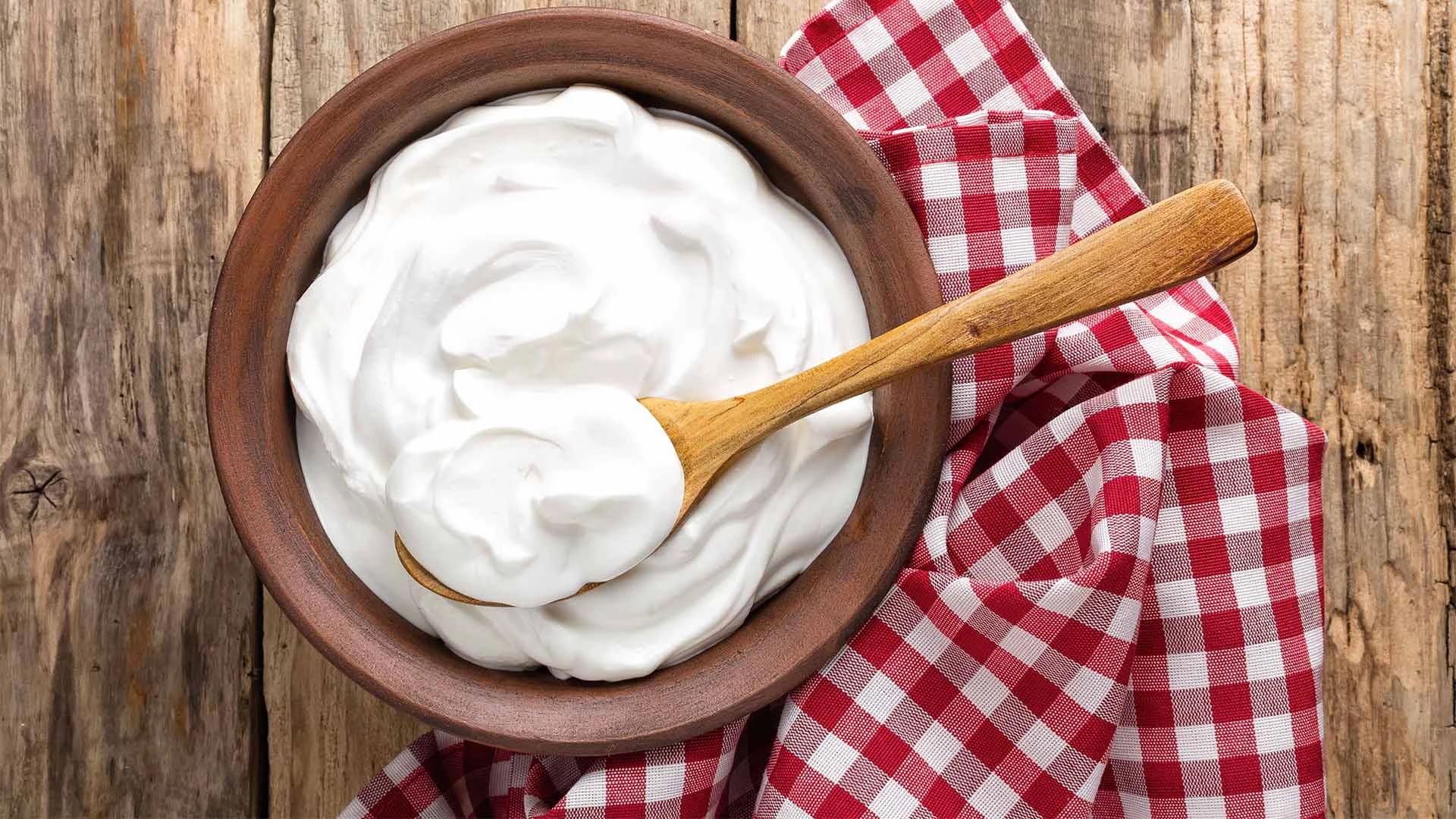
Oatmeal and Yogurt Treatment: Blend half a cup of oats with three tablespoons of plain yogurt. The oats gently exfoliate whilst yogurt's probiotics help balance scalp bacteria.
Fenugreek Seed Paste: Soak two tablespoons of fenugreek seeds overnight, then grind into a paste. Rich in proteins and antifungal compounds, this remedy nourishes whilst treating dandruff.
Olive Oil Hot Treatment: Warm three tablespoons of olive oil and massage into scalp. Leave for an hour before washing. Perfect for ongoing scalp care and preventing dryness.
Tulsi (Holy Basil) Hair Mask: Grind fresh tulsi leaves with water to make a paste. Its anti-inflammatory properties help maintain scalp health between treatments.
Green Tea Rinse: Brew strong green tea, let it cool, and use as a final rinse after shampooing. The antioxidants protect your scalp from environmental damage.
Aspirin Paste: Crush two aspirin tablets and mix with a little water. The salicylic acid provides gentle exfoliation similar to commercial treatments.
Getting the most from your DIY dandruff remedies is all about proper application and timing. Here's how to make sure you're doing it right for the best dandruff solutions.
Start with clean, damp hair for most treatments—this helps the ingredients penetrate better. Always do a patch test 24 hours before trying any new remedy, especially if you have sensitive skin. Apply treatments to your scalp, not just your hair, and use gentle circular motions when massaging.
For quick-acting remedies, start with twice-weekly applications. Deep treatments work best as weekly sessions, whilst maintenance remedies can be used 2-3 times per week. Don't overdo it—more isn't always better with natural treatments.
You can alternate different treatments, but avoid mixing acidic ingredients (like lemon juice) with alkaline ones (like baking soda) in the same session. Space different treatments at least 48 hours apart when starting out.
Not everyone's scalp situation is the same, and certain life stages or conditions require extra care when choosing natural dandruff remedies. Let's chat about some specific scenarios you might find yourself in.
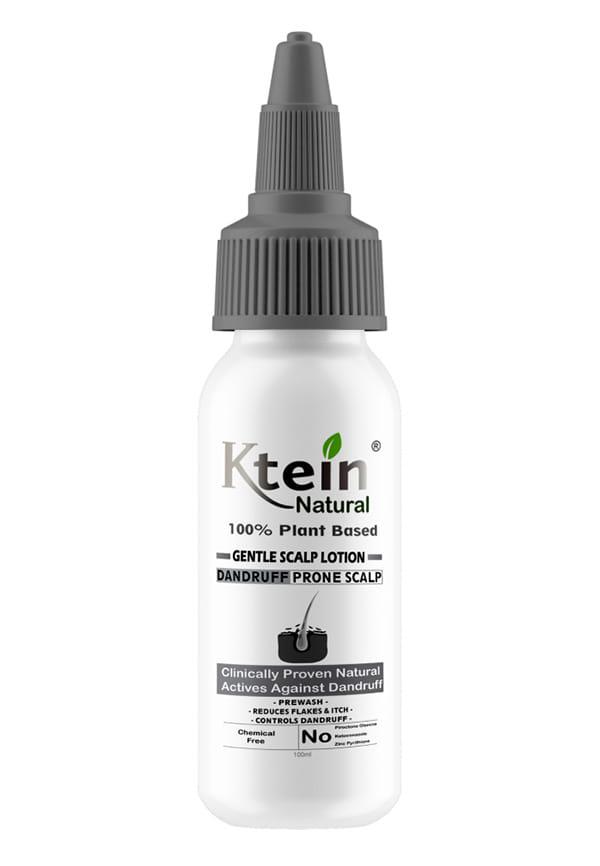 60 ml
60 mlNatural 100% Plant Based Gentle Scalp Lotion Dandruff Prone Scalp
Pregnancy can actually trigger dandruff due to hormonal changes, but you'll want to stick to gentler options. Oatmeal masks, plain yogurt treatments, and diluted apple cider vinegar rinses are generally safe choices. Avoid essential oils like tea tree oil during pregnancy, and always check with your healthcare provider first.
Children's scalps are more sensitive, so gentle is the way to go. Coconut oil massages, mild oatmeal treatments, and very diluted apple cider vinegar rinses work well. Always supervise application and rinse thoroughly to avoid any irritation.
Real talk—whilst these home remedies for dandruff are brilliant, lasting results come from consistency and understanding your scalp's unique needs. Creating a sustainable routine is key to keeping those flakes at bay for good.
Start by identifying your triggers. Stress, certain foods, harsh weather, or overwashing can all contribute to dandruff flare-ups. Once you know what sets off your scalp, you can adjust your haircare tips accordingly.
Choose 2-3 remedies that work well for you and rotate them weekly. This prevents your scalp from getting too used to one treatment. Keep a simple diary of what you use and how your scalp responds—this helps you fine-tune your approach.
Your diet plays a bigger role than you might think. Zinc, B vitamins, and omega-3 fatty acids all support scalp health. Stay hydrated, manage stress levels, and get enough sleep—your scalp will thank you for it.
Speaking of discovering what works for your unique needs, platforms like Smytten make it easier to explore different haircare products without the commitment of full-size purchases. With curated trial packs from trusted brands, you can test various dandruff treatment options alongside your DIY remedies to find your perfect scalp care routine.
Sometimes even the best DIY dandruff remedies don't work as expected, and that's completely normal. Here's how to navigate the bumps in your natural treatment journey.
If you're not seeing results after 3-4 weeks of consistent use, it might be time to switch up your approach. Different types of dandruff respond to different treatments, so what works for your mate might not work for you.
Increased redness, burning, or worsening flakes are signs to stop your current treatment immediately. Sometimes your scalp needs a break from active treatments—try gentle coconut oil massages for a week before introducing new remedies.
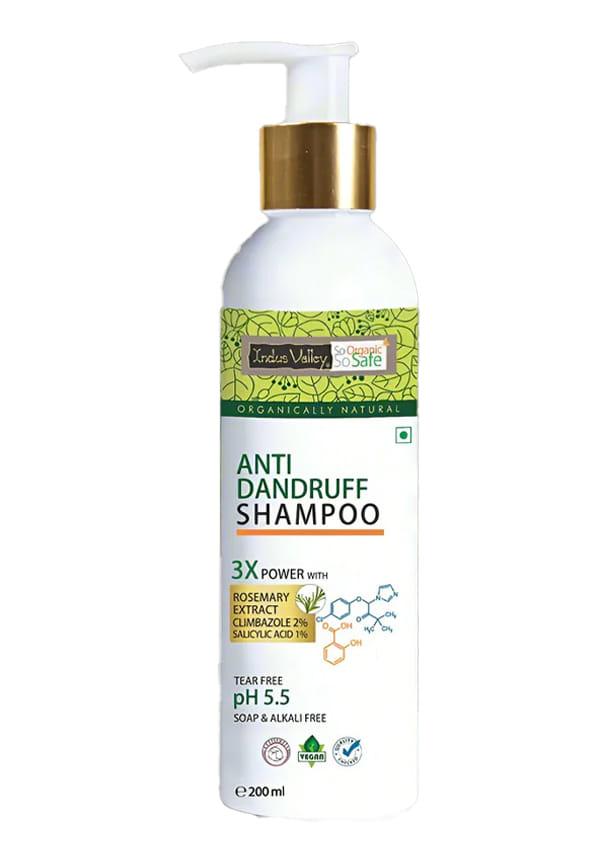 200 ml
Anti Dandruff Shampoo
Always patch test new ingredients on your inner arm 24 hours before scalp application. If you have known allergies to certain foods, avoid using them topically as well. When in doubt, start with the mildest treatments first.
The fastest DIY approach combines apple cider vinegar with tea tree oil. Mix two tablespoons ACV with three drops tea tree oil, massage into scalp, leave for 15 minutes, then rinse thoroughly. You might see improvement after just one use.
Whilst complete removal takes time, baking soda paste (three tablespoons baking soda plus one tablespoon water) applied for 10 minutes can dramatically reduce visible flakes in one treatment. Follow with a gentle moisturising treatment.
Absolutely, but start with gentler options like oatmeal masks or diluted aloe vera. Always patch test 24 hours before full application, and avoid acidic treatments like lemon juice if your scalp is already irritated.
Begin with 2-3 times per week for active treatments, then adjust based on results. Maintenance typically requires 1-2 weekly treatments once your dandruff is under control.
Most are safe, but avoid lemon juice and apple cider vinegar on recently coloured hair as they can fade colour. Opt for oil-based treatments like coconut or olive oil instead.
If you've tried multiple remedies consistently for 6-8 weeks without improvement, it might be time to consult a dermatologist. Sometimes underlying conditions require professional treatment alongside natural remedies.
Tackling dandruff with DIY dandruff remedies can be incredibly effective when you find the right combination for your scalp. The key is patience, consistency, and listening to what your scalp is telling you. Remember, what works brilliantly for one person might not be your cup of tea, and that's perfectly fine.
Start with one or two gentle remedies and give them time to work. Your scalp didn't develop dandruff overnight, so it won't disappear overnight either. But with the right natural approach and a bit of persistence, you can definitely get those flakes under control.
Whether you're exploring natural solutions or looking to complement them with tried-and-tested products, having options makes all the difference. That's where Smytten comes in handy—with trial packs from over 1,500 trusted brands, you can discover what works for your unique haircare needs without the commitment of full-size purchases. After all, why settle for 'maybe' when you can try it all and find what actually works for your scalp?
