How to Stop Hair Thinning for Women Naturally

 90 N
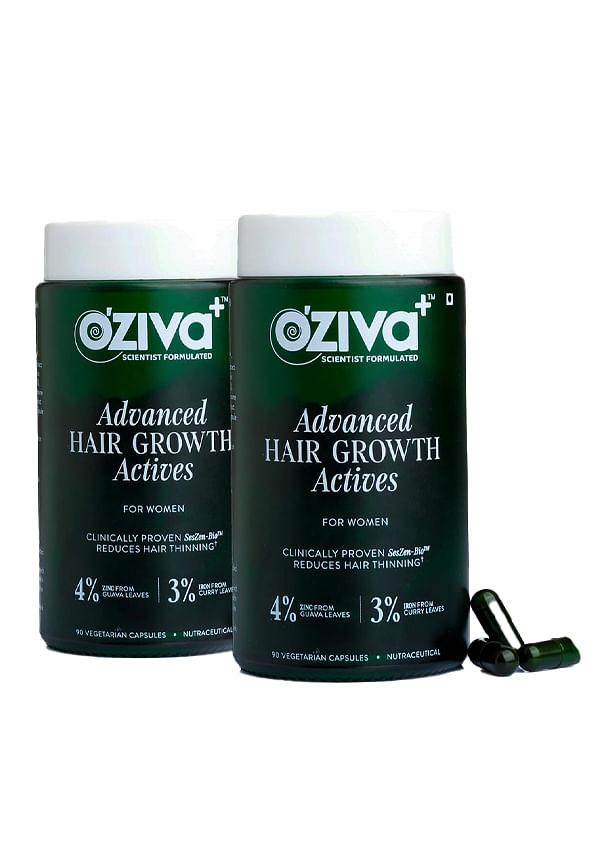
90 NAdvanced Hair Growth Actives | Anti-Thinning Hair Formula for Women
Let's be real—watching your hair get thinner is properly stressful. Whether you're noticing more strands on your pillow or your ponytail feels way smaller than it used to, hair thinning for women is more common than you might think. The good news? There are loads of natural ways to tackle this without diving straight into harsh treatments. From understanding what's actually causing your hair to thin out to discovering gentle solutions that work with your body, we're about to break down everything you need to know about getting your hair back to its happy, healthy self.
Before we jump into solutions, it's worth understanding what's actually going on up there. Hair loss women experience isn't always the same as what happens to men—it's often more subtle and spreads differently across the scalp.
Your hair goes through a natural growth cycle that includes growing, resting, and shedding phases. When this cycle gets disrupted, you might notice your hair density starting to decrease. Hair thinning happens when individual strands become finer and weaker, whilst hair loss involves actual shedding of hair from the follicles. Think of it like this—thinning is when your hair becomes whisper-fine, whilst hair loss is when there's literally less hair on your head.
Understanding what's behind your thinning hair is half the battle. Here are the main female hair thinning causes that might be affecting you:
Androgenetic alopecia (female pattern baldness) - This genetic condition affects up to 40% of women and usually shows up as thinning around the crown and temples
Hormonal imbalances from thyroid issues, menopause, or PCOS can seriously mess with your hair growth cycle
Nutritional deficiencies, especially iron, biotin, and protein, leave your hair follicles struggling
Chronic stress and lifestyle factors that keep your body in constant fight-or-flight mode
Certain medications and medical conditions that interfere with normal hair growth
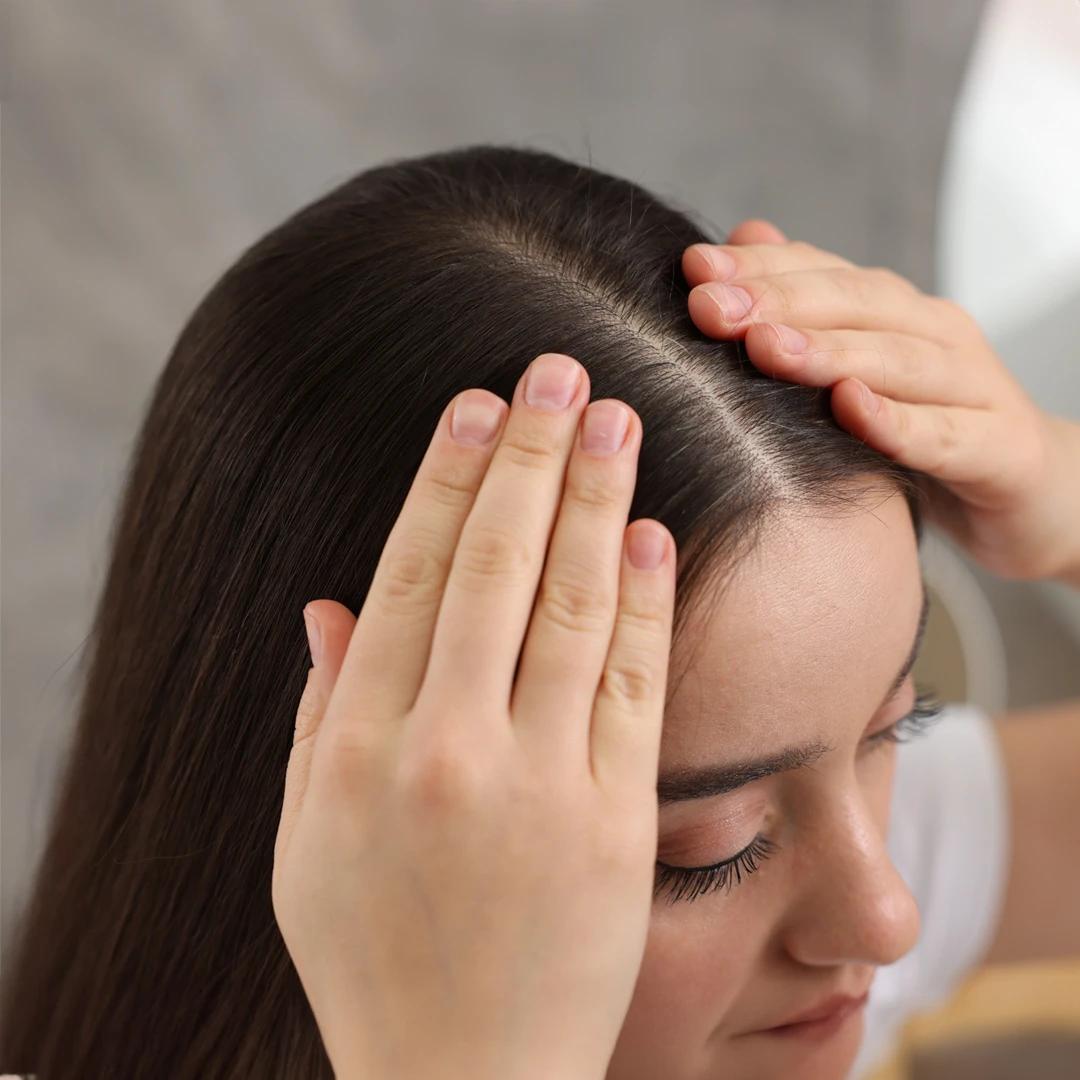
Spotting the signs early can make a huge difference in how well treatments work. Keep an eye out for increased hair on your pillow or in the shower drain, visible scalp showing through your hair, or that feeling like your ponytail has shrunk. These aren't things to panic about, but they're definitely worth paying attention to.
Hormones play a massive role in hair health, and when they're out of whack, your hair is often the first to show it. Understanding this connection can help you tackle the root cause rather than just the symptoms.
Dihydrotestosterone (DHT) is the main hormone behind androgenetic alopecia in women. This hormone can shrink hair follicles, making them produce thinner, weaker strands before eventually stopping hair production altogether. Whilst men typically see a receding hairline, women usually notice diffuse thinning across the top of the head. If you've got a family history of hair thinning, you might be more susceptible to DHT sensitivity.
DHT isn't the only hormone that can affect your hair. Oestrogen fluctuations during menopause can leave your hair feeling thinner and more fragile. Thyroid hormones control your metabolism, including how fast your hair grows, so both overactive and underactive thyroid can cause issues. Even insulin resistance can affect hair health by disrupting nutrient delivery to your follicles.
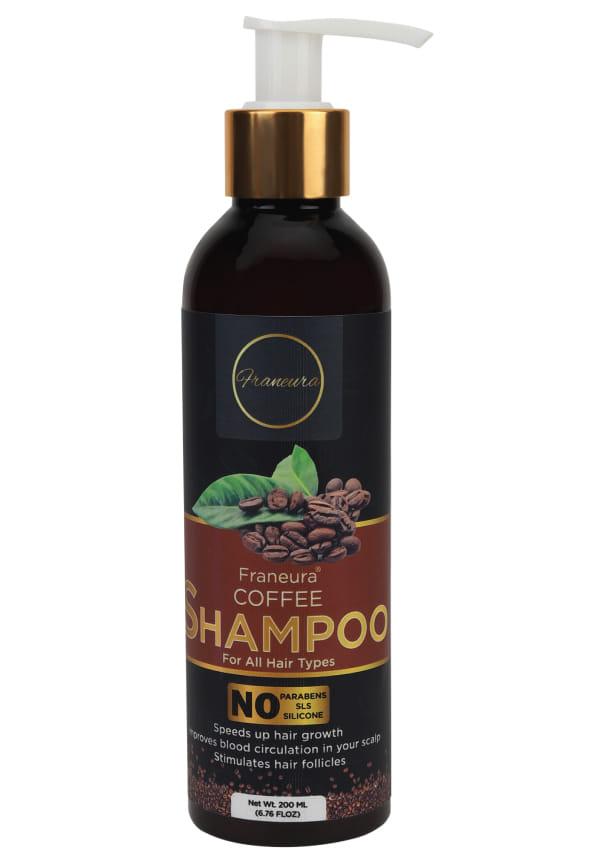 200 ml
Daily Use Natural Coffee Shampoo - Revitalize and Strengthen Hair
Supporting your hormones naturally can make a real difference to your hair health. Focus on eating plenty of healthy fats, lean proteins, and complex carbs to give your body the building blocks it needs. Managing stress through meditation, yoga, or whatever works for you helps keep cortisol levels in check. Getting quality sleep is crucial too—your body produces most of its growth hormones whilst you're sleeping.
Now for the good stuff—actual thinning hair treatment options that work with your body's natural processes. These approaches focus on creating the best possible environment for healthy hair growth.
Your scalp health is the foundation of everything else. A healthy scalp means better blood flow to your hair follicles, which means better nutrient delivery. Try gentle scalp massages with your fingertips for about five minutes daily—this simple step can boost circulation significantly. Essential oils like rosemary and peppermint have been shown to stimulate hair growth when massaged into the scalp. Just remember to dilute them with a carrier oil first.
What you eat directly affects your hair health. Your hair follicles are some of the most active cells in your body, so they need proper fuel to function well:
Biotin and zinc support keratin production, which is what your hair is made of
Iron deficiency is one of the most common causes of hair thinning in women—get your levels checked
Vitamin D helps create new hair follicles, and many of us are deficient without realising it
Protein provides the building blocks for hair growth—aim for about 1.2-1.6 grams per kilogram of body weight daily
Anti-inflammatory foods like fatty fish, leafy greens, and berries support overall hair health
DIY treatments can be surprisingly effective for supporting hair growth. Rice water rinses have been used for centuries and contain amino acids that can strengthen hair. Green tea applied to the scalp provides antioxidants that may help block DHT. Aloe vera gel can soothe scalp irritation and create a healthy environment for growth.
Sometimes the most effective hair growth tips are the simplest ones. Small changes to your daily routine can add up to significant improvements in your hair health over time.
Being gentle with thinning hair is crucial to prevent further hair breakage. Wash your hair every other day or every few days rather than daily—over-washing can strip natural oils that protect your hair. When you do wash, use lukewarm water and be gentle when massaging your scalp. Avoid tight hairstyles that pull on your hair, and consider sleeping on a silk pillowcase to reduce friction whilst you sleep.
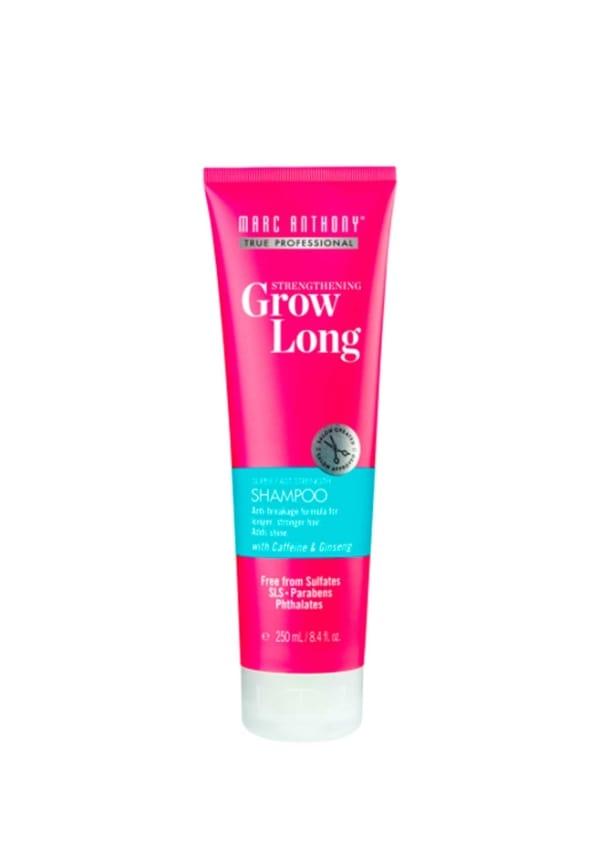 250 ml
Strengthening Grow Long Shampoo
Chronic stress can push hair follicles into the resting phase prematurely, leading to increased shedding and thinning. Finding ways to manage stress isn't just good for your mental health—it's essential for your hair too. Regular exercise improves circulation to your scalp, whilst activities like meditation or deep breathing can help keep stress hormones in check. Even something as simple as taking a few minutes each day to do something you enjoy can make a difference.
Your environment affects your hair more than you might think. UV rays can damage both your hair and scalp, so consider wearing a hat or using UV protection products when you're outside for extended periods. Hard water can leave mineral deposits that weigh hair down and make it look thinner, so you might want to consider a water filter if this is an issue in your area.
When you're dealing with thinning hair, the right products can make a noticeable difference in how full and healthy your hair looks and feels. The key is knowing what ingredients actually work and which ones are just marketing hype.
Caffeine isn't just for your morning coffee—when applied topically, it can stimulate blood flow to hair follicles. Saw palmetto is a natural DHT blocker that may help slow hair thinning. Peptides can help strengthen hair follicles and improve overall hair health. Look for volume boosting hair products that contain these ingredients rather than harsh chemicals that might irritate your scalp.
You don't need expensive treatments to give your hair some extra oomph. Rice water, made by soaking rice in water for about 30 minutes, contains inositol, which can help repair damaged hair and add volume. Green tea can be cooled and used as a final rinse after washing—it's packed with antioxidants that support scalp health. Even something as simple as an egg mask can provide protein that temporarily plumps up hair strands.
Not all thinning hair is the same, so your product choices should reflect your specific situation. If you have fine hair that's also thinning, you'll want lightweight formulas that won't weigh your hair down. If your scalp is sensitive, look for gentle, fragrance-free options. This is where platforms like Smytten come in handy—you can try mini versions of different products to see what works for your hair without committing to full-size purchases that might not suit you.
Sometimes DIY approaches need a bit of professional backup. There are several natural-leaning professional treatments that can complement your at-home routine effectively.
Platelet-rich plasma (PRP) therapy uses your own blood to stimulate hair growth—it's about as natural as professional treatments get. Microneedling can improve product absorption and stimulate circulation. Professional scalp treatments can deep-clean and nourish your scalp in ways that home treatments can't quite match. Working with a nutritionist who understands hair health can help you identify and address any dietary gaps that might be affecting your hair.
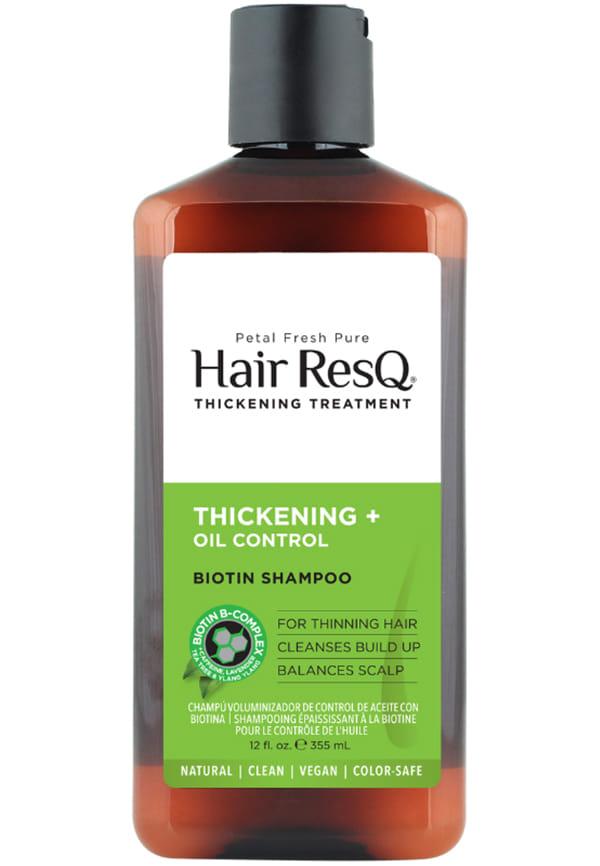 355 ml
Hair ResQ Thickening Shampoo Oil Control
Whilst natural approaches work brilliantly for many people, there are times when you need professional medical help. Sudden, severe hair loss, patchy bald spots, scalp irritation or inflammation, or hair loss that doesn't respond to natural treatments after several months are all signs that you should see a healthcare provider. Don't feel like you've failed if natural methods aren't enough—sometimes you need a combination approach.
The best hair thinning solutions often combine natural and medical approaches. Your doctor might prescribe medication whilst you continue with scalp massages, good nutrition, and stress management. This integrated approach often gives the best results because you're addressing the problem from multiple angles.
Many women see significant improvement with natural approaches, especially when the thinning is caught early. Success depends on the underlying cause—hormonal and nutritional causes often respond well to natural treatments, whilst genetic factors might need additional support. Most people start seeing results within 3-6 months of consistent natural treatment.
Hair thinning means individual strands become finer and weaker, whilst hair loss involves actual shedding from the follicles. Thinning often happens gradually and affects hair density across the scalp, whereas hair loss can be more patchy or concentrated in specific areas.
Biotin, iron, vitamin D, and zinc are the most important for hair health. B-complex vitamins support overall hair growth, whilst vitamin C helps with iron absorption. Always check with your doctor before starting supplements, as some can interact with medications or cause issues if you take too much.
Hair growth is naturally slow, so patience is key. Most people start noticing less shedding within 4-6 weeks, whilst new growth typically becomes visible after 3-4 months. Full results from natural treatments usually take 6-12 months of consistent effort.
Absolutely. Chronic stress can push hair follicles into the resting phase prematurely, leading to increased shedding and thinning. The good news is that stress-related hair thinning is often reversible once you get your stress levels under control.
Dealing with hair thinning can feel overwhelming, but remember that you've got loads of natural options to explore. The key is being consistent with whatever approach you choose and giving it time to work—hair growth is a slow process, but the results are worth the wait.
Whether you're trying DIY scalp treatments, adjusting your diet, or exploring professional natural therapies, the most important thing is finding what works for your specific situation. And here's where trying before buying becomes your best friend. Smytten's trial packs let you test different haircare products without the commitment of full-size purchases. With over 1,500 trusted brands available, you can explore various natural hair treatments and volume-boosting products to find your perfect match. After all, why settle for 'maybe' when you can try it all and discover what actually works for your hair?
