How to Stop Hair Fall: Effective Solutions for Women

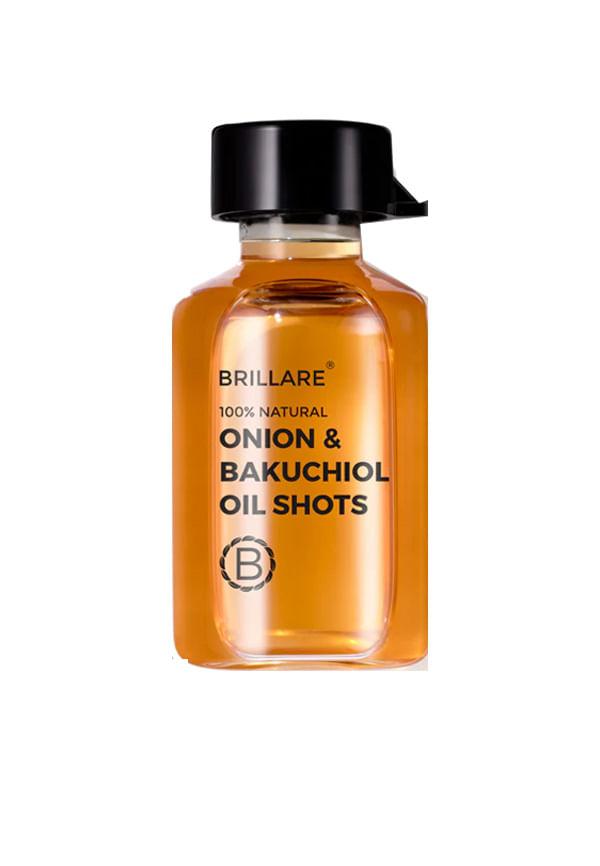 8*6 ml
Onion & Bakuchiol Oil Shots For Hair Fall Reduction
Let's be real—watching your hair fall out in clumps during your morning shower is nobody's idea of a good time. If you've been finding more strands on your pillow or noticing your ponytail getting thinner, you're definitely not alone. Hair fall affects millions of women across India, and while it can feel overwhelming, the good news is that there are proven hair fall solutions for women that actually work. From understanding what's causing your hair to thin to discovering the right products and treatments, we're about to dive into everything you need to know to get your locks back on track.
Before jumping into solutions, it's worth understanding why your hair might be staging this dramatic exit. Hair fall causes women experience can range from the obvious to the surprisingly sneaky. Your hair goes through natural growth cycles, and losing 50-100 strands daily is totally normal. But when that number starts climbing, it's time to investigate.
Hormonal changes top the list of culprits. Whether it's pregnancy, postpartum recovery, menopause, or conditions like PCOS, your hormones can seriously mess with your hair's growth cycle. Female pattern baldness, which affects about 30% of women by age 30, is largely genetic and hormone-driven.
Nutritional gaps also play a huge role. Iron deficiency is particularly common among women and can lead to significant hair thinning. Protein deficiency, low vitamin D, and insufficient B vitamins can all contribute to weakened hair follicles.
Stress—both physical and emotional—can push hair follicles into a resting phase, leading to increased shedding. Medical conditions like thyroid disorders, autoimmune diseases, and certain medications can also trigger hair loss.
Your hair usually gives you hints before things get serious. Keep an eye out for increased hair in your shower drain, on your brush, or scattered around your living space. You might notice your scalp becoming more visible through your hair, especially around the crown or parting line.
Changes in hair texture—like strands becoming finer or more brittle—can also signal trouble ahead. If your usual hairstyles aren't holding the same volume or your ponytail feels noticeably thinner, it's time to take action.
Now for the good stuff—hair loss treatment women can rely on to see real results. The key is finding the right approach for your specific situation, which might involve a combination of treatments.
Minoxidil is the gold standard for female hair loss treatment. This FDA-approved topical solution helps stimulate hair follicles and can slow down hair loss while promoting regrowth. It's available in 2% and 5% concentrations, though women typically start with the lower strength.
For hormonal hair loss, your doctor might recommend anti-androgen medications or hormonal therapies. These work by blocking the hormones that contribute to hair follicle shrinkage.
Professional treatments like platelet-rich plasma (PRP) therapy and low-level laser therapy are gaining popularity. PRP involves injecting your own processed blood platelets into the scalp to stimulate growth, while laser therapy uses specific wavelengths to energise follicles.
Essential oils like rosemary and peppermint have shown promising results in studies. Rosemary oil, in particular, performed as well as minoxidil in one study when used consistently over six months.
Scalp massage isn't just relaxing—it can actually help. Regular massage increases blood flow to hair follicles and may help with thinning hair remedies. Try massaging your scalp for 5-10 minutes daily using gentle circular motions.
DIY hair masks using ingredients like eggs, yoghurt, and honey can provide protein and moisture to strengthen existing hair. While they won't regrow lost hair, they can help prevent further breakage.
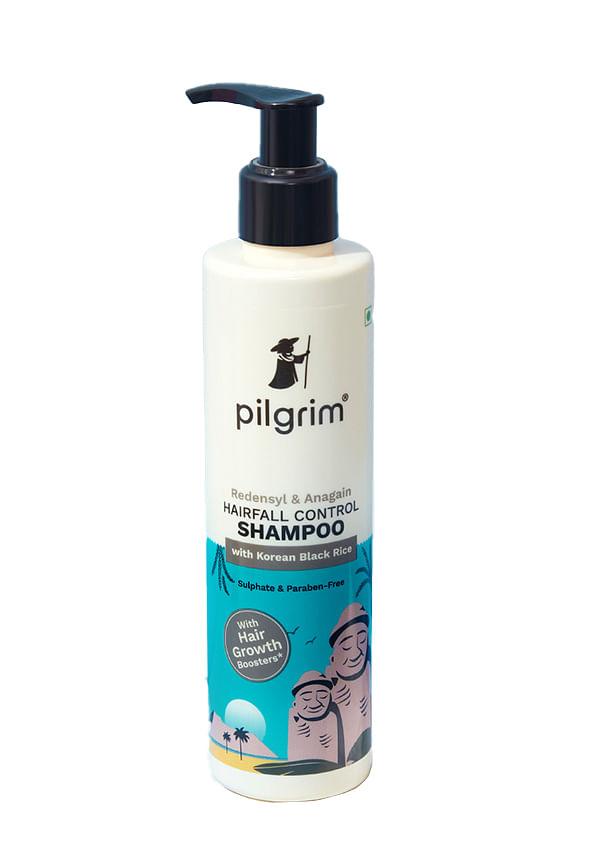 200 ml
Redensyl & Anagain Hairfall Control Shampoo
The hair growth products market is absolutely massive, but not everything lives up to its promises. Knowing which ingredients actually work can save you time, money, and disappointment.
Biotin and B-complex vitamins are essential for healthy hair growth. While deficiency is relatively rare, supplementation can help if you're not getting enough from your diet.
Caffeine-infused products work by blocking DHT (the hormone responsible for hair follicle shrinkage) and improving blood circulation to the scalp. Look for shampoos and serums containing caffeine for daily use.
Peptides and growth factors in hair serums can help signal follicles to enter the growth phase. These are often found in more premium products but can be worth the investment.
Keratin treatments and protein-rich products help strengthen existing hair, reducing breakage that can make hair loss appear worse than it actually is.
Strengthening shampoos and conditioners form the foundation of any good hair loss prevention routine. Look for sulphate-free formulas that won't strip your hair of natural oils.
Leave-in treatments and serums can deliver active ingredients directly to your scalp throughout the day. These are particularly useful for targeting specific problem areas.
Hair growth supplements can help fill nutritional gaps, but they work best when combined with topical treatments. Look for formulas containing iron, biotin, vitamin D, and omega-3 fatty acids.
Your daily haircare for women routine can either support healthy hair growth or contribute to the problem. Small changes in how you treat your hair can make a significant difference over time.
Washing your hair 2-3 times per week is usually sufficient unless you have very oily hair. Over-washing can strip natural oils and irritate your scalp, while under-washing can lead to buildup that clogs follicles.
When washing, focus the shampoo on your scalp rather than the lengths of your hair. Use lukewarm water instead of hot, which can be drying and irritating.
Heat styling tools should be used sparingly and always with a heat protectant. When you do use them, keep temperatures below 180°C and avoid styling wet hair.
Tight hairstyles like high ponytails, braids, and buns can cause traction alopecia over time. Opt for looser styles and vary your parting to prevent stress on specific areas.
Scalp health is absolutely crucial for healthy hair growth. A clean, well-nourished scalp provides the best environment for hair follicles to thrive.
Gentle scalp exfoliation once a week can help remove buildup and improve circulation. You can use a specialised scalp scrub or simply massage your scalp with a soft brush during washing.
Proper brushing technique matters too. Use a wide-tooth comb on wet hair and start from the ends, working your way up to avoid unnecessary breakage.
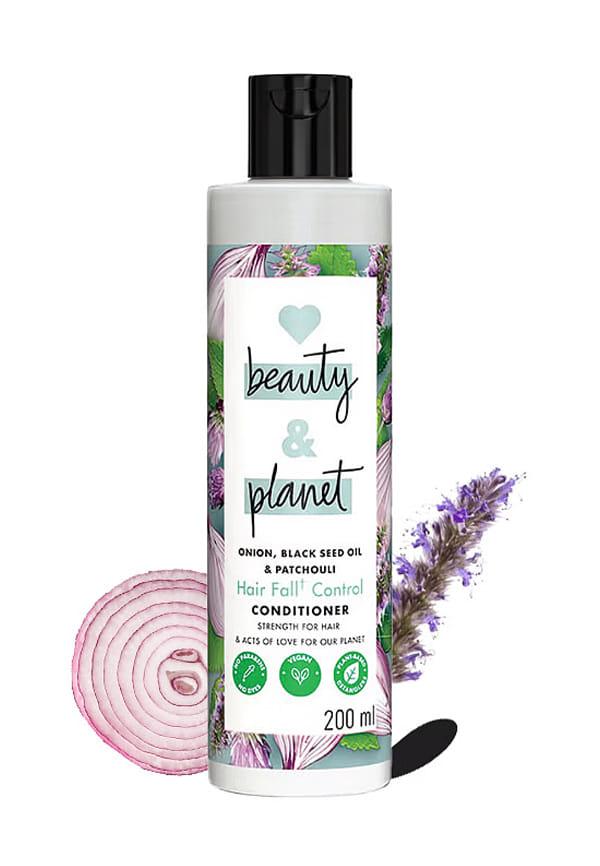 200 ml
Onion, BlackSeed & Patchouli Hairfall Control Conditioner
Hair loss prevention isn't just about what you put on your hair—it's also about how you treat your body overall. Your hair reflects your internal health, so supporting your body supports your hair.
Your hair needs specific nutrients to grow strong and healthy. Iron is crucial, especially for women who menstruate. Good sources include lean meats, spinach, lentils, and fortified cereals.
Protein is literally what your hair is made of, so ensure you're getting enough from sources like eggs, fish, beans, and nuts. Aim for about 1.2-1.6 grams per kilogram of body weight daily.
Omega-3 fatty acids from fish, walnuts, and flaxseeds help keep hair shiny and strong. Vitamin D, which many people are deficient in, also plays a role in hair follicle health.
Stay hydrated—dehydration can make hair brittle and prone to breakage. Aim for 8-10 glasses of water daily, more if you're active or live in a hot climate.
Chronic stress can push hair follicles into a resting phase, leading to increased shedding 2-3 months later. This is called telogen effluvium, and it's completely reversible once stress levels normalise.
Regular exercise helps manage stress and improves circulation, including to your scalp. Even a 30-minute walk daily can make a difference.
Quality sleep is when your body repairs and regenerates, including your hair follicles. Aim for 7-9 hours of sleep nightly and try to maintain a consistent sleep schedule.
While many cases of hair loss can be managed with over-the-counter products and lifestyle changes, sometimes you need professional intervention. Knowing when to seek help can prevent further loss and improve your chances of regrowth.
Sudden, patchy hair loss could indicate alopecia areata or other autoimmune conditions that require medical treatment. If you're losing hair in distinct patches rather than overall thinning, see a dermatologist promptly.
Scalp irritation, inflammation, or unusual symptoms like burning or itching alongside hair loss could signal an underlying condition that needs professional diagnosis.
If you're experiencing hair loss along with other symptoms like fatigue, weight changes, or menstrual irregularities, it could indicate a hormonal or medical condition requiring treatment.
A dermatologist or trichologist can perform tests to determine the exact cause of your hair loss. This might include blood tests, scalp biopsies, or pull tests to assess hair strength.
Based on the diagnosis, they might recommend prescription treatments, professional procedures, or refer you to other specialists if an underlying condition is identified.
Advanced treatments like hair transplants are also options for severe cases, though these are typically considered after other treatments have been tried.
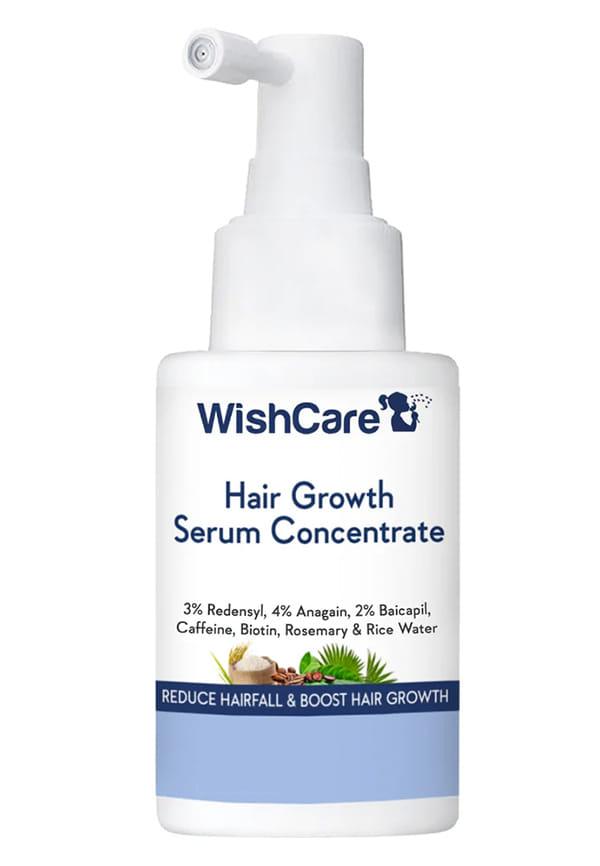 30 ml
30 mlHair Growth Serum Concentrate
When exploring different hair fall solutions for women, having access to trial-sized products can be incredibly helpful. Smytten, India's largest product discovery platform, offers curated trial packs from over 1,500 trusted brands including haircare specialists. This approach lets you test different products before committing to full sizes, which is particularly valuable when dealing with hair loss—what works for one person might not work for another.
Most treatments require 3-6 months of consistent use before you'll notice significant improvement. Hair growth is slow, and you need to complete at least one full hair growth cycle to see real results.
It depends on the cause. Temporary hair loss from stress, nutritional deficiencies, or hormonal changes can often be completely reversed. Genetic hair loss can be slowed and improved but may not be fully reversible.
Hair fall involves losing hair from the root (you'll see a white bulb at the end), while breakage occurs along the hair shaft. Breakage often indicates damage from styling or chemical treatments.
Not necessarily. Some affordable products contain the same active ingredients as expensive ones. Focus on ingredients rather than price, and consider trying products through trial sizes first.
Losing 50-100 hairs daily is completely normal. If you're consistently losing more than this or notice significant thinning, it's worth investigating further.
Yes, severe or chronic stress can cause telogen effluvium, where large numbers of hair follicles enter the resting phase simultaneously. This typically occurs 2-3 months after the stressful event.
They can help if you have nutritional deficiencies, but they won't work miracles if your diet is already adequate. They're most effective when combined with topical treatments and lifestyle changes.
Prevention is always easier than treatment. If you have a family history of hair loss or notice early signs of thinning, starting preventive care in your twenties or thirties can be beneficial.
Dealing with hair fall can feel overwhelming, but remember that you have more control than you might think. The key is taking a comprehensive approach that addresses both the symptoms and underlying causes. Whether it's adjusting your haircare routine, trying proven treatments, or making lifestyle changes, small steps can lead to significant improvements over time.
The most important thing is to be patient and consistent. Hair growth takes time, and what works for your friend might not work for you. That's where platforms like Smytten become invaluable—with access to trial packs from trusted haircare brands, you can experiment with different healthy hair tips and products without the financial commitment. With over 25 million users and 100 million trial minis delivered, Smytten helps you make smarter, more confident choices about your haircare journey. After all, why settle for 'maybe' when you can try it all and find what actually works for your unique hair needs?
