How to Stop Hair Breakage: Expert Prevention Guide


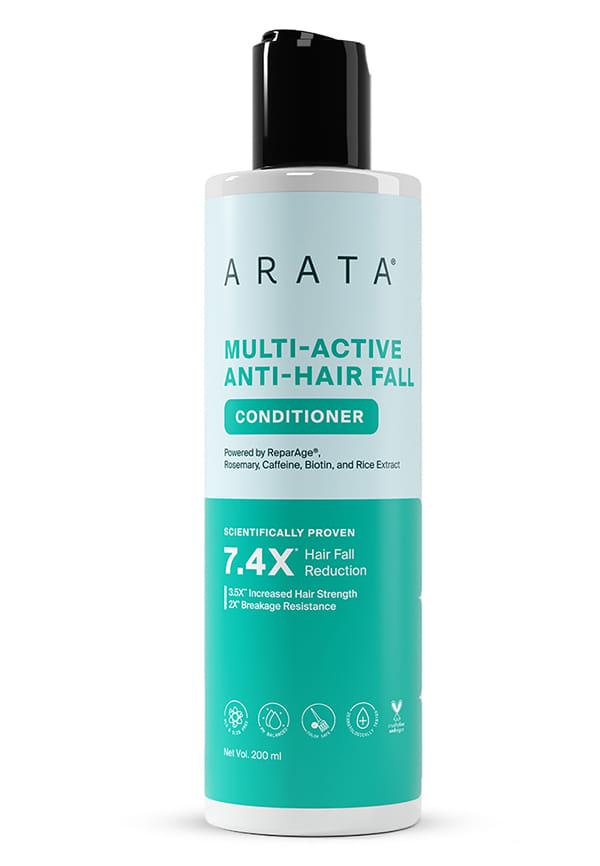 200 ml
Anti-Hair Fall Conditioner for Breakage and Split-Ends Reduction
Let's be real—watching your hair snap and break can feel like watching your confidence crumble too. Hair breakage isn't just about a few stray strands on your pillow; it's about understanding what's actually happening to your hair and why. Whether you're dealing with split ends that seem to multiply overnight or noticing more breakage than usual, getting to the root of the problem is your first step towards healthier, stronger hair. The good news? Most causes of hair breakage are totally preventable once you know what you're dealing with.
Hair breakage is when your hair literally snaps or breaks off along the shaft, which is different from natural hair shedding that happens from the root. Think of your hair like a rope—when it's healthy, it's strong and flexible. But when it becomes brittle or damaged, it loses its elasticity and starts to snap under pressure. Your hair has three layers: the outer cuticle (like protective scales), the cortex (the main structure), and the inner medulla. When the cuticle gets damaged, it exposes the cortex, making your hair vulnerable to breakage. This is where hair brittleness kicks in—your strands lose their natural flexibility and become prone to snapping.
Natural shedding shows a white bulb at the end (the root), whilst broken hair has a blunt, uneven end. If you're finding short pieces of hair with jagged ends, that's breakage talking.
Healthy hair can stretch up to 30% of its length when wet without breaking. When your hair loses this elasticity, it becomes rigid and snaps easily. This usually happens when the protein structure in your hair gets compromised.
Understanding the causes of hair breakage is like having a roadmap to healthier hair. Let's break down the main culprits that might be sabotaging your strands.
Your straightener, curling iron, and blow dryer are probably the biggest villains in your hair breakage story. Heat above 180°C literally boils the water in your hair shaft, causing it to expand and damage the cuticle. This leads to hair dryness and makes your strands more prone to snapping.
Hair colouring, bleaching, and chemical relaxers break down the protein bonds in your hair. When these treatments are done too frequently or incorrectly, they can leave your hair severely damaged and brittle.
Brushing wet hair, rough towel drying, and tight hairstyles all put mechanical stress on your strands. Wet hair is at its most vulnerable state—it's like trying to stretch a rubber band that's already at its limit.
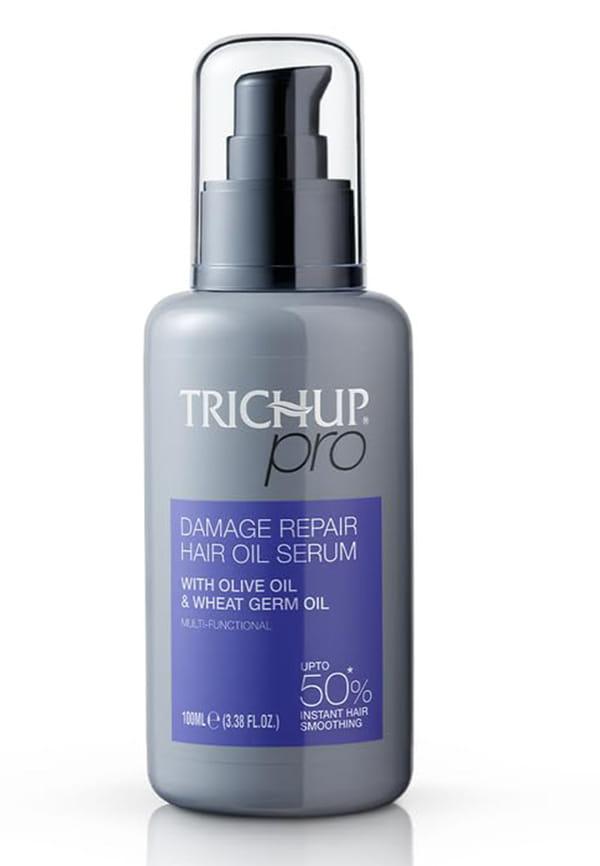 100 ml
Trichup Pro Damage Repair Hair Oil Serum for Dry & Frizzy Hair Control Breakage
Sun exposure, wind, pollution, and hard water all contribute to damaged hair. UV rays break down the protein in your hair, whilst hard water leaves mineral deposits that make your hair feel rough and tangled.
Your hair needs protein, iron, zinc, and vitamins to stay strong. When you're not getting enough of these nutrients, your hair becomes weak and prone to breakage from the inside out.
Pregnancy, menopause, thyroid issues, and PCOS can all affect your hair's strength and growth cycle. These hormonal shifts can make your hair more fragile and susceptible to breakage.
Chronic stress doesn't just affect your mental health—it impacts your hair too. High stress levels can disrupt your hair growth cycle and make existing hair more brittle.
Skipping regular trims allows split ends to travel up the hair shaft. Sleeping on cotton pillowcases creates friction, and using harsh shampoos strips your hair of natural oils.
Not all hair breakage is created equal, and identifying your specific type helps you choose the right treatment approach. Let's figure out what's going on with your hair.
Look for these signs: short pieces of hair on your pillow or brush, split ends that seem to multiply, hair that feels rough or straw-like, and strands that snap when you gently stretch them. If your hair breaks easily when wet, that's a red flag for severe damage.
Mechanical damage usually shows up as breakage around areas where you style most (crown, ends), whilst chemical damage tends to be more uniform throughout your hair. Chemical damage often comes with colour changes or a fried texture.
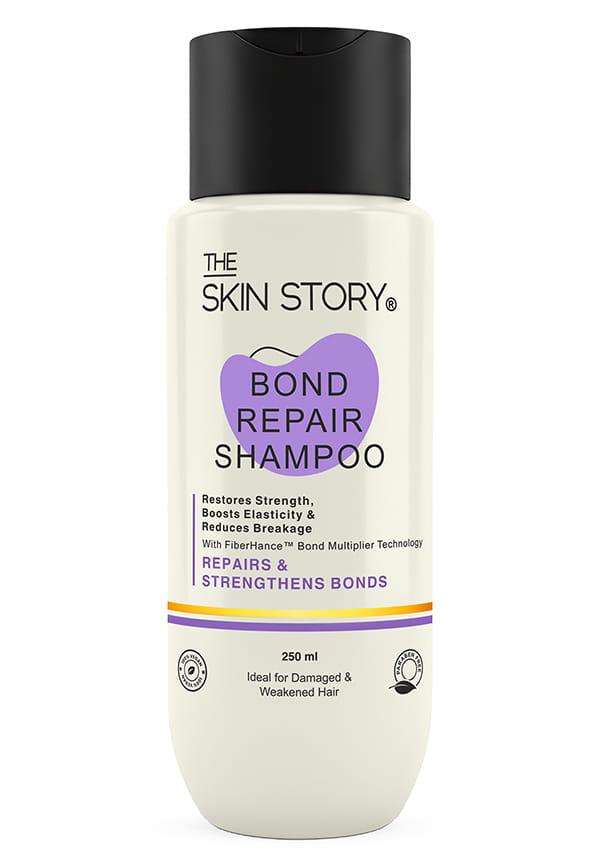 250 ml
Professional Bond Repair Shampoo For Damaged Hair
If you're experiencing sudden, severe hair breakage along with other symptoms like fatigue, weight changes, or skin issues, it might be time to chat with your doctor about potential underlying conditions.
The best defence against hair breakage is a good offence, and nature has given us some brilliant tools to work with. These natural methods can help strengthen your hair without breaking the bank.
Your hair needs both moisture and protein to stay strong, but finding the right balance is key. Too much protein makes hair brittle, whilst too much moisture makes it mushy and weak. Try a weekly deep conditioning treatment using natural ingredients like avocado, honey, or coconut oil. For protein, egg masks or rice water rinses can help strengthen your hair structure. The trick is alternating between moisture and protein treatments based on what your hair needs.
Treat your hair like delicate silk. Use a wide-tooth comb on wet hair, starting from the ends and working up. Pat your hair dry with a microfibre towel instead of rubbing. Sleep on a silk or satin pillowcase to reduce friction. When it comes to protective styling, loose braids, silk scrunchies, and avoiding tight ponytails can make a huge difference in preventing breakage.
Embrace your natural texture with techniques like plopping for curly hair, braiding damp hair for waves, or using foam rollers for volume. These methods give you gorgeous results without the heat damage.
Sometimes natural methods need a professional boost, especially if you're dealing with severe damage. Knowing when to seek professional help can save your hair from further damage. Salon treatments like Olaplex, keratin treatments, or protein reconstructors can help repair damaged bonds in your hair. These treatments work at a molecular level to rebuild your hair's structure. However, they're not magic fixes—they work best when combined with good at-home care.
If your hair breakage is accompanied by scalp issues, sudden hair loss, or doesn't improve with better care, a trichologist can help identify underlying causes and create a targeted treatment plan.
Sometimes hair breakage is a symptom of conditions like thyroid disorders, hormonal imbalances, or nutritional deficiencies. Treating these underlying issues often resolves the hair problems too.
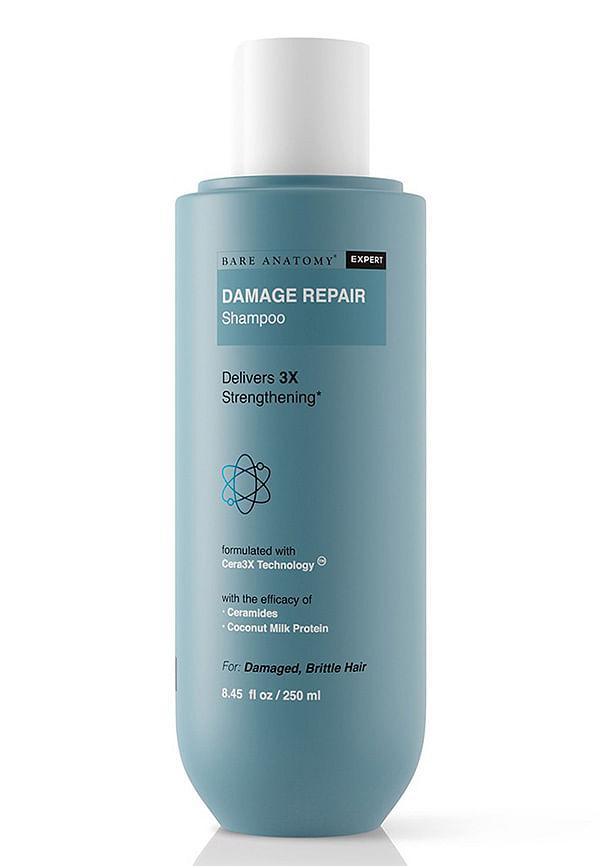 250 ml
Expert Damage Repair Shampoo To Repair And Strengthen Up To 3X
Consistency is your best friend when it comes to preventing hair breakage. A solid routine doesn't have to be complicated—it just needs to address your hair's specific needs. Start with a gentle, sulphate-free shampoo and follow with a moisturising conditioner. Use a leave-in treatment for extra protection, especially if you have damaged hair. Weekly deep conditioning treatments and monthly protein treatments can help maintain your hair's strength and elasticity.
Protect your hair from heat with a thermal protectant, use a wide-tooth comb for detangling, and avoid brushing wet hair unless absolutely necessary. Sleep with your hair in a loose braid or silk scarf to prevent friction damage.
Look for ingredients like ceramides, amino acids, and natural oils. Avoid harsh sulphates, drying alcohols, and products with too many silicones that can build up over time. When you're exploring new hair care products, platforms like Smytten make it easier to try before you commit. With curated trial packs from trusted brands, you can test what works for your hair without the risk of buying full-size products that might not suit you. This approach helps you build a personalised routine that actually addresses your specific hair breakage concerns.
Start by identifying the cause—whether it's heat damage, chemical processing, or rough handling. Then focus on gentle care: use a wide-tooth comb, sleep on silk pillowcases, deep condition weekly, and trim regularly to prevent split ends from travelling up.
Heat styling is typically the biggest culprit, followed by chemical treatments and aggressive brushing. For many people, it's a combination of factors rather than just one cause.
Protein, iron, zinc, and biotin deficiencies are the most common nutritional causes of hair breakage. If you suspect a deficiency, consider getting blood work done to check your levels.
Breakage at the crown is often caused by tight hairstyles, over-brushing, or concentrated heat styling in that area. It can also indicate new growth that's more fragile than the rest of your hair.
Since hair grows about half an inch per month, it can take 6-12 months to see significant improvement, depending on the severity of damage. However, you should notice less breakage within a few weeks of starting a proper care routine.
Hair breakage doesn't have to be a permanent problem. By understanding the causes of hair breakage and addressing them systematically, you can restore your hair's strength and prevent future damage. Remember, healthy hair is a marathon, not a sprint—consistency in your care routine will give you the best results. The key is finding products and techniques that work for your specific hair type and lifestyle. With platforms like Smytten offering trial-sized products from over 1,500 trusted brands, you can experiment with different hair care solutions without the commitment of full-size purchases. This makes it easier to discover what truly works for your hair, helping you make smarter, more confident choices in your hair care journey. After all, why settle for damaged hair when you can try different approaches to find what makes your hair thrive?
