How to Soothe Scalp Irritation: Quick Relief Guide

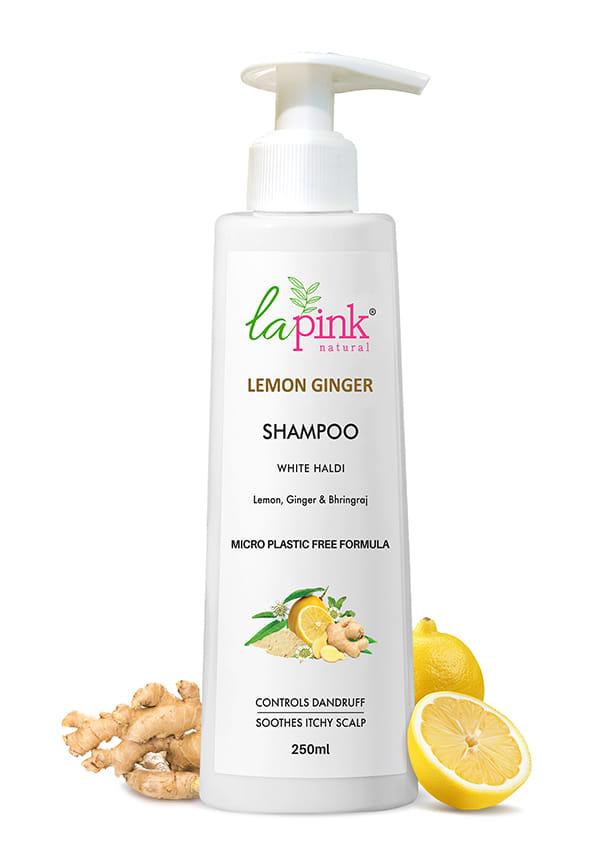 250 ml
Lemon Ginger Shampoo with White Haldi to Control Dandruff & Soothe Itchy Scalp
That annoying itch, the burning sensation, the flakes falling onto your shoulders—scalp irritation can turn your day upside down in seconds. Whether it's from switching to a new shampoo, stress hitting hard, or just your scalp being extra sensitive, finding quick relief becomes your top priority. The good news? You don't have to suffer through it. With the right scalp irritation relief tips and some clever tricks, you can calm that angry scalp and get back to feeling comfortable. Let's dive into proven methods that actually work, from instant fixes to long-term solutions that'll keep your scalp happy.
Before jumping into solutions, let's get real about what scalp inflammation actually is. Your scalp is basically an extension of your facial skin, just with hair growing out of it. When it gets irritated, it reacts the same way your face would—with redness, itching, and sometimes flaking.
The most common culprits behind scalp drama include dandruff (those white flakes that love to make surprise appearances), seborrheic dermatitis (the more intense cousin of dandruff), product sensitivity (when your scalp throws a tantrum over new ingredients), and plain old dryness. Sometimes it's hormonal changes, stress, or even the weather playing tricks on your scalp.
Scalp irritation doesn't always look the same for everyone. You might notice persistent itching that makes you want to scratch constantly, visible redness when you part your hair, flaking that ranges from fine dust to chunky bits, or a burning sensation that feels like your scalp is on fire. Some people also experience tenderness when touching their scalp or notice their hair feeling different—maybe greasier or drier than usual.
Most scalp irritation sorts itself out with proper care, but sometimes it's your scalp's way of telling you something bigger is happening. If you're dealing with severe inflammation that doesn't improve after a week of sensitive scalp care, open sores or bleeding, sudden hair loss, or symptoms that keep getting worse despite treatment, it's time to chat with a dermatologist.
When your scalp is screaming for help, you need solutions that work right now. These itchy scalp remedies can provide relief within minutes, giving you breathing room to figure out a longer-term plan.
The cool water rinse is your first line of defence. Hop in the shower and let lukewarm (not hot!) water run over your scalp for a few minutes. Hot water might feel good initially, but it'll actually make inflammation worse by stripping natural oils and increasing irritation.
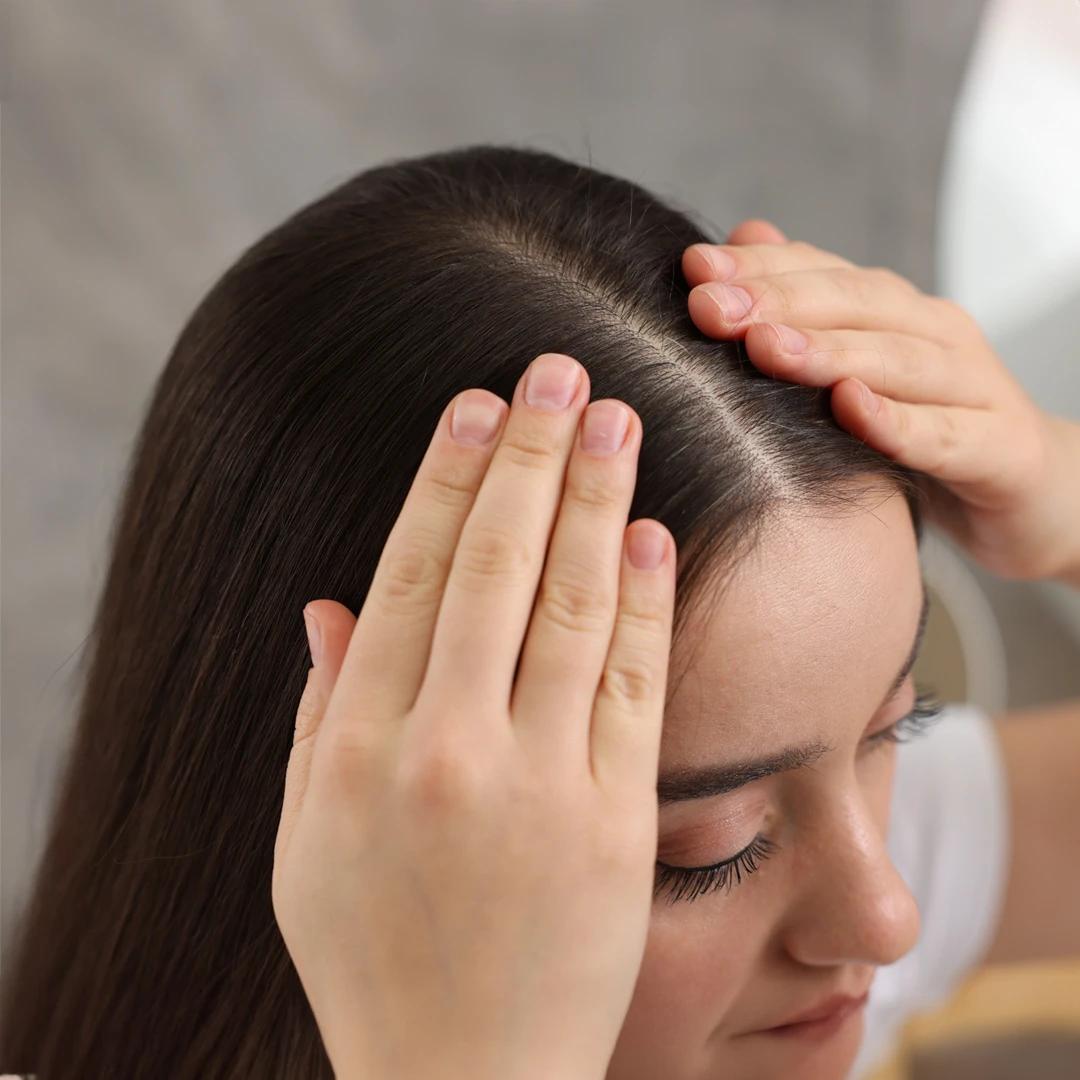
Use your fingertips (never your nails) to gently massage your scalp in circular motions. This increases blood flow and can help reduce that tight, uncomfortable feeling. Think of it as giving your scalp a mini spa treatment—gentle pressure, slow movements, and lots of patience.
Wrap an ice pack or frozen peas in a thin towel and apply it to the most irritated areas for 10-15 minutes. The cold helps numb the itching sensation and reduces inflammation quickly. Just don't apply ice directly to your scalp—that's a recipe for frostbite.
Resist the urge to scratch, no matter how satisfying it might feel. Scratching creates micro-tears in your scalp that can lead to infection. Also, avoid using any new products when your scalp is already angry—stick to gentle, familiar formulas until things calm down.
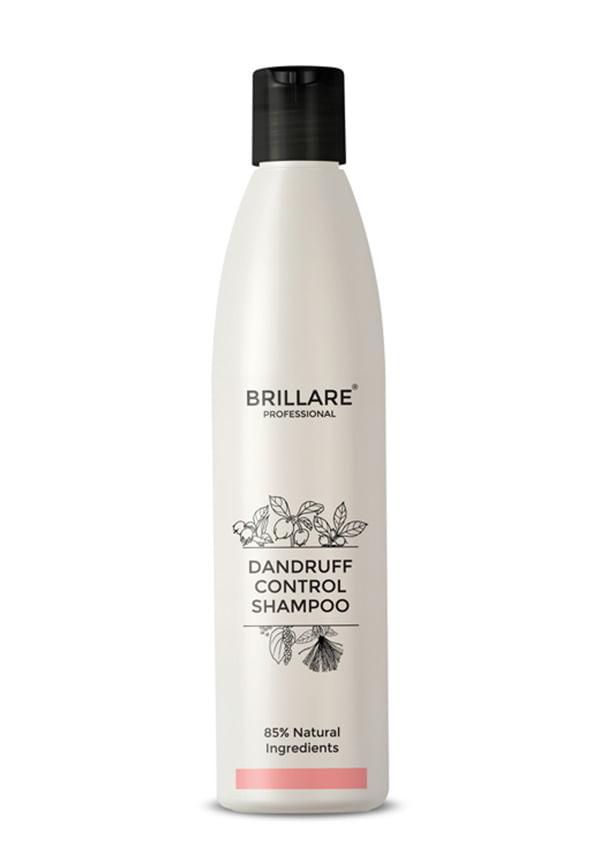 300 ml
Dandruff Control Shampoo For Itchy, Flaky Scalp
If dryness is behind your scalp woes, you'll need to focus on adding moisture back without overwhelming your already sensitive skin. Dry scalp treatment is all about gentle hydration and protecting your scalp's natural barrier.
Oil treatments are absolute game-changers for dry, irritated scalps. Coconut oil works brilliantly because it's naturally antimicrobial and deeply moisturising. Warm a small amount between your palms and gently massage it into your scalp, focusing on the driest areas. Leave it on for 20-30 minutes before washing with a gentle shampoo.
Jojoba oil is technically a wax, which means it mimics your scalp's natural sebum perfectly. It won't clog pores but will provide lasting moisture. Apply a few drops to damp hair and scalp after washing—this helps lock in hydration without making your hair look greasy.
Your environment plays a huge role in scalp health. Central heating, air conditioning, and low humidity can all contribute to dryness. Consider using a humidifier in your bedroom, especially during winter months. Also, protect your scalp from harsh sun and wind with a hat or scarf when possible.
Your kitchen is basically a treasure trove of natural scalp relief ingredients. These remedies have been used for generations and often work just as well as expensive treatments.
Apple cider vinegar is brilliant for restoring your scalp's pH balance. Mix one part ACV with three parts water and use it as a final rinse after shampooing. The acidity helps remove product buildup and can reduce fungal growth that contributes to dandruff and irritation.
Colloidal oatmeal (finely ground oats) is incredibly soothing for irritated skin. Mix two tablespoons of ground oats with enough water to make a paste, then apply it to your scalp for 15-20 minutes. The natural compounds in oats help reduce inflammation and provide gentle moisture.
If buildup is contributing to your scalp issues, a gentle baking soda scrub can help. Mix one tablespoon of baking soda with enough water to make a paste. Gently massage it into your scalp, then rinse thoroughly. Don't do this more than once a week—your scalp needs its natural oils.
Fresh aloe vera gel straight from the plant is incredibly cooling and anti-inflammatory. Apply it directly to irritated areas and leave it on for 20 minutes before rinsing. If you don't have a plant, look for 100% pure aloe vera gel without added fragrances or alcohol.
When shopping for scalp soothing products, knowing which ingredients actually work can save you time and money. Not all products are created equal, especially when it comes to haircare for irritated scalp.
Medicated shampoos containing ketoconazole, zinc pyrithione, or selenium sulfide are excellent for fungal-related scalp issues. These ingredients target the root cause of many scalp problems rather than just masking symptoms. Start by using them twice a week and adjust based on how your scalp responds.
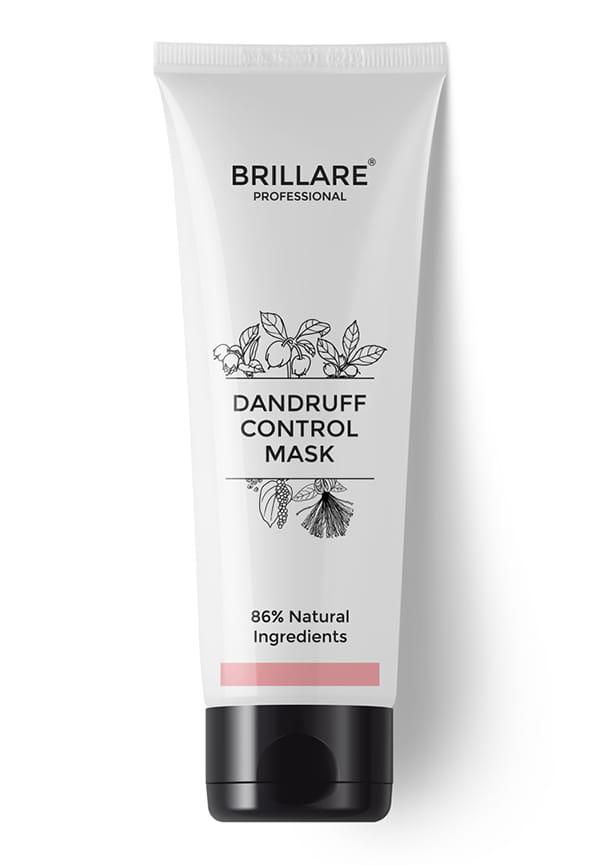 125 gm
Conditioner For Itchy, Flaky Scalp
Sulfate-free shampoos are gentler on irritated scalps because they don't strip natural oils as aggressively. Look for ingredients like cocamidopropyl betaine or sodium cocoyl isethionate—these are milder cleansing agents that still get your hair clean without the harsh stripping action.
Scalp serums with ingredients like niacinamide, salicylic acid (in low concentrations), or tea tree oil can provide ongoing relief. These products are designed to be left on the scalp and work throughout the day to reduce inflammation and maintain balance.
With over 1,500 trusted brands available on Smytten, you can discover the perfect scalp care products without the guesswork. Their trial packs let you test different formulations to find what works best for your specific scalp needs—because settling for products that don't quite work isn't an option.
Prevention is always better than cure, and these healthy scalp tips will help you maintain a comfortable, irritation-free scalp long-term. Think of it as creating a sustainable routine that keeps problems at bay.
Establish a consistent scalp care routine that works with your lifestyle. This doesn't mean complicated multi-step processes—sometimes the simplest routines are the most effective. Wash your hair when it needs it (this varies for everyone), use gentle products, and pay attention to how your scalp feels and looks.
How you wash your hair matters just as much as what you use. Focus the shampoo on your scalp, not your hair lengths. Use your fingertips to gently massage in circular motions, then rinse thoroughly—leftover product residue is a common cause of irritation. Follow with conditioner applied only to the mid-lengths and ends of your hair.
Your overall health directly impacts your scalp health. Stress can trigger inflammatory responses that show up as scalp irritation, so finding healthy ways to manage stress—whether through exercise, meditation, or hobbies—can make a real difference. Getting enough sleep and staying hydrated also support healthy skin and scalp function.
What you eat affects your scalp too. Omega-3 fatty acids from fish, walnuts, and flaxseeds help maintain healthy skin barrier function. Zinc from pumpkin seeds and lean meats supports healing, while vitamin E from nuts and seeds provides antioxidant protection.
Sometimes DIY solutions aren't enough, and that's completely normal. Knowing when to seek professional help can prevent minor issues from becoming major problems.
If you've tried various soothing scalp solutions for several weeks without improvement, it's time to consult a dermatologist. They can properly diagnose underlying conditions like psoriasis, eczema, or hormonal imbalances that might be causing your scalp irritation.
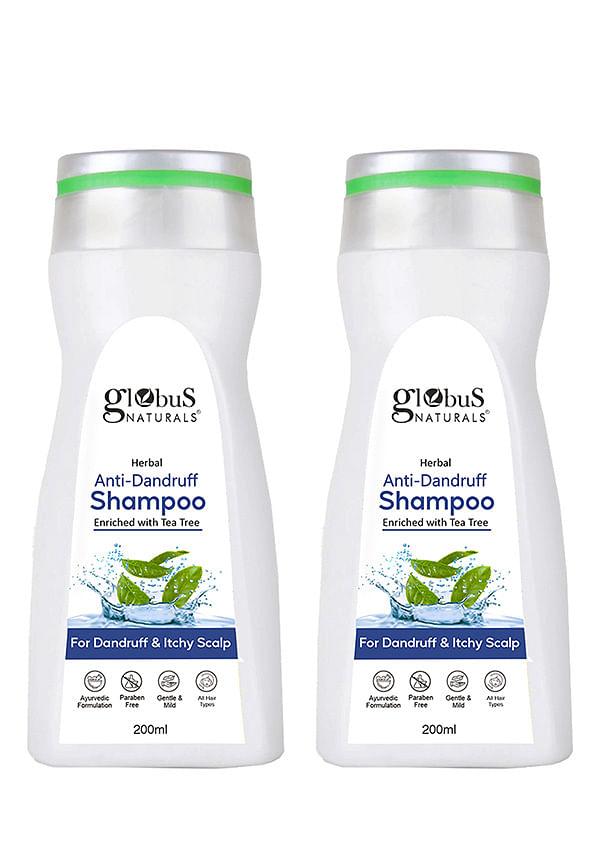 200 ml*2
Anti Dandruff Shampoo, For Dandruff and Itchy Scalp
Certain symptoms warrant immediate professional attention: sudden, severe hair loss; open sores or bleeding; signs of infection like pus or unusual odour; or scalp irritation accompanied by symptoms elsewhere on your body. These could indicate more serious conditions that require prescription treatments.
Dermatologists have access to stronger treatments like prescription antifungal shampoos, topical steroids for severe inflammation, or oral medications for systemic issues. They can also perform tests to identify specific triggers or underlying conditions that might not be obvious.
Start with a cool water rinse to remove any irritating products, then apply a cold compress for 10-15 minutes. Avoid scratching and use gentle, fragrance-free products until the irritation subsides. Natural remedies like aloe vera gel can provide immediate cooling relief.
Apple cider vinegar rinses help restore pH balance, while oatmeal masks provide soothing relief. Coconut oil treatments work well for dry scalp conditions, and tea tree oil (properly diluted) can address fungal issues. Always patch test new remedies first.
Stick to gentle, natural remedies like oatmeal treatments and mild oil massages. Avoid products with strong fragrances or harsh chemicals. Consult your healthcare provider before using any medicated shampoos or essential oils during pregnancy.
Common triggers include new haircare products, stress, hormonal changes, weather shifts, or allergic reactions. Sometimes it's as simple as using water that's too hot or changing your diet. Keeping a symptom diary can help identify patterns.
Mild irritation often improves within 3-7 days with proper care. More severe conditions or those caused by underlying issues may take several weeks to fully resolve. Consistency with gentle care is key to faster healing.
Dealing with scalp irritation doesn't have to be a nightmare. With the right approach—whether that's immediate relief techniques, natural remedies, or professional treatments—you can get your scalp back to its happy, healthy state. Remember that everyone's scalp is different, so what works for your friend might not work for you, and that's perfectly normal.
The key is being patient with the process and consistent with your care routine. Start with gentle approaches and gradually introduce stronger treatments if needed. Most importantly, don't ignore persistent problems—your scalp health is worth the investment in proper care and professional guidance when necessary.
Smytten makes it easier to find the right scalp care products without the commitment of full-size purchases. With trial packs from trusted brands, you can discover what works for your unique scalp needs. After all, why settle for products that might work when you can try them all and find your perfect match?
