How to Soothe Dry Scalp: Expert Remedies Revealed
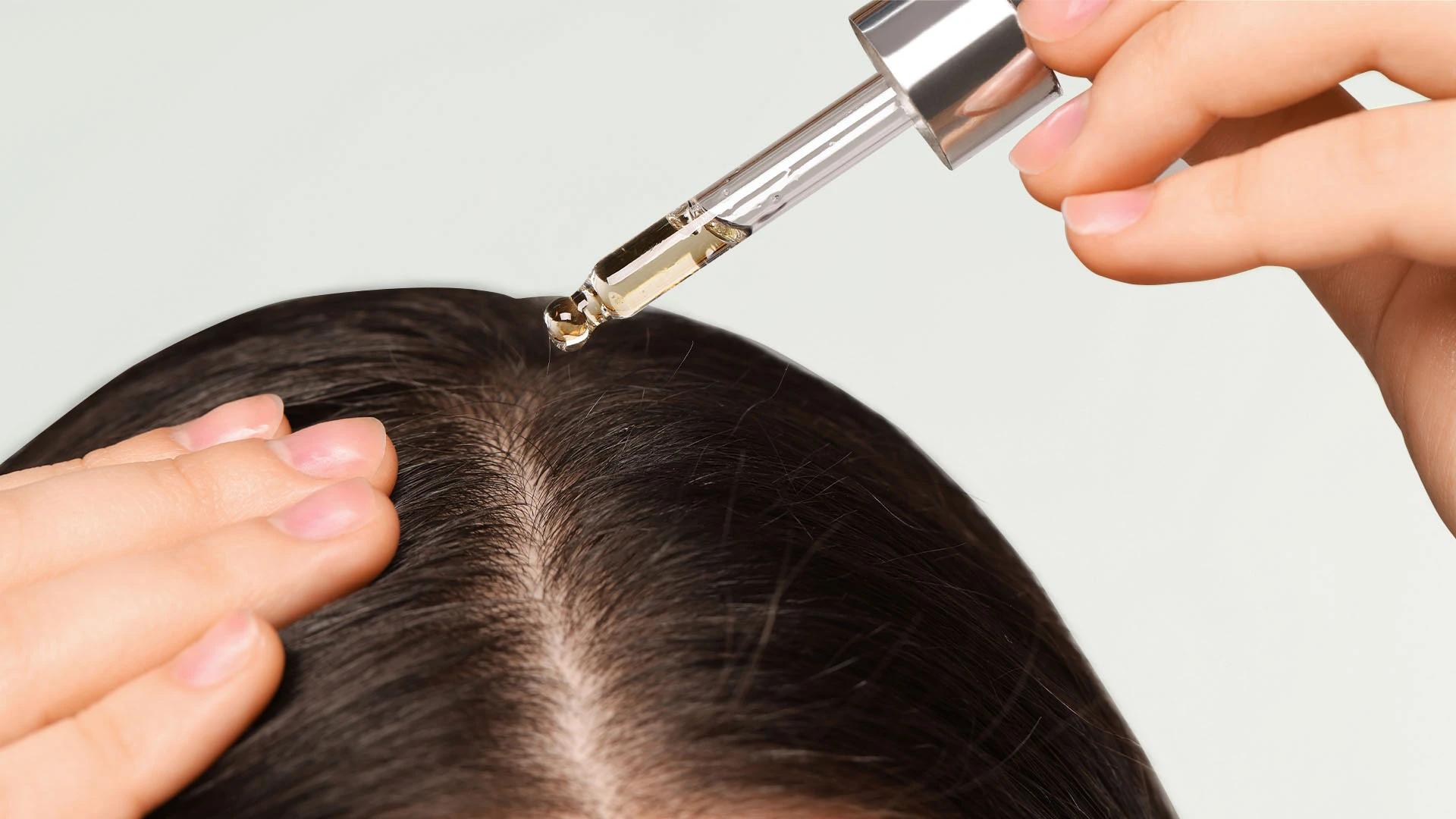

That persistent itch and flaky scalp isn't just annoying—it affects nearly 50% of adults worldwide and can seriously mess with your confidence. Whether you're dealing with tight, uncomfortable sensations or visible flakes on your shoulders, dry scalp issues are more common than you'd think. The good news? There are proven tips for dry scalp that actually work, from quick fixes to long-term solutions. Let's dive into expert-backed remedies that'll help you say goodbye to scalp drama and hello to healthier, happier hair days.
Understanding why your scalp feels like the Sahara Desert is the first step to fixing it. Dry scalp causes range from simple environmental factors to more complex medical conditions, and knowing the difference helps you choose the right treatment approach.
Your daily routine might be sabotaging your scalp without you realising it. Cold weather strips moisture from your skin, including your scalp, whilst indoor heating systems create a double whammy of dryness. Hot showers feel amazing but they're basically moisture thieves, washing away your scalp's natural oils faster than they can be replaced.
Over-washing is another sneaky culprit. That squeaky-clean feeling? It means you've stripped away protective oils your scalp needs. Harsh shampoos with sulfates can turn your scalp into a desert, especially if you're washing daily. Stress, poor nutrition, and not drinking enough water also play their part in creating the perfect storm for scalp dryness.
Scalp psoriasis and seborrheic dermatitis are two conditions that often get mistaken for simple dryness. Scalp psoriasis creates thick, silvery scales and can be quite stubborn, whilst seborrheic dermatitis causes yellowish, greasy flakes—different from the white, dry flakes of a truly dry scalp.
Eczema can also affect your scalp, creating red, itchy patches that feel incredibly dry. These conditions need different treatment approaches than regular dryness, so it's worth knowing the difference.
Sometimes you need immediate itchy scalp relief, and these emergency techniques can help calm things down whilst you work on longer-term solutions.
A gentle scalp massage with your fingertips (not nails!) can boost blood circulation and provide instant relief. Use circular motions for about 5 minutes, focusing on the areas that feel tightest. This simple technique helps distribute natural oils and can ease that uncomfortable tight feeling.
Cool water rinses are your friend during flare-ups. Hot water might feel soothing initially, but it actually makes dryness worse. A cool rinse helps calm inflammation and doesn't strip away moisture like hot water does.
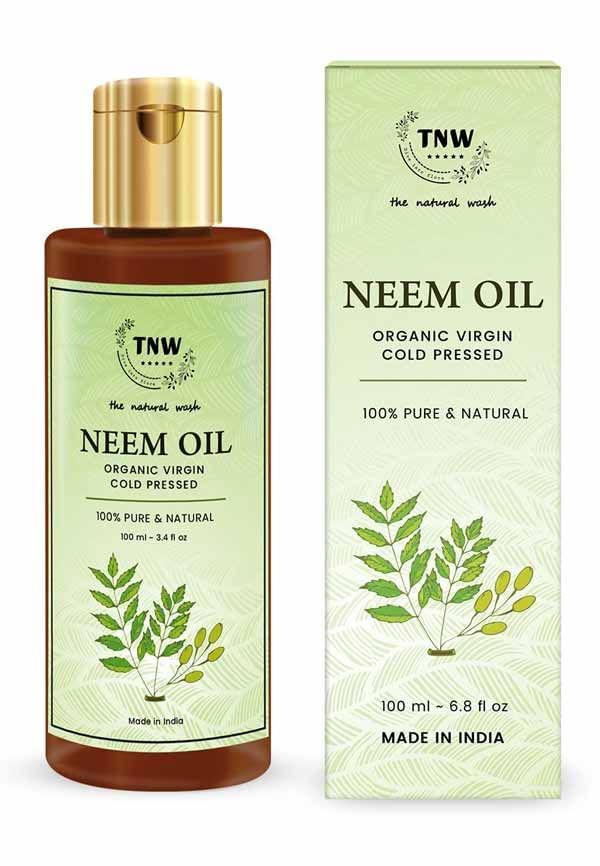 100 ml
Pure Cold Pressed Neem Oil For Skin And Hair
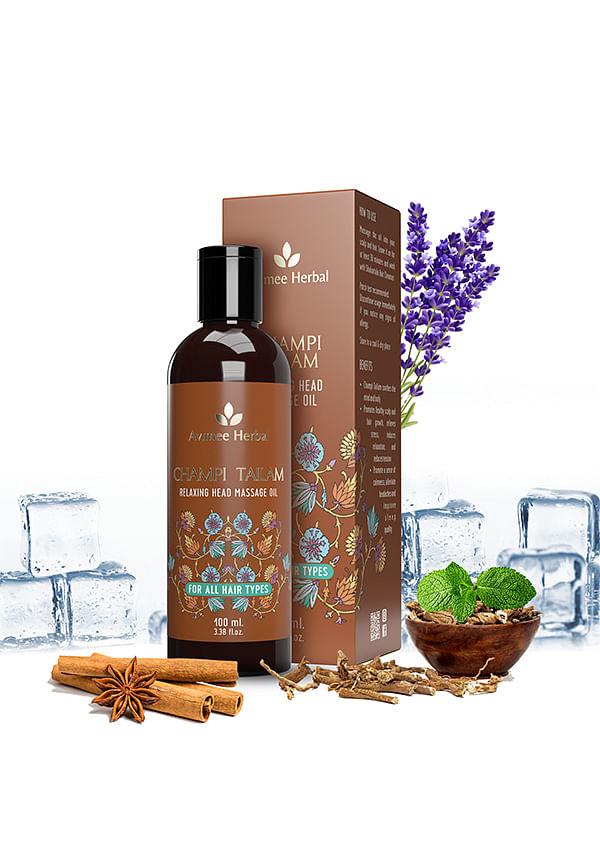 100 ml
Champi Tailam Massage Oil
Resist the urge to scratch, no matter how tempting it feels. Scratching creates micro-tears in your scalp, leading to more irritation and potential infection. If you absolutely must touch, try gentle patting instead.
Skip the hot styling tools when your scalp is acting up. Heat styling adds insult to injury, creating more dryness and irritation. Give your scalp a break and embrace air-drying for a while.
These natural remedies for dry scalp have science backing them up, not just wishful thinking. The best part? Most ingredients are probably already in your kitchen or bathroom cabinet.
Coconut oil is brilliant for overnight treatments. Its molecular structure allows it to penetrate hair and scalp better than many other oils. Warm a small amount between your palms and massage into your scalp before bed. Wash out in the morning with a gentle shampoo.
Jojoba oil is technically a wax ester, which means it mimics your scalp's natural sebum. It absorbs quickly without leaving a greasy residue, making it perfect for those who don't fancy sleeping with oily hair. Apply a few drops to damp scalp and massage gently.
Tea tree oil brings antimicrobial properties to the party, helping with any bacterial or fungal issues that might be contributing to scalp problems. Always dilute it—mix 2-3 drops with a carrier oil like coconut or jojoba before applying.
Apple cider vinegar helps balance your scalp's pH levels. Mix one part ACV with three parts water for a clarifying rinse. Use it once a week after shampooing—it removes product buildup that can contribute to dryness.
Aloe vera is nature's cooling gel, perfect for inflamed, dry scalps. Use pure aloe vera gel (not the green stuff with added ingredients) and apply directly to your scalp. Leave for 20 minutes before washing out.
An avocado and banana mask sounds like breakfast, but it's actually brilliant for dry scalps. Mash half an avocado with one ripe banana, apply to damp scalp, and leave for 30 minutes. The natural oils and vitamins provide deep nourishment.
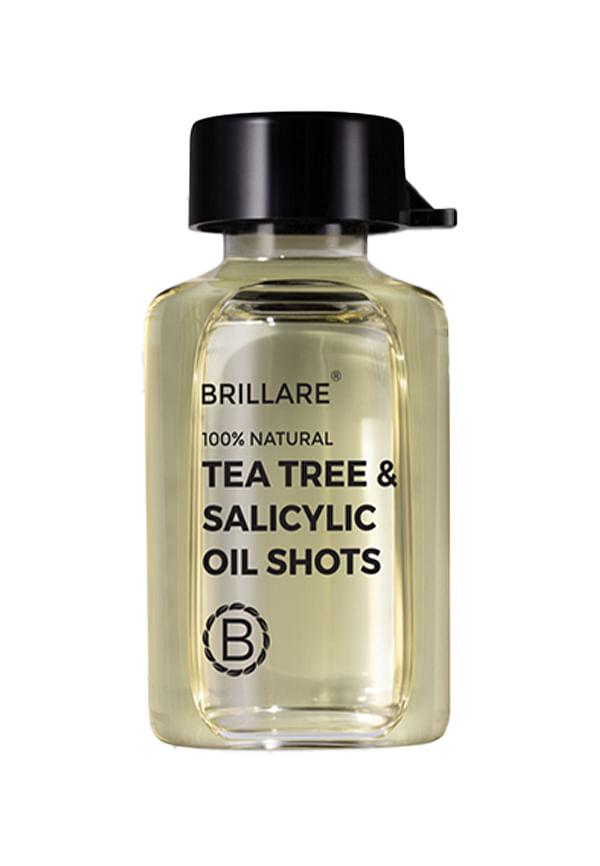 8*6 ml
Tea Tree & Salicylic Oil Shots For Dry, Itchy Scalp to Fights Dandruff
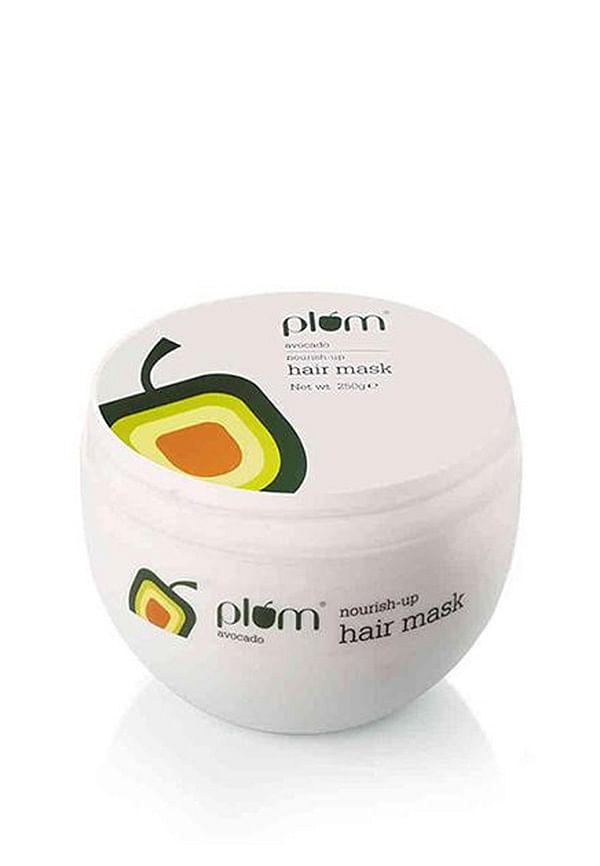 250 gm
Avocado Nourish-Up Hair Mask
Knowing how to moisturise scalp properly involves choosing the right products and using them correctly. Not all shampoos are created equal, especially when you're dealing with dryness.
Look for sulfate-free formulations—sulfates are the ingredients that create that satisfying lather but strip away natural oils. Instead, seek out gentle cleansing agents like coco-glucoside or decyl glucoside.
Moisturising ingredients to hunt for include glycerin (a humectant that draws moisture from the air), hyaluronic acid (holds up to 1000 times its weight in water), and allantoin (soothes irritation). These ingredients help your scalp retain moisture rather than just temporarily adding it.
Frequency matters too. If your scalp is very dry, washing every other day or even twice a week might be better than daily washing. Listen to your scalp—it'll tell you what it needs.
Weekly deep conditioning treatments can transform a dry scalp. Look for treatments specifically designed for scalp care, not just hair. Apply from roots to tips, focusing on massaging into your scalp, and leave for the recommended time—rushing won't give you the same benefits.
Scalp-specific moisturisers are becoming more popular, and for good reason. These lightweight formulas are designed to hydrate your scalp without weighing down your hair. Apply to damp scalp and massage gently.
Sometimes what looks like simple dryness is actually a medical condition that needs professional attention. Knowing when to seek help can save you months of frustration with treatments that aren't addressing the real issue.
Scalp psoriasis creates thick, silvery scales that are quite different from regular dry flakes. The affected areas often extend beyond your hairline onto your forehead, neck, or behind your ears. If you notice these symptoms, especially if they're accompanied by joint pain, it's worth seeing a dermatologist.
Professional treatments for scalp psoriasis include medicated shampoos, topical treatments, and sometimes light therapy. Home care can support these treatments but shouldn't replace professional guidance.
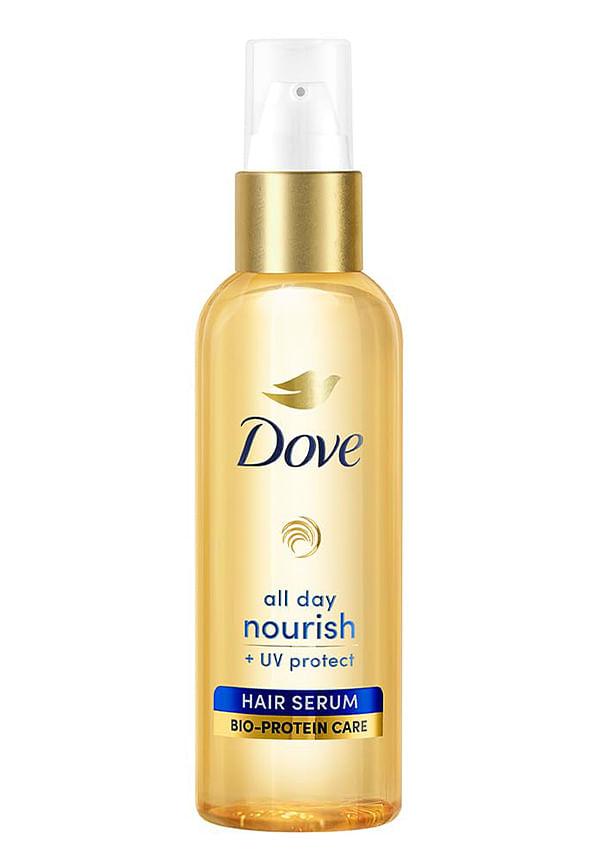 100 ml
Dove All Day Nourish + UV Protect Hair Serum
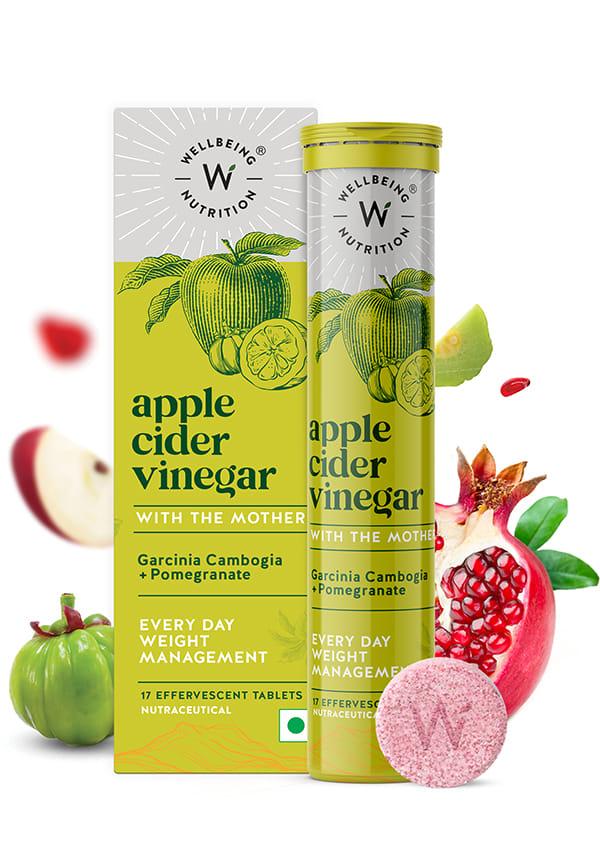 17 Count
Apple Cider Vinegar with the Mother and Garcinia Cambogia , Pomegranate
Seborrheic dermatitis creates yellowish, greasy flakes rather than the white, dry flakes of a dry scalp. It often affects oily areas of your scalp and can be quite stubborn. This condition requires specific dandruff treatment approaches, often involving antifungal ingredients like ketoconazole or selenium sulfide.
If your scalp issues persist despite trying gentle, moisturising approaches, or if you notice unusual symptoms like severe redness, bleeding, or hair loss, it's time to consult a dermatologist.
The best scalp care tips focus on prevention and long-term health rather than just treating symptoms. Building healthy habits now means fewer scalp dramas later.
Your scalp needs proper nutrition just like the rest of your skin. Vitamin A supports cell turnover, B vitamins (especially B12) help with circulation, and vitamin E provides antioxidant protection. Zinc deficiency is often linked to scalp problems, so ensure you're getting enough through food or supplements.
Omega-3 fatty acids from fish, walnuts, or flaxseeds help maintain your scalp's natural moisture barrier. Think of them as internal moisturisers for your skin and scalp.
Hydration is crucial—aim for at least 8 glasses of water daily. Dehydrated skin shows up everywhere, including your scalp.
A humidifier in your bedroom can work wonders, especially during winter months when heating systems dry out the air. Aim for 40-50% humidity levels for optimal comfort.
Stress management isn't just good for your mental health—chronic stress can trigger or worsen scalp conditions. Whether it's meditation, exercise, or just ensuring you get enough sleep, managing stress helps your scalp heal and stay healthy.
Speaking of finding the right products for your scalp, Smytten makes it easier to discover what works for you without the commitment of full-size purchases. With curated trial packs from trusted haircare brands, you can test different formulations to find your perfect scalp-soothing match. After all, why settle for maybe when you can try different solutions and find what actually works for your unique scalp needs?
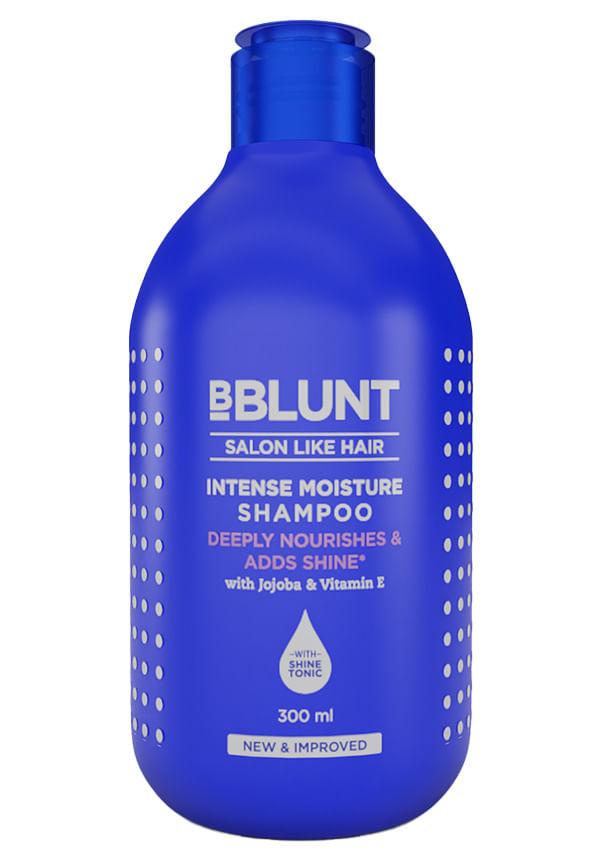 300 ml
Intense Moisture Shampoo with Jojoba and Vitamin E for Dry & Frizzy Hair
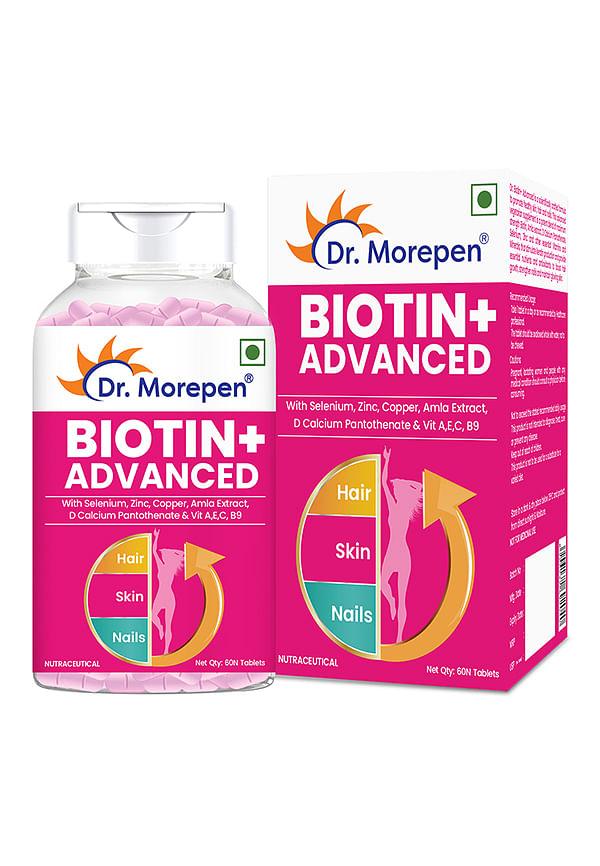 60 Tablet
Biotin+ Advanced Tablets for Hair Growth, Glowing Skin & Healthy Nails with Multivitamins & Natural Extracts - 60 Tablets
For dry scalps, washing every other day or 2-3 times per week is usually ideal. Daily washing can strip natural oils, making dryness worse. Pay attention to how your scalp feels—if it's getting oily quickly, you might need to wash more frequently, but if it feels tight after washing, reduce the frequency.
Coconut oil can be used daily in small amounts, but it's usually more effective as a weekly intensive treatment. Daily use might lead to buildup, especially if you have fine hair. Start with 2-3 times per week and adjust based on how your scalp responds.
Home treatments focus on moisturising and gentle care using natural ingredients and over-the-counter products. Professional care can diagnose underlying conditions like psoriasis or seborrheic dermatitis and provide prescription treatments. If home remedies don't work after 4-6 weeks, consider professional help.
Most people notice some improvement within 1-2 weeks of consistent treatment, with significant results after 4-6 weeks. The key is consistency—sporadic treatment won't give you the results you're looking for.
Avoid sulfates (sodium lauryl sulfate, sodium laureth sulfate), alcohol-based products (especially denatured alcohol), and products with strong fragrances. These can strip moisture and irritate sensitive scalps.
See a dermatologist if dryness persists despite gentle care for more than 6 weeks, if you notice hair loss, severe redness, bleeding, or if the condition spreads beyond your scalp. These could indicate underlying medical conditions that need professional treatment.
Dealing with a dry scalp doesn't have to be a never-ending battle. With the right combination of gentle care, natural remedies, and proper product choices, you can restore your scalp's health and comfort. Remember that consistency is key—sporadic treatments won't give you the lasting results you're after.
The most important thing is listening to your scalp and adjusting your routine based on what it needs. What works for your friend might not work for you, and that's completely normal. Start with gentle, natural approaches and gradually introduce new treatments to see what your scalp responds to best.
If you're ready to explore different scalp care solutions, platforms like Smytten make it easy to try various products without committing to full sizes. With trial packs from over 1,500 trusted brands, you can discover what truly works for your scalp's unique needs. After all, why settle for 'maybe' when you can try it all and find your perfect scalp care routine?
