
Haircare
•07 min read

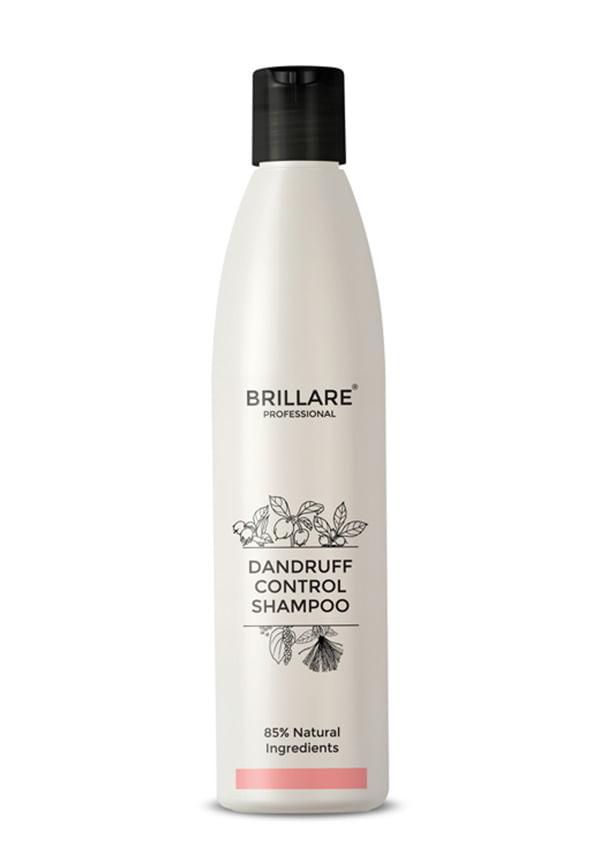 300 ml
Dandruff Control Shampoo For Itchy, Flaky Scalp
That annoying scalp itch that makes you want to scratch until you find relief? We've all been there. Whether it's a sudden flare-up or something that's been bothering you for weeks, an itchy scalp can seriously mess with your day. The good news is that most scalp irritation has simple solutions once you know what's causing it. From quick fixes that work in minutes to long-term strategies that keep the itch away for good, let's dive into everything you need to know about how to soothe an itchy scalp and get back to feeling comfortable in your own skin.
Before jumping into solutions, it helps to know what's actually happening up there. Your scalp is basically an extension of your facial skin, but it's covered with hair and produces more oil. This makes it prone to specific issues that can trigger that maddening itch.
Seborrheic dermatitis is probably the most common culprit behind persistent scalp itching. It's caused by an overgrowth of yeast that naturally lives on your scalp. When this yeast goes into overdrive, it creates inflammation and those telltale flaky patches that itch like crazy.
Then there's the classic dry scalp versus dandruff confusion. Dry scalp happens when your scalp doesn't produce enough natural oils, leading to tight, itchy skin with small, dry flakes. Dandruff, on the other hand, is usually oilier and creates larger, yellowish flakes. Both can make you want to scratch, but they need different approaches.
Product reactions are another major trigger for scalp irritation treatment needs. That new shampoo, styling gel, or even hair dye might contain ingredients your scalp doesn't agree with. Sulfates, fragrances, and certain preservatives are common offenders that can turn your scalp into an itchy mess.
Don't underestimate stress and hormonal changes either. When you're stressed or going through hormonal shifts, your scalp can become more sensitive and prone to inflammation. Environmental factors like cold weather, pollution, or even hard water can also contribute to scalp irritation.
When you need to know how to stop scalp itching right now, these quick fixes can provide almost instant relief. The key is to calm the inflammation without making things worse.
Start with a cool water rinse. Hot water might feel good initially, but it strips your scalp of natural oils and can make itching worse. Cool water, on the other hand, helps reduce inflammation and provides immediate soothing relief. Gently massage your scalp with your fingertips whilst rinsing to boost circulation without causing damage.
Mix equal parts cool water and witch hazel in a spray bottle for an instant anti-itch scalp solution. The witch hazel acts as a natural astringent and anti-inflammatory. Spray directly onto your scalp and gently massage in.
Try gentle pressure point massage around your temples and the base of your skull. This can help redirect your brain's focus away from the itch whilst promoting relaxation and blood flow to the area.
Whatever you do, resist the urge to scratch with your nails. This can create micro-tears in your scalp, leading to infection and making the itching worse. If you absolutely must touch the area, use the pads of your fingers to apply gentle pressure instead.
When you're looking for natural remedies for itchy scalp relief, these time-tested solutions can provide both immediate comfort and long-term healing. The best part? Most of these ingredients are probably already in your kitchen.
Coconut oil is brilliant for dry scalp relief. Its antimicrobial properties help fight yeast overgrowth whilst deeply moisturising your scalp. Warm a tablespoon of virgin coconut oil between your palms and massage it into your scalp. Leave it on for at least 30 minutes before washing out with a gentle shampoo.
Tea tree oil is a powerhouse for scalp soothing tips, but it must be diluted properly. Mix 10-15 drops of tea tree oil with 2 tablespoons of carrier oil like jojoba or coconut oil. Massage into your scalp and leave for 20 minutes before shampooing.
Fresh aloe vera gel provides instant cooling relief and helps reduce inflammation. Apply pure aloe vera gel directly to your scalp, focusing on the most irritated areas. Leave on for 15-20 minutes before rinsing with cool water.
This helps restore your scalp's natural pH balance and can reduce yeast overgrowth. Mix 2 tablespoons of apple cider vinegar with 1 cup of water. After shampooing, pour the mixture over your scalp, massage gently, and rinse thoroughly.
Peppermint oil creates a cooling sensation that can temporarily numb the itch. Add 5-10 drops to your regular shampoo or mix with a carrier oil for a pre-wash treatment. The menthol provides immediate relief whilst the oil's antimicrobial properties work on underlying causes.
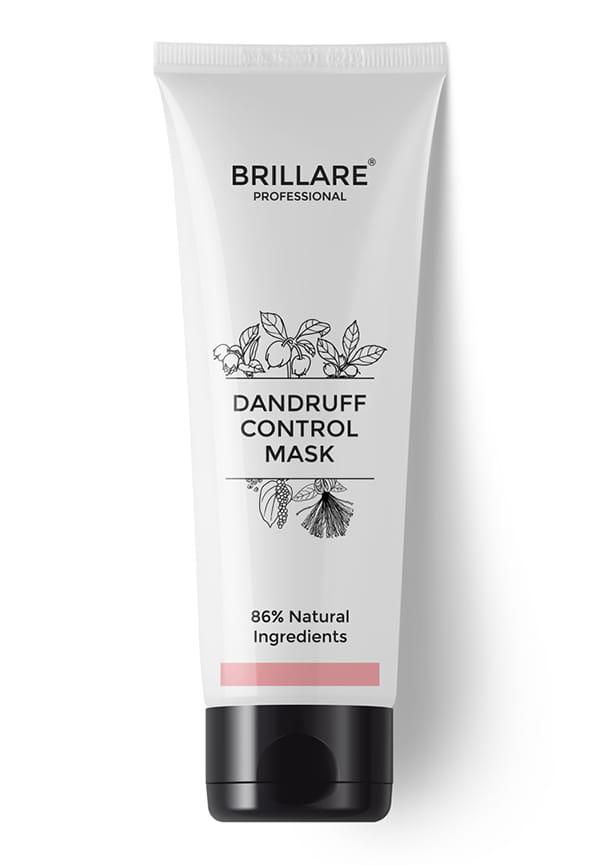 125 gm
Conditioner For Itchy, Flaky Scalp
Sometimes natural remedies need backup from specially formulated anti-itch scalp solutions. Knowing what ingredients to look for can help you choose products that actually deliver results.
Zinc pyrithione is one of the most effective ingredients for dandruff and itchy scalp relief. It targets the yeast that causes seborrheic dermatitis whilst being gentle enough for regular use. Look for shampoos with 1-2% zinc pyrithione concentration.
Salicylic acid helps remove flaky buildup and allows other active ingredients to penetrate better. It's particularly helpful if you have thick, stubborn flakes along with the itching. Start with lower concentrations (0.5-1%) to avoid over-drying.
Sulfates can be too harsh for sensitive scalp care, stripping away natural oils and making irritation worse. Look for gentle cleansers with ingredients like coco-glucoside or decyl glucoside instead.
Scalp serums and leave-in treatments can provide ongoing relief between washes. Look for products containing niacinamide, which helps reduce inflammation, or hyaluronic acid for extra moisture.
When exploring new products for scalp irritation treatment, consider trying smaller sizes first. Smytten's trial packs let you test different haircare solutions from trusted brands before committing to full-size purchases, making it easier to find what works for your specific scalp needs without the risk of wasting money on products that don't suit you.
If you have a sensitive scalp, your approach to haircare needs to be extra thoughtful. These scalp soothing tips can help prevent irritation before it starts.
Wash your hair 2-3 times per week maximum. Over-washing strips your scalp of protective oils, leading to dryness and irritation. When you do wash, use lukewarm water instead of hot, and take your time with gentle massage motions.
Apply shampoo primarily to your scalp, not your hair lengths. Use your fingertips, not nails, to massage the product in. Let the suds run down your hair as you rinse rather than scrubbing the lengths.
Dirty hair ties, brushes, and pillowcases can harbour bacteria and irritants. Wash your brushes weekly and change pillowcases every few days, especially during flare-ups.
Be mindful of styling products too. Heavy gels, waxes, and hairsprays can build up on your scalp and clog follicles. If you must use them, focus application on hair lengths rather than roots, and use a clarifying shampoo weekly to remove buildup.
There's nothing worse than lying in bed with an itchy scalp keeping you awake. These nighttime strategies can help you get the rest you need whilst promoting healing.
Switch to a silk or satin pillowcase. These smooth fabrics create less friction against your scalp and hair, reducing irritation. They also don't absorb moisture like cotton does, helping your scalp maintain its natural hydration levels.
Apply a light layer of coconut oil or aloe vera gel to your scalp about an hour before bed. This gives the treatment time to absorb whilst providing overnight moisture and healing.
Dry air can worsen scalp irritation. Use a humidifier in your bedroom, especially during winter months, to maintain optimal moisture levels in the air.
If stress is contributing to your scalp issues, try relaxation techniques before bed. Deep breathing, gentle yoga, or meditation can help reduce stress-related inflammation and improve your overall scalp health.
Once you've got your itchy scalp under control, these strategies can help prevent future flare-ups and maintain healthy scalp conditions.
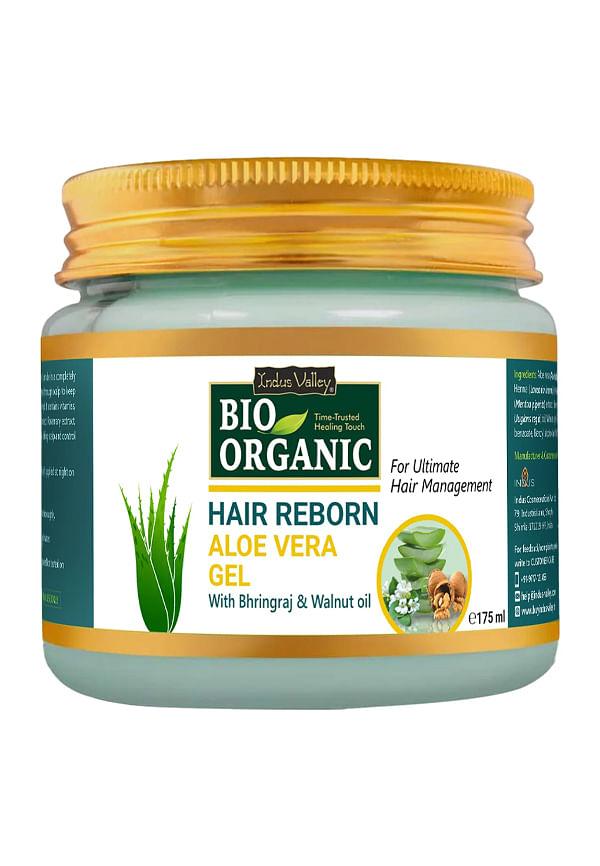 175 ml
Hair Reborn Aloe Vera Gel
Stay hydrated from the inside out. Drinking enough water helps maintain your skin's moisture barrier, including your scalp. Aim for at least 8 glasses daily, and consider foods rich in omega-3 fatty acids like salmon, walnuts, and flaxseeds.
Manage stress through regular exercise, adequate sleep, and stress-reduction techniques. Chronic stress can trigger inflammatory responses that affect your scalp health.
Your scalp's needs change with the weather. In winter, you might need more moisturising treatments, whilst summer might require more frequent washing due to increased sweating and oil production.
Rotate between different shampoos to prevent your scalp from becoming too accustomed to one formula. This can help maintain effectiveness and prevent buildup.
Regular scalp massages with your fingertips can boost circulation and help distribute natural oils. Spend 2-3 minutes gently massaging your scalp during your shower routine.
Sometimes, despite your best efforts, scalp issues need professional attention. Knowing when to seek help can prevent minor problems from becoming major ones.
See a dermatologist if your itchy scalp persists for more than 2-3 weeks despite consistent treatment. This could indicate an underlying condition that needs prescription medication.
Red flags that warrant immediate professional attention include severe inflammation, pus-filled bumps, significant hair loss, or if the itching is so intense it's affecting your daily life and sleep.
If you notice spreading redness, warmth, or tenderness, these could be signs of a bacterial infection that needs antibiotic treatment.
Apply diluted peppermint oil (10-20 drops in carrier oil) or aloe vera gel for instant cooling relief. Coconut oil also provides immediate moisture for dry, itchy scalps.
The most common cause is seborrheic dermatitis from yeast overgrowth. Other causes include dry scalp, product reactions, or stress-related inflammation.
Wash 2-3 times per week with lukewarm water and gentle, sulfate-free shampoo to avoid stripping natural oils that protect your scalp.
Yes, stress can trigger dandruff flare-ups and scalp inflammation. Practice relaxation techniques and maintain consistent scalp care routines.
Most natural remedies are gentle, but always patch test first. Essential oils must be properly diluted, and discontinue use if you experience increased irritation.
Dealing with an itchy scalp doesn't have to be a constant struggle. Understanding the root cause is your first step towards effective relief, whether it's dryness, yeast overgrowth, or product sensitivity. Quick fixes like cool water rinses and natural remedies can provide immediate comfort, whilst proper long-term care prevents future issues.
Remember that finding the right solution often involves some trial and error. What works brilliantly for your friend might not suit your scalp, and that's completely normal. With Smytten's extensive range of haircare trial packs from over 1,500 trusted brands, you can explore different anti-itch scalp solutions without committing to full-size products. This approach lets you discover what truly works for your unique scalp needs whilst earning cashback on your trials.
The key is patience and consistency. Most scalp issues improve with gentle, regular care rather than aggressive treatments. Listen to your scalp, be kind to it, and don't hesitate to seek professional help if home remedies aren't cutting it. Your scalp health is worth the investment, and with the right approach, you can say goodbye to that annoying itch for good.
