How to Rescue Dry Hair with the Perfect Oil

 100 ml
Anti - Hair Fall Hair Oil
Let's be real—dry hair can feel like a never-ending battle. One day your strands look decent, the next they're giving you serious straw vibes. If you've been scrolling through endless haircare tips and still can't crack the code, you're not alone. The good news? Hair oil for dryness might just be the game-changer you've been looking for. Think of it as your hair's personal hydration hero, ready to transform those parched strands into something worth obsessing over. Whether you're dealing with frizz, breakage, or just general dryness drama, the right oil can work absolute magic.
Before diving into solutions, let's chat about what's actually happening up there. Dry hair isn't just about looks—it's your strands literally crying out for help. When your hair lacks moisture, the cuticles (those outer protective layers) start lifting and cracking, making your hair feel rough and look dull.
Your hair didn't just wake up one day and decide to be difficult. Several culprits could be at play:
Heat styling overload: Those daily blow-dry sessions and straightening marathons are literally cooking the moisture out of your hair
Chemical treatments: Colouring, perming, or relaxing can strip away natural oils faster than you can say "salon appointment"
Environmental stress: Sun, wind, pollution, and even air conditioning can leave your hair feeling parched
Over-washing: Shampooing too frequently strips away those precious natural oils your scalp produces
Age and hormones: As we get older, our scalp produces less oil naturally
Sometimes the signs are obvious, sometimes they're sneaky. Here's what to watch for:
Hair that feels rough or straw-like to touch
Visible split ends and breakage
Lack of shine or natural lustre
Frizz that won't quit, especially in humid weather
Hair that tangles easily
Scalp that feels tight or itchy
If you're nodding along to most of these, it's time to introduce some serious moisture back into your routine. Hair oil for damaged hair and hair oil for split ends can be absolute lifesavers here.
Now, let's get a bit nerdy about why oils actually work. It's not just marketing fluff—there's real science behind why hair oil for dry scalp and strands can transform your mane.
Think of hair oils as tiny molecular heroes. Some oils have small enough molecules to actually penetrate your hair shaft, delivering moisture from the inside out. Others create a protective seal on the outside, locking in whatever moisture is already there. The best part? Hair oil for moisturising works on multiple levels—it nourishes your scalp, protects your strands, and gives you that glossy finish we're all after.
Not all oils are created equal. Some are lightweight and perfect for fine hair, while others are rich and ideal for coarse or severely damaged strands. Understanding these differences helps you pick your perfect match rather than just grabbing whatever's trending on social media.
Ready to meet your hair's new best friends? Let's break down the top contenders in the natural hair oil for dryness category.
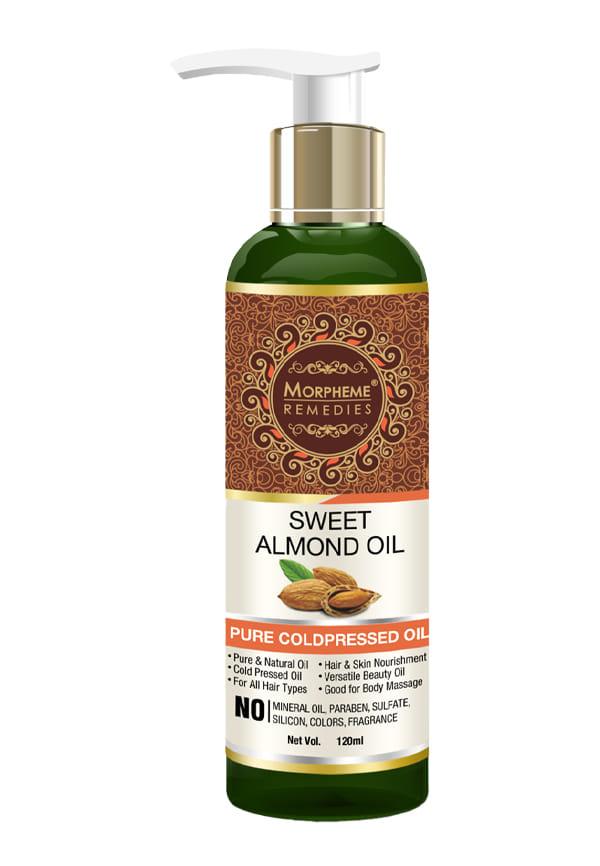 120 ml
Pure Coldpressed Sweet Almond Oil
Argan oil for dry hair is basically liquid gold from Morocco. It's lightweight enough not to weigh down fine strands but packed with vitamin E and fatty acids. Perfect for adding shine without the grease factor.
Jojoba oil: Technically a wax, but acts like the oil your scalp naturally produces
Grapeseed oil: Super light, absorbs quickly, great for heat protection
Sweet almond oil: Gentle enough for sensitive scalps, adds serious softness
Coconut oil for dry hair is the OG of hair oils. Its molecular structure allows it to penetrate deep into the hair shaft, making it brilliant for seriously damaged or coarse hair types.
Olive oil: Rich in antioxidants, perfect for deep conditioning treatments
Avocado oil: Loaded with vitamins and minerals, great for brittle hair
Castor oil: Thick and nourishing, often used for growth-boosting treatments
Sometimes you need something with a bit more targeted action:
Rosehip oil: Packed with vitamin C, brilliant for repairing damage
Marula oil: Antioxidant-rich, provides long-lasting protection
Baobab oil: Deeply moisturising without feeling heavy
Here's the thing about frizz—it's often just dryness in disguise. When your hair lacks moisture, the cuticles lift up, creating that fuzzy texture we all know and love to hate. Hair oil for frizzy hair works by smoothing down those lifted cuticles and creating a protective barrier against humidity.
Think of your hair cuticles like roof tiles. When they're smooth and flat, your hair looks shiny and feels soft. When they're lifted and damaged, they catch light differently and feel rough. Moisture helps keep those cuticles lying flat and happy.
The secret isn't just what oil you use, but how you use it:
Pre-shampoo treatments: Apply oil to dry hair 30 minutes before washing
Damp hair application: A few drops on towel-dried hair can work wonders
Scrunching method: For curly hair, scrunch oil into damp strands to define curls
Overnight treatments: Weekly deep conditioning with oil can transform stubborn frizz
Knowing which oil to use is only half the battle. The real magic happens in how you apply it. Let's break down the techniques that actually work.
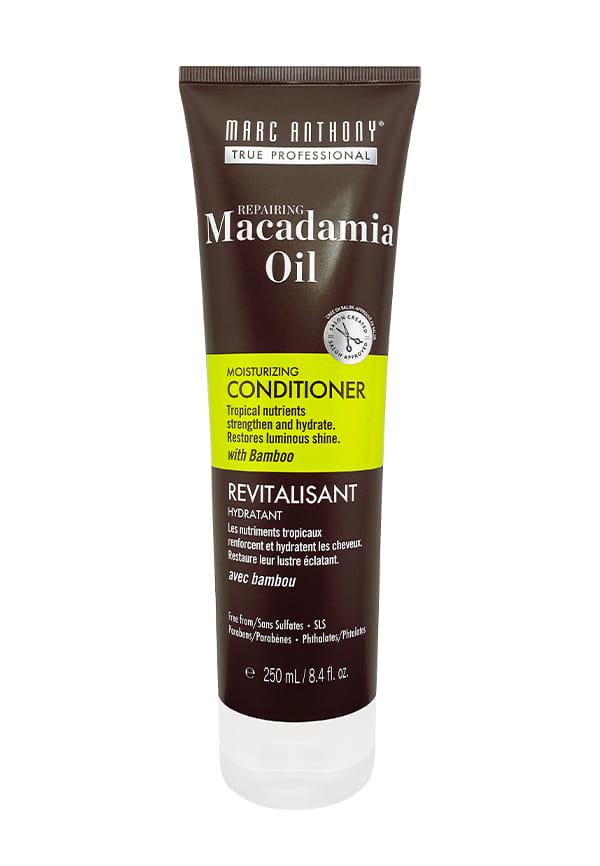 250 ml
Repairing Macadamia Oil Conditioner
This is where you can really go to town with hair oil for moisturising. Apply your chosen oil generously from mid-length to ends, focusing on the driest areas. Gently massage your scalp to boost circulation, then leave for 30-60 minutes before shampooing. For extra intensity, wrap your hair in a warm towel or use a shower cap.
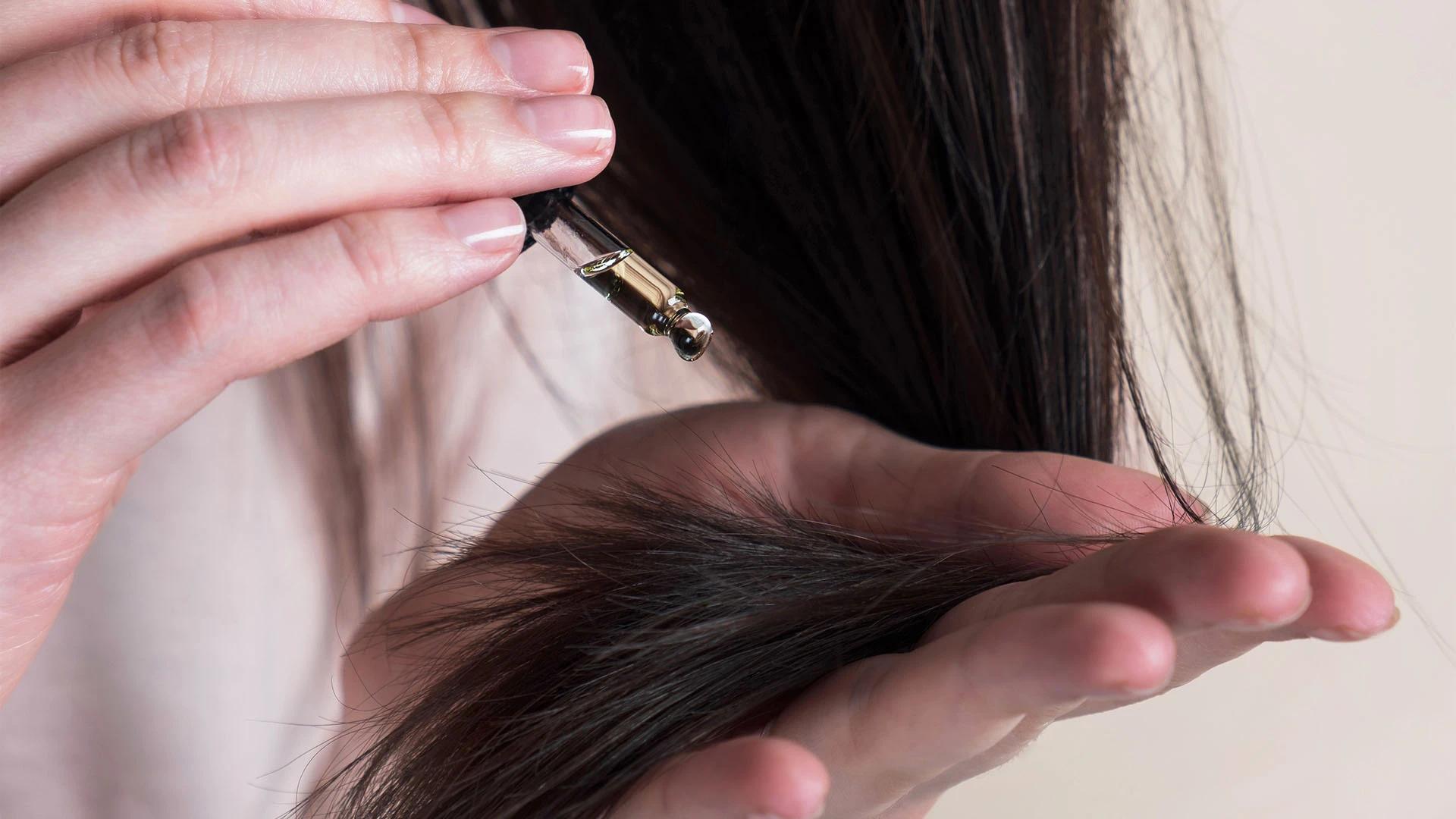
Less is definitely more here. Start with just 2-3 drops of oil, warming it between your palms before applying to damp hair. Focus on the ends and work your way up, avoiding the roots if you have fine hair. This technique works brilliantly as heat protection before styling.
Once a week, treat your hair to something special. Mix different oils for a custom blend—maybe coconut oil for penetration, argan oil for shine, and a drop of rosemary oil for scalp health. Apply generously, braid loosely, and sleep with it in. Your hair will thank you in the morning.
Here's something cool—hair oil for hair growth and moisture often go hand in hand. A healthy, well-moisturised scalp creates the perfect environment for hair growth.
Your scalp is basically the soil for your hair garden. When it's dry, tight, or irritated, hair growth can slow down. Regular oil massage improves blood circulation, delivers nutrients to hair follicles, and keeps the scalp environment healthy and balanced.
Try mixing your base oil with a few drops of:
Rosemary oil: Studies suggest it might be as effective as some commercial growth treatments
Peppermint oil: Creates a tingling sensation that boosts circulation
Lavender oil: Promotes relaxation and may support healthy hair growth
With platforms like Smytten, you can actually try different hair oil formulations in mini sizes before committing to full-size bottles. It's perfect for experimenting with different combinations without the financial commitment—especially helpful when you're trying to find your perfect growth-boosting blend.
Even the best intentions can go wrong. Here are the most common mistakes people make when using hair oils, and how to avoid them.
Using too much oil is probably the biggest mistake. More isn't always better—it can leave your hair looking greasy and feeling heavy. Start with less than you think you need, and build up gradually.
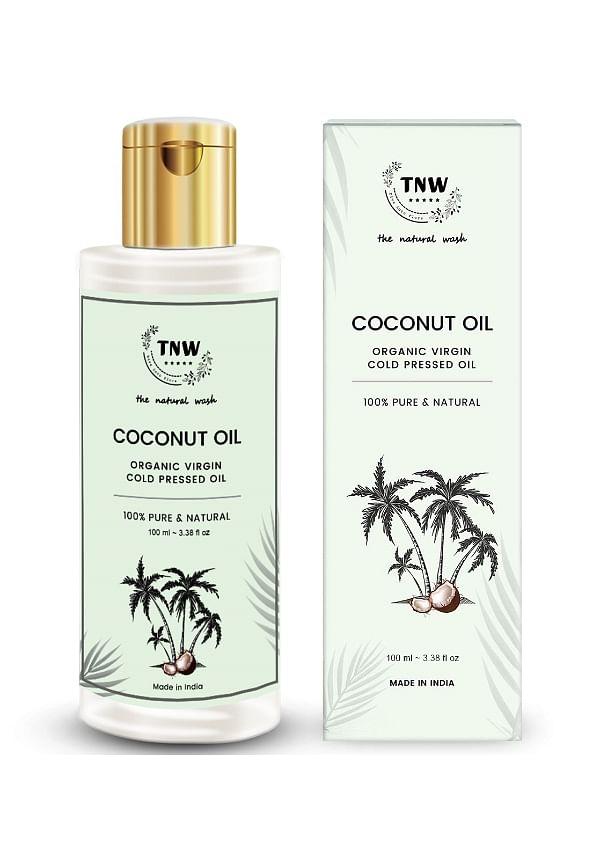 100 ml
Coconut Oil
Wrong timing: Applying oil to soaking wet hair dilutes its effectiveness
Ignoring hair porosity: High porosity hair needs different treatment than low porosity
Skipping patch tests: Always test new oils on a small area first
Using the wrong oil for your hair type: What works for your friend might not work for you
Not all oils are created equal. Avoid products with lots of added fragrances or chemicals—pure, cold-pressed oils usually work best. Also, don't mix oils randomly without understanding how they work together.
It depends on your hair type and level of dryness. Fine hair might need oil 1-2 times per week, while coarse or very dry hair can handle daily application. Start with once a week and adjust based on how your hair responds.
Yes, if you use too much or choose the wrong type for your hair. Fine hair needs lightweight oils like argan or jojoba, while thick hair can handle heavier oils like coconut or olive oil.
Jojoba oil is brilliant for dry scalp because it closely mimics your natural sebum. Tea tree oil (diluted) can also help with scalp issues, while coconut oil provides deep moisturising.
You might notice immediate softness and shine, but significant improvements in hair health typically take 4-6 weeks of consistent use. Patience is key—good hair doesn't happen overnight.
Absolutely! In fact, coloured hair often needs extra moisture. Oils can help maintain colour vibrancy and prevent fading, especially if you use them as heat protection before styling.
For deep conditioning, apply to dry hair. For styling and light moisture, damp hair works best. Avoid soaking wet hair as it can dilute the oil's effectiveness.
Finding the perfect hair oil for dryness is a bit like dating—it might take a few tries to find your perfect match, but when you do, it's absolutely worth it. Remember, consistency is key. Your hair didn't become dry overnight, and it won't transform overnight either. Give your chosen oil routine at least a month to work its magic.
The beauty of hair oils is that they're incredibly versatile. You can use them as pre-wash treatments, styling aids, or overnight masks. Start simple with one oil, master the technique, then experiment with blends and combinations. With Smytten's trial-sized options, you can explore different hair oil formulations from trusted brands without committing to full-size products. This approach lets you discover what works best for your unique hair needs—whether you're dealing with dryness, frizz, or damage—before making larger investments. After all, why settle for maybe when you can try it all and find your perfect hair oil match?
