Let's be honest—once a hair strand is split, there's no magical product that can permanently fuse it back together. The most effective split end treatment starts with proper trimming, but there are ways to temporarily seal and strengthen damaged ends while you grow out healthier hair.
Trimming Techniques: The Foundation of Split End Repair
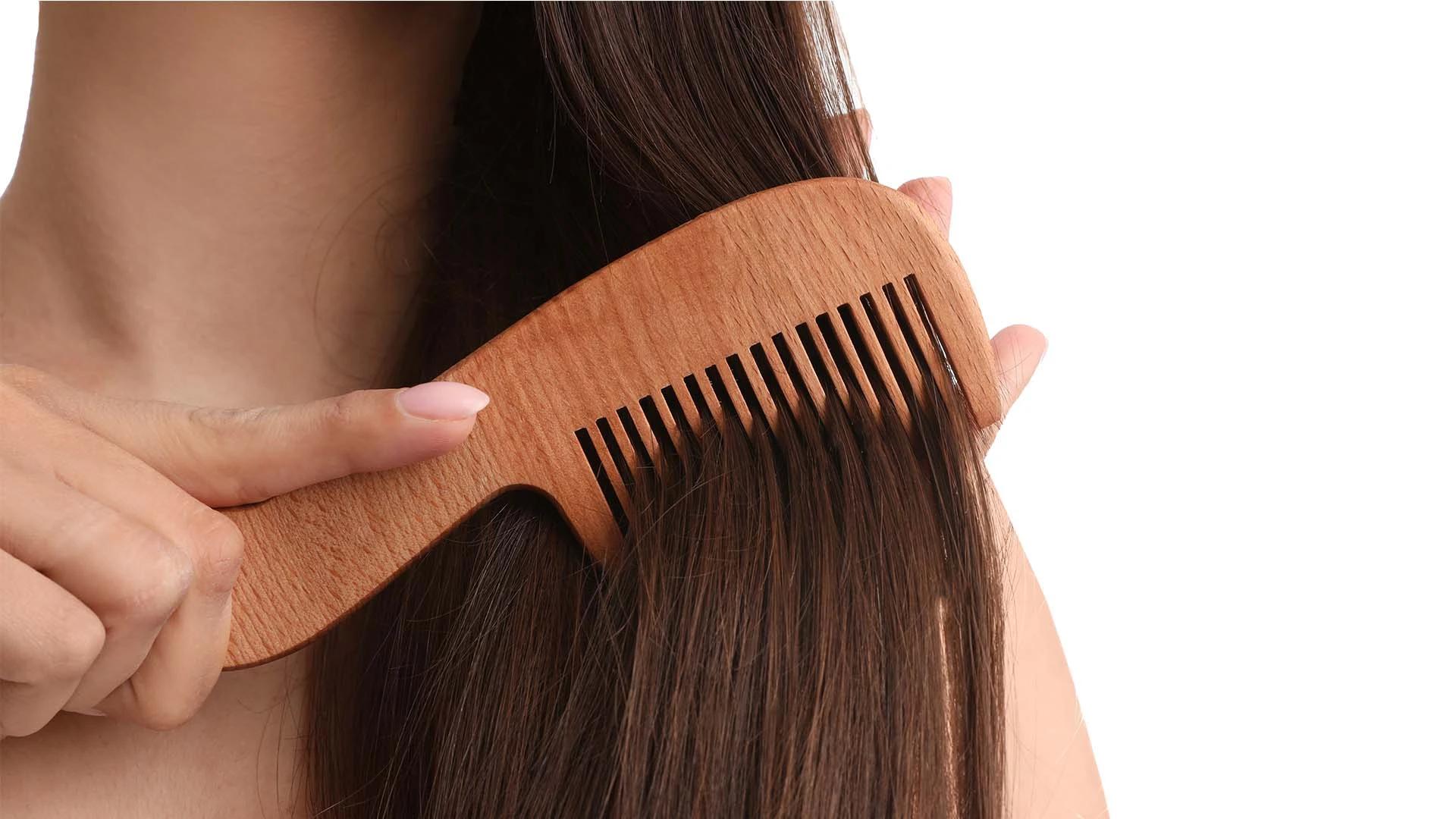
The golden rule of split end repair is regular trimming, but it's not just about chopping off length. Professional stylists use specific cutting techniques to prevent further damage. When trimming at home, use sharp hairdressing scissors (never regular household scissors) and cut at a slight angle rather than straight across. This helps prevent blunt edges that can lead to more splitting.
Most hair experts recommend trimming every 6-8 weeks, but if you're dealing with severe damage, you might need more frequent trims initially. The key is removing just enough to eliminate the damaged ends without sacrificing too much length.
Deep Conditioning Treatments for Damaged Hair
While you can't technically repair split ends without cutting, deep conditioning treatments can help strengthen the hair shaft and prevent new splits from forming. Look for treatments that contain both protein and moisture—damaged hair needs both to maintain its structure and flexibility.
Protein treatments help rebuild the hair's internal structure, while moisture treatments keep hair supple and less prone to breakage. The trick is finding the right balance for your hair type. Over-processed hair typically needs more protein, while dry, brittle hair benefits from extra moisture.
Best Split End Repair Products: Expert-Recommended Solutions
Choosing the right hair repair products can make a huge difference in how your hair looks and feels between trims. The market is flooded with options, but knowing what ingredients to look for will help you make smarter choices.
Top Split End Serums and Leave-In Treatments
Split end serums work by temporarily binding the damaged cuticles together, creating the appearance of smoother, healthier hair. Look for products containing keratin, amino acids, or natural oils like argan or coconut oil. These ingredients help fill in gaps in the hair cuticle and provide a protective barrier against further damage.
When applying a split end serum, focus on the mid-lengths and ends of your hair, avoiding the roots to prevent greasiness. Use it on damp hair before styling for best results, and remember that a little goes a long way.
Shampoos and Conditioners for Split End Prevention
The foundation of any good
hair care routine starts with the right shampoo and conditioner. For damaged hair, opt for sulfate-free formulations that won't strip your hair of its natural oils. Look for pH-balanced products (ideally between 4.5-5.5) that help keep the hair cuticle smooth and less prone to damage.
Ingredients like hydrolysed proteins, ceramides, and natural oils can help strengthen hair and prevent future breakage. Avoid products with harsh sulfates, alcohol, or excessive fragrance, as these can further dry out already damaged hair.
Professional Hair Care Routine for Split End Prevention

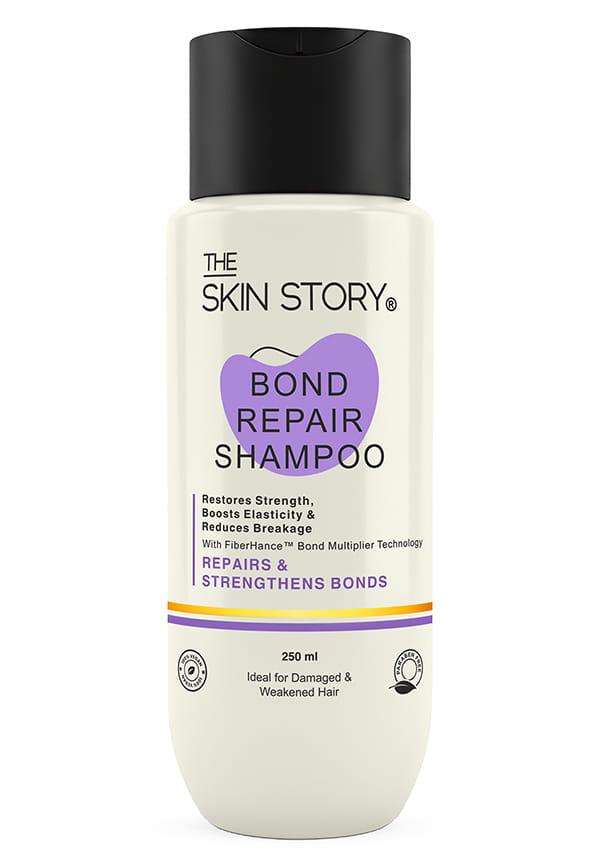 250 ml
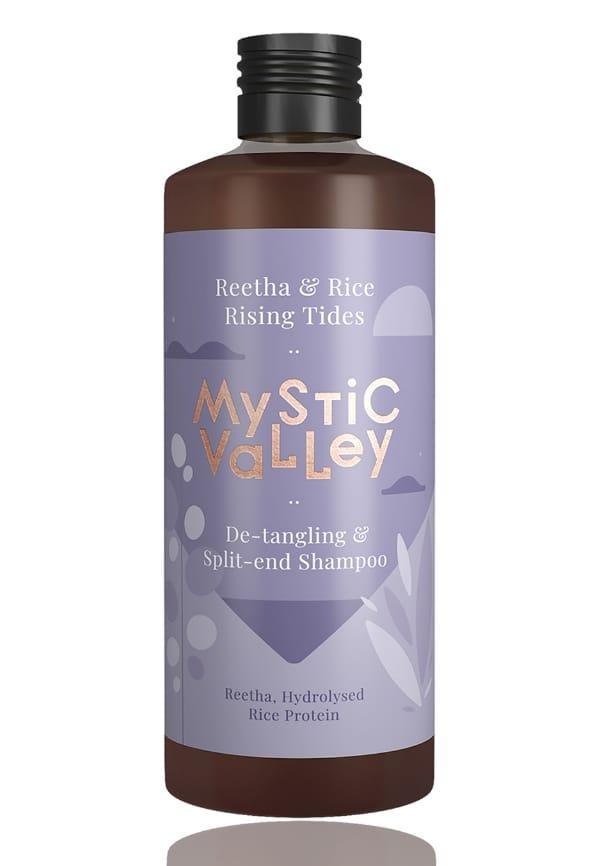 350 ml
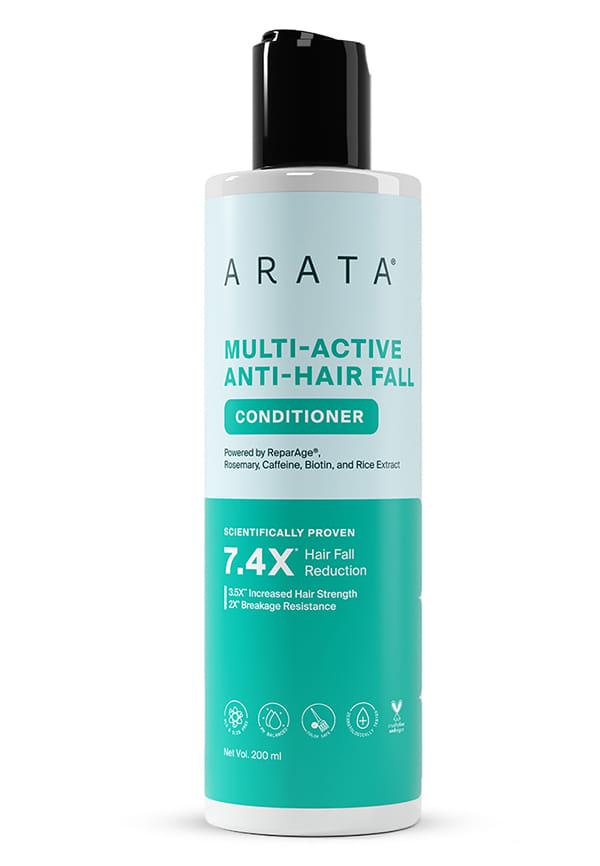 200 ml
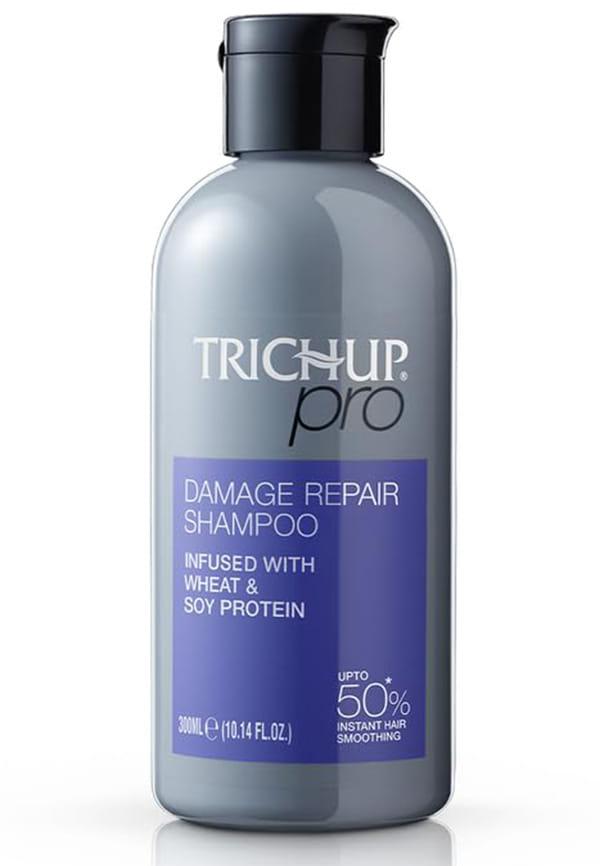 300 ml