How to Repair Damaged Hair with Protein Power

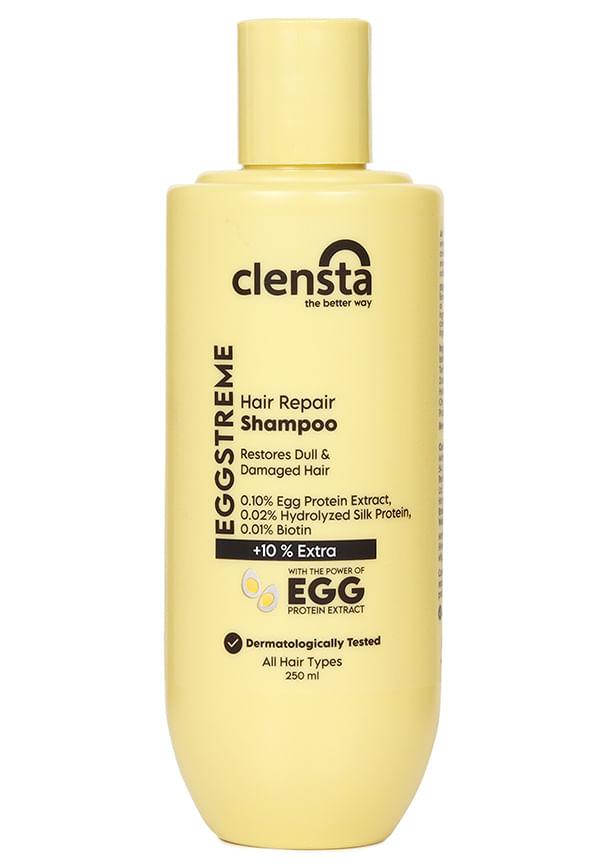 250 ml
Eggstreme Hair Repair Shampoo With Egg Protein, Biotin & Hydrolyzed Silk Protein
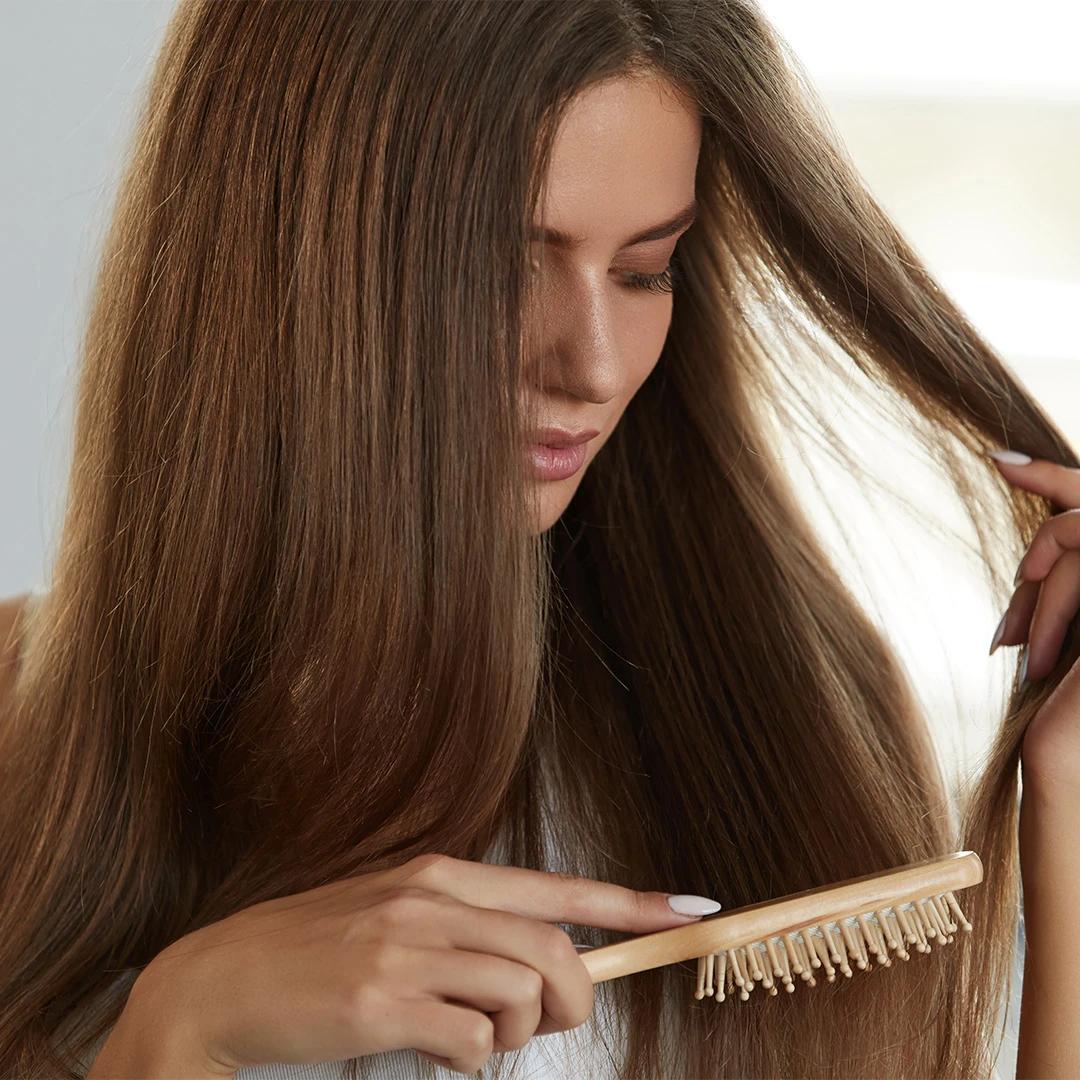
Your hair's been through it all—endless heat styling, chemical treatments, and environmental stress that's left it looking more like straw than silk. If you're dealing with breakage, split ends, and strands that snap at the slightest touch, you're not alone. Here's the thing: your hair is basically 90% protein, so when damage strikes, the solution is pretty obvious. Hair repair with protein isn't just another beauty trend—it's science-backed restoration that can transform your damaged locks into stronger, healthier strands. Let's dive into how protein treatments work their magic and why they might just be your hair's new best friend.
Your hair is essentially a complex protein structure, with keratin making up the majority of each strand. Think of it like a rope made of tiny protein fibres—when those fibres get damaged, the whole structure becomes weak and prone to breaking.
Every single strand of your hair contains three layers: the medulla (inner core), cortex (middle layer), and cuticle (outer protective layer). The cortex is where most of your hair's protein lives, giving it strength and elasticity. When you use heat tools, chemical treatments, or even brush too aggressively, you're essentially breaking down these protein bonds.
Environmental factors like UV rays and pollution also contribute to protein loss. Your hair cuticles start lifting, creating gaps where moisture escapes and damage creeps in. This is why damaged hair often feels rough, looks dull, and breaks easily.
Protein treatments work by delivering hydrolysed proteins—basically pre-digested protein molecules that are small enough to penetrate your hair shaft. These proteins fill in the gaps left by damage, temporarily rebuilding your hair's structure from the inside out.
The magic happens when these proteins bind to the damaged areas, creating a protective layer that strengthens the hair shaft. It's like giving your hair a structural renovation, reinforcing weak spots and preventing future breakage.
Not sure if your hair is crying out for protein? There are some pretty clear signs that your strands are protein-deficient and could benefit from targeted hair strengthening treatments.
Your hair basically tells you when it needs help. Look out for excessive breakage—if you're finding broken strands everywhere, that's your hair's SOS signal. Split ends that seem to multiply overnight are another red flag.
Limp, lifeless hair that won't hold a style is often protein-starved. If your hair feels stretchy when wet (like it could stretch significantly before snapping back), that's a classic sign of protein deficiency. Dull, rough texture and high porosity—where your hair soaks up moisture quickly but loses it just as fast—are also telltale signs.
Here's a simple test: take a wet strand of clean hair and gently stretch it. Healthy hair should stretch about 30% of its length and bounce back. If it stretches way more than that or feels mushy, you need protein. If it snaps immediately without stretching, you might actually need moisture instead.
This balance is crucial because too much protein can make your hair brittle, whilst too little leaves it weak and stretchy. Getting this right is key to effective damaged hair repair.
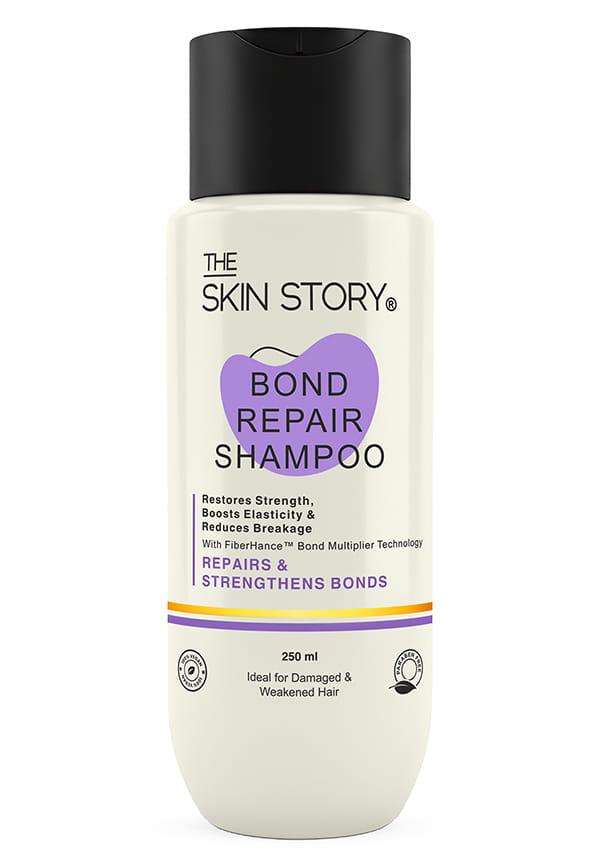 250 ml
Professional Bond Repair Shampoo For Damaged Hair
Not all proteins are created equal when it comes to hair repair. Different types work better for different damage levels and hair types, so knowing your options helps you choose the right hair breakage treatment.
Keratin is the gold standard for severely damaged hair. Since it's the same protein your hair is naturally made of, it integrates seamlessly with your hair's structure. Keratin treatments can penetrate deep into the hair shaft, making them perfect for chemically processed or heat-damaged hair.
These treatments typically last 2-4 months and can dramatically reduce frizz whilst strengthening your strands. The results are usually visible after just one treatment, with hair feeling smoother and looking shinier.
Collagen treatments focus on improving hair elasticity and flexibility. They're brilliant for hair that's become brittle and prone to snapping. Collagen molecules are larger, so they work more on the surface, creating a protective film that adds shine and manageability.
Silk protein is perfect for fine, fragile hair. It's lightweight and won't weigh your hair down whilst still providing strengthening benefits. Wheat and quinoa proteins are excellent for low porosity hair because they're smaller molecules that can actually penetrate resistant cuticles.
Hydrolysed proteins are broken down into smaller molecules, making them more effective for deep repair. They can actually get inside your hair shaft to rebuild from within. Whole proteins work more on the surface, providing temporary strengthening and protection.
For severe damage, hydrolysed proteins are your best bet. For maintenance and surface protection, whole proteins work brilliantly and are often gentler for regular use.
You don't need to break the bank to give your hair some protein love. There are loads of effective DIY options that can deliver real results using ingredients you probably already have at home.
Eggs are probably the most accessible protein treatment. Mix one whole egg with a tablespoon of honey for a simple protein mask for hair. The egg provides protein whilst honey adds moisture—perfect for balanced repair.
For a gelatin treatment that's brilliant for split end repair, dissolve one packet of unflavoured gelatin in hot water, let it cool slightly, then apply to damp hair. This creates a temporary protein coating that can help seal split ends.
Greek yoghurt mixed with mashed avocado creates a nourishing mask that combines protein with healthy fats. Rice water—the starchy water left after cooking rice—is packed with amino acids and makes an excellent weekly protein boost.
Start with clean, damp hair for better penetration. Apply your chosen treatment from mid-length to ends, avoiding the roots unless your scalp is particularly dry. Leave most protein treatments on for 15-20 minutes—any longer and you risk protein overload.
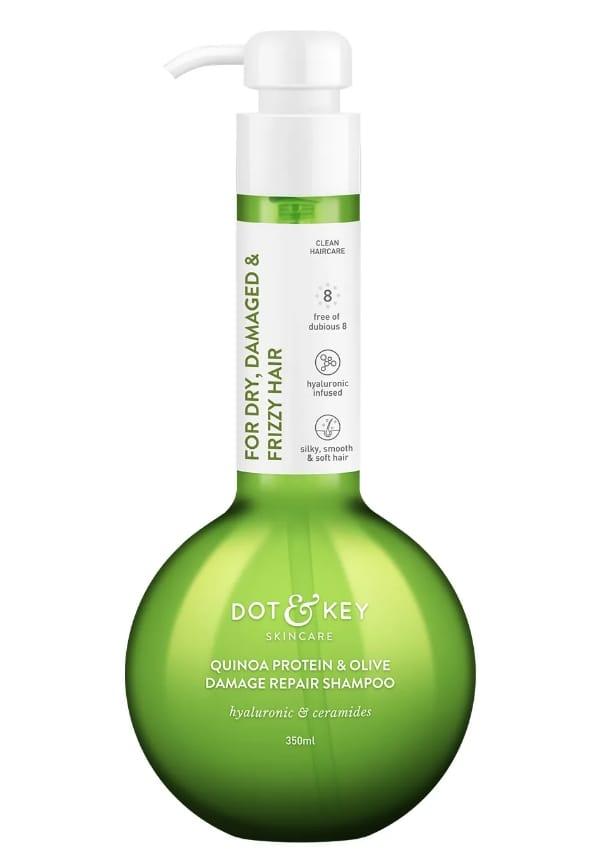 350ml
350mlQuinoa Protein & Olive Damage Repair Shampoo
Rinse thoroughly with cool water to help seal the cuticles. Follow up with a light conditioner if your hair feels a bit stiff. For best results, do protein treatments once a week initially, then reduce to every 2-3 weeks for maintenance.
Whilst DIY treatments are brilliant for maintenance, sometimes your hair needs the big guns. Professional treatments use higher concentrations of protein and can be customised to your specific damage type.
Professional treatments typically use more potent formulations that can deliver faster, longer-lasting results. A salon protein treatment can cost anywhere from ₹2,000 to ₹8,000, depending on your location and the specific treatment.
The advantage is that professionals can assess your hair's exact needs and adjust the treatment accordingly. They can also combine protein with other treatments like deep conditioning or scalp therapies for comprehensive hair repair.
When shopping for hair repair products, look for ingredients like hydrolysed keratin, silk amino acids, or wheat protein. Leave-in protein treatments are brilliant for daily maintenance—they provide ongoing strengthening without the commitment of a full mask.
Clarifying shampoos are essential if you're doing regular protein treatments, as they help remove buildup that can make your hair feel heavy or greasy. With Smytten's trial packs, you can test different protein treatments without committing to full-size products, making it easier to find what works best for your hair type.
Here's the thing about protein treatments—more isn't always better. Overdoing it can actually make your hair worse, so it's crucial to recognise when you've crossed the line.
Protein overload makes your hair feel straw-like, brittle, and prone to snapping. If your hair starts feeling rough and unmanageable after protein treatments, you've probably overdone it. Other signs include increased tangling, dryness, and a general lack of flexibility.
The fix is simple: switch to moisture-rich treatments for a few weeks. Deep conditioning masks, leave-in conditioners, and oil treatments can help restore balance. Avoid any products with protein until your hair feels soft and flexible again.
Most hair types benefit from protein treatments every 2-4 weeks, but this varies based on your damage level and hair type. Fine hair might need protein more frequently, whilst thick, coarse hair might only need it monthly.
The key is listening to your hair. If it feels strong and elastic, you can space treatments further apart. If breakage increases, it might be time for another hair protein boost.
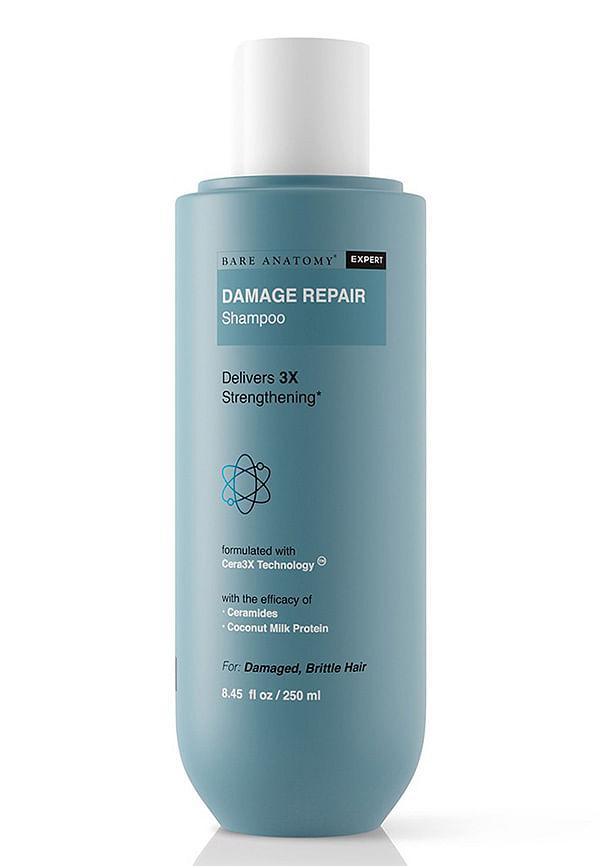 250 ml
Expert Damage Repair Shampoo To Repair And Strengthen Up To 3X
Protein treatments work best as part of a comprehensive hair care routine. There are loads of lifestyle factors that can support your hair repair journey and help you get the most from your treatments.
What you eat directly impacts your hair health. Protein-rich foods like eggs, fish, and legumes provide the building blocks your hair needs to grow strong. Biotin, iron, and vitamin D are also crucial for healthy hair growth.
Heat protection is non-negotiable if you're trying to repair damage. Use a heat protectant every single time you style, and try to keep temperatures below 180°C. Air-drying when possible gives your hair a break from heat stress.
Start with a weekly protein treatment for the first month, then adjust based on how your hair responds. Alternate protein treatments with deep conditioning masks to maintain moisture balance.
Use a wide-tooth comb on wet hair, sleep on silk pillowcases to reduce friction, and trim your ends regularly to prevent split ends from travelling up the hair shaft. Track your progress with photos—you'll be amazed at the difference after a few months of consistent care.
Protein treatments provide temporary repair by filling gaps in damaged hair cuticles. Whilst they can't permanently fix damage that's already occurred, they can significantly strengthen your hair and prevent further breakage. The effects typically last 4-6 weeks with proper maintenance.
For severely damaged hair, start with weekly treatments for the first month, then reduce to every 2-3 weeks. Fine hair might benefit from more frequent treatments, whilst thick, coarse hair typically needs them less often. Always listen to your hair and adjust accordingly.
Protein treatments strengthen and rebuild damaged hair structure, whilst moisture treatments hydrate and soften. Healthy hair needs both—protein for strength and moisture for flexibility. The key is finding the right balance for your hair type and damage level.
Yes, protein treatments are actually brilliant for colour-treated hair, which is often more porous and prone to damage. However, choose gentler formulations and always do a patch test first. Some protein treatments can slightly alter hair colour, so it's worth testing on a hidden section first.
Hair with protein overload feels stiff, brittle, and breaks easily. It might also feel rough to the touch and be difficult to style. If this happens, switch to moisture-rich treatments and avoid protein until your hair feels soft and flexible again.
Hair repair with protein can genuinely transform damaged, brittle strands into stronger, healthier hair. The key is understanding your hair's specific needs and finding the right balance between protein and moisture. Start with gentler treatments and gradually work your way up if needed—your hair will thank you for the patience.
Remember, consistency is everything when it comes to hair repair. Regular protein treatments, combined with proper heat protection and a balanced hair care routine, can help you achieve the strong, resilient hair you're after. With Smytten's extensive range of haircare trial packs from trusted brands, you can experiment with different protein treatments to find your perfect match without the commitment of full-size purchases. After all, why settle for damaged hair when you can try different solutions and discover what works best for your unique hair needs?
