How to Repair Damaged Hair: Expert Advice for Brighter Locks


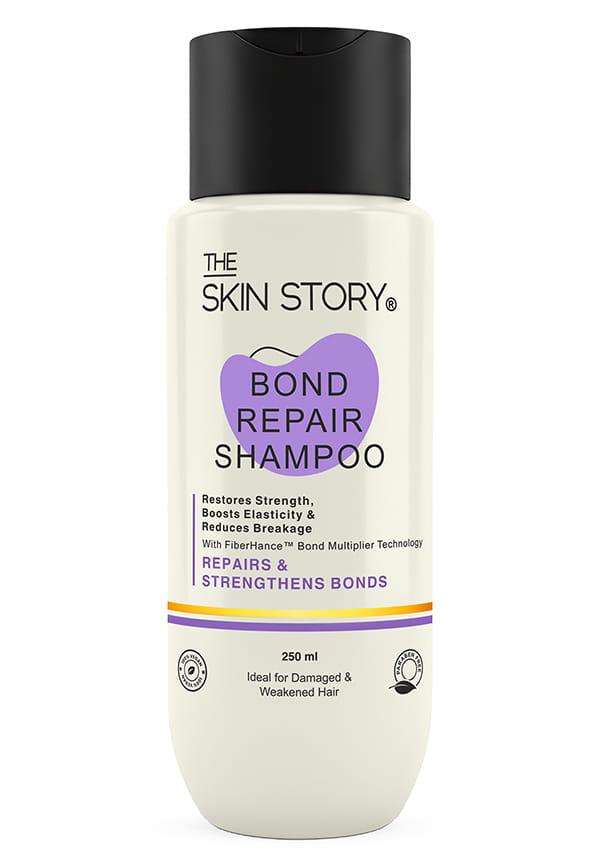 250 ml
Professional Bond Repair Shampoo For Damaged Hair
You know that moment when you catch your reflection and realise your hair looks more like a bird's nest than the glossy locks you had in mind? We've all been there. Whether it's from too many heat styling sessions, chemical treatments gone wrong, or just life being life, damaged hair can feel like a puzzle you can't solve. The good news? Your hair isn't beyond saving, and with the right hair care advice for damage, you can get back to having locks worth obsessing over.
Before diving into damaged hair repair, let's get real about what we're dealing with. Hair damage isn't just about split ends (though they're definitely part of the story). It's a whole spectrum of issues that can make your hair feel like it's lost its spark. Think of your hair like a delicate fabric – once the fibres start breaking down, everything else follows.
The tricky bit is that hair damage often creeps up slowly. One day you're fine, the next you're wondering why your hair feels like straw. Understanding what's happening helps you tackle the problem head-on rather than just masking it with temporary fixes.
Split ends are the most obvious red flag, but they're not the only thing to watch for. Your hair might feel rough or tangled more easily than before. You might notice it's lost its natural bounce or that it breaks when you run your fingers through it. Dullness is another telltale sign – healthy hair reflects light, whilst damaged hair absorbs it.
Heat styling tools are major culprits, especially when used without proper protection. Chemical treatments like colouring, perming, or relaxing can weaken hair structure. Even everyday things like harsh brushing, tight hairstyles, or sleeping on rough pillowcases can contribute. Environmental factors like UV rays and pollution don't help either. Interestingly, stress and high cortisol levels can also cause hair breakage by affecting your hair's growth cycle.
Building a solid hair care routine for damaged hair isn't about using every product under the sun. It's about being strategic with what you choose and how you use it. Think of it as creating a recovery plan that your hair can actually follow without getting overwhelmed.
The key is consistency rather than intensity. Your hair didn't get damaged overnight, and it won't repair itself that quickly either. But with the right approach, you'll start seeing improvements within a few weeks. The trick is finding products that work for your specific type of damage and hair texture.
Pre-shampoo treatments are like giving your hair a protective barrier before the main event. Oil treatments using coconut, argan, or jojoba oil can help prevent further damage during washing. Apply from mid-length to ends and leave for 20-30 minutes before shampooing.
When looking for the best shampoo for damaged hair, avoid anything with harsh sulphates that can strip your hair further. Look for gentle, moisturising formulas with ingredients like keratin, biotin, or natural oils. Your conditioner should be rich and nourishing – this isn't the time for lightweight formulas.
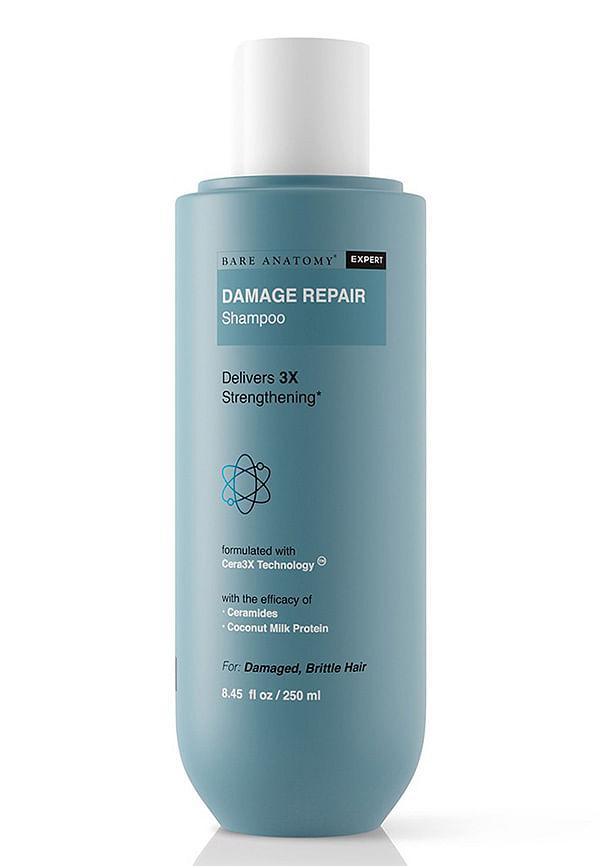 250 ml
Expert Damage Repair Shampoo To Repair And Strengthen Up To 3X
A good hair mask for damaged hair should be part of your weekly routine, not just an occasional treat. Look for masks with protein to strengthen and moisture to hydrate. Apply generously, focusing on the most damaged areas, and leave on for the recommended time – rushing this step won't do you any favours.
Hair strengthening isn't just about what products you use – it's also about how you handle your hair day-to-day. Small changes in your routine can make a massive difference in preventing further damage whilst your hair recovers. These hair strengthening tips focus on being gentler whilst still getting the results you want.
The goal is to reduce mechanical stress on your hair whilst providing it with the nutrients and protection it needs to rebuild. Think of your damaged hair as being in recovery mode – it needs extra care and attention until it's back to full strength.
If you can't give up heat styling completely, at least make it safer. Always use a heat protectant spray or serum before styling, and keep temperatures below 180°C. Consider air-drying when possible, or use the cool shot button on your hairdryer to set your style without extra heat damage.
Wet hair is at its most vulnerable, so be extra gentle when it's damp. Use a wide-tooth comb or detangling brush, starting from the ends and working your way up. Avoid tight ponytails or braids that can cause breakage, and consider protective styles that keep your ends tucked away.
When you need quick results, these dry hair solutions can help improve your hair's appearance and feel almost immediately. Whilst true repair takes time, these methods can give you a confidence boost whilst you work on the longer-term recovery plan.
These hair hydration methods focus on adding moisture back into your hair shaft and smoothing the cuticle for instant improvement. They're particularly helpful when you have an event coming up and need your hair to look its best.
Kitchen ingredients can work wonders for damaged hair. Try a mask made from mashed avocado and honey for deep moisture, or mix egg yolk with olive oil for protein and shine. Apply these treatments to damp hair, focusing on the mid-lengths and ends, and leave for 20-30 minutes before washing out.
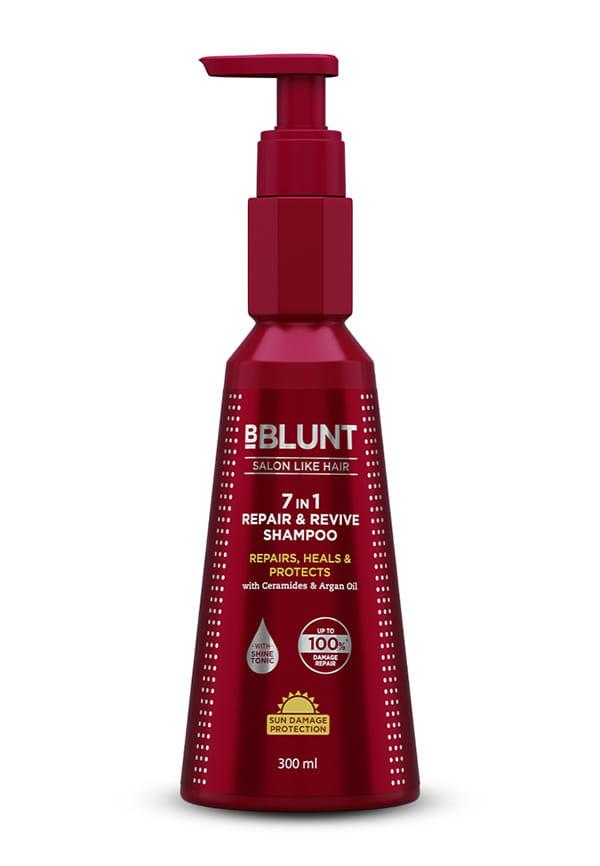 300 ml
7 in 1 Repair & Revive Shampoo for Upto 100% Damage Repair
Whilst you can't truly repair split ends (they need to be trimmed), you can temporarily seal them with leave-in treatments or hair oils. Regular trims every 6-8 weeks prevent splits from travelling up the hair shaft. Between trims, use a split ends remedy serum to keep them under control.
Sometimes your hair needs more help than what you can provide at home. Professional treatments can give your damaged hair repair journey a serious boost, especially if you're dealing with severe damage from chemical processing or excessive heat styling.
The key is knowing when to invest in professional help and when at-home treatments will do the job. Professional treatments tend to be more concentrated and can penetrate deeper into the hair shaft, but they're also more expensive and time-consuming.
If your hair is severely damaged, chemically over-processed, or if you're not seeing results from at-home treatments after 6-8 weeks, it might be time for professional intervention. Salon treatments like Olaplex, keratin treatments, or deep protein reconstructors can help rebuild your hair's structure.
Your at-home routine should include a gentle shampoo, rich conditioner, weekly hair mask, leave-in treatment, and heat protectant. Don't feel like you need to buy everything at once – build your collection gradually and see what works for your hair type and damage level.
These healthy hair tips go beyond what you put on your hair to what you put in your body and how you manage stress. Your hair is a reflection of your overall health, so supporting it from the inside out can speed up the recovery process significantly.
Think of hair repair as a holistic process. Whilst external treatments are important, your hair also needs proper nutrition, hydration, and a stress-free environment to rebuild itself effectively.
Your hair needs protein, iron, biotin, and vitamins A, C, and E to grow strong and healthy. Include foods like eggs, fish, nuts, leafy greens, and berries in your diet. Don't forget to drink plenty of water – dehydration shows up in your hair just as much as in your skin.
High cortisol levels from chronic stress can weaken hair and make it more prone to breakage. Finding healthy ways to manage stress – whether through exercise, meditation, or hobbies you enjoy – can actually help your hair repair itself more effectively.
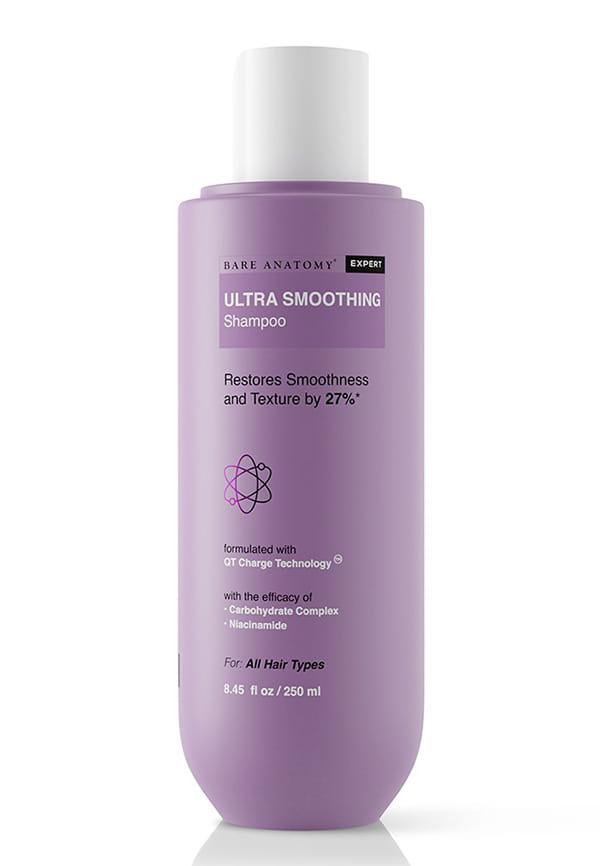 250 ml
Expert Ultra Smoothing Shampoo To Restore Smoothness, Repair Damaged Hair And Locks In Moisture
Start with gentle, sulphate-free products and incorporate weekly deep conditioning treatments. Minimise heat styling, use protective styles, and be extra gentle when handling wet hair. Consistency is key – stick to your routine for at least 6-8 weeks to see real improvement.
Yes, elevated cortisol levels from chronic stress can weaken hair structure and disrupt the growth cycle, leading to increased breakage and hair loss. Managing stress through healthy lifestyle choices can help reduce cortisol levels and improve hair health.
The most effective approach combines regular deep conditioning treatments, protein masks when needed, gentle handling, heat protection, and proper nutrition. Professional treatments can help with severe damage, but consistency with at-home care is crucial for long-term results.
You might see improvements in texture and manageability within 2-4 weeks, but significant repair typically takes 2-3 months of consistent care. Since hair grows about half an inch per month, completely replacing damaged hair with healthy new growth can take 6-12 months depending on your hair length.
Whilst you can't reverse damage that's already occurred, you can significantly improve your hair's appearance and prevent further damage. Severely damaged sections may need to be trimmed, but with proper care, new growth will be healthier and stronger.
Avoid harsh sulphates, drying alcohols (like isopropyl alcohol), and excessive protein treatments which can make damaged hair brittle. Also steer clear of products with high pH levels that can further lift the hair cuticle and cause more damage.
Repairing damaged hair is definitely possible with the right approach and patience. Focus on gentle cleansing, regular deep conditioning, and protective styling whilst giving your hair time to recover. Remember that consistency beats intensity – it's better to stick to a simple routine than to overwhelm your hair with too many treatments.
The journey to healthier hair doesn't have to break the bank or require a complete lifestyle overhaul. Small changes like using a silk pillowcase, applying heat protectant, or doing a weekly hair mask can make a real difference over time. Your hair has an amazing ability to bounce back when given the right care and attention.
If you're looking to try different products without committing to full sizes, Smytten offers trial-size versions of many haircare treatments from trusted brands. It's a smart way to test what works for your specific hair needs before investing in larger bottles – because finding your perfect hair care routine shouldn't involve guesswork.
