How to Relieve Itchy Scalp: Your Questions Answered

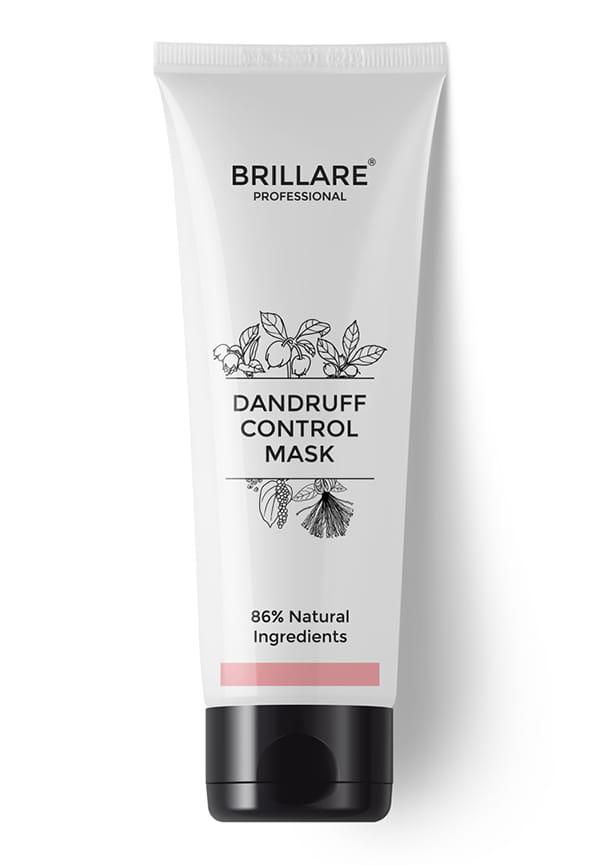
Conditioner For Itchy, Flaky Scalp
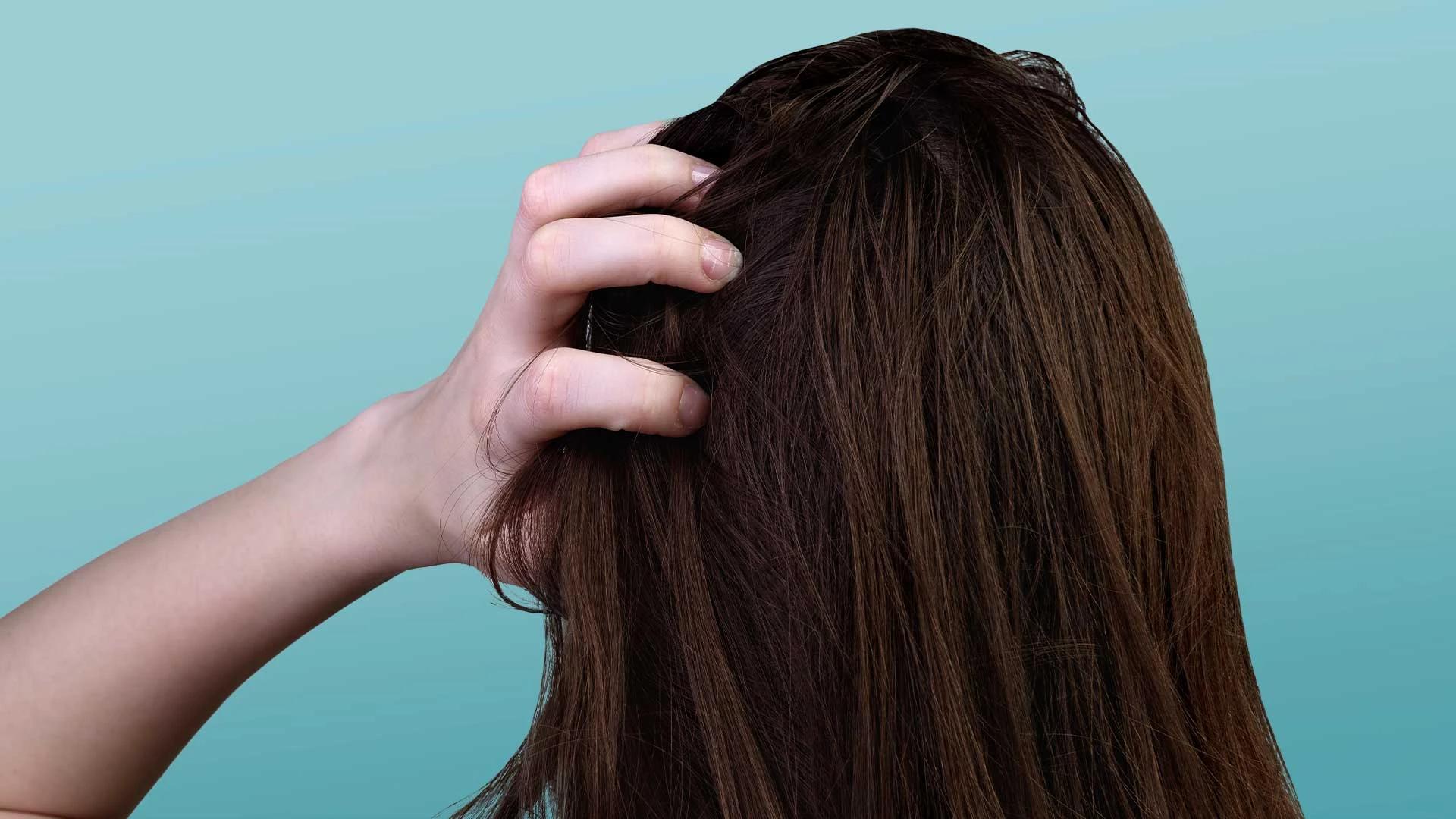
You know that moment when you're in the middle of an important meeting and your scalp decides to stage its own little rebellion? The itch starts small, then builds until you're practically clawing at your head like you've got fleas. We've all been there, and honestly, it's one of those things that can turn a perfectly good day into a scratchy nightmare. Whether it's the dry winter air wreaking havoc on your scalp or that new shampoo you tried last week, an itchy scalp is your head's way of telling you something's not quite right. The good news? There are loads of ways to get relief, from quick fixes that work in minutes to long-term strategies that'll keep the itch at bay for good.
Before we dive into how to relieve itchy scalp situations, let's figure out what's causing all that scratching in the first place. Your scalp is basically skin, and just like the skin on your face or body, it can get irritated, dry, or react to things it doesn't like. The tricky bit is that scalp irritation remedies work differently depending on what's actually going on up there.
Dry scalp is probably the most common culprit, especially during colder months when the air sucks all the moisture out of everything. Your scalp feels tight, maybe a bit flaky, and the itch is more of a persistent annoyance than anything dramatic. Then there's dandruff, which people often confuse with dry scalp, but it's actually caused by a yeast-like fungus that loves oily environments. With dandruff, you'll see larger, yellowish flakes and the itch tends to be more intense.
Product buildup is another sneaky cause that loads of people miss. All those styling products, dry shampoos, and even regular shampoos can build up on your scalp over time, creating a layer that irritates your skin and clogs your hair follicles. It's like wearing a jumper that's been washed in fabric softener for months – eventually, your skin's going to rebel.
Sometimes the itch signals something a bit more serious. Seborrheic dermatitis shows up as red, scaly patches that can be quite inflamed, whilst scalp psoriasis creates thick, silvery scales. Eczema on the scalp tends to be more about redness and small bumps. These conditions need different approaches, so if your scalp looks angry or the itching doesn't respond to basic dry scalp solutions, it might be time to chat with a dermatologist.
When your scalp is driving you absolutely mad and you need relief fast, there are several ways to soothe itchy scalp irritation almost immediately. The key is cooling things down and breaking that awful itch-scratch cycle that just makes everything worse.
Cold therapy works brilliantly for instant relief. Wrap some ice cubes in a thin towel and hold it against the itchiest spots for about 10 minutes. The cold numbs the itch signals and reduces any inflammation that might be making things worse. If ice feels too intense, try rinsing your hair with cool water instead – it's gentler but still effective.
Aloe vera gel straight from the fridge is another game-changer. The cooling sensation plus aloe's natural anti-inflammatory properties can calm angry scalp skin in minutes. Just make sure you're using pure aloe gel, not the bright green stuff that's loaded with alcohol and artificial colours.
Tea tree oil is brilliant for itchy scalp relief, but you've got to dilute it properly or you'll end up with an even angrier scalp. Mix 2-3 drops with a tablespoon of coconut oil or jojoba oil, massage it into your scalp, and leave it for 15-20 minutes before washing out. The antimicrobial properties help if there's any bacterial or fungal activity causing the itch.
Apple cider vinegar rinses can restore your scalp's pH balance, which often gets thrown off by harsh products. Mix one part ACV with three parts water, pour it over your scalp after shampooing, let it sit for a few minutes, then rinse thoroughly. The smell isn't gorgeous, but the relief is worth it.
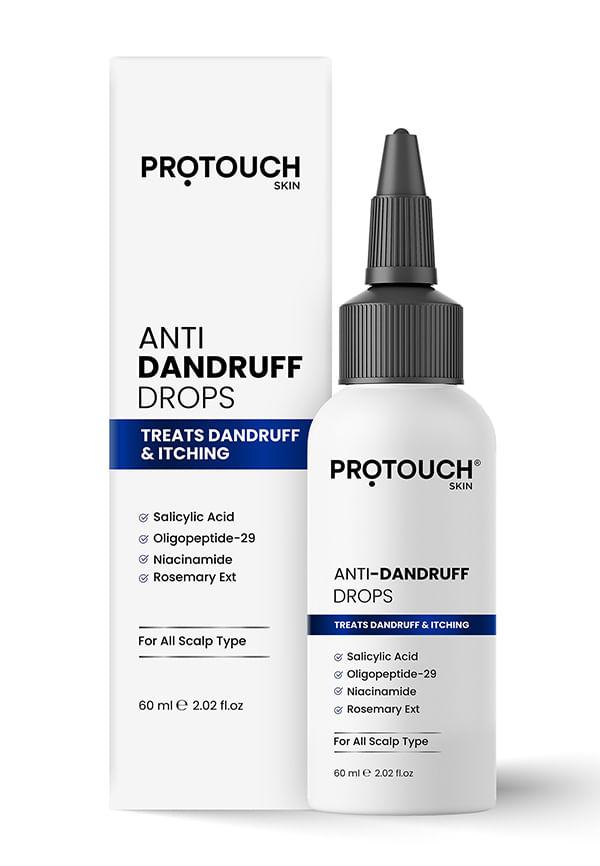
SKIN Anti Dandruff Drops Serum Soothes Itchy, Inflamed Scalp
If you're more of a natural remedies for itchy scalp person, there are loads of options that can provide real relief without harsh chemicals. The trick is knowing which ones actually work and how to use them properly.
Oatmeal isn't just for breakfast – it's amazing for soothing irritated skin. Colloidal oatmeal (the finely ground stuff) works best because it forms a protective barrier whilst reducing inflammation. Mix a handful with enough water to make a paste, massage it into your scalp, leave for 15 minutes, then rinse out. Your scalp will feel instantly calmer.
Coconut oil overnight treatments can work wonders for dry scalp solutions. The lauric acid in coconut oil has antimicrobial properties, whilst the oil itself provides deep moisture. Warm it slightly, massage into your scalp before bed, cover with a silk scarf or old pillowcase, and wash out in the morning. Just be prepared for your hair to need a good shampooing to get all the oil out.
Peppermint oil creates a cooling sensation that can interrupt itch signals, but it's potent stuff. Mix 2 drops with a tablespoon of carrier oil – never use it neat or you'll get a burning sensation instead of relief. Lavender oil is gentler and brilliant for reducing inflammation, whilst eucalyptus has antimicrobial properties that can help if there's any infection involved.
The key with essential oils is patience and proper dilution. They're not going to work instantly like a medicated treatment might, but with regular use, they can really help maintain scalp health and prevent future itching episodes.
When it comes to haircare for itchy scalp, your shampoo choice can make or break your comfort levels. The right anti-itch shampoo can provide ongoing relief, whilst the wrong one can make things infinitely worse.
Look for shampoos containing zinc pyrithione, which is brilliant for controlling the yeast that causes dandruff and some types of scalp irritation. Ketoconazole is another powerhouse ingredient that tackles fungal issues, whilst selenium sulfide helps with both dandruff and seborrheic dermatitis. Salicylic acid gently exfoliates dead skin cells that might be contributing to the itch.
On the hydrating side, ingredients like hyaluronic acid and ceramides help restore your scalp's moisture barrier. These are especially important if your itch is caused by dryness rather than a fungal issue. Some shampoos combine anti-fungal ingredients with moisturising ones, which can be perfect if you're not sure what's causing your scalp drama.
Sulfates might create lovely lather, but they can strip your scalp of natural oils, making dryness and irritation worse. Parabens and artificial fragrances are common irritants that can trigger allergic reactions in sensitive scalps. Alcohol-based products are particularly harsh and can leave your scalp feeling even more parched than before.
If you're dealing with persistent itching, try rotating between a medicated shampoo and a gentle, moisturising one. Use the medicated version 2-3 times a week and the gentle one on other days. This gives you the treatment benefits without over-drying your scalp.
Sometimes DIY itchy scalp treatment just isn't enough, and that's completely normal. If you've been dealing with persistent itching for more than two weeks despite trying different approaches, it's worth getting professional help.
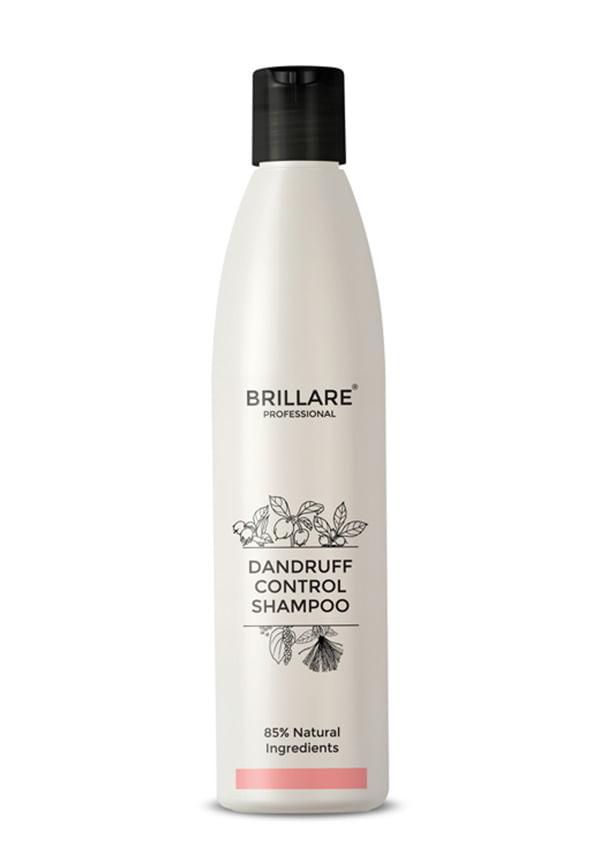
Dandruff Control Shampoo For Itchy, Flaky Scalp
Red flag symptoms include hair loss or bald patches, severe inflammation that looks angry and red, any bleeding from scratching, or if the itch is accompanied by fever or other systemic symptoms. These could indicate conditions like alopecia areata, severe dermatitis, or even infections that need proper medical treatment.
A dermatologist can prescribe stronger treatments like prescription-strength shampoos, topical steroids, or antifungal medications. They can also do tests to figure out exactly what's causing your scalp issues, which takes the guesswork out of treatment.
Before booking that dermatologist appointment, there are some stronger over-the-counter options worth trying. Hydrocortisone cream designed for scalp use can reduce inflammation and itching, though you shouldn't use it for more than a week without medical advice. Antihistamines can help if your scalp irritation remedies aren't working because the itch is actually an allergic reaction to something.
Once you've got the immediate itch under control, the goal is preventing it from coming back. Long-term scalp health is all about finding the right balance for your specific scalp type and lifestyle.
Your washing frequency makes a huge difference. If you have an oily scalp, daily washing might be necessary to prevent buildup and fungal growth. But if your scalp tends toward dryness, washing every other day or even twice a week might be better. The key is finding what works for your scalp without over-stripping or under-cleansing.
Water temperature matters more than you'd think. Hot water feels lovely, but it strips natural oils and can leave your scalp feeling tight and itchy. Lukewarm water is your friend – warm enough to feel comfortable but not so hot that it damages your scalp's moisture barrier.
Seasonal changes can wreak havoc on scalp health. Winter heating systems dry out the air, whilst summer sun can actually burn your scalp if you have thin hair or a visible parting. Using a humidifier in winter and wearing hats or using UV protection sprays in summer can help maintain consistent scalp comfort.
Stress is a massive trigger for scalp issues that most people don't realise. When you're stressed, your body produces more oil, which can feed the fungi that cause dandruff. Stress also affects your immune system, making you more susceptible to skin irritation. Finding ways to manage stress – whether that's exercise, meditation, or just better sleep – can genuinely improve your scalp health.
Cold therapy works fastest for immediate relief. Apply ice wrapped in a thin towel for 10 minutes, or rinse with cool water. Aloe vera gel from the fridge also provides instant cooling relief. For slightly longer-lasting results, try a diluted tea tree oil treatment or apple cider vinegar rinse.
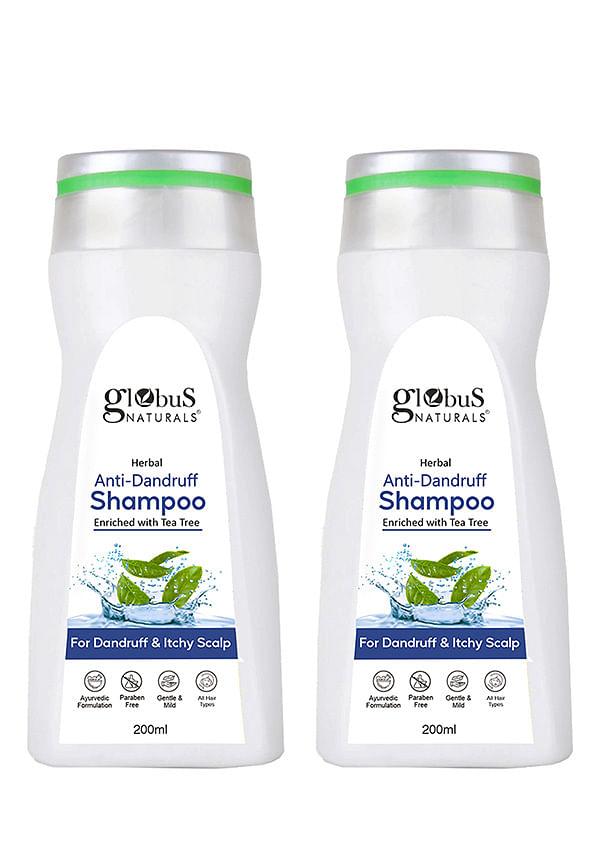
Anti Dandruff Shampoo, For Dandruff and Itchy Scalp
Oatmeal masks, coconut oil treatments, and essential oil blends are brilliant natural options. Mix colloidal oatmeal with water for an instant soothing mask, or try overnight coconut oil treatments for deep moisture. Essential oils like peppermint and lavender can provide cooling relief when properly diluted with carrier oils.
Absolutely. Stress increases oil production, which can feed dandruff-causing fungi. It also weakens your immune system, making your scalp more susceptible to irritation and inflammation. Managing stress through exercise, sleep, and relaxation techniques can genuinely improve scalp health.
It depends on the cause. For oily scalps or dandruff, daily washing with a medicated shampoo might help. For dry scalp, washing every other day or twice weekly with a gentle, moisturising shampoo works better. The key is finding the balance that keeps your scalp clean without over-stripping natural oils.
Post-wash itching usually means your shampoo is too harsh or you're not rinsing thoroughly enough. Product residue left on the scalp can cause irritation. Try switching to a gentler, sulfate-free shampoo and make sure you're rinsing for at least twice as long as you think you need to.
See a doctor if itching persists for more than two weeks despite treatment, if you notice hair loss or bald patches, severe inflammation, bleeding from scratching, or if the itch comes with fever or other symptoms. These could indicate conditions requiring professional treatment.
Your diet can definitely impact scalp health. Foods high in sugar can feed dandruff-causing yeast, whilst omega-3 fatty acids from fish and nuts can reduce inflammation. Staying hydrated helps maintain your scalp's moisture barrier, and some people find that reducing dairy or gluten helps with scalp irritation.
Dealing with an itchy scalp doesn't have to be a constant battle. Whether you're looking for immediate relief or long-term solutions, the key is understanding what's causing your specific scalp issues and choosing the right approach. From cooling treatments and natural remedies to the right shampoo selection, there are loads of ways to get your scalp back to feeling comfortable.
Remember that what works for your friend might not work for you – scalps are as individual as the people they belong to. Don't be afraid to try different approaches until you find your perfect combination. And if nothing seems to help after a couple of weeks, there's no shame in getting professional advice.
For those wanting to explore different scalp-soothing products without committing to full sizes, Smytten offers trial versions of many haircare products from trusted brands. It's a smart way to test what works for your specific scalp needs before investing in full-size bottles – because finding the right products shouldn't involve guesswork or wasted money.
