How to Relieve an Itchy Scalp: Expert Tips and Remedies

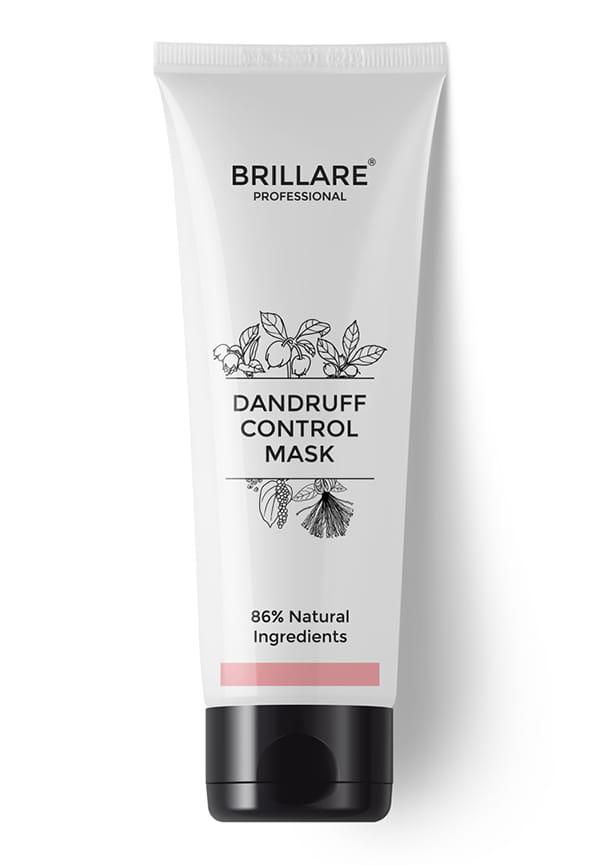 125 gm
Conditioner For Itchy, Flaky Scalp
That constant urge to scratch your scalp can turn even the best hair day into a nightmare. Whether it's a sudden itch that won't quit or a persistent irritation that's been bothering you for weeks, finding effective itchy scalp relief tips becomes your top priority. The good news? You don't have to suffer in silence. From understanding what's causing the itch to discovering both quick fixes and long-term solutions, there are plenty of ways to get your scalp back to feeling comfortable and healthy. Let's dive into the expert-backed remedies that actually work.
Before jumping into treatments, it's worth knowing what might be causing all that scratching. Your scalp can react to everything from the weather to the products you use, and sometimes the culprit isn't what you'd expect.
Several skin conditions specifically target your scalp and can make life pretty uncomfortable. Seborrheic dermatitis relief often becomes necessary when this common condition causes red, scaly patches that itch like mad. It's basically your scalp's way of overreacting to a yeast that naturally lives on your skin.
Scalp psoriasis treatment addresses another frequent troublemaker. Unlike dandruff, psoriasis creates thick, silvery scales that can extend beyond your hairline. The itch can be intense, and scratching often makes things worse by creating more irritation.
Contact dermatitis happens when your scalp has an allergic reaction to something it's touched. Think new shampoos, hair dyes, or even that trendy hair mask everyone's been raving about. Your scalp basically throws a tantrum and gets red, itchy, and sometimes swollen.
Sometimes the simplest things cause the biggest problems. Product buildup from styling gels, dry shampoos, and leave-in treatments can clog your hair follicles and create the perfect environment for irritation. Your scalp needs to breathe, and when it can't, it lets you know through itching.
Weather plays a bigger role than you might think. Winter's dry air can leave you needing serious dry scalp treatment, whilst summer's humidity might trigger oil overproduction that leads to different types of irritation. Even stress can make your scalp more sensitive and prone to itching.
When your scalp is driving you absolutely mad with itching, you need solutions that work fast. These scalp irritation remedies can provide almost immediate relief whilst you work on longer-term solutions.
A cold compress might sound too simple to work, but it's surprisingly effective. Wrap some ice cubes in a thin towel and hold it against the itchiest spots for a few minutes. The cold numbs the itch and reduces inflammation.
Gentle scalp massage with your fingertips (never your nails) can redirect your brain's attention away from the itch. Use small circular motions and light pressure. This technique works because it stimulates different nerve pathways than the ones sending itch signals.
Sometimes washing your hair immediately helps, especially if product buildup is the culprit. Use lukewarm water and a gentle shampoo, focusing on your scalp rather than your hair lengths.
Medicated shampoos containing ingredients like ketoconazole, selenium sulfide, or zinc pyrithione can provide quick relief for fungal-related itching. These aren't your everyday shampoos, but they're worth trying when regular products aren't cutting it.
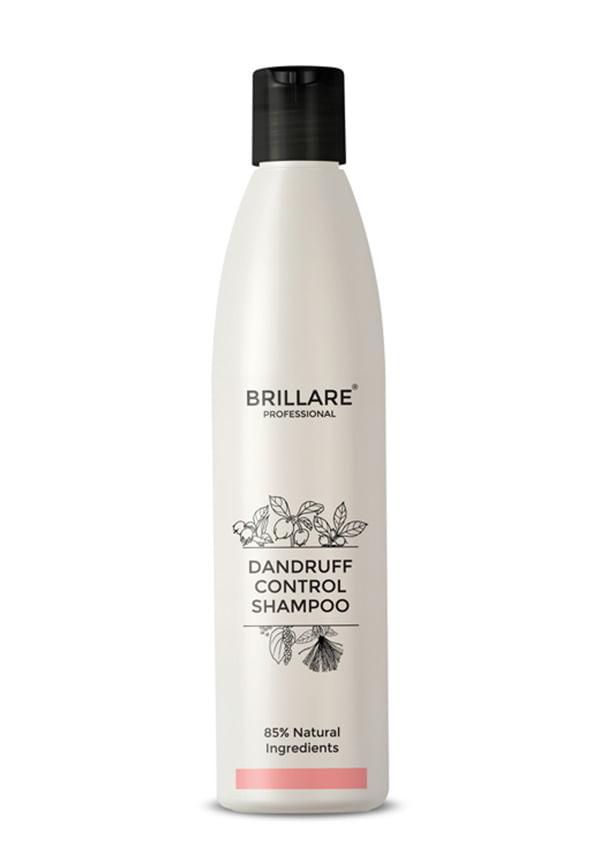 300 ml
Dandruff Control Shampoo For Itchy, Flaky Scalp
Hydrocortisone cream (the 1% version you can buy without a prescription) can calm inflammation when applied sparingly to affected areas. Just avoid getting it in your eyes and don't use it for more than a week without checking with a healthcare professional.
Cooling scalp treatments with menthol or peppermint provide immediate relief through their numbing effect. Look for leave-in treatments specifically designed for irritated scalps.
Sometimes the best natural remedies for itchy scalp are sitting right in your kitchen. These gentle approaches work well for sensitive scalps or when you prefer to avoid harsh chemicals.
Apple cider vinegar might smell a bit funky, but it's brilliant for restoring your scalp's natural pH balance. Mix one part vinegar with three parts water, apply it to your scalp after shampooing, leave for a few minutes, then rinse thoroughly. The acidity helps remove buildup and calm irritation.
Coconut oil works as both a moisturiser and antimicrobial treatment. Warm a small amount between your palms and massage it into your scalp before bed. Wash it out in the morning with a gentle shampoo. This works particularly well for dry scalp treatment.
A baking soda paste (mix with just enough water to form a paste) can help remove stubborn buildup that might be causing irritation. Use it once a week maximum, as it's quite alkaline and can be drying if overused.
Tea tree oil has natural antifungal properties that make it excellent for treating scalp conditions caused by yeast or fungi. Always dilute it properly (a few drops in a carrier oil like coconut or jojoba) before applying to avoid irritation.
Peppermint oil provides cooling relief and can improve blood circulation to your scalp. The menthol creates a tingling sensation that helps distract from itching. Again, proper dilution is crucial.
Lavender oil offers anti-inflammatory benefits and can help reduce stress-related scalp sensitivity. It's gentler than tea tree oil but still needs to be diluted before use.
When dealing with ongoing scalp issues, you need targeted dandruff solutions that address the root cause rather than just masking symptoms.
Dry scalp dandruff creates small, white flakes and usually comes with tightness or mild itching. This type responds well to moisturising treatments and gentle, hydrating shampoos.
Oily dandruff produces larger, yellowish flakes and often comes with more intense itching. This type is usually caused by an overgrowth of Malassezia yeast and needs antifungal treatments to get under control.
Seasonal dandruff patterns are real. Many people notice their scalp acts up during weather changes, particularly when moving from humid to dry conditions or vice versa.
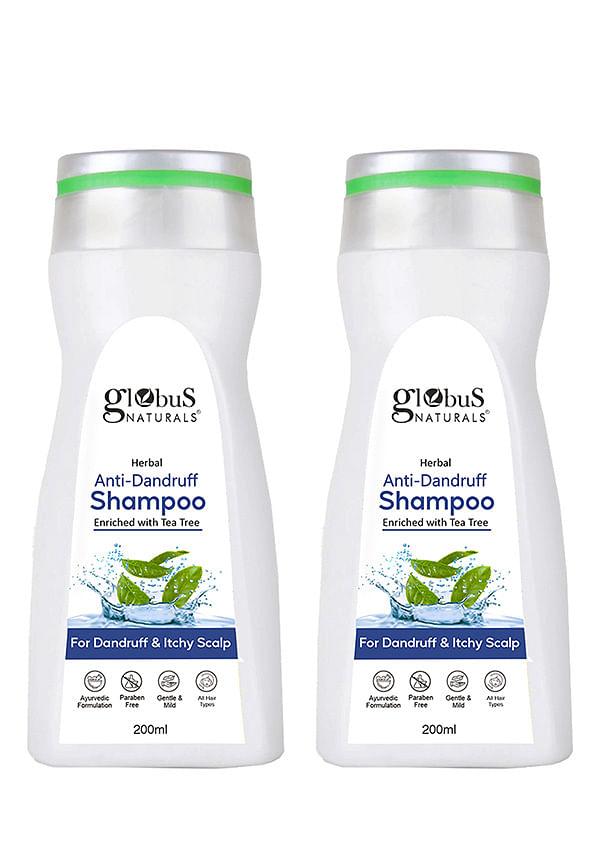 200 ml*2
Anti Dandruff Shampoo, For Dandruff and Itchy Scalp
Ketoconazole shampoos are particularly effective against fungal-related scalp issues. They're stronger than regular dandruff shampoos and can provide relief when other treatments haven't worked.
Selenium sulfide helps slow down the rate at which your scalp cells die and shed, reducing flaking and the associated itching. It's particularly good for seborrheic dermatitis relief.
Salicylic acid gently exfoliates your scalp, removing dead skin cells and product buildup that might be contributing to irritation. It's especially helpful for thick, scaly conditions.
Nothing ruins a good night's sleep like an itchy scalp. Learning how to soothe itchy scalp at night involves both immediate relief techniques and prevention strategies.
Your pillowcase material matters more than you might think. Cotton can be rough and absorbent, potentially irritating sensitive scalps. Silk or satin pillowcases create less friction and don't absorb moisture from your scalp and hair.
Room humidity affects your scalp overnight. Too dry, and your scalp becomes tight and itchy. Too humid, and you might wake up with an oily, irritated scalp. A humidifier can help maintain optimal moisture levels during dry seasons.
Overnight scalp masks can work wonders whilst you sleep. Mix aloe vera gel with a few drops of tea tree oil for a soothing treatment that won't stain your pillowcase. Apply it to your scalp before bed and rinse it out in the morning.
If you must scratch, keep your nails short and consider wearing cotton gloves to bed. This prevents you from creating micro-wounds that can lead to infection or further irritation.
The best approach to scalp comfort involves developing healthy scalp tips that prevent problems before they start. Think of it as maintenance rather than crisis management.
How often you wash your hair depends on your scalp type, not your hair type. Oily scalps might need daily washing, whilst dry scalps do better with washing every few days. Pay attention to how your scalp feels rather than following arbitrary rules.
When choosing haircare products, read ingredient lists carefully. Avoid sulfates if you have a sensitive scalp, and be wary of products with long lists of synthetic fragrances. Sometimes simpler is better.
Your scalp needs sun protection too, especially if you have thin hair or like to wear your hair in styles that expose your scalp. UV damage can cause irritation and worsen existing scalp conditions.
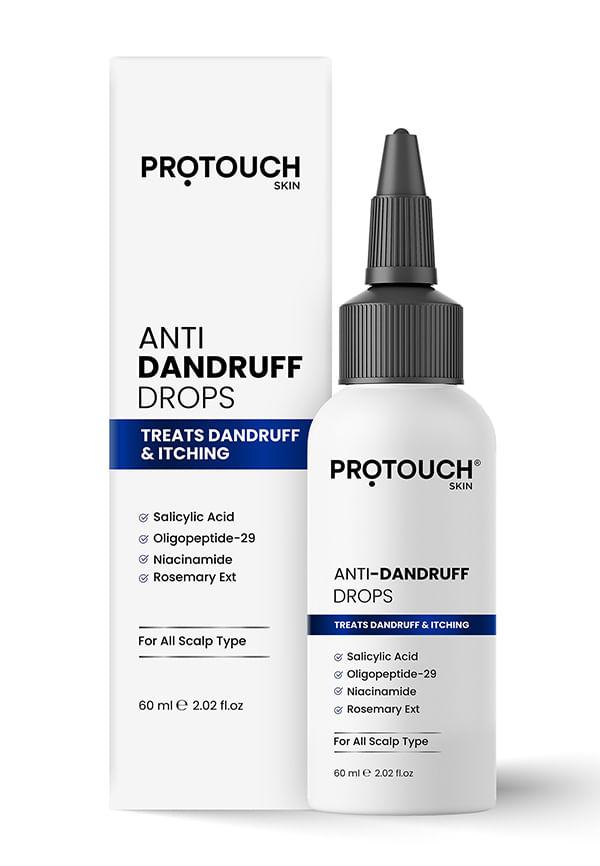 60 ml
60 mlSKIN Anti Dandruff Drops Serum Soothes Itchy, Inflamed Scalp
If your scalp itching persists despite trying various treatments, or if you notice signs like severe redness, open sores, or hair loss, it's time to consult a dermatologist. Some conditions need prescription treatments to resolve properly.
Professional scalp analysis can identify specific issues you might not recognise on your own. Dermatologists have tools to examine your scalp closely and can recommend targeted treatments based on what they find.
When exploring different treatment options, platforms like Smytten make it easier to try various scalp-soothing products without committing to full sizes. With access to trial packs from trusted brands, you can test different itchy scalp home remedies and professional treatments to find what works best for your specific situation.
Cold therapy works fastest for immediate relief. Apply a cold compress wrapped in a thin towel to the itchiest areas for 5-10 minutes. You can also rinse your scalp with cool water or use a cooling scalp spray containing menthol. For persistent itching, a small amount of 1% hydrocortisone cream applied to affected areas can provide quick relief.
Permanent relief requires identifying and addressing the underlying cause. This might involve switching to gentler haircare products, treating underlying skin conditions like seborrheic dermatitis or psoriasis, managing stress levels, and maintaining proper scalp hygiene. Consistency with the right treatment approach typically leads to long-term improvement.
Yes, several gentle options work well for sensitive scalps. Aloe vera gel provides cooling relief without irritation. Diluted apple cider vinegar (1 part vinegar to 4 parts water) can restore pH balance. Coconut oil offers moisturising benefits, and chamomile tea used as a rinse has anti-inflammatory properties. Always patch test new ingredients first.
Consult a healthcare professional if your scalp itching persists for more than two weeks despite treatment, if you notice hair loss, open sores, severe redness, or if the itching interferes with your sleep. Also seek help if you suspect an allergic reaction or if over-the-counter treatments aren't providing relief.
Absolutely. Foods high in sugar and processed ingredients can worsen inflammation. Anti-inflammatory foods like fatty fish, leafy greens, and foods rich in omega-3 fatty acids can help improve scalp health. Staying well-hydrated also supports healthy skin and scalp function. Some people find that reducing dairy or gluten helps with scalp irritation.
Dealing with an itchy scalp doesn't have to be a constant battle. Whether you're looking for immediate relief or long-term solutions, the key is finding the right combination of treatments that work for your specific situation. From simple home remedies using ingredients you probably already have to targeted medical treatments for persistent conditions, there are options for every type of scalp irritation.
Remember that what works for your friend might not work for you, and that's perfectly normal. Your scalp is unique, and finding the right itchy scalp relief tips often involves some trial and error. The important thing is to be patient with the process and gentle with your scalp whilst you figure out what works best.
With Smytten's extensive range of trial-sized haircare products from trusted brands, you can explore different scalp treatments without the commitment of full-size purchases. This approach lets you test various solutions safely and affordably, helping you build a personalised routine that keeps your scalp comfortable and healthy. After all, why settle for constant irritation when you can find the perfect solution for your scalp's needs?
