How to Regenerate Hair: A Complete Guide


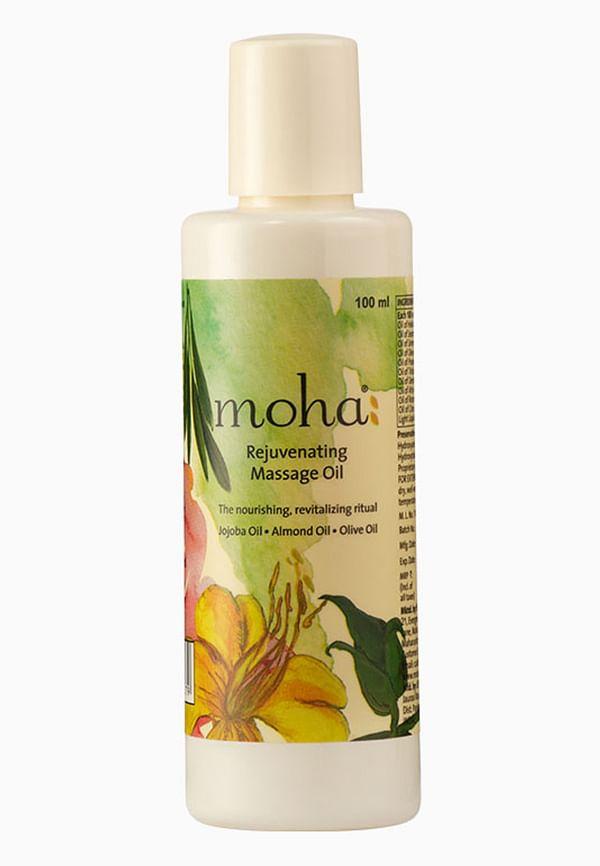 100 ml
Rejuvenating Massage Oil
Let's be real—watching your hair thin or fall out can feel like watching your confidence disappear strand by strand. You've probably found yourself googling "can hair regenerate" at 2 AM, desperately hoping for some good news. The truth is, hair regeneration is more complex than a simple yes or no answer, but there's definitely hope. Your hair follicles are surprisingly resilient, and understanding how they work is the first step to getting your hair back on track. Whether you're dealing with sudden hair loss or gradual thinning, this guide will walk you through everything you need to know about hair regrowth—from the science behind it to practical steps you can take today.
Your hair follicles are basically tiny factories that work in cycles, and understanding these cycles is key to figuring out whether your hair can bounce back. The hair growth cycle has three main phases that determine whether you'll see regrowth or continued loss. The anagen phase is where the magic happens—this is when your hair actively grows. It can last anywhere from 2 to 7 years, and about 85% of your hair is in this phase at any given time. Then comes the catagen phase, a brief 2-3 week transition period where growth stops and the follicle shrinks. Finally, there's the telogen phase, where your hair rests for about 3 months before eventually falling out to make room for new growth.
Hair follicle regeneration happens naturally through these programmed cycles, thanks to special stem cells in your scalp. These ectoderm stem cells are like the reset button for your follicles—they help regenerate the follicle structure each time a new cycle begins. Think of it as your hair's built-in renewal system.
Here's where things get interesting. Dormant follicles are just taking a longer break—they can potentially wake up and start producing hair again. Dead follicles, on the other hand, are permanently out of commission. The good news is that many cases of hair loss involve dormant rather than dead follicles, which means there's room for recovery.
The short answer is yes, but it depends on several factors. Your body has impressive natural hair regeneration capabilities, but they're not unlimited. Research shows that natural hair growth can recover from temporary disruptions like stress, nutritional deficiencies, or hormonal changes. Normal hair shedding involves losing 50-100 hairs daily—that's just your follicles cycling through their natural phases. But if you're losing 200+ hairs daily, that's a sign something's disrupting your normal hair growth cycle. The good news is that this type of excessive shedding (called telogen effluvium) often resolves naturally once the underlying cause is addressed.
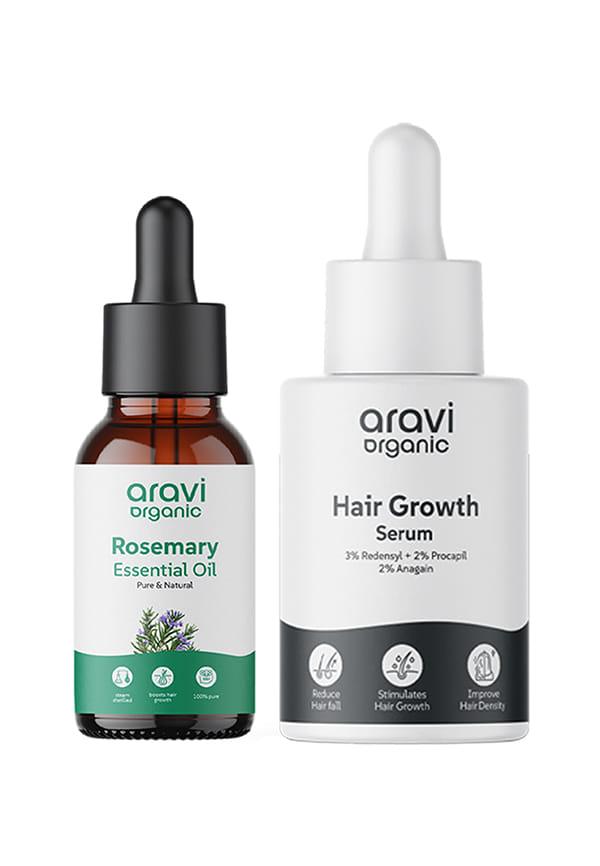 15 ml+30 ml
Rosemary Essential Oil & Hair Growth Serum with Redensyle - Pack Of 2
Let's set realistic expectations here. Hair typically grows about 6 inches per year, which breaks down to roughly 0.5 inches per month. If you're starting from scratch after significant hair loss, you're looking at several months to see noticeable length and potentially years to restore full density.
Your age, genetics, overall health, and the cause of your hair loss all play roles in how well your hair can regenerate naturally. Younger people generally have better regeneration capabilities, and addressing underlying health issues can significantly improve your chances of natural recovery.
When natural regeneration isn't enough, there are plenty of options to help things along. The key is finding the right approach for your specific situation and budget. Scalp health is the foundation of any good hair regrowth strategy. A healthy scalp creates the ideal environment for hair follicles to function properly. This means keeping your scalp clean but not over-washing, managing oil production, and ensuring good blood circulation.
Nutritional approaches can work wonders for hair thinning solutions. Iron, biotin, zinc, and protein are all crucial for healthy hair growth. Scalp massage increases blood flow to your follicles, while essential oils like rosemary and peppermint have shown promise in studies for stimulating growth. Lifestyle changes matter too. Managing stress, getting enough sleep, and avoiding harsh styling practices can all support your hair's natural regeneration process.
For more advanced hair loss, medical interventions might be necessary. Follicular Unit Transplantation (FUT) and Follicular Unit Extraction (FUE) are surgical options that relocate healthy follicles to thinning areas. Non-invasive treatments like low-level laser therapy and certain medications can also help stimulate regrowth.
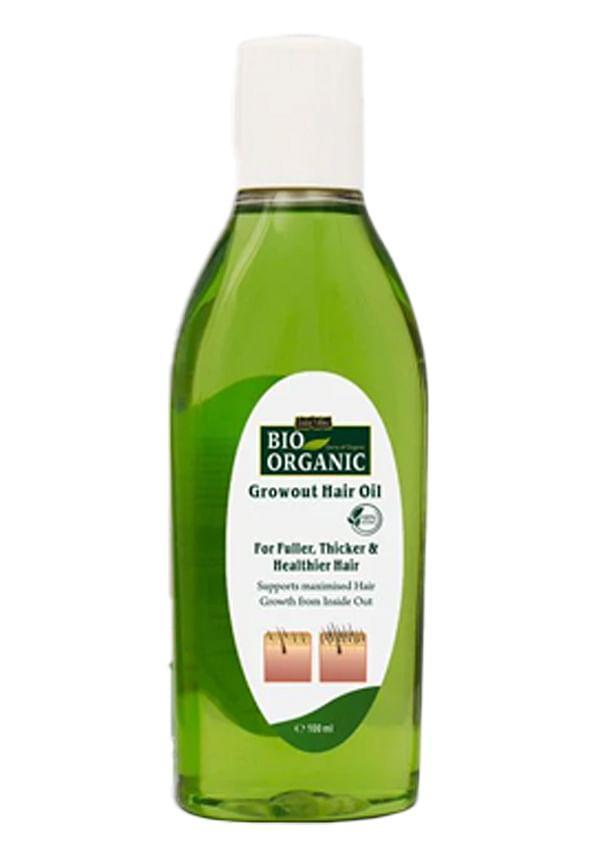 100 ml
Bio Organic Growout Hair Oil
When you notice sudden, excessive hair loss, quick action can make a difference. The first step is identifying what might be causing the problem—recent stress, medication changes, hormonal shifts, or nutritional deficiencies are common culprits. Protective styling becomes crucial during periods of excessive shedding. Avoid tight hairstyles, reduce heat styling, and be gentle when washing and brushing. Sometimes the best thing you can do is give your hair a break from manipulation.
If you're losing more than 100 hairs daily for several weeks, or if you notice sudden bald patches, it's time to consult a dermatologist or trichologist. Early intervention often leads to better outcomes in hair loss treatment.
Creating a personalised approach to restore hair starts with honest assessment. Document your hair loss pattern, take photos, and track any potential triggers. This information will be invaluable whether you're working with a professional or tackling the problem yourself. Start with the basics: optimise your nutrition, manage stress, and establish a gentle hair care routine. Give these changes at least 3-6 months to show results—hair regeneration is a slow process that requires patience.
Keep a hair diary noting shedding patterns, new growth, and any changes in hair texture or thickness. Take monthly photos from the same angles to track visual progress. Remember that initial shedding might actually increase before you see improvement—this is often a sign that dormant follicles are waking up.
Let's address the elephant in the room—those "regrow hair in 3 weeks" claims you see everywhere. While you might notice some improvements in hair texture or reduced shedding within a few weeks of starting a good routine, significant regrowth takes months, not weeks. What you can realistically expect in 3 weeks is healthier scalp conditions, potentially reduced hair fall, and maybe some baby hairs starting to emerge. Focus on building sustainable habits rather than chasing quick fixes. Platforms like Smytten make it easier to experiment with different haircare products without the commitment of full-size purchases. With trial packs from trusted brands, you can test various treatments to see what works for your specific hair needs. This approach lets you build an effective routine without wasting money on products that don't suit you.
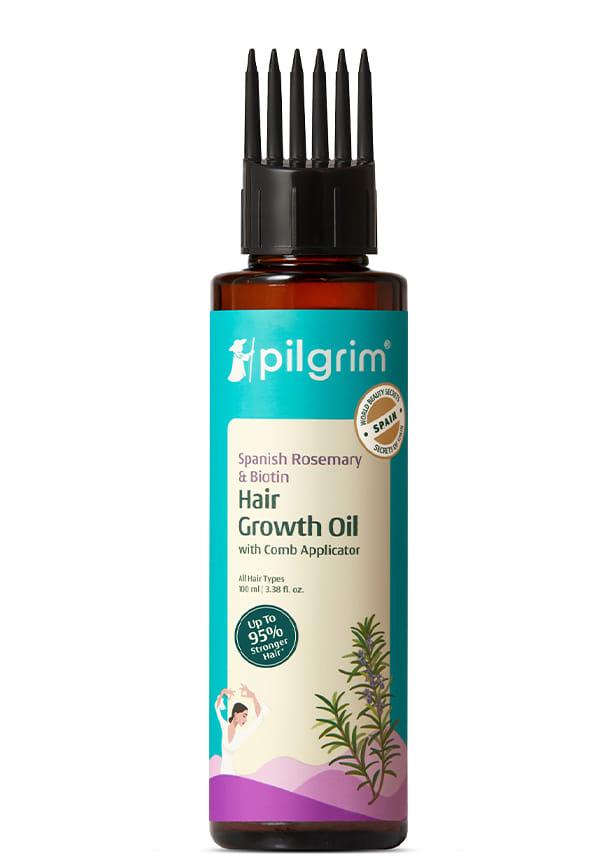 100 ml
Spanish Rosemary & Biotin Hair Growth Oil
Yes, hair follicles regenerate through programmed phases of growth (anagen), regression (catagen), and rest (telogen). However, damaged or destroyed follicles cannot regenerate naturally.
Hair can regenerate if the follicles are dormant rather than dead. The ability depends on the cause of hair loss and the condition of the hair follicles. Temporary causes like stress or nutritional deficiencies often allow for natural recovery.
Hair typically grows at a rate of 6 inches per year (0.5 inches per month), but regrowth speed after hair loss varies based on the underlying cause and treatment approach. Patience is key—visible results often take 3-6 months.
No, normal hair shedding is 50-100 hairs daily. Losing 200+ hairs indicates excessive shedding (telogen effluvium) requiring evaluation and potentially professional treatment.
In some cases, yes. Hair can recover naturally from temporary causes like stress, nutritional deficiencies, or hormonal changes once the underlying issue is resolved. However, genetic hair loss typically requires intervention.
The question "can hair regenerate" doesn't have a one-size-fits-all answer, but there's definitely reason for optimism. Your hair follicles are remarkably resilient, and with the right approach, many types of hair loss can be addressed successfully. The key is understanding your specific situation, setting realistic expectations, and being consistent with whatever treatment approach you choose. Remember that hair regeneration is a marathon, not a sprint. Whether you're exploring natural methods or considering medical treatments, give your chosen approach time to work. And don't be afraid to experiment with different products and routines—finding what works for your unique hair needs is often a process of trial and discovery. With over 25 million users trusting Smytten's approach to product discovery, you're not alone in wanting to make informed choices about your haircare routine. The platform's trial system means you can explore various hair growth treatments and products without the financial risk, making it easier to find your perfect hair regeneration strategy. After all, why settle for maybe when you can try it all and find what actually works for your hair?
