
Haircare
•06 min read

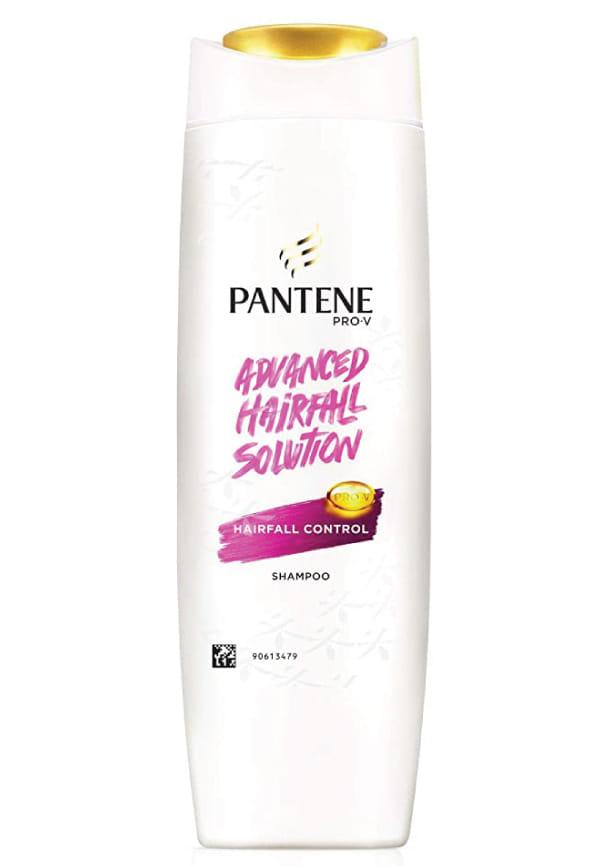 75 ml
75 mlAdvanced Hair Fall Solution Hair Fall Control Shampoo
Let's be real—watching your hair thin or fall out can feel absolutely devastating. Whether you've noticed more strands in your brush, a wider parting, or just generally less volume, you're definitely not alone in this struggle. Hair loss affects millions of people worldwide, but here's the good news: there are proven ways to reduce hair loss that actually work. From natural remedies you can try at home to lifestyle changes that support healthy hair growth, we're diving into expert-backed strategies that could help you keep more of what you've got and potentially regrow what you've lost.
Before jumping into hair loss prevention strategies, it's worth understanding what's actually happening up there. Hair loss isn't just one thing—it's a complex process that can stem from various causes, and knowing yours can help you choose the most effective approach. Genetics plays the biggest role for most people. If your parents or grandparents experienced hair thinning, you might be genetically predisposed to it too. Hormonal changes, particularly fluctuations in testosterone and its derivative DHT (dihydrotestosterone), can shrink hair follicles over time. Stress—both physical and emotional—can push hair into a resting phase, leading to increased shedding. Medical conditions like thyroid disorders, autoimmune diseases, and certain medications can also trigger hair loss.
Here's something that might surprise you: losing 50-100 hairs per day is completely normal. Your hair naturally goes through growth, rest, and shedding phases. However, if you're noticing significantly more hair in your brush, on your pillow, or going down the drain, it might be time to explore hair thinning solutions.
Men typically experience receding hairlines and crown thinning, whilst women often notice overall thinning across the top of their heads. Female pattern hair loss tends to be more diffuse, making it less obvious initially but equally frustrating.
Now for the practical stuff—natural remedies for hair loss that you can start trying today. These approaches focus on nourishing your scalp, strengthening existing hair, and creating optimal conditions for growth.
Your scalp is essentially the soil where your hair grows, so keeping it healthy is crucial for scalp health. Aloe vera gel can soothe inflammation and provide moisture—simply massage fresh aloe into your scalp and leave for 30 minutes before washing. Coconut oil works brilliantly for deep conditioning; warm it slightly and massage into your scalp and hair, leaving overnight if possible. Onion juice might sound odd, but it's packed with sulphur compounds that can stimulate hair follicles. Blend an onion, strain the juice, and apply to your scalp for 15-20 minutes before shampooing. Yes, it smells, but many people swear by the results.
Fenugreek seeds (methi) are brilliant for strengthening hair. Soak them overnight, grind into a paste, and apply as a hair mask. Green tea isn't just for drinking—cooled green tea makes an excellent rinse that provides antioxidant protection to your hair follicles. Amla (Indian gooseberry) is rich in vitamin C and can help strengthen hair from root to tip. You can use fresh amla juice or powder mixed with water. Castor oil, with its thick consistency and ricinoleic acid content, can help improve circulation when massaged into the scalp.
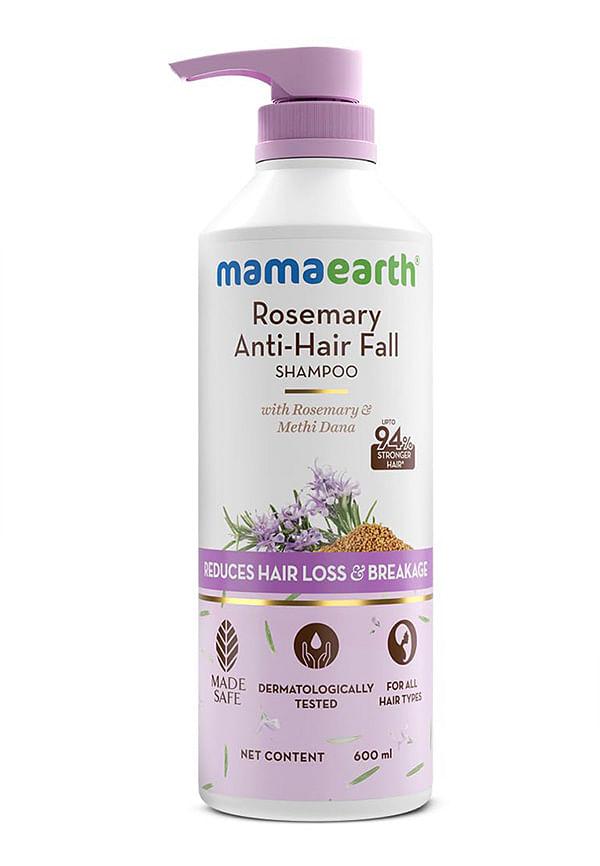 600 ml
Rosemary Anti-Hair Fall Shampoo with Rosemary & Methi Dana for Reducing Hair Loss & Breakage
Sometimes the best ways to reduce hair loss involve changing how we treat our hair daily. Small adjustments to your routine can make a significant difference over time.
Start with how you brush your hair. Use a wide-tooth comb on wet hair and always start from the ends, working your way up. Aggressive brushing, especially when hair is wet and vulnerable, can cause unnecessary breakage. Choosing the right shampoo matters too. Look for sulphate-free formulas that won't strip your hair of natural oils. If you're dealing with thinning hair, volumising shampoos can help create the appearance of fuller hair whilst being gentle on fragile strands. Heat styling tools can be hair's worst enemy. If you must use them, always apply a heat protectant and keep temperatures below 180°C. Air-drying whenever possible gives your hair a break from damage.
Stress management isn't just good for your mental health—it's crucial for healthy hair habits. Chronic stress can push hair follicles into a resting phase, leading to increased shedding. Try meditation, yoga, or whatever helps you unwind. Sleep quality affects everything, including hair growth. During deep sleep, your body repairs and regenerates, including hair follicles. Aim for 7-9 hours of quality sleep nightly. Regular exercise improves circulation throughout your body, including to your scalp. Better blood flow means more nutrients reaching your hair follicles.
What you eat directly impacts your hair health. Hair is essentially protein, so ensuring adequate protein intake is fundamental for strong, healthy strands. Include lean meats, fish, eggs, legumes, and nuts in your diet. Certain vitamins and minerals are particularly important for hair growth tips. Biotin supports keratin production, iron helps carry oxygen to hair follicles, zinc aids in hair tissue growth and repair, and vitamin D may help create new follicles. Foods rich in omega-3 fatty acids, like salmon, walnuts, and flaxseeds, can help keep hair shiny and strong. Antioxidant-rich foods like berries, leafy greens, and colourful vegetables protect hair follicles from damage. Staying hydrated is often overlooked but crucial. Dehydration can make hair brittle and more prone to breakage. Aim for at least 8 glasses of water daily.
Whilst natural approaches can be effective, sometimes you need stronger hair loss treatment options. Understanding what's available can help you make informed decisions about your hair health journey.
Minoxidil is probably the most well-known over-the-counter treatment. It works by increasing blood flow to hair follicles and extending the growth phase of hair. Available in 2% and 5% concentrations, it's applied directly to the scalp twice daily. Results typically become visible after 3-6 months of consistent use. Other topical treatments include caffeine-based products, which may help stimulate hair follicles, and products containing peptides that can strengthen hair structure.
For men, finasteride (Propecia) can be highly effective at preventing further hair loss and sometimes promoting regrowth. It works by blocking the hormone DHT, which shrinks hair follicles. Women have different options, including spironolactone, which can help with hormonal hair loss. However, these medications require medical supervision and aren't suitable for everyone. If you're experiencing sudden or severe hair loss, consulting a dermatologist or trichologist is wise. They can identify underlying causes and recommend appropriate treatments.
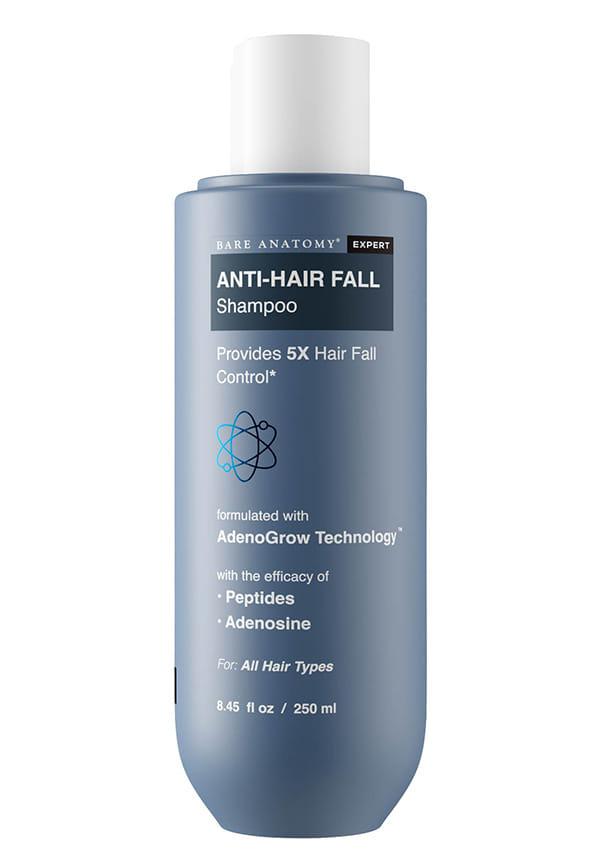 250 ml
Anti-Hair Fall Shampoo | Provides 5X Hair Fall Control
The most effective approach to hair loss prevention often involves combining multiple strategies. Start by identifying your hair loss type and potential causes. Is it gradual thinning, sudden shedding, or patchy loss? Understanding this helps determine the best approach. Consider starting with gentle, natural methods whilst making lifestyle adjustments. You might try scalp massages with nourishing oils, improve your diet, manage stress better, and be gentler with your hair care routine. Set realistic expectations—hair growth is slow, and most treatments take 3-6 months to show results. Take photos to track progress, as day-to-day changes can be hard to notice. With so many haircare products available, finding the right ones for your specific needs can feel overwhelming. This is where exploring different options through trial sizes becomes invaluable, allowing you to test what works for your hair without committing to full-size products immediately.
Try scalp massages with coconut or castor oil, apply aloe vera gel to soothe inflammation, use onion juice treatments, and create hair masks with fenugreek seeds. Combine these with gentle hair care practices and stress management for best results.
Genetics is the primary cause for most people, but hormonal changes, stress, medical conditions, poor nutrition, and harsh hair treatments can all contribute to hair loss. Often, it's a combination of factors rather than a single cause.
Most treatments require 3-6 months of consistent use before visible improvements appear. Hair growth is naturally slow, so patience is essential when trying any new approach.
Absolutely. Chronic stress can push hair follicles into a resting phase, leading to increased shedding. This type of hair loss, called telogen effluvium, is usually temporary and improves once stress levels decrease.
Not necessarily. Many effective treatments, including scalp massage, dietary improvements, and gentle hair care practices, cost very little. The key is consistency and finding what works for your specific situation.
Dealing with hair loss can feel overwhelming, but remember that you have more control than you might think. The ways to reduce hair loss we've explored range from simple lifestyle changes to medical treatments, giving you plenty of options to explore. Start with the gentler approaches—improve your diet, manage stress, be kinder to your hair, and try some natural remedies. If these don't provide the results you're hoping for, don't hesitate to explore medical options with a healthcare professional. Remember, hair loss is incredibly common, and there's no shame in seeking help or trying different approaches. Whether you're looking to prevent further loss or encourage regrowth, consistency is key. Most importantly, be patient with yourself and the process—good things take time, and your hair health journey is no exception. Finding the right products for your specific hair needs often involves trial and error. Smytten, India's largest product discovery platform, makes this process easier by offering trial packs from over 1,500 trusted brands. With options to try up to 8 minis for just ₹249 and 100% cashback on purchases, you can explore different haircare solutions without the commitment of full-size products. After all, why settle for 'maybe' when you can try it all and find what truly works for your hair?
