How to Recognize Signs of Protein Deficiency Fast


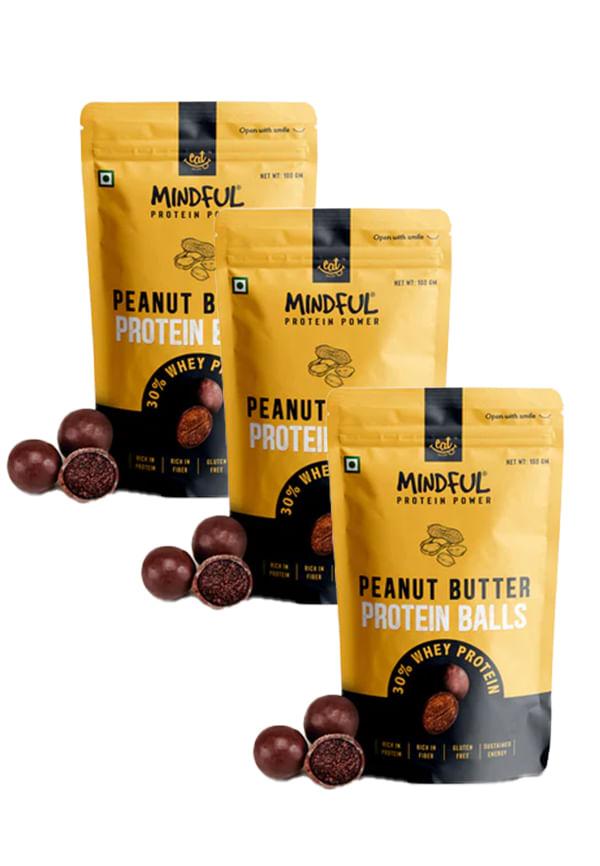 Pack of 3
Mindful Chocolate Peanut Butter Protein Energy Balls
Your body is constantly sending you signals, and when it comes to protein deficiency, these messages can be pretty clear once you know what to look for. Protein isn't just about building muscle—it's the building block for everything from your hair and nails to your immune system. When you're not getting enough, your body starts prioritising where to use what little protein it has, and that's when the signs of protein deficiency start showing up. Let's dive into the warning signs that might be staring you in the face right now.
Protein deficiency happens when your body doesn't get enough protein to function properly. It's more common than you might think, especially among people following restrictive diets or dealing with increased protein needs due to stress, illness, or intense physical activity.
Your body uses protein for literally everything—repairing tissues, making enzymes and hormones, building muscle, and keeping your immune system strong. When there's not enough to go around, your body starts making tough choices about where to allocate resources. Hair growth? That's considered non-essential. Strong nails? Also on the back burner. Your body will sacrifice these "luxury" functions to keep vital organs running.
The tricky part is that protein deficiency symptoms can be subtle at first. You might just feel a bit more tired than usual or notice your hair isn't as shiny. But these early warning signs are your body's way of telling you to pay attention before things get worse.
Real talk—your body is pretty good at telling you when something's off. Here are the most common signs that your protein intake might need a serious boost.
These are the changes you can actually spot in the mirror, and they're often the first clues that something's not quite right.
Hair loss protein connection is real and noticeable. When your body doesn't have enough protein, it stops sending nutrients to your hair follicles. You might notice more hair in your brush, thinner ponytails, or patches where hair growth has slowed down. Poor hair growth protein deficiency shows up as hair that just won't grow past a certain length or takes forever to recover from a trim.
Brittle hair protein deficiency is another dead giveaway. Your hair might feel dry, break easily, or lose its natural shine. Since hair is basically made of protein (specifically keratin), when you're not eating enough, your hair quality suffers first.
Weak nails protein deficiency symptoms include nails that split, peel, or have white spots. Your nails might grow slowly or feel soft and bendy instead of strong. Just like your hair, nails are made of protein, so they're quick to show when you're running low.
Your skin might also start looking dull, healing slowly from cuts or scrapes, or developing dry patches that won't go away no matter how much moisturiser you use.
These symptoms affect how you feel and move throughout the day, and they can seriously impact your quality of life.
Fatigue protein deficiency is one of the most common complaints. You might feel tired even after a full night's sleep, struggle to get through your usual activities, or find yourself reaching for caffeine more often. This happens because your body isn't getting the amino acids it needs to produce energy efficiently.
Muscle weakness protein deficiency shows up as feeling less strong than usual, struggling with activities that used to be easy, or noticing that your muscles look smaller. Your body might start breaking down muscle tissue to get the amino acids it needs for more critical functions.
You might also experience joint pain, reduced stamina during workouts, or feeling like your recovery time after exercise has increased dramatically.
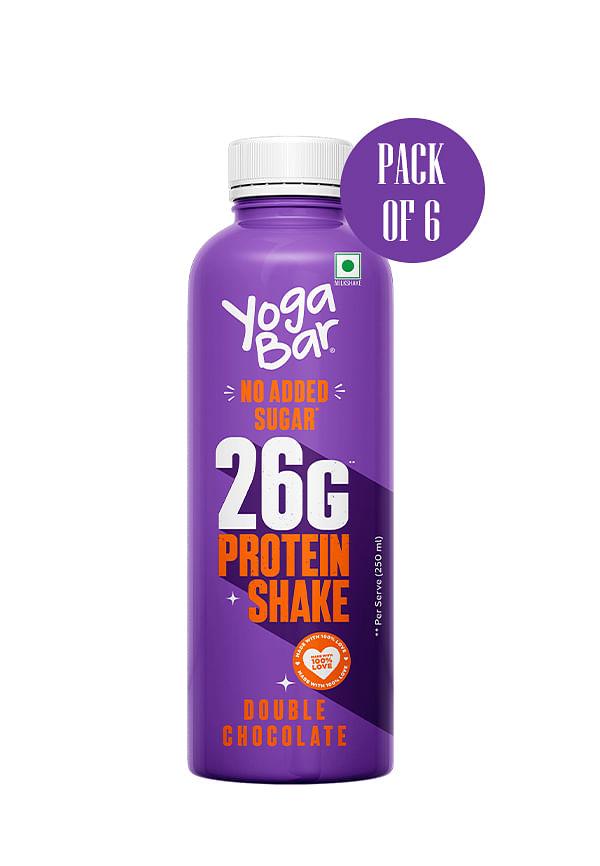 Pack of 6
Double Chocolate Protein Shake
These signs might be less obvious but are equally important to recognise.
Getting sick more often is a major red flag. Protein is essential for producing antibodies and immune cells, so when you're deficient, your immune system takes a hit. You might find yourself catching every cold that goes around or taking longer to recover from illness.
Swelling in your hands, feet, or ankles can indicate severe protein deficiency. This happens because protein helps maintain fluid balance in your body, and without enough, fluid can accumulate in tissues.
Constant hunger and sugar cravings are also low protein signs. Protein helps you feel full and satisfied, so when you're not getting enough, you might find yourself always looking for your next meal or constantly craving sweets.
Not everyone experiences protein deficiency the same way. Your age, gender, and lifestyle all play a role in how symptoms show up.
Women might notice irregular periods or changes in their menstrual cycle. Protein deficiency can affect hormone production, leading to missed periods or unusually heavy or light flows. Pregnant and breastfeeding women are at higher risk because their protein needs are significantly increased.
Hair thinning in women often follows a different pattern than in men, typically showing up as overall thinning rather than specific bald spots. Women might also experience more pronounced mood swings or difficulty concentrating.
Men typically notice muscle mass loss more quickly, especially if they're active or used to having a muscular build. The connection between protein and testosterone means that deficiency can affect energy levels, mood, and even libido.
Athletic performance often takes a noticeable hit in men who aren't getting enough protein, with longer recovery times and reduced strength gains from workouts.
Older adults might experience more severe muscle loss and slower wound healing. Children with protein deficiency might show stunted growth or developmental delays. Adults in their 20s and 30s often notice energy and appearance-related symptoms first, while those over 40 might see muscle and joint-related issues more prominently.
Some groups are more likely to develop protein deficiency than others. Understanding your risk factors can help you stay ahead of potential problems.
Older adults often struggle with protein deficiency because their appetite decreases and their protein needs actually increase with age. They might also have difficulty chewing or digesting protein-rich foods.
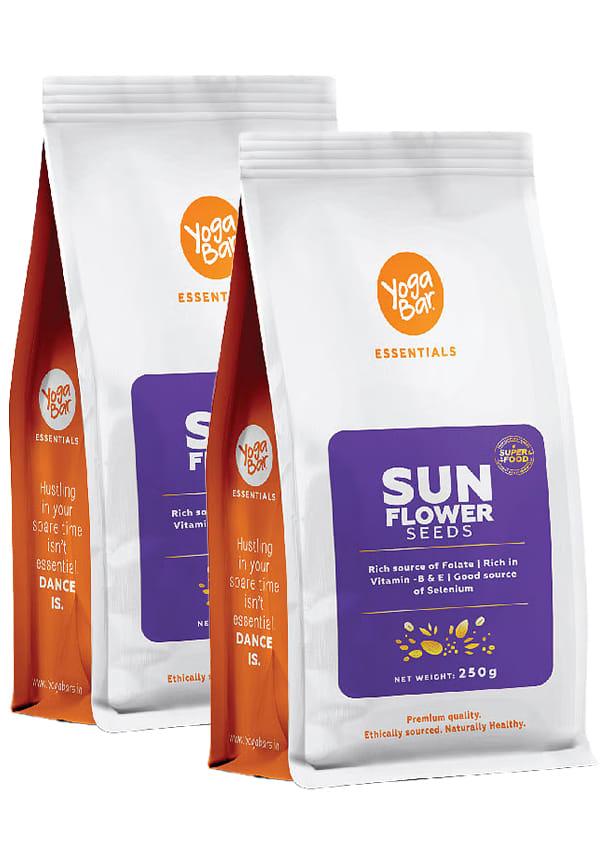 Pack of 2
Sunflower Seeds For Eating Protein and Fibre Rich Superfood| Pack of 2
People following plant-based diets need to be extra careful about getting complete proteins and eating enough overall. While it's totally possible to get adequate protein from plants, it requires more planning and knowledge.
Anyone dealing with chronic illness, digestive issues, or eating disorders is at higher risk. Stress, whether physical or emotional, also increases your protein needs.
Athletes and very active people often underestimate how much protein they actually need, especially if they're trying to lose weight at the same time.
While you can spot many symptoms yourself, getting a proper diagnosis involves some medical testing. Your doctor might check your albumin and prealbumin levels, which are proteins made by your liver that can indicate your overall protein status.
A simple self-assessment can help you determine if you should see a healthcare provider:
Are you experiencing three or more of the symptoms mentioned above?
Have these symptoms persisted for more than a few weeks?
Are you eating less than 0.8 grams of protein per kilogram of body weight daily?
Do you have any of the risk factors mentioned?
If you answered yes to most of these questions, it's worth having a conversation with your doctor about your protein intake and overall nutritional status.
The good news is that protein deficiency is usually fixable with the right approach. Here's how to start turning things around quickly.
Start by adding protein to every meal and snack. Think eggs for breakfast, Greek yoghurt as a snack, chicken or lentils for lunch, and fish or tofu for dinner. Aim for about 20-30 grams of protein per meal.
A protein deficiency diet should include a variety of sources: lean meats, fish, eggs, dairy, legumes, nuts, and seeds. Don't rely on just one type—variety ensures you get all the essential amino acids your body needs.
Timing matters too. Try to spread your protein intake throughout the day rather than loading up on one massive protein-heavy meal.
If you're struggling to get enough protein from food alone, supplements can be a helpful bridge. Whey protein is quickly absorbed and great post-workout. Plant-based options like pea or hemp protein work well for those avoiding dairy.
Start with one scoop (usually 20-25 grams) per day and see how you feel. You can always adjust from there based on your needs and how your body responds.
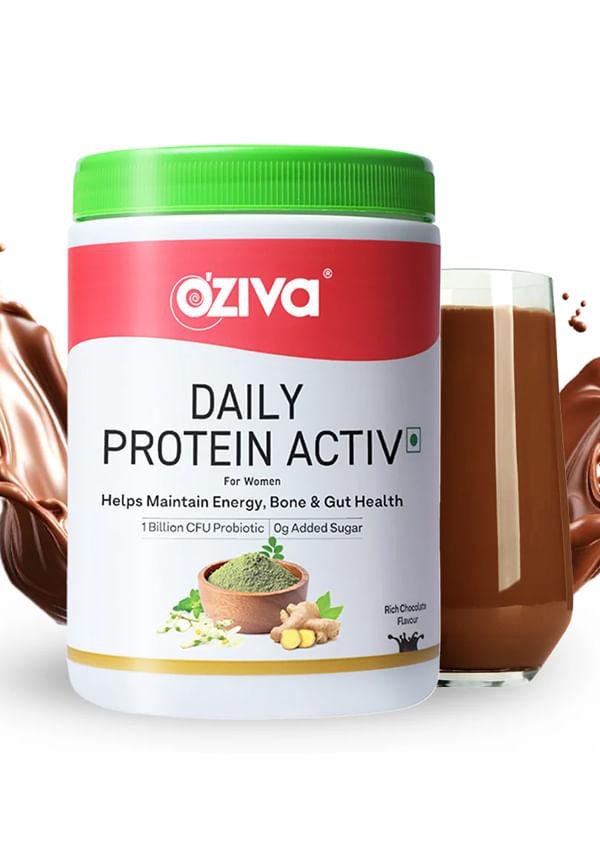 300 gm
Daily Protein Activ For Women, Chocolate
Most people start feeling more energetic within a week or two of increasing their protein intake. Hair and nail improvements take longer—usually 4-6 weeks to see noticeable changes since these grow slowly.
Muscle strength and mass can start improving within 2-4 weeks with adequate protein and some resistance exercise. Full recovery from severe deficiency might take several months, but you should notice positive changes fairly quickly.
When it comes to finding the right protein supplements or haircare products to support your recovery journey, Smytten makes it easy to try before you commit. With trial packs from trusted brands, you can discover what works best for your body without the guesswork. After all, why settle for maybe when you can try it all?
The most common early signs include fatigue, hair loss, weak nails, and getting sick more often. If you're experiencing several of these symptoms and eating less than 0.8 grams of protein per kilogram of body weight daily, you might be deficient.
Add protein to every meal, include protein-rich snacks, and consider a high-quality protein supplement. Focus on easily digestible sources like eggs, Greek yoghurt, and lean meats. You should start feeling more energetic within 1-2 weeks.
Energy levels typically improve within 1-2 weeks, muscle strength within 2-4 weeks, and hair/nail health within 4-6 weeks. Severe deficiency may take several months to fully resolve, but you'll notice improvements along the way.
Animal sources like chicken breast, fish, eggs, and Greek yoghurt are protein powerhouses. Plant-based options include lentils, quinoa, hemp seeds, and tofu. Aim for a mix of sources to get all essential amino acids.
Most protein deficiency effects are reversible with proper nutrition. However, severe, long-term deficiency can cause lasting issues with growth (in children), muscle mass, and immune function. Early intervention is key.
Your body is constantly communicating with you, and recognising the signs of protein deficiency early can save you from more serious health issues down the line. From brittle hair and weak nails to chronic fatigue and frequent infections, these symptoms are your body's way of asking for help.
The brilliant thing about protein deficiency is that it's usually completely fixable with the right approach. By adding quality protein sources to your meals, timing your intake throughout the day, and possibly supplementing when needed, you can start feeling better within weeks.
Remember, everyone's protein needs are different based on age, activity level, and health status. What matters most is listening to your body and making adjustments when you notice these warning signs. Whether you're exploring new protein supplements or looking for haircare products to support your recovery, platforms like Smytten let you try products risk-free, helping you make smarter choices for your health journey.
