How to Read the Best Hair Type Chart Easily


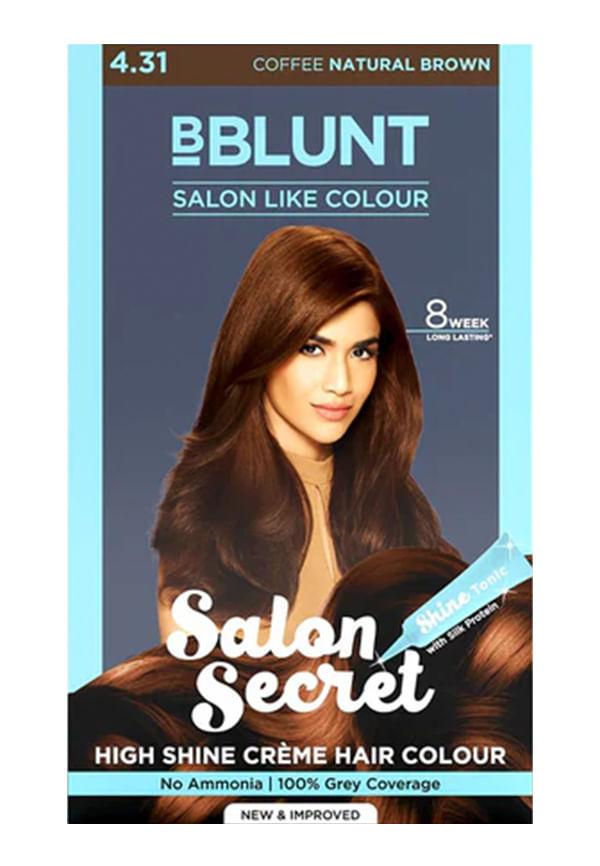 131 gm
Salon Secret High Shine Conditioning Hair Colour
Ever stared at a best hair type chart and felt completely lost? You're not alone. These charts can look like cryptic codes with their 1A, 2B, 3C classifications, but they're actually your secret weapon for amazing hair days. Once you crack the code, you'll understand exactly what your hair needs and why that expensive shampoo your mate swears by might not work for you. Let's decode this together and turn you into a hair type detective.
The hair classification system isn't just random numbers and letters thrown together. It's based on actual science – specifically how your hair follicles are shaped and how your cuticles lie. Think of it as your hair's DNA fingerprint.
Your follicle shape determines whether your hair grows straight, wavy, curly, or coily. Round follicles produce straight hair, whilst oval and flattened follicles create waves and curls. The more asymmetrical your follicle, the curlier your hair becomes. Pretty clever, right?
Understanding hair types matters because different structures have different needs. Straight hair tends to get oily faster because sebum travels down the hair shaft easily. Curly hair often feels dry because those twists and turns make it harder for natural oils to reach the ends. When you know your type, you can choose products that actually work with your hair's natural behaviour instead of against it.
One major misconception? That you can only have one hair type. Real talk – many people have multiple textures on their head. Your crown might be 2A whilst your underneath layers are 2C. That's totally normal and explains why some products work brilliantly on certain sections but not others.
The main hair type guide uses a simple numbering system from 1 to 4, with subcategories A, B, and C indicating intensity. Think of it like a volume dial – A is the gentlest version, whilst C is the most intense.
Straight hair types are the sleekest of the bunch. Type 1A is baby-fine and poker-straight – it's that hair that refuses to hold a curl no matter what you do. Type 1B has a bit more body and might have the slightest bend at the ends. Type 1C is the thickest and coarsest of the straight family, with some natural body and movement.
The biggest challenge for straight hair? It can look flat and lifeless without the right products. The advantage? It's naturally shiny because light reflects off the smooth surface beautifully. Your best bet is lightweight products that add volume without weighing your hair down.
Wavy hair types are the chameleons of the hair world. Type 2A has loose, barely-there waves that can easily be straightened or enhanced. Type 2B has more defined waves with some frizz, especially around the hairline. Type 2C borders on curly territory with strong waves and definite frizz that needs proper management.
Wavy hair can be tricky because it's neither fully straight nor fully curly. The key is finding the right balance of moisture without making it heavy or greasy. Scrunching with lightweight gels or mousses often works wonders.
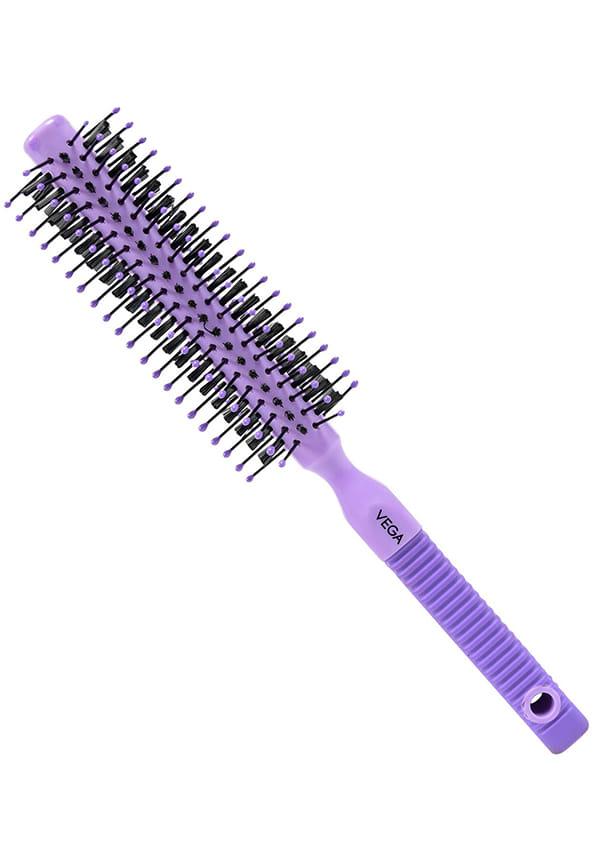 1 unit
Round Hair Brushfor Adding Curls, Volume & Waves In Hairs| Men and Women| All Hair Types, Color May Vary (R2-RB)
Curly hair types have that gorgeous S-shaped pattern that everyone envies. Type 3A has large, loose curls about the width of a marker. Type 3B has springy curls roughly the size of a pencil. Type 3C has tight corkscrews that are pencil-sized or smaller.
The spring test is brilliant for identifying curly hair – gently stretch a curl and watch how it bounces back. The faster and stronger the bounce, the curlier your hair type. Curly hair craves moisture and gentle handling to maintain those beautiful curl patterns.
Coily hair types have the tightest curl patterns and are often the most fragile. Type 4A has soft coils with visible curl patterns. Type 4B has a Z-pattern that's less defined, whilst Type 4C has the tightest coils with minimal visible curl pattern when not manipulated.
This hair type is incredibly versatile for styling but needs the most moisture and gentle care. Protective styling and regular deep conditioning are essential for maintaining healthy coily hair.
Here's where things get interesting – your hair texture chart is separate from your curl pattern. You can have fine curly hair or thick straight hair. Texture refers to the actual width of individual hair strands.
To test your texture, take a single strand and roll it between your fingers. If you can barely feel it, you've got fine hair. If it feels like a piece of thread, that's medium. If it feels thick and wiry, you've got coarse hair. Another trick? Compare it to a piece of sewing thread – finer, similar, or thicker will tell you everything you need to know.
Fine hair often struggles with volume and can get weighed down easily by heavy products. Medium hair is the goldilocks of textures – not too fine, not too thick. Coarse hair can handle heavier products but might need extra moisture to stay smooth and manageable.
This texture knowledge is crucial for product selection. Fine hair needs lightweight formulas, whilst coarse hair can handle richer, more intensive treatments.
Hair porosity types determine how well your hair absorbs and retains moisture. It's like understanding whether your hair is a sponge or a raincoat. This knowledge completely changes your haircare game.
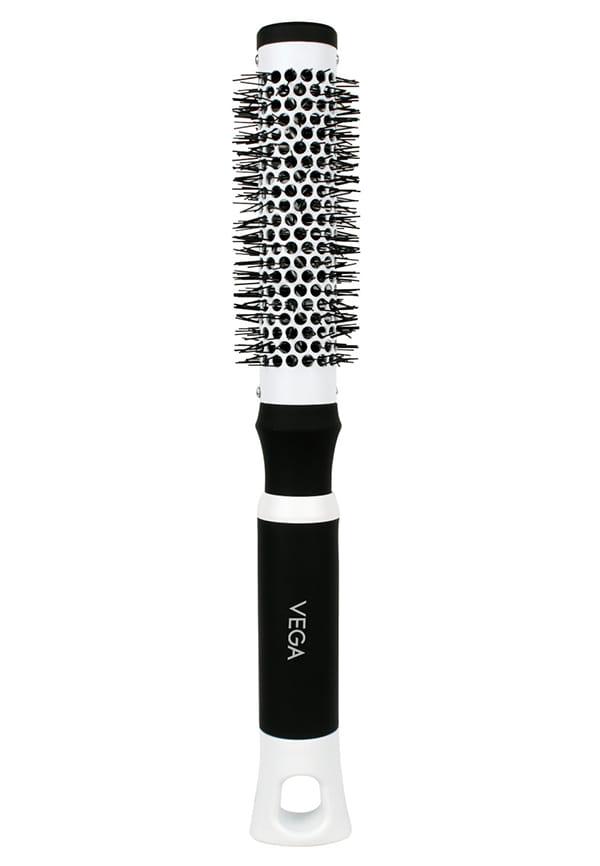 1 Unit
Hot Curl Hair Brushfor Hair Styling, Drying, Healthy Hair and Add Volume, Small (H1-PR S)
Low porosity hair has tightly closed cuticles that resist moisture. Products tend to sit on top rather than penetrating. The water test is brilliant here – drop a clean strand in water. If it floats for ages, you've got low porosity hair.
This hair type needs heat or steam to open the cuticles for deep conditioning. Lightweight, water-based products work better than heavy creams that just create buildup.
Medium porosity hair is the sweet spot – it absorbs moisture well and retains it nicely. This hair type is generally easier to manage and responds well to most products and treatments.
Regular deep conditioning and protein treatments as needed keep medium porosity hair happy and healthy.
High porosity hair absorbs moisture quickly but loses it just as fast. It often feels dry and can be prone to frizz and tangles. This hair type usually results from chemical processing or heat damage.
Heavy creams, oils, and leave-in treatments are your friends here. Protein treatments can help fill in the gaps in damaged cuticles.
Now for the fun part – creating your personalised hair care by type routine. Your hair type chart results are like a recipe for success, telling you exactly what ingredients your hair craves.
For straight hair, focus on lightweight volumising products and avoid heavy oils that can make hair look greasy. Wash frequency can be higher since oil travels down the hair shaft easily. Wavy hair benefits from curl-enhancing products and the 'plopping' technique for drying.
Curly hair thrives with the 'curly girl method' – no sulphates, silicones, or harsh brushing. Co-washing (conditioner-only washing) often works brilliantly. Coily hair needs the gentlest approach with minimal manipulation, protective styling, and lots of moisture.
Product selection should match both your curl pattern and porosity. Low porosity hair needs lightweight, penetrating formulas. High porosity hair can handle heavier, more occlusive products. Always consider your texture too – fine hair gets overwhelmed by heavy products regardless of curl pattern.
Seasonal adjustments matter too. Your hair might need more moisture in winter and lighter products in humid summer weather. Pay attention to how your hair responds to weather changes and adjust accordingly.
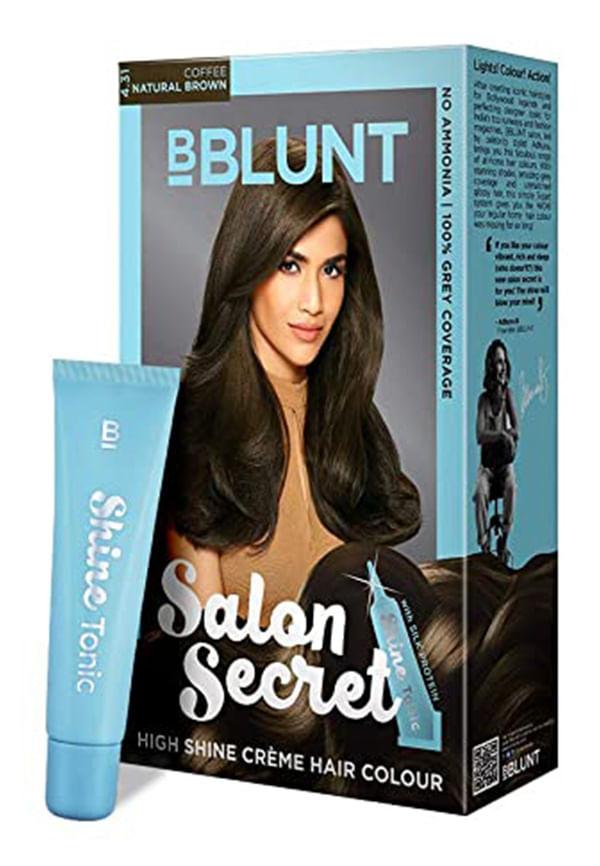 108 gm
Salon Secret High Shine Crème Hair Colour
This is where platforms like Smytten become incredibly valuable. With over 1,500 trusted haircare brands available in trial sizes, you can experiment with different products suited to your specific hair type without committing to full-size purchases. Getting up to 8 minis for just ₹249 means you can try various formulations to find what works perfectly for your unique hair needs.
These are subcategories within the wavy (2) and curly (3) hair types. 2A has loose, barely-there waves, 2B has more defined waves with some frizz, and 2C has strong waves that border on curly. 3A has large, loose curls, whilst 3B has springy pencil-sized curls, and 3C has tight corkscrews.
Look at your hair when it's clean and air-dried without products. Check the curl pattern (straight, wavy, curly, or coily), test the strand thickness between your fingers, and do the water test for porosity. Take photos in natural light to see your pattern clearly.
Hair type refers to your curl pattern (1-4, A-C), whilst hair texture refers to the thickness of individual strands (fine, medium, coarse). You can have any combination – like fine curly hair or coarse straight hair.
Your natural curl pattern is determined by genetics and doesn't change permanently. However, hormones, age, medications, and damage can temporarily alter your hair's appearance and behaviour. Chemical processing and heat damage can also affect your hair's structure.
Many people have multiple hair types on their head. Your crown might be different from your nape area. This is completely normal and explains why you might need different approaches for different sections of your hair.
Reading the best hair type chart is like learning a new language – confusing at first, but incredibly empowering once you get it. Your hair type isn't just a random classification; it's the key to understanding what your hair actually needs to look and feel its best.
Remember, there's no 'best' hair type – just different types that need different care. Whether you're rocking 1A straight strands or 4C coils, the right knowledge and products can help you achieve your hair goals. The beauty lies in understanding and working with your natural texture rather than fighting against it.
Start with identifying your curl pattern, texture, and porosity. Then experiment with products and techniques suited to your specific combination. With Smytten's trial platform offering minis from trusted brands like Love, Beauty & Planet and Bella Vita, you can discover what works for your unique hair type without the financial risk. After all, why settle for 'maybe' when you can try it all and find your perfect haircare routine?
