How to Protect Your Hair from Heat Styling Damage


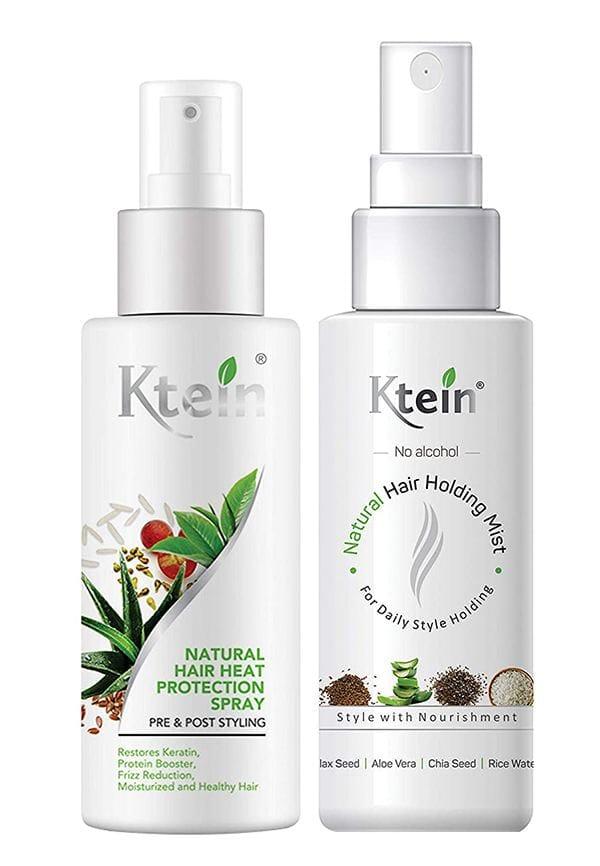 220 ml
Heat Protection Spray And Hair Holding Spray
Let's be real—we've all been there. You're getting ready for that important meeting or date night, and your hair just won't cooperate. Out comes the straightener or curling iron, and before you know it, you're blasting your strands with serious heat. But here's the thing: while heat styling can give you that perfect look, it can also wreak havoc on your hair health if you're not careful. The good news? You don't have to choose between gorgeous hair and healthy hair. With the right approach to protect hair from heat, you can have both. Think of this as your complete guide to keeping your locks luscious while still achieving those Instagram-worthy styles.
Before we dive into protection strategies, let's talk about what actually happens when you apply heat to your hair. Your hair is made up of proteins, primarily keratin, which gives it structure and strength. When you expose your hair to temperatures above 150°C (300°F), these proteins start to break down. The hair cuticle—that protective outer layer—begins to lift and crack, leaving your strands vulnerable to moisture loss and further damage.
The signs of hair damage from heat are pretty unmistakable once you know what to look for. Split ends are usually the first red flag, followed by increased hair breakage, dryness that no amount of conditioner seems to fix, and colour that fades faster than it should. Over time, excessive heat styling can even affect your hair's natural growth cycle, making it harder for your hair to reach its full length potential.
Some hair types are particularly vulnerable to heat damage. If you have fine hair, chemically treated strands, or hair that's already been damaged, you're at higher risk. Curly and textured hair also tends to be more fragile due to its structure, making heat protection absolutely essential for these hair types.
Now that we understand the science behind heat damage, let's talk about your arsenal of protection. A good heat protectant is non-negotiable if you're planning to use any hot tools on your hair. But with so many options out there, how do you choose the right one?
Heat protection sprays are your go-to for lightweight coverage. They're perfect for fine hair that gets weighed down easily, and they distribute evenly throughout your strands. Serums offer more concentrated protection and are brilliant for medium to thick hair that can handle a bit more product. Creams provide the heaviest protection and are ideal for very thick, coarse, or damaged hair that needs extra TLC.
When shopping for thermal protection for hair, look for silicones like dimethicone and cyclomethicone. These create a protective barrier around each strand, helping to distribute heat more evenly. Natural oils like argan or coconut oil can provide additional nourishment, while proteins help strengthen damaged areas. Avoid products with high alcohol content, as these can actually make your hair more susceptible to heat damage.
Fine hair benefits most from lightweight sprays that won't weigh it down. Thick or coarse hair can handle richer creams and serums that provide more intensive protection. If you have curly hair, look for leave-in treatments that offer heat protection alongside moisture and curl definition.
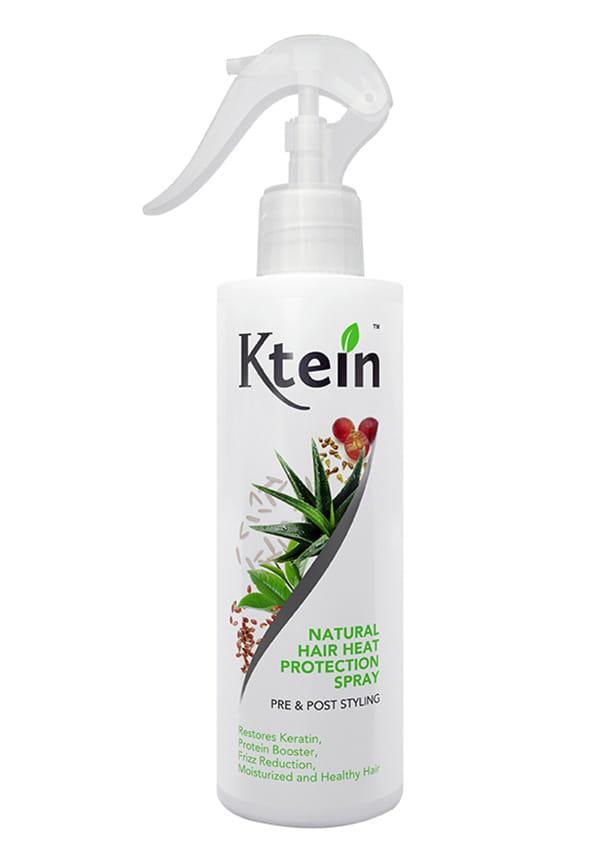 200 ml
Heat Protection Spray
Having the right products is only half the battle—application technique is equally important for effective hair heat protection. Let's break down the process step by step.
Start with clean, conditioned hair. Use a shampoo and conditioner that contain heat-protective ingredients if possible. When towel drying, gently squeeze out excess water rather than rubbing vigorously, which can cause friction damage. Always detangle your hair gently with a wide-tooth comb or detangling brush before applying any heat.
Work in sections to ensure even coverage. Hold your heat protectant about 15cm away from your hair and spray or apply from mid-length to ends—your roots don't need as much protection since they're naturally stronger. Make sure every strand is covered, paying extra attention to the ends, which are the oldest and most vulnerable parts of your hair.
Let your heat protectant dry completely before using any hot tools. For fine or damaged hair, keep temperatures below 150°C. Medium hair can handle up to 180°C, while thick, healthy hair can go up to 200°C. Always aim for single-pass styling—repeatedly going over the same section multiplies the damage.
Even with the best protection products, your styling technique can make or break your hair health. Here's how to style smart while keeping damage to a minimum.
Invest in a quality blow dryer with ionic or ceramic technology—these distribute heat more evenly and reduce drying time. Use a heat-resistant brush and work in small sections. Keep the dryer moving constantly and maintain about 15cm distance from your scalp. Start with cooler settings and gradually increase heat if needed.
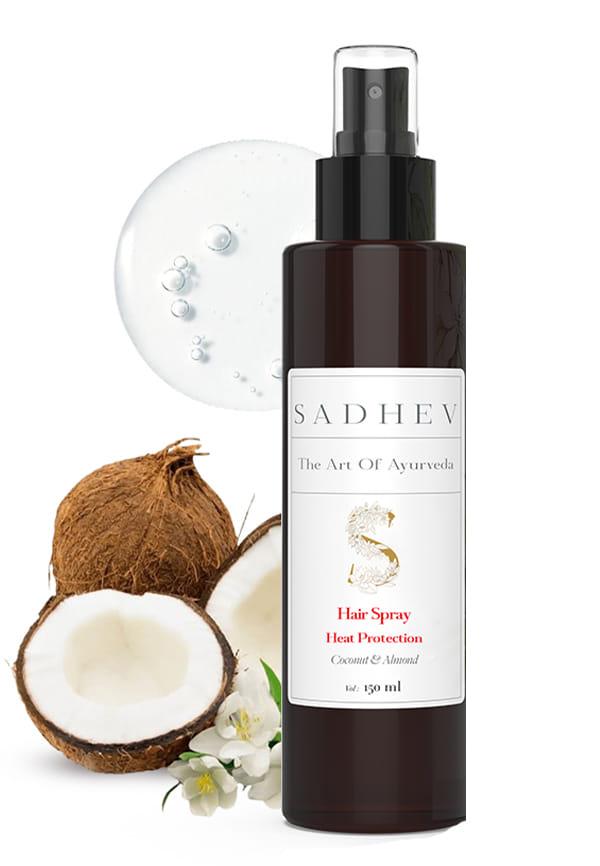 Single
Heat Protection Spray
Choose tools with ceramic or tourmaline plates that heat evenly. Move the tool smoothly and steadily through each section—no stopping or clamping down hard. The key is to work efficiently so you're not exposing your hair to heat for longer than necessary. Give your hair a break between styling sessions whenever possible.
Consider air-drying techniques that enhance your natural texture. Overnight styling methods like braiding damp hair for waves or using foam rollers can give you gorgeous results without any heat. There are also brilliant heat-free tools available that can create curls and waves using just time and technique.
Protection doesn't stop at heat protectant products. A comprehensive hair care routine is essential for maintaining healthy hair that can better withstand heat styling.
Heat-styled hair needs extra moisture and protein to stay healthy. Use a deep conditioning mask once a week, alternating between protein treatments and moisture masks depending on your hair's needs. If your hair feels stretchy when wet, it needs protein. If it feels dry and brittle, focus on moisture.
Don't wash your hair every day—this strips natural oils that help protect against heat damage. When you do wash, use lukewarm water and focus shampoo on your scalp only. Apply a leave-in treatment or hair oil to damp hair for ongoing protection. At night, sleep on a silk pillowcase or use a silk hair wrap to reduce friction.
Pay attention to how your hair feels and looks. Increased split ends, excessive shedding, or hair that won't hold styles anymore are all signs that you need to dial back the heat or amp up your protective routine. Sometimes the best thing you can do is take a complete break from heat styling for a few weeks.
This is where platforms like Smytten become incredibly valuable for your hair health journey. With access to trial-sized versions of over 1,500 trusted brands, you can experiment with different heat protectants and hair care products without committing to full-size purchases. Whether you're looking for the perfect thermal protection spray or a nourishing hair mask, Smytten lets you discover what works best for your unique hair needs through affordable trial packs.
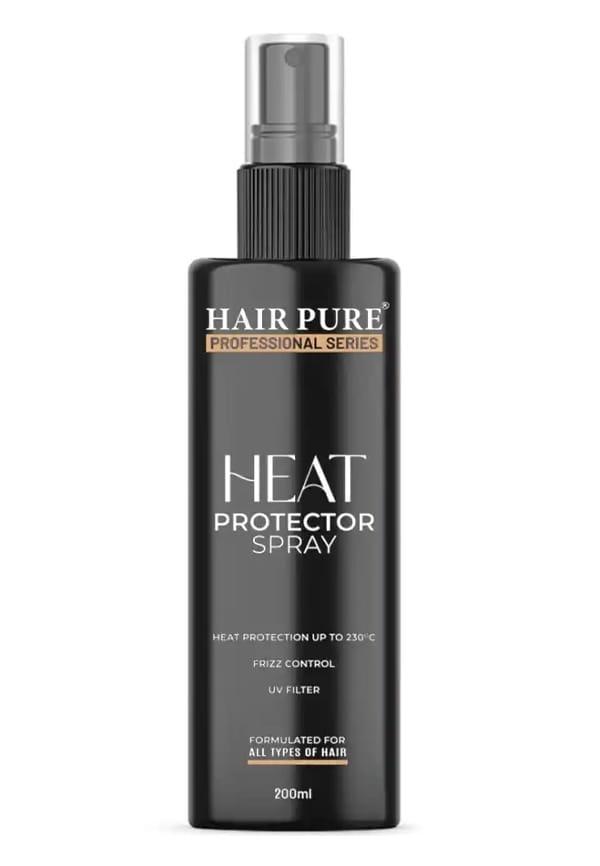 200 ml
Heat Protector Spray Heat Protection Up to 230ºC, Controls Frizz
The most effective approach combines a quality heat protectant product with proper styling technique and a healthy hair care routine. No single product can completely prevent damage, but using a thermal protectant every time you heat style, keeping temperatures appropriate for your hair type, and maintaining overall hair health will give you the best results.
You should use heat protectant every single time you plan to use any hot styling tool, even if you're just doing a quick touch-up. For longer styling sessions, you might need to reapply protection if you're working on your hair for more than 30 minutes.
While heat protectants significantly reduce damage—studies show they can reduce protein loss by up to 50%—they can't completely eliminate it. Think of them as sunscreen for your hair: essential protection that greatly reduces harm but doesn't make you invincible.
Generally, a good quality heat protectant will work for all your hot tools. However, some products are specifically formulated for certain styling methods. For example, some sprays are designed to enhance blow-drying results, while others are better for flat ironing.
In hot, humid weather, look for heat protectants that also offer humidity protection and UV filters. You might also want to reduce your styling temperature slightly since the ambient heat adds to the thermal stress on your hair.
Protecting your hair from heat damage isn't about giving up your favourite styles—it's about being smart with how you achieve them. The right combination of quality products, proper technique, and consistent care can keep your hair healthy while still letting you rock those gorgeous heat-styled looks. Remember, healthy hair is always more beautiful than damaged hair, no matter how perfectly styled it might be.
The journey to finding your perfect heat protection routine might take some trial and error, but that's where smart shopping comes in. Through Smytten's trial packs, you can explore different heat protectants and hair care products from trusted brands without the commitment of full-size purchases. With over 25 million users trusting the platform for their beauty discoveries, you're in good company as you find what works best for your hair. After all, why settle for 'maybe' when you can try it all and find your perfect heat protection match?
