How to Prevent Split Ends Naturally for Healthy Hair

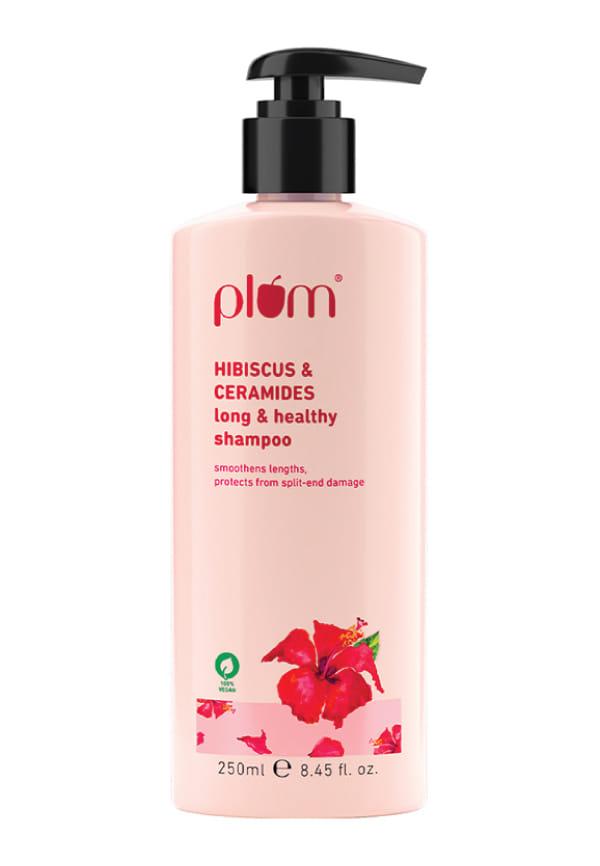 250ml
250mlHibiscus & Ceramides Long & Healthy Shampoo|Helps Boost Hair Growth, Hydrates & Conditions hair, Prevents Split Ends|Contains Hibiscus Extracts, Cera
Split ends are basically your hair's way of saying it's had enough. Those frayed, damaged tips might seem like a minor annoyance, but they're actually a sign that your hair needs some serious TLC. The good news? You don't need expensive salon treatments or harsh chemicals to prevent split ends naturally. With the right approach, you can keep your hair healthy, strong, and split-end-free using ingredients you probably already have at home. Let's dive into the science-backed methods that actually work for long-term hair health.
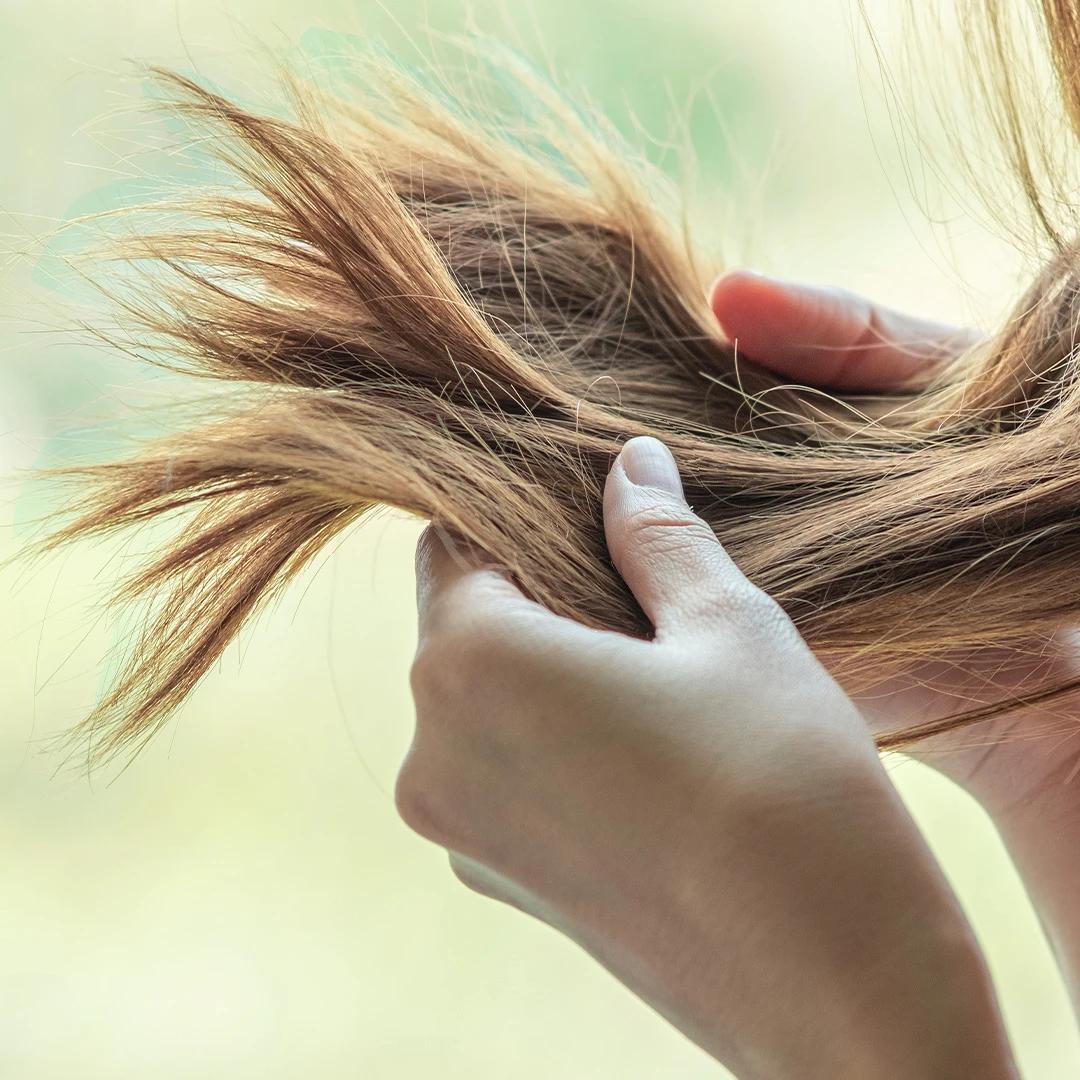
Split ends happen when the protective outer layer of your hair (the cuticle) gets damaged and starts to peel away. Think of it like a rope that's starting to fray—once it begins, it only gets worse if you don't address the root cause. The most common culprits include heat styling, chemical processing, rough handling, and environmental damage from sun and pollution.
Here's why natural split ends treatment methods work better than temporary fixes. When you use harsh chemicals or heat treatments to "seal" split ends, you're essentially putting a band-aid on the problem without addressing what caused it in the first place. Natural hair breakage solutions focus on strengthening your hair from the inside out, improving its overall health and resilience.
The hair growth cycle plays a huge role in this process. Your hair grows about half an inch per month, so preventing damage today means healthier hair in the future. Natural methods work with your hair's biology rather than against it, helping to:
Strengthen the hair shaft
Improve moisture retention
Protect the cuticle layer
Reduce environmental damage
Support healthy growth from the scalp
Creating a solid natural hair care routine is your first line of defence against split ends. It's not about using loads of products—it's about being gentle and consistent with healthy hair tips that actually make a difference.
Your washing routine can make or break your split end prevention efforts. Washing your hair 2-3 times per week maximum is ideal for most hair types. Over-washing strips your hair of natural oils, leaving it dry and prone to breakage.
Use lukewarm water instead of hot—high temperatures can damage the cuticle and lead to moisture loss. Focus your shampooing on the scalp rather than the lengths of your hair. The suds will naturally cleanse the rest as you rinse.
This is where most people go wrong. Always start detangling from the ends and work your way up to the roots using a wide-tooth comb. Wet hair is more fragile, so be extra gentle or consider detangling on damp hair with a leave-in conditioner.
Pre-detangling with oils can be a game-changer. Apply a small amount of coconut or argan oil to the ends before combing to reduce friction and breakage.
DIY hair masks are brilliant for giving your hair the deep conditioning it needs to prevent split ends. These natural treatments can help repair damaged hair while strengthening it for the future.
Mix 2 tablespoons of coconut oil with 1 tablespoon of raw honey. This combination provides both moisture and protein, helping to seal the cuticle and prevent further damage. Apply from mid-length to ends and leave for 30 minutes before washing out.
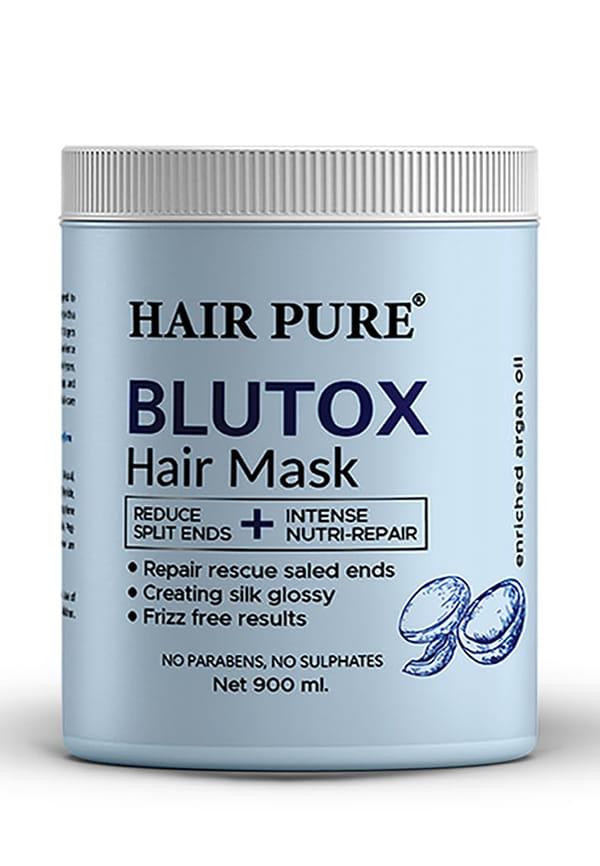 900 ml
Blutox Hair Mask for Reduces Split Ends & Intense Nutri-Repair Treatment
Whisk 2 egg yolks with 2 tablespoons of olive oil. This protein-rich mask helps strengthen weak hair and improve elasticity. Perfect for hair that's been chemically processed or heat-damaged.
Blend 3 tablespoons of fresh aloe vera gel with 2 tablespoons of plain yogurt. This mask provides intense hair hydration while the proteins in yogurt help repair the hair shaft.
Mash half an avocado with one ripe banana. Rich in vitamins and natural oils, this mask deeply nourishes dry, damaged hair and helps prevent future breakage.
Apply these masks to damp hair, focusing on the mid-lengths and ends. Cover with a shower cap and leave for 20-45 minutes depending on your hair's needs. Use once or twice weekly for best results.
Natural oils are absolute heroes when it comes to hair strengthening and preventing split ends. They work by filling in gaps in the cuticle and providing a protective barrier against environmental damage.
Coconut oil penetrates the hair shaft beautifully, making it perfect for normal to thick hair. However, if your hair is protein-sensitive, try argan oil instead—it's lighter and less likely to cause buildup.
Sweet almond oil is brilliant for fine hair as it won't weigh it down. For high porosity hair that loses moisture quickly, heavier oils like castor or olive oil can help seal in hydration.
Pre-shampoo oil treatments protect your hair during washing and can be done weekly. Apply oil from mid-length to ends, leave for 30 minutes, then shampoo as usual.
For leave-in applications, use just a tiny amount on damp hair ends. Too much will make your hair look greasy, so start small and build up if needed.
Once a month, try an overnight oil treatment for serious hair cuticle repair. Apply oil generously to the lengths and ends, braid loosely, and cover with a silk scarf. Wash out thoroughly in the morning.
Heat styling is one of the biggest causes of split ends, so learning heat-free alternatives is crucial for healthy hair. These hair breakage solutions will keep your hair looking great without the damage.
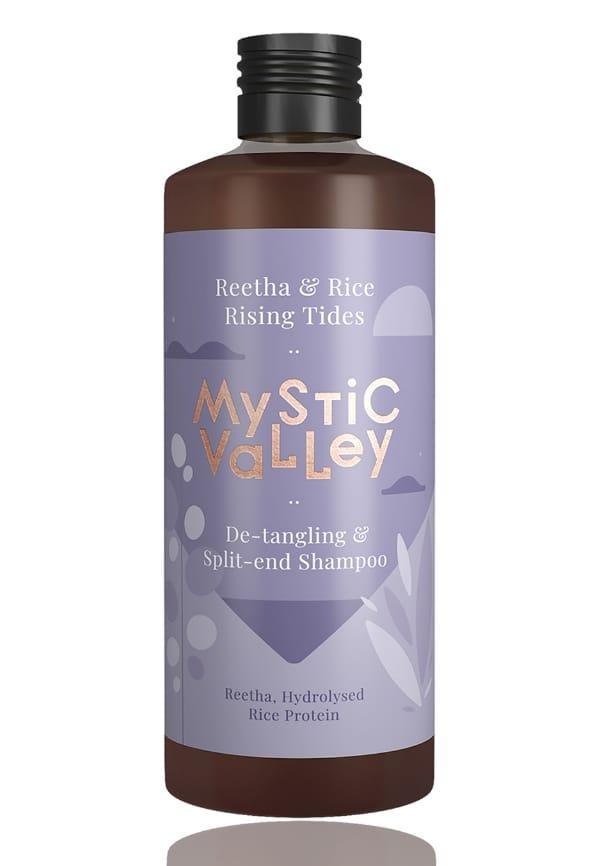 350 ml
Reetha & Rice Protein Split End Repair & Detangling Shampoo
Ditch the rough towel rubbing—it causes friction and breakage. Instead, gently squeeze out excess water with a microfiber towel or cotton t-shirt. These materials are much gentler on your hair cuticles.
For curly hair, try the plopping method: wrap your hair in a t-shirt and leave for 10-20 minutes to absorb moisture without disturbing your curl pattern.
Loose braids, low ponytails, and buns keep your hair ends tucked away and protected from environmental damage. Avoid tight elastic bands—use silk scrunchies or spiral hair ties instead.
Silk and satin accessories reduce friction against your hair, preventing breakage and frizz. They're worth the investment for healthier hair.
Your pillowcase can be causing split ends without you realising it. Silk or satin pillowcases reduce friction while you sleep, keeping your hair smoother and less prone to tangling.
Alternatively, wrap your hair in a silk scarf or use a loose protective style like a top knot to keep your ends safe overnight.
Preventing split ends naturally isn't just about what you put on your hair—it's also about supporting your hair health from the inside out. Your lifestyle choices have a massive impact on hair strength and growth.
Your hair is basically made of protein, so getting enough in your diet is essential. Include eggs, fish, nuts, and legumes in your meals. Biotin and omega-3 fatty acids also play crucial roles in hair health.
Hair hydration starts from within too. Drinking enough water helps maintain your hair's moisture levels and supports healthy growth from the scalp.
UV rays can damage your hair just like they damage your skin. Wear a hat or use hair products with UV protection when spending time outdoors.
Wind and humidity can cause tangles and breakage. On particularly harsh weather days, keep your hair in a protective style to minimise exposure.
Chronic stress can affect your hair growth cycle and make your hair more prone to breakage. Regular exercise, meditation, or whatever helps you unwind can actually improve your hair health.
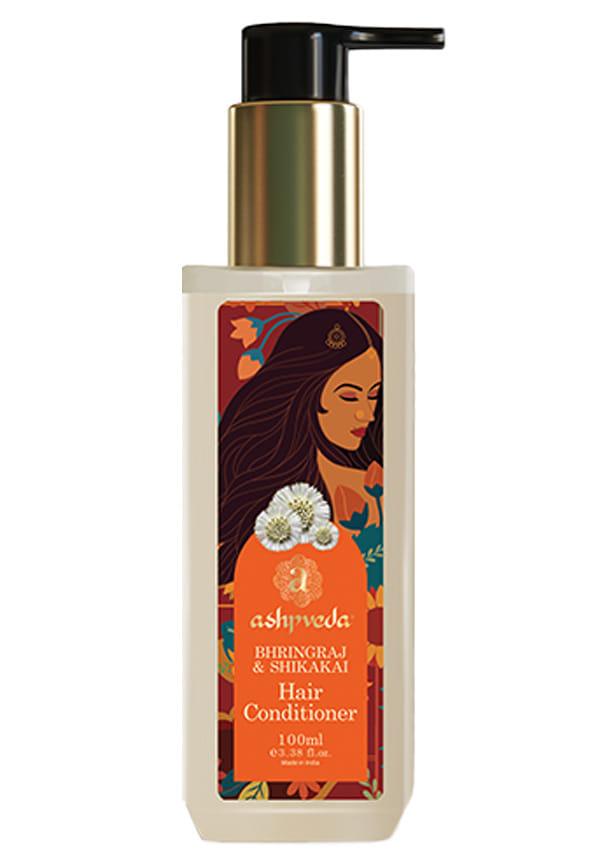 100 ml
Bhringraj & Shikakai Hair Conditioner for Hair fall, Dryness, Roughness, Dullness & Split-ends (100ml)
Now that you know all the methods to prevent split ends naturally, it's time to create a routine that works for your specific hair type and lifestyle. Not every technique will work for everyone, so it's about finding your perfect combination.
Start by assessing your hair type—is it fine or thick? Curly or straight? High or low porosity? This will help you choose the right oils, masks, and styling techniques. Fine hair might need lighter oils and less frequent deep conditioning, while thick, coarse hair can handle heavier treatments.
Create a weekly routine template that includes gentle cleansing 2-3 times per week, one deep conditioning treatment, and daily protective styling. Track your progress by taking photos and noting how your hair feels—is it stronger? Less tangled? Growing faster?
When exploring natural hair care products, platforms like Smytten make it easy to try different formulations without committing to full sizes. With trial packs from trusted haircare brands, you can discover what works best for your hair type before investing in larger products. This approach helps you build an effective routine while avoiding products that might not suit your specific needs.
Unfortunately, once a hair strand is split, it can't be permanently repaired. The only way to truly remove split ends is to trim them off. However, natural treatments can help prevent new ones from forming and temporarily smooth existing damage.
You might notice your hair feeling softer and more manageable within a few weeks of consistent natural care. However, since hair grows slowly, it can take 2-3 months to see significant improvements in overall hair health and reduced breakage.
Split ends occur at the very tips of your hair where the strand literally splits into two or more pieces. Hair breakage can happen anywhere along the hair shaft and results in shorter, uneven pieces throughout your hair.
Coconut oil can temporarily fill in gaps in damaged hair and make split ends less noticeable, but it can't permanently repair them. It's excellent for prevention and making hair stronger, but existing splits will eventually need to be trimmed.
Most hair types benefit from a trim every 8-12 weeks. If you're trying to grow your hair out, you can stretch this to 12-16 weeks with excellent care, but regular trims actually help maintain length by preventing splits from travelling up the hair shaft.
While nothing can permanently seal split ends, ingredients like coconut oil, shea butter, and aloe vera can temporarily smooth the cuticle and make damage less visible. These work best as preventive measures rather than repairs.
Preventing split ends naturally is absolutely achievable with the right approach and consistency. It's about being gentle with your hair, nourishing it properly, and protecting it from damage. Remember, healthy hair is a marathon, not a sprint—the natural methods we've covered work best when you stick with them over time.
The key is finding what works for your specific hair type and lifestyle. Start with the basics: gentle cleansing, proper detangling, and regular deep conditioning. Then experiment with different oils and DIY masks to see what your hair responds to best. With Smytten's trial packs, you can explore various natural haircare products from trusted brands without the commitment, making it easier to build your perfect routine. After all, why settle for damaged hair when you can discover the natural solutions that work best for you?
