How to Prevent Hair Thinning: A Complete Guide

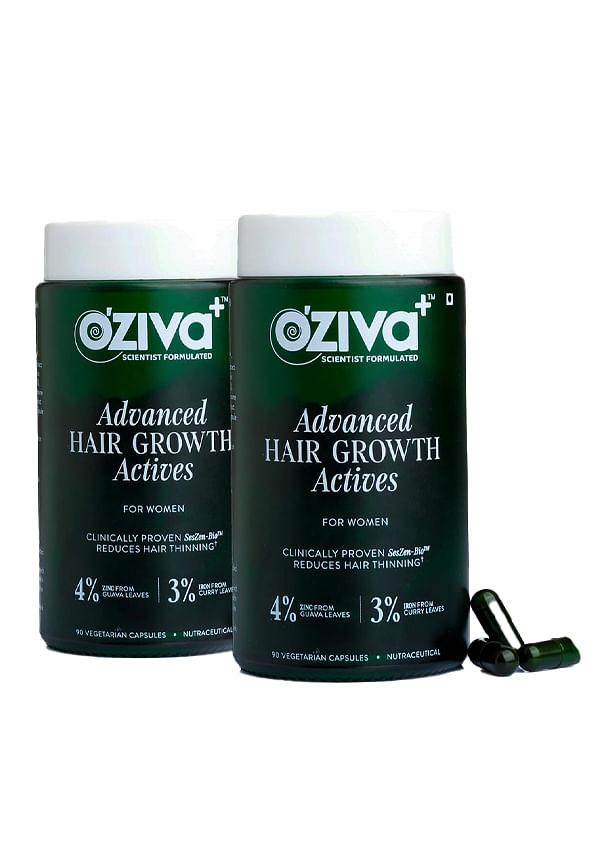
Advanced Hair Growth Actives | Anti-Thinning Hair Formula for Women
You know that moment when you're running your fingers through your hair and notice more strands coming away than usual? Or when your ponytail feels noticeably thinner than it used to? Hair thinning can sneak up on anyone, and honestly, it's one of those things that can really mess with your confidence. The good news is that preventing hair thinning isn't some impossible mission — it's actually about understanding what's happening and making some smart changes to your routine. Whether you're dealing with early signs or just want to keep your hair as full as possible, there are real, science-backed ways to protect what you've got and even encourage new growth.
Let's be real — hair thinning doesn't just happen overnight, and it's rarely down to just one thing. Your genes play a massive role here, especially if your family has a history of hair loss. But genetics aren't the whole story. Hormonal changes can seriously impact your hair density, particularly DHT (dihydrotestosterone), which basically tells your hair follicles to shrink over time. Women might notice thinning during menopause, pregnancy, or even with thyroid issues.
Nutritional deficiencies are another major culprit that people often overlook. Your hair needs proper fuel to grow strong, and when you're low on iron, zinc, or vitamin D, your follicles basically go into survival mode. Stress is a huge factor too — chronic stress pumps out cortisol, which can push hair follicles into a resting phase where they stop producing new strands. Then there's the damage we accidentally inflict through tight hairstyles, excessive heat styling, and harsh chemical treatments. Even certain medications can trigger hair thinning as a side effect.
Environmental factors like pollution and UV exposure don't help either. Your scalp and hair are constantly exposed to free radicals that can weaken the hair shaft and damage follicles. Understanding these hair thinning causes is the first step in creating an effective hair loss prevention strategy that actually works for your specific situation.
The way you treat your hair day-to-day makes a massive difference in preventing hair thinning. Think of your hair like delicate fabric — the gentler you are, the longer it lasts. This means rethinking some of those styling habits that might be causing more damage than you realise.
Tight ponytails, braids, and buns might look sleek, but they're constantly pulling on your hairline and can cause permanent damage over time. Switch to looser styles and use soft hair ties instead of elastic bands. When you do need your hair up, try alternating the position of your ponytail so you're not always stressing the same areas.
Your flat iron and curling wand aren't doing your hair density any favours. Try to limit heat styling to once or twice a week, and always use a heat protectant. Air-drying might take longer, but your hair will thank you for it. If you must use heat, keep it on the lowest effective setting.
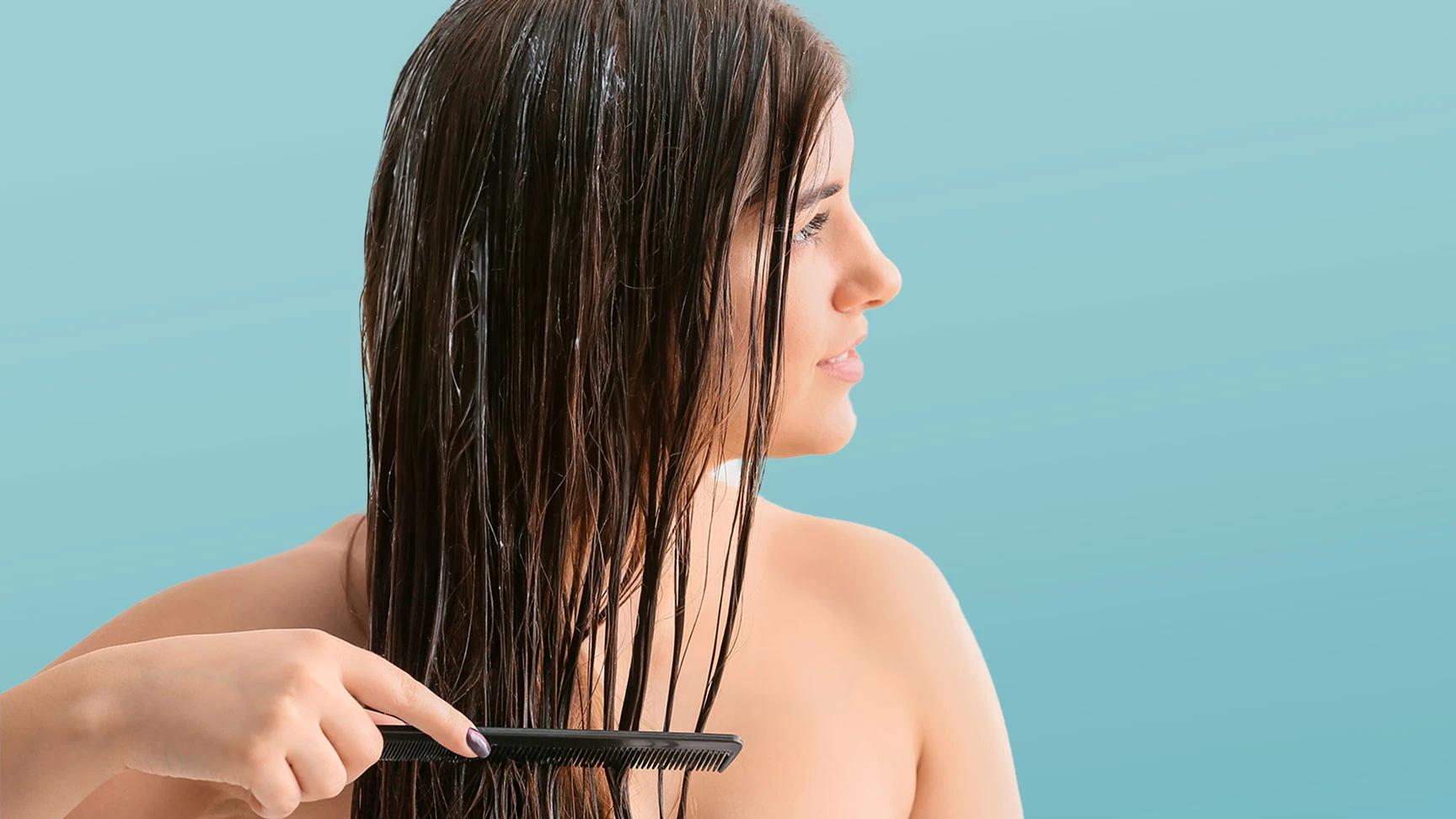
Over-washing strips your scalp of natural oils, while under-washing can clog follicles with buildup. Most people do well washing every 2-3 days, but this depends on your hair type. When you do wash, be gentle — massage your scalp with your fingertips, not your nails. Use a wide-tooth comb on wet hair and start detangling from the ends up. A silk pillowcase reduces friction while you sleep, which means less breakage and tangles in the morning.
Your hair is basically a reflection of what's happening inside your body. If you're not getting the right nutrients, your hair will be the first to show it. Think of proper nutrition as the foundation of any good hair loss prevention plan.
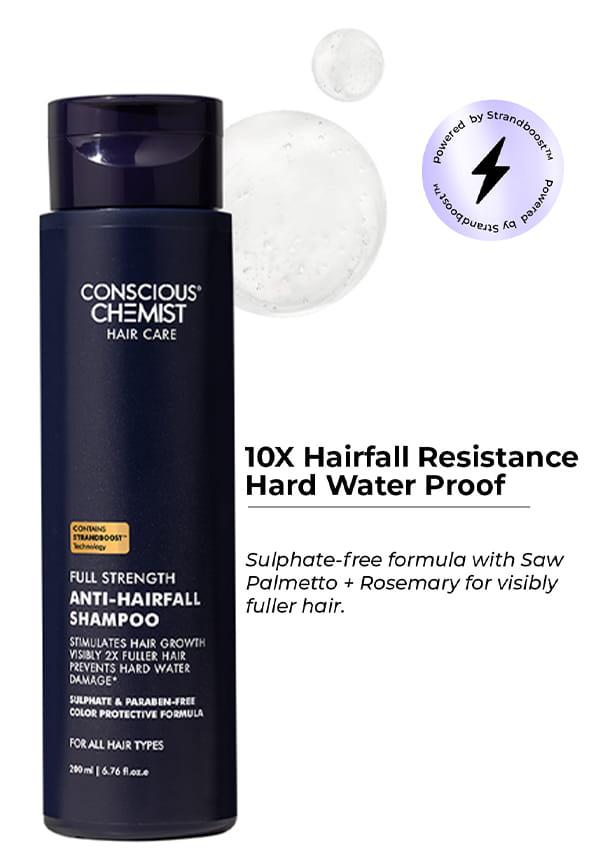
Full Strength Anti-Hairfall Shampoo
Hair is made of protein, so it makes sense that you need adequate protein to grow strong strands. Aim for about 0.8 grams per kilogram of body weight daily. Good sources include eggs, fish, lean meats, beans, and nuts. If you're vegetarian, make sure you're combining different protein sources to get all the essential amino acids your hair needs.
Iron deficiency is one of the most common causes of hair thinning, especially in women. Include iron-rich foods like spinach, lentils, and lean red meat in your diet. Zinc supports hair tissue growth and repair — you'll find it in pumpkin seeds, chickpeas, and shellfish. Vitamin D helps create new hair follicles, so consider getting your levels checked if you're experiencing unexplained hair loss. Omega-3 fatty acids from fish, walnuts, and flaxseeds add shine and strength to your strands.
Dehydration affects every part of your body, including your hair follicles. Aim for 8-10 glasses of water daily, and include water-rich foods like cucumbers, watermelon, and oranges in your diet. Proper hydration helps maintain scalp health and supports the delivery of nutrients to your hair follicles.
A healthy scalp is like good soil for a garden — without it, nothing's going to grow properly. Your scalp health directly impacts hair growth, so it deserves just as much attention as the hair itself.
Daily scalp massage increases blood flow to your hair follicles, which means more nutrients and oxygen reaching the roots. Spend 5-10 minutes each day using your fingertips to massage your scalp in circular motions. You can do this dry or with a few drops of oil. Some people swear by scalp massage tools, but your fingers work just fine.
Rosemary oil has been shown in studies to be as effective as minoxidil for promoting hair growth. Mix a few drops with a carrier oil like coconut or jojoba and massage into your scalp. Fenugreek seeds soaked overnight and ground into a paste make an excellent hair mask that can help thicken existing strands. These natural treatments take time to show results, but they're gentle and worth trying.
Product buildup can clog hair follicles and prevent healthy growth. Once a week, use a gentle scalp scrub or make your own with brown sugar and olive oil. This removes dead skin cells and excess oil, creating a cleaner environment for hair growth. Just don't overdo it — too much exfoliation can irritate your scalp.
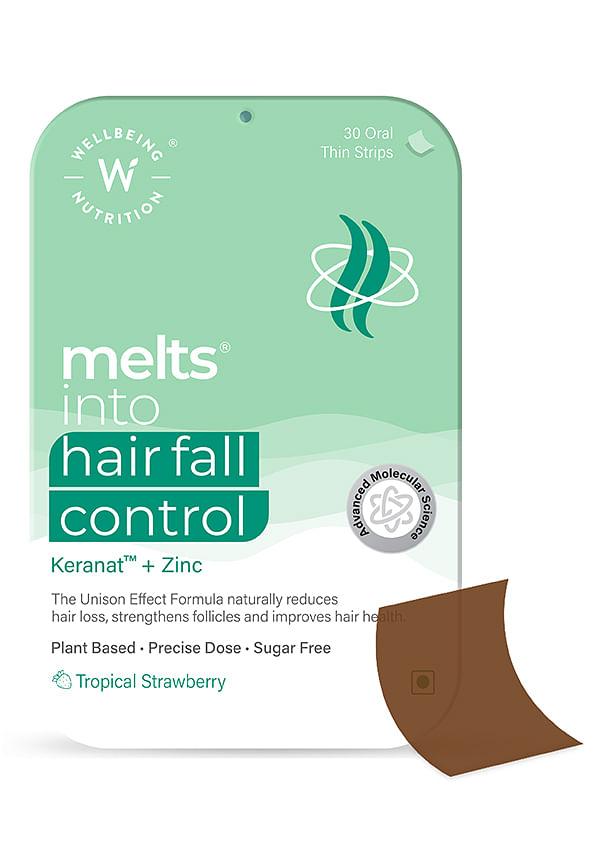
Melts Hair Fall Control Keranat & Zinc, Hair Loss Support to Improve Hair Anchoring (30 Oral Strips)
Sometimes the most effective thinning hair treatment isn't a product at all — it's changing how you live. Your lifestyle has a huge impact on your hair's health and thickness.
Chronic stress is a major contributor to hair loss, so finding ways to manage it is crucial. Regular exercise, meditation, or even just taking a few deep breaths throughout the day can help lower cortisol levels. Aim for 7-9 hours of quality sleep each night — your hair does most of its growing while you're asleep.
Regular cardio improves circulation throughout your body, including to your scalp. You don't need to become a gym fanatic — even a 30-minute walk daily can make a difference. Yoga poses that involve inversions, like downward dog, can temporarily increase blood flow to your scalp.
UV rays can damage your hair shaft and scalp, leading to weaker strands. Wear a hat or use hair products with SPF when you're spending time outdoors. If you live in a polluted area, consider washing your hair more frequently to remove environmental toxins that can clog follicles.
When lifestyle changes and gentle care aren't enough, there are medical options that can help with preventing hair thinning. These treatments have scientific backing and can be quite effective when used correctly.
Minoxidil is probably the most well-known treatment for hair loss prevention. It works by increasing blood flow to hair follicles and can help both men and women. You'll need to use it consistently for at least 3-6 months to see results. Ketoconazole shampoos can help with scalp health by reducing inflammation and fighting fungal infections that might contribute to hair loss.
PRP (Platelet-Rich Plasma) therapy involves injecting your own concentrated platelets into your scalp to stimulate hair growth. Low-level laser therapy is another option that uses red light to energise hair follicles. These treatments require multiple sessions and can be expensive, but many people see good results.
If you're experiencing sudden, patchy hair loss, or if your scalp is itchy, red, or inflamed, it's time to see a dermatologist. Some types of hair loss require prescription medications or treatments that you can't get over the counter. Don't wait too long — early intervention usually leads to better outcomes.
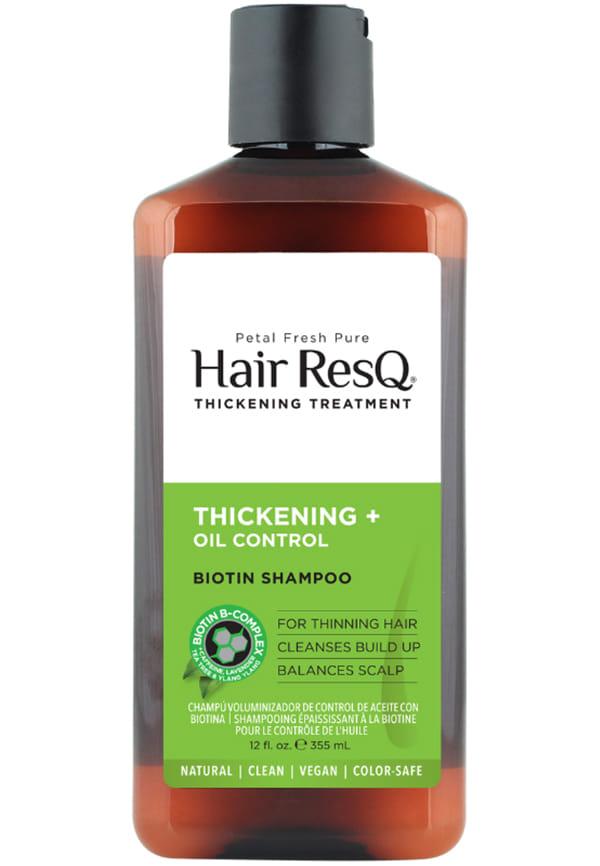
Hair ResQ Thickening Shampoo Oil Control
The most effective approach combines gentle haircare practices, proper nutrition, stress management, and scalp health maintenance. Start with reducing heat styling, eating protein-rich foods, managing stress levels, and using gentle hair products. If these don't help after 3-6 months, consider consulting a dermatologist for medical treatments like minoxidil or professional therapies.
Yes, hair can often grow back from thinning, especially if the underlying cause is addressed early. Temporary hair loss from stress, nutritional deficiencies, or hormonal changes often reverses once the trigger is resolved. However, genetic hair loss is progressive, though treatments can slow it down and sometimes restore some thickness.
The "big 3" refers to minoxidil (promotes blood flow to follicles), finasteride (blocks DHT hormone), and ketoconazole shampoo (reduces scalp inflammation). This combination targets the main causes of hair loss and is often recommended by dermatologists for comprehensive treatment.
Gen Z faces unique hair loss triggers including high stress levels from social media pressure, poor sleep habits, restrictive diets, excessive heat styling, and tight hairstyles. Environmental factors like pollution and increased screen time (which can disrupt sleep) also contribute to earlier hair thinning in this generation.
Most hair growth treatments take 3-6 months to show noticeable results because of the hair growth cycle. Lifestyle changes like better nutrition and stress management might show effects in 2-3 months, while medical treatments like minoxidil typically require 4-6 months of consistent use before you see improvement.
Some natural remedies have scientific support — rosemary oil has been shown to be as effective as minoxidil in studies, and scalp massage can improve circulation. However, natural treatments generally work slower than medical options and are best used as part of a comprehensive approach rather than standalone solutions.
Preventing hair thinning is totally doable when you understand what's causing it and take a comprehensive approach. The key is being consistent with gentle haircare practices, nourishing your body with the right nutrients, managing stress, and maintaining good scalp health. Remember, healthy hair habits take time to show results, so don't get discouraged if you don't see changes immediately.
If you're looking to explore different haircare products that support hair health, Smytten offers a curated selection of premium brands that focus on scalp care and hair strengthening. From gentle shampoos to nourishing treatments, you can discover products that work for your specific hair type and concerns. Not sure which format works for your hair? Smytten also offers trial-size versions of many of these products — a good way to check before committing to a full bottle.
