How to Prevent Hair Fall in Indian Summers: Reasons & Solutions

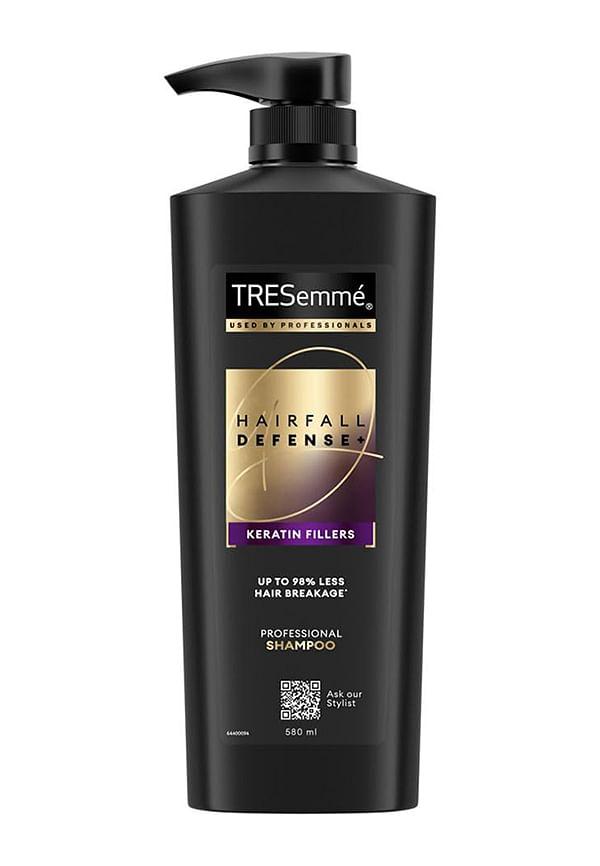 580 ml
Hair Fall Defence Shampoo
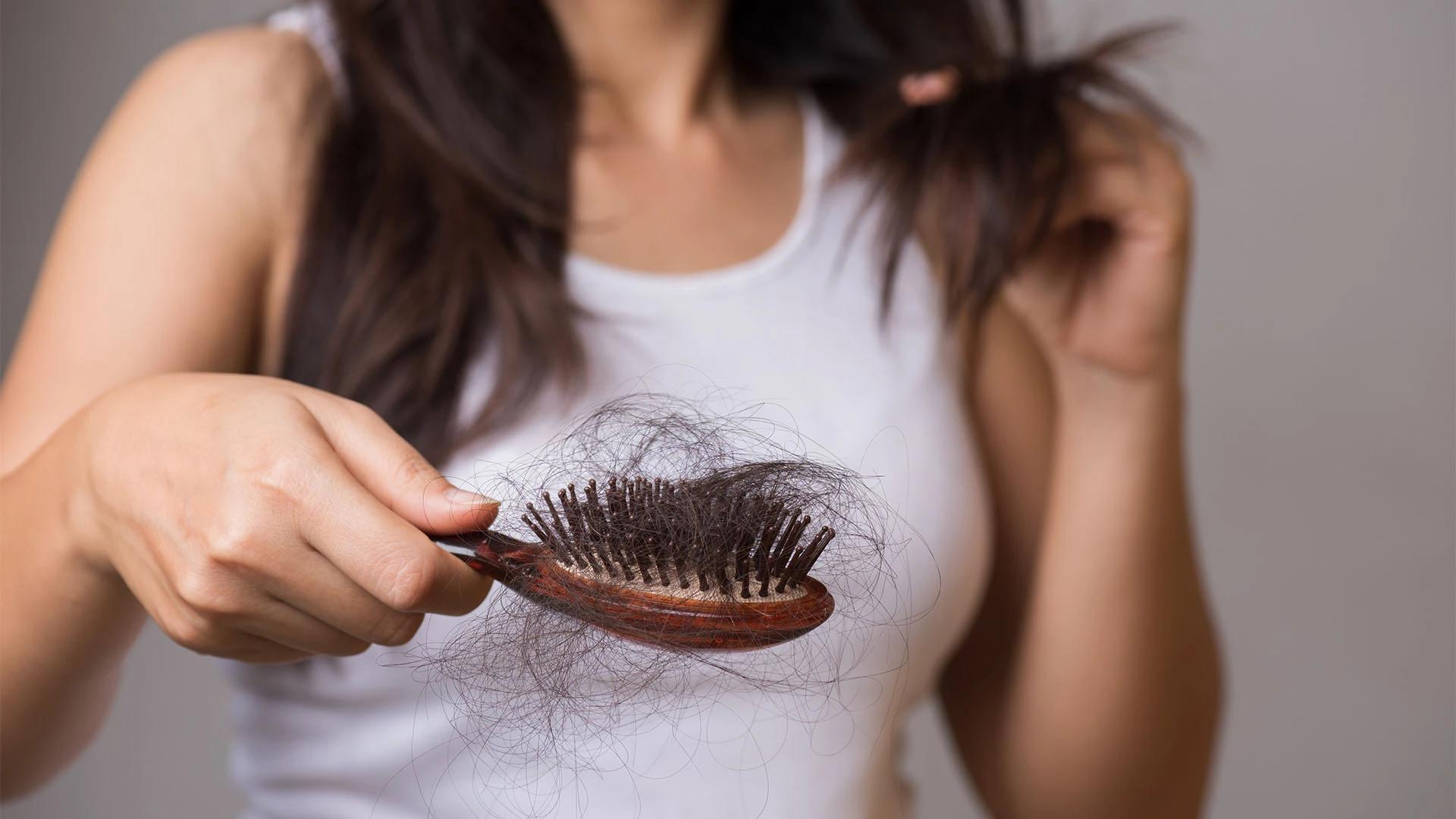
Summer in India hits different, doesn't it? One day you're enjoying the warm weather, and the next you're finding clumps of hair on your pillow, in the shower drain, and basically everywhere. If you've noticed your hair fall ramping up as the temperature soars, you're definitely not alone. The combination of scorching heat, humidity, and India's unique climate creates the perfect storm for seasonal hair loss. But here's the thing—understanding why this happens is your first step to fighting back. Let's dive into the real reasons behind hair fall in summer India and, more importantly, what you can actually do about it.
Real talk—summer hair fall in India isn't just about the heat. Our climate is a unique beast that combines intense UV radiation, humidity levels that make you question life choices, and temperatures that can easily cross 40°C. This creates a challenging environment for your hair and scalp that's quite different from what people in temperate climates experience.
Normal hair shedding sits around 50-100 strands daily, but during peak summer months, many people notice this number shooting up significantly. This isn't necessarily cause for panic, but it's worth understanding what's happening and why.
Your hair follows natural growth cycles, and external factors like temperature and humidity can influence these patterns. During summer, your hair follicles can enter what's called the telogen phase (the resting phase) more frequently, leading to increased shedding.
India's diverse climate zones—from the dry heat of Rajasthan to the humid coastal regions—each present unique challenges. Coastal areas deal with salt-laden air and high humidity, while inland regions face dry heat that can literally bake moisture out of your hair strands.
Let's get into the nitty-gritty of what's actually causing your hair to stage this summer rebellion. Understanding these hair fall causes helps you tackle the problem at its root—literally.
India's geographical location means we get hit with some serious UV radiation during summer months. This isn't just bad news for your skin—your hair takes a beating too. UV rays break down the proteins in your hair shaft, making strands weak and prone to breakage. Your scalp also suffers, with prolonged exposure leading to inflammation that can disrupt normal hair growth cycles.
When temperatures soar above 40°C, your body goes into survival mode, prioritising essential functions over hair growth. Dehydration affects your entire system, including the blood flow to your scalp. Less blood flow means fewer nutrients reaching your hair follicles, which can trigger premature shedding.
Summer means sweating—a lot. While sweating itself isn't harmful, the combination of sweat, oil, and environmental pollutants can create a cocktail that clogs your hair follicles. This buildup can lead to scalp infections, dandruff, and ultimately, hair fall. The salt in sweat can also dry out your hair strands, making them brittle and more likely to break.
Air conditioning might save you from the heat, but it also strips moisture from the air—and your hair. Frequent swimming in chlorinated pools, increased use of styling tools to manage frizzy summer hair, and even changes in your diet and water intake can all contribute to seasonal hair problems.
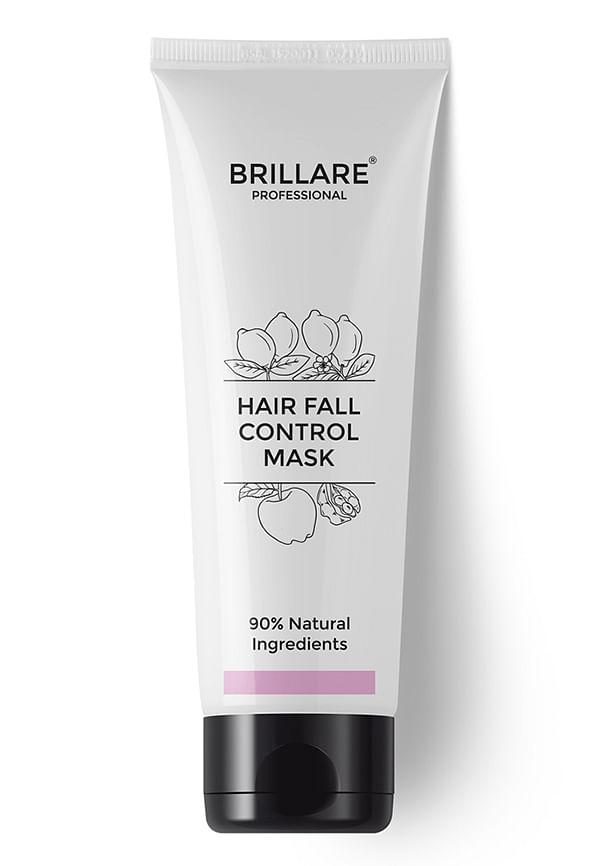 125 gm
Conditioner To Reduce Seasonal Hair Fall
You might wonder if hair fall is worse in summer or winter. The answer? It depends on where you live in India and your individual hair type. However, studies suggest that many people experience peak hair shedding during late summer and early autumn.
In India's context, summer tends to be more challenging for hair health due to the intense heat and humidity. Winter might bring its own set of problems like dryness, but the immediate impact of summer heat, UV exposure, and increased sweating typically creates more noticeable hair fall.
If you're in Mumbai or Chennai, you're dealing with humid heat that can make your scalp a breeding ground for bacteria. Delhi or Jaipur residents face dry heat that can literally suck the moisture out of your hair. Each requires slightly different approaches to summer hair care.
Now for the good stuff—what you can actually do to prevent hair fall during these scorching months. This isn't about complicated routines that you'll abandon after a week. These are practical, doable strategies that work with your lifestyle.
Start your day by protecting your hair before you step out. A light leave-in conditioner with SPF can work wonders. If you're heading out during peak sun hours (10 AM to 4 PM), cover your hair with a scarf or hat. Yes, it might mess up your hairstyle, but your future self will thank you.
Evening routines matter just as much. Rinse your hair with cool water to remove sweat and pollutants. You don't need to shampoo daily—in fact, over-washing can strip natural oils and make things worse.
Your hair is essentially dead tissue, so it can't repair itself like your skin can. This makes prevention crucial. Drink at least 3-4 litres of water daily—more if you're spending time outdoors. Your hair follicles need adequate hydration to function properly.
External hydration comes from using lightweight, non-greasy hair products that won't weigh your hair down in the humidity. Look for ingredients like hyaluronic acid, glycerin, and natural oils that provide moisture without the heavy feel.
Summer calls for a complete overhaul of your haircare routine. Heavy creams and oils that work in winter might leave you feeling like you've dipped your head in a vat of grease during summer. Switch to lighter formulations that provide the same benefits without the weight.
Before you roll your eyes at another "apply coconut oil" suggestion, hear us out. These hair fall solutions have stood the test of time because they work, especially when adapted for summer use.
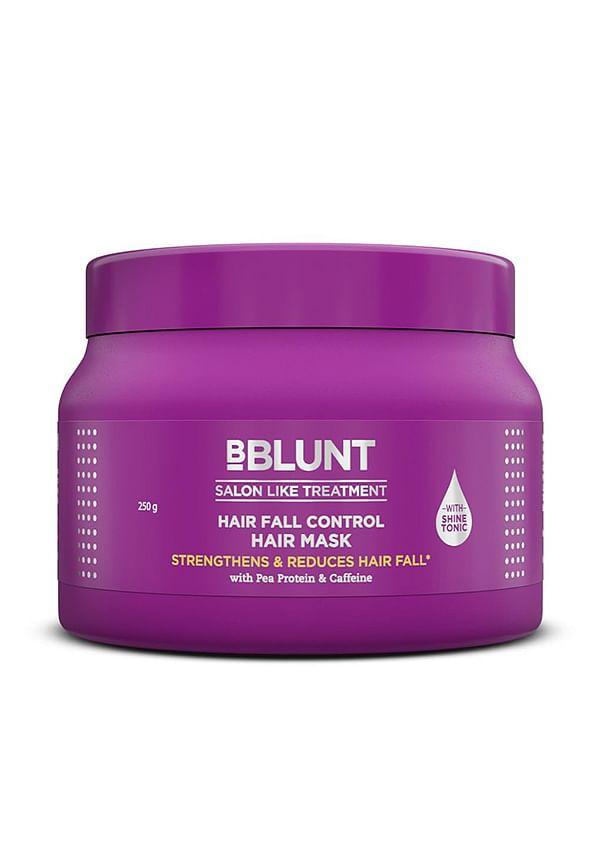 250 gm
Hair Fall Control Hair Mask
Aloe vera gel straight from the plant (or a good quality store-bought version) can provide instant relief to an overheated scalp. Apply it for 20-30 minutes before washing your hair. It's cooling, hydrating, and has anti-inflammatory properties that can help reduce scalp irritation.
A mint and rose water rinse after shampooing can provide that cooling sensation while adding a subtle fragrance. Mint has natural cooling properties, while rose water helps balance your scalp's pH.
A weekly hair mask made from yogurt and honey can provide deep conditioning without the heaviness of oil-based treatments. Yogurt contains lactic acid that gently exfoliates the scalp, while honey is a natural humectant that draws moisture from the air.
For protein treatments, try a mixture of egg white and lemon juice. The protein helps strengthen hair strands, while lemon juice can help remove buildup and add shine.
Amla and hibiscus make a powerful combination for summer hair care. Both are cooling in nature and packed with vitamins that support hair health. You can make a paste from fresh ingredients or look for products that contain these extracts.
Neem oil, despite its strong smell, is excellent for treating scalp issues that can arise from increased sweating. Use it as a pre-shampoo treatment once a week, focusing on the scalp rather than the hair lengths.
Sometimes, despite your best efforts, hair loss treatment might require professional intervention. Knowing when to seek help can save you from prolonged hair loss and potential permanent damage.
If you're losing more than 100-150 hairs daily for several weeks, notice bald patches, or experience scalp pain or unusual itching, it's time to consult a dermatologist. These could be signs of underlying conditions that require medical treatment.
Modern treatments like PRP (Platelet-Rich Plasma) therapy and laser treatments are becoming more accessible in Indian cities. These can be particularly effective for pattern hair loss that might be exacerbated by summer conditions.
Your dermatologist might also recommend specific medications or medicated shampoos that can help address underlying scalp conditions contributing to your hair fall.
The goal isn't just to survive this summer—it's to build hair that can handle whatever the Indian climate throws at it. This means thinking beyond quick fixes to sustainable practices that support overall hair health.
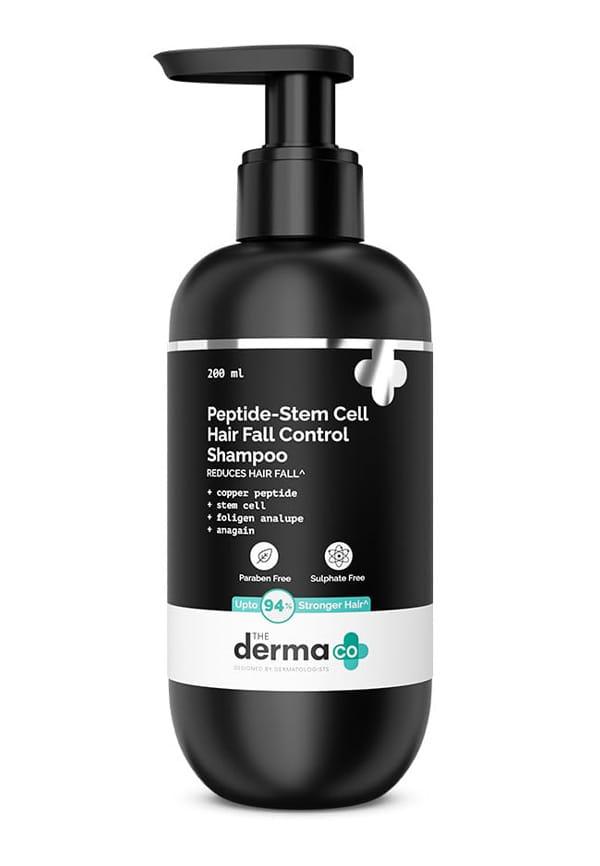 200ml
200mlPeptide- Stem Cell Hair Fall Control Shampoo
Start preparing your hair for summer in March-April by gradually switching to lighter products and increasing your water intake. As monsoon approaches, you'll need to adjust again to handle increased humidity and potential fungal issues.
Your hair health reflects your overall health. Regular exercise improves blood circulation to your scalp, but make sure to rinse sweat off promptly. Stress management through yoga, meditation, or whatever works for you can significantly impact hair health, as stress is a major contributor to hair fall.
Sleep quality matters too. Your body repairs and regenerates during sleep, including your hair follicles. Aim for 7-8 hours of quality sleep, and consider using a silk or satin pillowcase to reduce friction on your hair.
When it comes to finding the right products for your summer haircare routine, Smytten makes it easier to discover what works for your specific hair type and concerns. With curated trial packs from trusted brands, you can test different formulations without committing to full-size products—perfect for finding your summer hair heroes without the guesswork.
Yes, losing up to 150 hairs daily during summer can be normal due to increased heat, UV exposure, and seasonal hair cycle changes. However, if this continues for more than 6-8 weeks or you notice bald patches, consult a dermatologist.
Peak hair fall typically occurs during April-June when temperatures are highest, followed by a secondary peak in September-October as hair follicles adjust to seasonal changes. Coastal regions might experience different patterns due to humidity variations.
Women often notice summer hair fall more due to hormonal fluctuations, longer hair that shows shedding more obviously, and frequent use of heat styling tools. However, both genders can experience increased seasonal hair loss.
Air conditioning doesn't directly cause hair fall, but it can dry out your hair and scalp, making strands more brittle and prone to breakage. Use a humidifier in AC rooms and apply leave-in conditioner to combat dryness.
With proper care, summer-related hair fall typically normalises within 2-3 months after implementing a good haircare routine. However, hair regrowth can take 3-6 months to become noticeable, so patience is key.
Summer hair fall in India is real, but it's not something you have to just endure. Understanding the specific challenges our climate presents—from intense UV radiation to humidity-induced scalp issues—helps you create a targeted approach that actually works. The key is consistency rather than perfection.
Remember, your hair is unique, and what works for your friend might not work for you. This is where platforms like Smytten become invaluable, offering trial-sized products from over 1,500 trusted brands so you can discover your perfect summer haircare routine without the commitment. With options to try up to 8 minis for just ₹249 and 100% cashback on trial purchases, finding your ideal products becomes both affordable and risk-free.
Don't let summer hair fall get you down. With the right knowledge, products, and consistency, you can maintain healthy, strong hair even during the most challenging months. After all, why settle for 'maybe' when you can try it all and find what truly works for your hair?
