How to Prevent Hair Breakage for Stronger, Healthier Hair

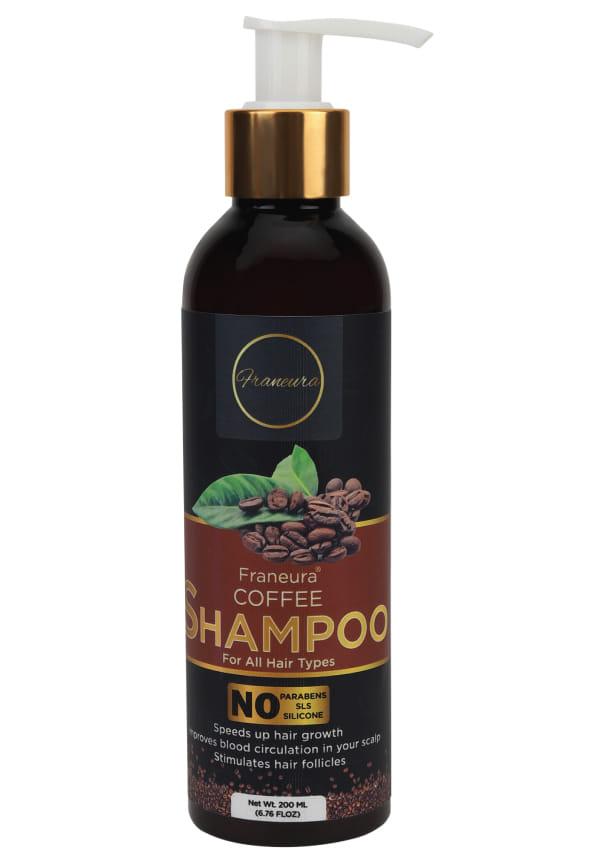
Daily Use Natural Coffee Shampoo - Revitalize and Strengthen Hair
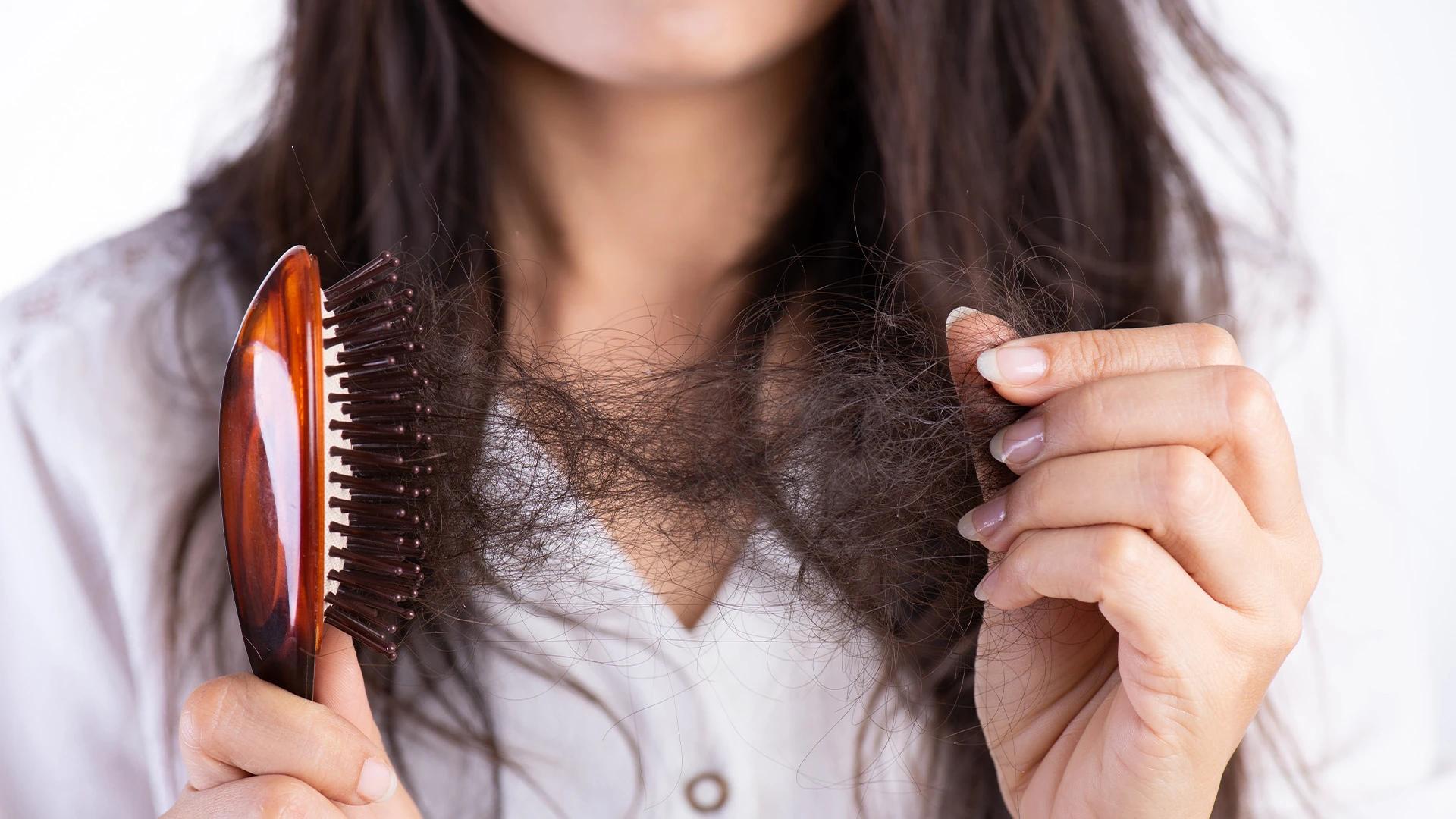
You know that sinking feeling when you run your fingers through your hair and find broken strands everywhere? Whether it's on your pillow, in the shower drain, or clinging to your brush, hair breakage can feel like a never-ending battle. The good news is that with the right approach, you can turn things around and build stronger, healthier hair that actually stays put where it belongs.
Before diving into solutions, let's get real about what's actually happening when your hair breaks. Think of each strand like a rope made of tiny fibres—when those fibres get damaged or weakened, the whole thing becomes vulnerable to snapping under pressure.
Your hair shaft has three layers: the cuticle (outer protective layer), cortex (middle strength layer), and medulla (inner core). When the cuticle gets damaged from heat, chemicals, or rough handling, it exposes the cortex underneath. This makes your hair more prone to split ends and breakage. Unlike hair fall, which happens at the root, breakage occurs anywhere along the hair shaft—and that's actually good news because it means the problem is fixable.
Physical friction tops the list—think tight ponytails, aggressive brushing, and even cotton pillowcases rubbing against your hair all night. Heat styling without protection is another major culprit, essentially cooking your hair's protein structure. Chemical treatments like bleaching or perming weaken the hair's bonds, whilst environmental factors like UV rays and pollution create oxidative stress. Finally, nutritional gaps—especially protein, iron, and vitamins—can leave your hair brittle from the inside out.
Small changes in your daily routine can make a massive difference in preventing hair damage. It's not about overhauling everything overnight—just tweaking a few key habits that your hair will thank you for.
Washing your hair 2-3 times per week is usually the sweet spot for most people. Over-washing strips away natural oils, leaving your hair dry and more prone to breakage. When you do wash, focus the shampoo on your scalp rather than the lengths—the suds will clean the rest as you rinse. Always use lukewarm water instead of hot, which can further dehydrate already fragile strands.
Here's where most people go wrong: never brush wet hair with a regular brush. Wet hair is at its most vulnerable state, so use a wide-tooth comb instead. Start from the ends and work your way up to the roots, gently working through knots rather than yanking through them. If you prefer to detangle dry hair, that works too—just be extra gentle and consider using a detangling spray first.
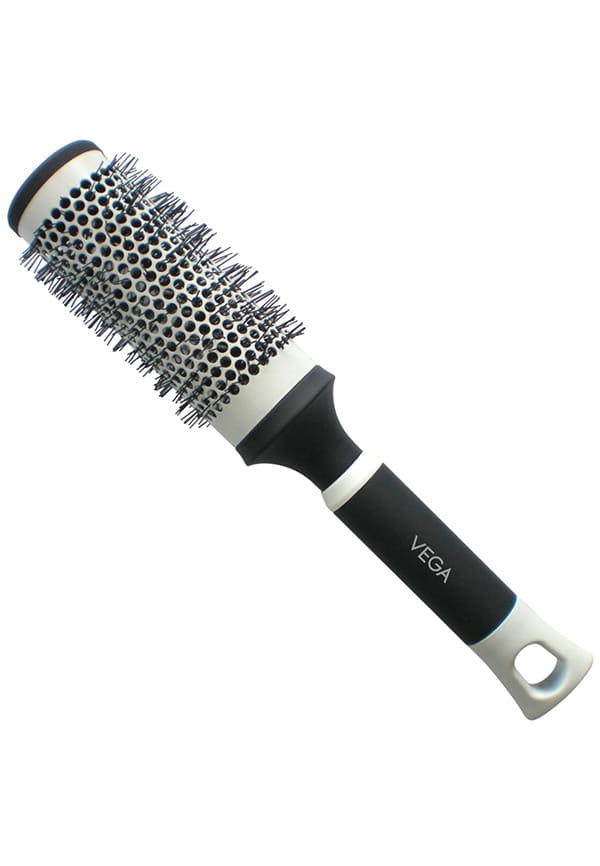
Hot Curl Hair Brushfor Hair Styling, Drying, Healthy Hair and Add Volume Big (H1-PR B)
That aggressive towel-rubbing motion you've been doing? It's creating friction that roughens up your hair cuticles and leads to breakage. Instead, gently squeeze excess water out with your hands first, then wrap your hair in a microfibre towel or even a cotton t-shirt. These materials are much gentler on your hair than regular terry cloth towels.
You don't have to give up heat styling completely, but being smarter about it can save your hair from unnecessary damage. It's all about finding that balance between looking good and keeping your hair healthy.
Never, ever skip the heat protectant—it's like sunscreen for your hair. Apply it to damp hair before blow-drying and again before using any hot tools. Keep your blow dryer on medium heat and hold it at least six inches away from your hair. For styling tools, fine hair should stay below 150°C, whilst thicker hair can handle up to 180°C. Try to limit heat styling to 2-3 times per week maximum.
Tight ponytails and braids might look sleek, but they're putting constant tension on your hair follicles and strands. Opt for looser styles and switch up where you place your hair ties to avoid creating weak spots. Silk or satin scrunchies are much gentler than elastic bands. At night, try a loose braid or silk scarf to protect your hair whilst you sleep.
Think of deep conditioning like a weekly spa day for your hair. It's your chance to really nourish and repair any damage that's accumulated throughout the week.
Not all deep conditioners are created equal. If your hair feels mushy or limp, you might be overdoing the moisture and need a protein treatment instead. Dry, brittle hair usually needs hydrating treatments with ingredients like hyaluronic acid or glycerin. Apply your deep conditioner from mid-length to ends, avoiding the roots to prevent greasiness. Leave it on for 10-20 minutes, then rinse thoroughly with cool water to seal the cuticles.
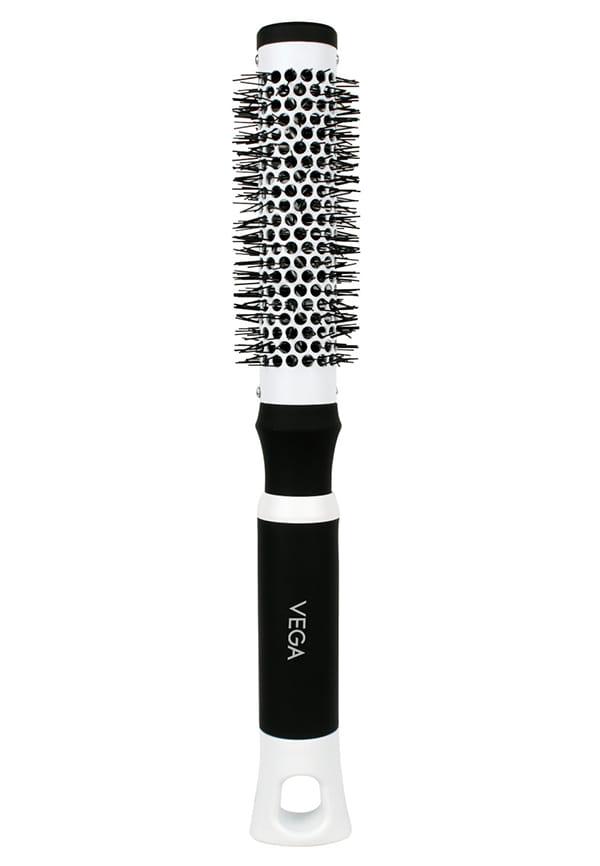
Hot Curl Hair Brushfor Hair Styling, Drying, Healthy Hair and Add Volume, Small (H1-PR S)
Argan oil is brilliant for adding shine and reducing frizz, whilst coconut oil can actually penetrate the hair shaft to strengthen from within. Almond oil is lighter and perfect for fine hair that gets weighed down easily. Apply a few drops to damp hair, focusing on the ends where damage is usually worst. Remember, a little goes a long way—you want to nourish, not grease up your hair.
What you put in your body is just as important as what you put on your hair. Your hair is essentially a reflection of your overall health, so supporting it from the inside out makes a real difference.
Biotin gets all the attention, but vitamin D and vitamin C are equally important for hair health. Vitamin C helps with collagen production, which strengthens hair structure, whilst vitamin D supports the hair growth cycle. Don't forget about protein—your hair is basically made of it, so eating enough lean meats, fish, eggs, or plant-based proteins is crucial. Staying hydrated also keeps your hair from becoming dry and brittle.
Silk or satin pillowcases aren't just luxury items—they actually reduce friction whilst you sleep, preventing tangles and breakage. If you're spending time outdoors, protect your hair from UV damage with a hat or UV-protective hair products. Managing stress through exercise, meditation, or whatever works for you also helps, since chronic stress can disrupt your hair growth cycle.
Sometimes you need to call in the professionals. Knowing when to book that salon appointment can be the difference between manageable damage and having to start over with a dramatic chop.
Here's the thing about split ends—they don't heal themselves, and they actually travel up the hair shaft if left untreated. Getting a trim every 8-12 weeks prevents this upward damage and keeps your hair looking healthy. Even if you're growing your hair out, regular dustings (tiny trims) will actually help you reach your length goals faster by preventing breakage.
If your hair feels like straw, breaks off easily, or has significant chemical damage, it might be time for professional intervention. Salon treatments like Olaplex or keratin treatments can help rebuild damaged bonds in your hair. A good stylist can also assess your hair's condition and create a personalised repair plan.
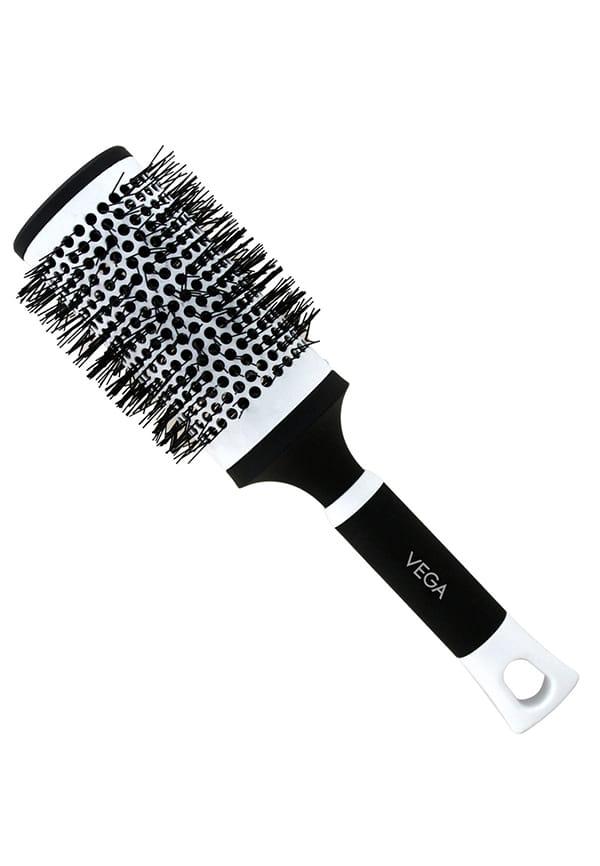
Hot Curl Brushfor Hair Styling, Drying, Healthy Hair and Add Volume, Large (H1-PRL)
Start with gentle handling—use a wide-tooth comb, sleep on silk, and always use heat protectant. Deep condition weekly and trim split ends promptly to prevent further damage from travelling up the hair shaft.
Physical damage from heat styling, tight hairstyles, and rough handling are the top culprits. Chemical treatments and environmental factors like UV exposure also contribute significantly to hair breakage.
Iron deficiency is a major factor, along with insufficient protein, vitamin D, and vitamin C. Biotin deficiency can also contribute, though it's less common than people think.
Since hair grows about half an inch per month, it can take 6-12 months to see significant improvement in hair health. However, you'll notice less breakage and improved texture within a few weeks of consistent care.
Whilst you can't repair existing damage, you can prevent further breakage and improve your hair's overall condition with proper care, nutrition, and gentle handling techniques.
Hair breakage occurs along the hair shaft and leaves short, uneven pieces, whilst hair loss happens at the root and you'll see the white bulb at the end of fallen strands.
Preventing hair breakage isn't about perfection—it's about making consistent, gentle choices that support your hair's health over time. Start with the basics: gentle handling, regular deep conditioning, and protecting your hair from heat and environmental damage. Remember that healthy hair is a marathon, not a sprint, so be patient with the process.
The key is finding what works for your specific hair type and lifestyle. What matters most is consistency and listening to what your hair is telling you. If you're looking to experiment with different hair strengthening products or treatments, Smytten offers trial-size versions of many professional haircare brands—a smart way to test what works for your hair before investing in full-size products.
