How to Prevent Hair Breakage: Expert Care Guide

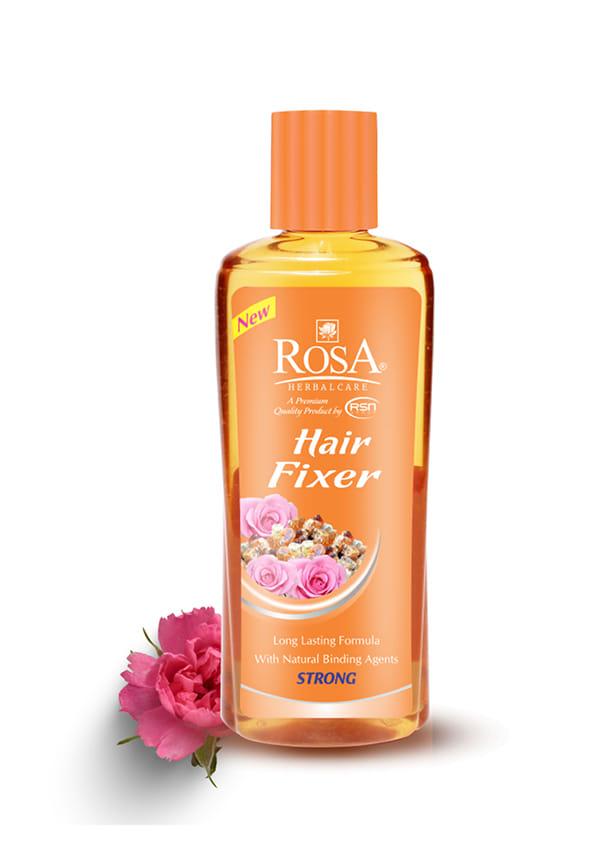 100 ml
Hair Fixer strong with long lasting I For All skin I Natural & Herbal ingredients I For soft and smooth skin
Let's be real—watching your hair snap and break can feel like watching your confidence crumble too. Those tiny broken strands on your pillow, the rough texture when you run your fingers through, the frustrating split ends that seem to multiply overnight. Hair breakage is one of those things that creeps up on you, and before you know it, your once-healthy locks need some serious TLC. But here's the thing: preventing hair breakage isn't rocket science. With the right knowledge and a few tweaks to your routine, you can transform brittle, damaged strands into stronger, healthier hair that actually cooperates with you.
First things first—let's clear up the confusion between hair breakage and hair loss. Hair breakage happens when your hair shaft snaps somewhere along its length, leaving you with shorter, uneven strands. Hair loss, on the other hand, is when hair falls out from the root. Knowing the difference helps you tackle the right problem with the right solution.
Spotting hair breakage early can save you months of frustration. Look out for these telltale signs: short, broken pieces scattered around your hairline, split ends that feel rough to the touch, hair that feels dry and brittle, and strands that snap easily when you stretch them gently. If your hair feels more like straw than silk, it's crying out for help.
The culprits behind hair breakage are surprisingly common. Chemical treatments like bleaching, perming, or frequent colouring strip away your hair's natural protective layer. Heat styling tools—your beloved straighteners, curling irons, and blow dryers—literally cook your hair when used without protection. Mechanical stress from tight ponytails, aggressive brushing, or rough towel-drying creates weak points that eventually snap. Even environmental factors like UV rays, pollution, and harsh weather can gradually weaken your hair structure.
Your hair is basically a complex protein structure with three layers: the outer cuticle (your hair's protective shield), the cortex (where strength and colour live), and the inner medulla. When the cuticle gets damaged, the cortex becomes vulnerable, leading to breakage. Think of it like a rope—once the outer fibres start fraying, the whole thing becomes weak.
Here's where things get interesting. Healthy hair has this amazing ability to stretch and bounce back—that's elasticity. When your hair loses this flexibility, it becomes brittle and prone to snapping. The secret lies in maintaining the perfect protein-moisture balance. Too much protein makes hair stiff and brittle, whilst too little leaves it weak and mushy.
Try this simple elasticity test: take a strand of clean, wet hair and gently stretch it. Healthy hair should stretch about 30% of its length and bounce back. If it snaps immediately, you need more moisture. If it stretches but doesn't bounce back, you need protein treatments.
Building a hair breakage prevention routine doesn't mean overhauling your entire life—it's about making smarter choices that your hair will thank you for. The foundation starts with how you wash your hair. Forget scalding hot water; lukewarm is your friend. Hot water strips away natural oils and opens up the hair cuticle, making it vulnerable to damage.
When shampooing, focus on your scalp rather than the lengths of your hair. Your scalp produces the oils and collects the dirt—the rest of your hair gets clean from the suds running down. Use your fingertips (not nails) to gently massage your scalp in circular motions. This stimulates blood flow and helps distribute natural oils.
Conditioning is non-negotiable for preventing hair breakage. Apply conditioner from mid-length to ends, avoiding the roots to prevent greasiness. Leave it on for at least 2-3 minutes to let the ingredients penetrate. For extra protection, consider leave-in conditioners—they're like a protective shield that stays with your hair all day.
The way you dry your hair can make or break your breakage prevention efforts. Ditch the rough terry cloth towel and switch to a microfibre towel or even a cotton t-shirt. These materials are gentler and reduce friction. Pat and squeeze—don't rub. If you must blow-dry, use the lowest heat setting and always apply a heat protectant first.
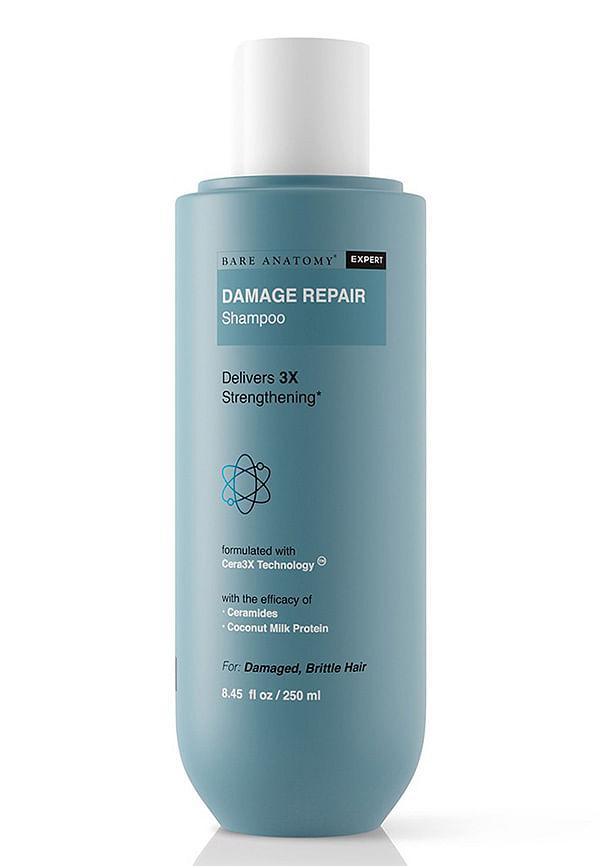 250 ml
Expert Damage Repair Shampoo To Repair And Strengthen Up To 3X
Think of intensive treatments as your hair's spa days. Deep conditioning masks once a week can work wonders for damaged hair repair. Look for masks rich in proteins like keratin or natural ingredients like honey and avocado. Apply generously, focusing on the most damaged areas, and leave on for 10-20 minutes.
Protein treatments deserve special mention—they're brilliant for hair strengthening, but timing is everything. Over-proteined hair becomes stiff and breaks easily, so limit protein treatments to once every 4-6 weeks unless your hair is severely damaged.
Sometimes the best solutions are sitting right in your kitchen. Natural remedies for hair breakage have been around for centuries, and there's a reason they've stood the test of time—they work. Plus, they're gentle, affordable, and free from harsh chemicals that might cause more damage.
Egg masks are protein powerhouses. Beat one or two eggs (depending on your hair length) and apply from roots to tips. The proteins help rebuild damaged hair structure, whilst the fats add moisture. Leave on for 20 minutes, then rinse with cool water to avoid cooking the egg in your hair.
Avocado and honey masks are perfect for dry, brittle hair. Mash half a ripe avocado with two tablespoons of honey. The avocado provides healthy fats and vitamins, whilst honey is a natural humectant that draws moisture into your hair. Apply for 30 minutes before washing out.
Rice water rinses have gained popularity recently, and for good reason. The amino acids and vitamins in rice water can strengthen hair and improve elasticity. Soak half a cup of rice in two cups of water for 30 minutes, strain, and use the water as a final rinse after shampooing.
When it comes to natural oils, coconut oil is the star player. Its molecular structure allows it to penetrate the hair shaft better than most oils, providing deep conditioning from within. Warm a small amount and apply to damp hair, focusing on the ends. Leave overnight or for a few hours before washing out.
Argan oil is brilliant for improving hair elasticity without weighing hair down. Just a few drops on damp hair can make a noticeable difference. Jojoba oil closely mimics your scalp's natural sebum, making it perfect for maintaining moisture balance.
Prevention is always better than cure, and protective styling is your first line of defence against hair breakage. Heat styling doesn't have to be the enemy—it's all about doing it right. Never use heat tools on wet hair (except blow dryers), and always apply a heat protectant product first. Keep temperatures below 180°C for fine hair and 200°C for thick, coarse hair.
The way you brush your hair matters more than you might think. Start detangling from the ends and work your way up to avoid pulling and breaking. Use a wide-tooth comb on wet hair and a natural bristle brush on dry hair. Never brush wet hair aggressively—it's at its most vulnerable when saturated with water.
Your sleeping habits can contribute to hair breakage. Cotton pillowcases create friction that can rough up your hair cuticles overnight. Switch to silk or satin pillowcases, or wrap your hair in a silk scarf. These smooth materials allow your hair to glide rather than catch and pull.
When styling, avoid tight hairstyles that put constant tension on your hair follicles and shaft. Tight ponytails, braids, and buns can cause breakage, especially around the hairline. If you must tie your hair up, use soft hair ties without metal parts and vary the position to avoid creating weak spots.
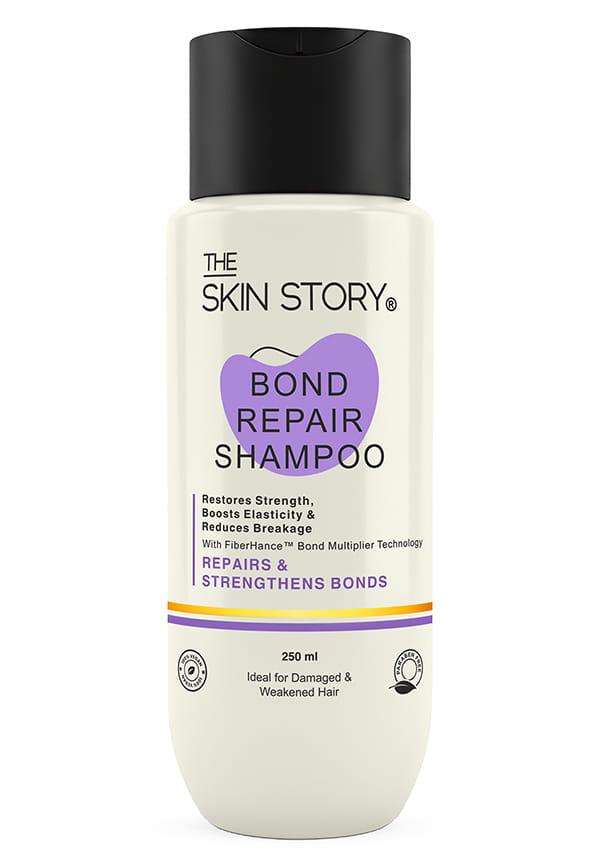 250 ml
Professional Bond Repair Shampoo For Damaged Hair
Your hair faces daily assault from environmental factors. UV rays can be just as damaging to your hair as they are to your skin, breaking down proteins and fading colour. Wear a hat or use hair products with UV protection when spending time outdoors.
Swimming pools and the sea present their own challenges. Chlorine and salt water can strip moisture and cause severe dryness. Wet your hair with fresh water before swimming to minimise absorption of harmful chemicals, and always rinse thoroughly afterwards.
Beautiful hair starts from within, and what you eat directly impacts your hair's strength and resilience. Your hair is essentially made of protein, so adequate protein intake is crucial. Include lean meats, fish, eggs, beans, and nuts in your diet to provide the building blocks your hair needs.
Biotin, part of the B-vitamin complex, is often called the 'hair vitamin' for good reason. It helps produce keratin, the protein that makes up your hair. You'll find biotin in eggs, nuts, seeds, and leafy greens. Vitamin D helps create new hair follicles, whilst vitamin C aids in collagen production and iron absorption—both crucial for strong hair.
Iron deficiency is one of the most common causes of hair problems in women. Low iron levels can lead to weak, brittle hair that breaks easily. Include iron-rich foods like spinach, lentils, and lean red meat in your diet, and pair them with vitamin C-rich foods to boost absorption.
Hydration isn't just about drinking water, though that's important too. Aim for at least 8 glasses a day to keep your hair hydrated from the inside out. Dehydrated hair becomes dry and brittle, making it more prone to breakage.
Stress is a silent hair killer. Chronic stress can push hair follicles into a resting phase, leading to increased shedding and weaker hair growth. Practice stress management techniques like meditation, yoga, or regular exercise to keep both your mind and hair healthy.
Sometimes, despite your best efforts, hair breakage persists or worsens. Knowing when to seek professional help can save you time and prevent further damage. If you're experiencing severe breakage, bald patches, or if your hair doesn't respond to home treatments after 2-3 months, it's time to consult a professional.
Salon treatments like Olaplex have revolutionised hair repair. These bond-building treatments work at a molecular level to reconnect broken disulfide bonds in damaged hair. Professional deep conditioning treatments use high-quality ingredients and sometimes heat or steam to enhance penetration.
A dermatologist can help identify underlying conditions that might be causing hair breakage. Hormonal imbalances, thyroid issues, or scalp conditions like seborrheic dermatitis can all contribute to hair problems that won't resolve with topical treatments alone.
Be realistic about timelines—hair grows about half an inch per month, so significant improvement takes time. Consistency is key, and you should start seeing some improvement within 4-6 weeks of starting a proper hair care routine.
This is where platforms like Smytten become invaluable for your hair care journey. With access to trial packs from trusted haircare brands, you can experiment with different treatments and products without the commitment of full-size purchases. Whether you're looking for protein treatments, deep conditioning masks, or gentle shampoos, trying before you buy helps you find what works for your specific hair needs without wasting money on products that don't suit you.
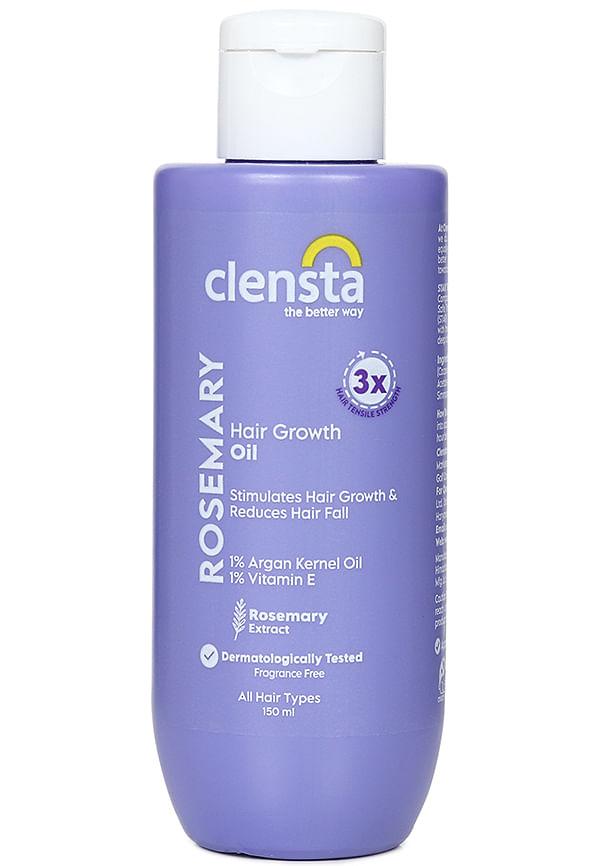 150 ml
Rosemary Hair Growth Oil With Argan Oil & Vitamin E For Reducing Hair Fall, Strengthens Hair & Breakage
Start with gentle handling techniques: use a wide-tooth comb on wet hair, apply leave-in conditioner daily, avoid heat styling, sleep on silk pillowcases, and stop aggressive towel-drying. These changes can reduce breakage within days.
Biotin (vitamin B7) is most effective for preventing hair breakage, along with vitamin D for follicle health and vitamin C for collagen production. A balanced B-complex supplement often provides the best results for overall hair strength.
Excessive heat styling without protection is the primary cause, followed by chemical treatments and mechanical damage from tight hairstyles. These factors weaken the hair shaft and make it prone to snapping.
Yes, hair breakage can be significantly improved with protein treatments, deep conditioning, proper nutrition, and gentle handling. However, severely damaged sections may need trimming, and prevention is always more effective than repair.
Visible improvement typically occurs within 4-6 weeks of consistent care, whilst complete repair can take 3-6 months depending on damage severity. Hair grows slowly, so patience and consistency are essential.
Absolutely. Natural methods include regular oil treatments, protein-rich DIY masks, gentle handling techniques, protective styling, proper nutrition, and adequate hydration. Many people see excellent results with natural approaches alone.
Preventing hair breakage isn't about expensive treatments or complicated routines—it's about understanding your hair's needs and treating it with the care it deserves. From gentle washing techniques to protective styling, from nourishing masks to proper nutrition, every small change adds up to stronger, healthier hair.
Remember, consistency beats perfection every time. You don't need to implement every tip at once. Start with the basics: gentle handling, proper conditioning, and heat protection. As these become habits, gradually add treatments and protective measures that suit your lifestyle and hair type.
The journey to stronger hair is also about finding the right products for your specific needs. Smytten's trial platform makes this exploration affordable and risk-free, letting you discover what works without the commitment of full-size purchases. With trial packs from trusted brands, you can build a personalised routine that actually delivers results. After all, why settle for damaged, breaking hair when you can #TryItAll and find your perfect haircare match?
