How to Perform Hair Porosity Test at Home for Better Hair Health

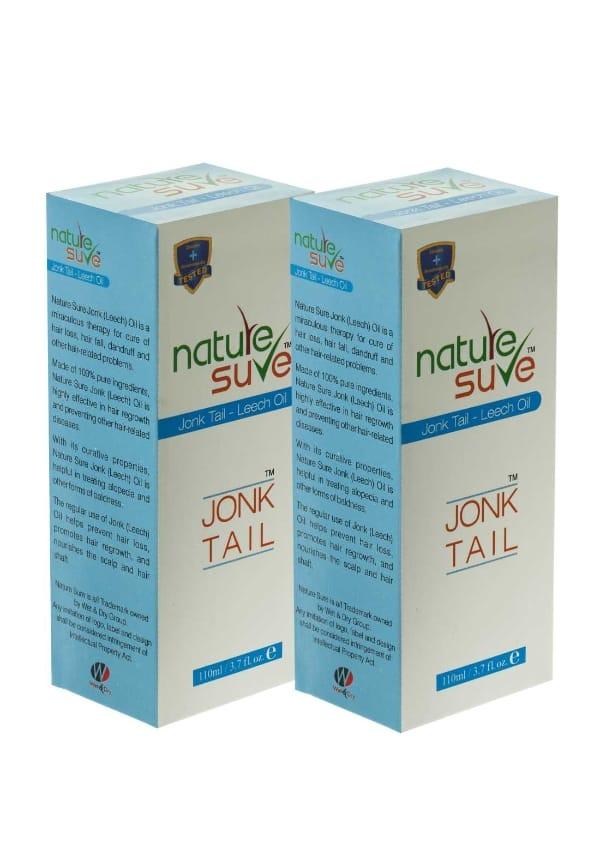 Pack of 2
Jonk Tail (Leech Oil) for Hair Problems in Men & Women
Ever wondered why your hair drinks up some products like a sponge whilst others just sit on top doing absolutely nothing? The answer lies in something called hair porosity—basically how well your hair can absorb and hold onto moisture. Learning to perform hair porosity test at home is like getting a cheat code for your haircare routine. It's dead simple, takes about five minutes, and honestly might just solve half your hair woes. Ready to become your own hair detective?
Think of your hair strand like a roof with tiles—those tiles are your hair cuticles. Hair porosity is basically how tightly or loosely those tiles sit together. When they're snug, moisture has a tough time getting in (and out). When they're raised or damaged, moisture flows in and out way too easily.
Your hair's cuticle layer acts like a protective barrier made of overlapping scales. The way these scales lie determines how porous your hair is. Low porosity hair has cuticles that lie flat and tight, making it harder for moisture to penetrate. High porosity hair has raised or damaged cuticles with gaps that let moisture in easily—but also let it escape just as quickly.
Low porosity hair is like that friend who takes ages to warm up but stays loyal forever. It resists moisture initially but once hydrated, holds onto it well. You might notice products sitting on your hair rather than absorbing, and it takes forever to get wet in the shower.
Medium porosity hair is the Goldilocks of hair types—not too picky, not too needy. It absorbs moisture at a normal rate and holds onto it reasonably well. Most people with healthy, undamaged hair fall into this category.
High porosity hair is like a thirsty sponge that's always asking for more. It soaks up moisture quickly but loses it just as fast. This hair type often feels rough, tangles easily, and might look dull even when you've just moisturised it.
Knowing your hair porosity type is like having a personalised roadmap for your haircare journey. It helps you choose the right products, understand why certain techniques work (or don't), and avoid wasting money on products that aren't suited for your hair type. Plus, it explains so many hair mysteries—like why your mate's holy grail product does nothing for you.
Right, let's get to the fun bit. There are three dead easy ways to test for hair porosity at home, and you probably have everything you need lying around already. Each method gives you slightly different insights, so feel free to try all three for the full picture.
This is probably the most popular porosity test, and for good reason—it's simple and pretty reliable. Here's how to do it properly:
Start with clean hair that's completely free of products. Grab a strand that's naturally shed (don't yank one out—ouch!). Fill a clear glass with room temperature water and gently place your hair strand on the surface. Now comes the waiting game—observe what happens over the next 2-4 minutes.
If your hair floats on top, you've got low porosity hair. If it sinks slowly or hovers in the middle, that's medium porosity. If it sinks straight to the bottom like a stone, you're dealing with high porosity hair.
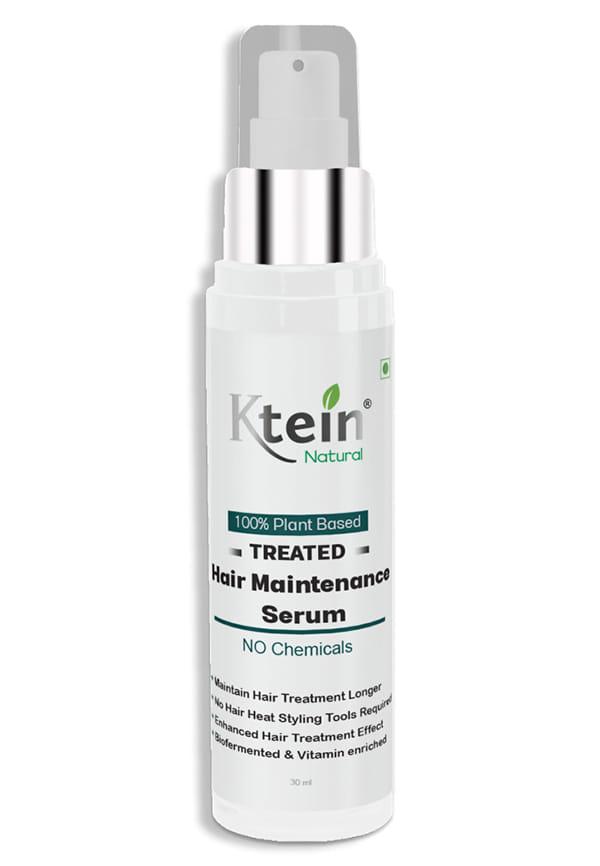 30 ml
30 ml100% Plant Based Treated Hair Maintenance Serum
This one's all about texture and feel. Take a single strand of clean, dry hair and run your fingers from the tip towards the root (backwards, basically). Pay attention to how it feels under your fingertips.
Smooth sailing with minimal bumps? That's low porosity hair with cuticles lying flat. Feel some texture but nothing too dramatic? You're in medium porosity territory. If it feels rough, bumpy, or catches on your fingers, you've got high porosity hair with raised cuticles.
This quick test shows you how fast your hair absorbs moisture. Start with clean, dry hair and section off a small piece. Mist it lightly with water from a spray bottle and watch what happens.
If the water beads up and rolls off, you've got low porosity hair that's resistant to moisture. If it absorbs at a normal pace, that's medium porosity. If your hair drinks it up immediately like it's been wandering in the desert, you're looking at high porosity hair.
Now that you've done your detective work, let's decode what those results actually mean for your daily haircare routine. Each porosity type comes with its own personality quirks and needs.
If your tests pointed to low porosity, your hair is basically the introvert of the hair world. It takes time to let moisture in, but once it does, it's pretty good at keeping it. You might struggle with product buildup because things just sit on top rather than absorbing. Heat is your friend here—it helps open those stubborn cuticles to let moisture in.
High porosity hair is the opposite—it's super social and lets everything in, but struggles to keep moisture around. You might notice your hair feels dry soon after washing, tangles easily, and looks a bit lacklustre. This hair type loves protein treatments and heavier products that can fill in those gaps and seal in moisture.
Lucky you if you landed here! Medium porosity hair is pretty low-maintenance and responds well to most products and techniques. It absorbs moisture at a reasonable rate and holds onto it without too much drama. You've got the most flexibility in your haircare routine.
Here's where the magic happens—tailoring your routine to work with your hair's natural tendencies rather than against them. It's like finally speaking your hair's language.
Your hair needs a bit of coaxing to accept moisture, so lightweight products and heat are your best mates. Try clarifying shampoos to remove buildup, followed by lightweight oils like jojoba or argan. Use warm water when washing and consider pre-poo treatments with gentle heat to help products penetrate better.
Avoid heavy creams and butters that'll just sit on top looking greasy. Instead, go for water-based products and don't be afraid to use a bit of heat when deep conditioning.
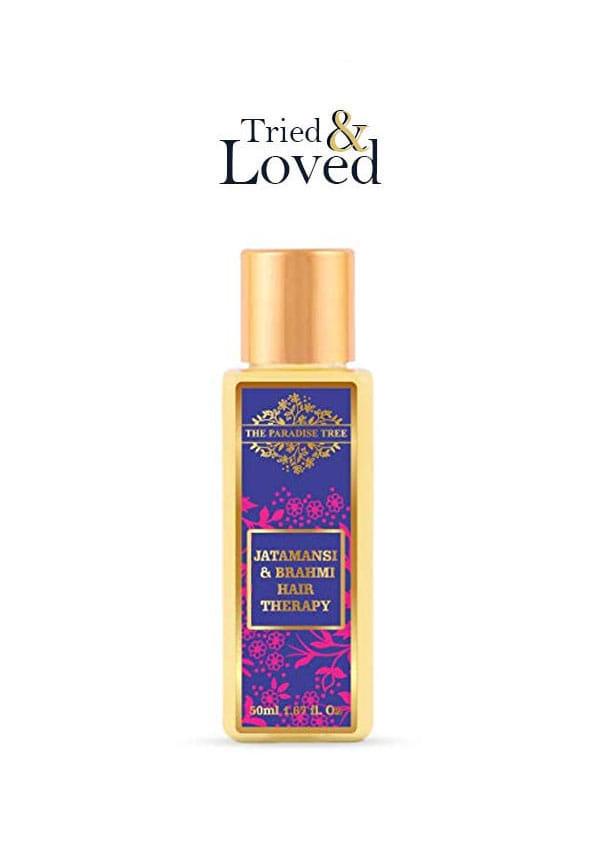 50 ml
50 mlJatamansi And Brahmi Hair Therapy
Your hair is thirsty and needs all the help it can get to retain moisture. Protein treatments are crucial for filling in those gaps in your cuticles. Look for leave-in conditioners, heavier oils like castor or olive oil, and products with humectants that draw moisture from the air.
The LOC method (liquid, oil, cream) works brilliantly for sealing in moisture. Cool water rinses help close the cuticles, and protective styling can prevent further damage.
You've got the easiest job here—just maintain what you're doing! Your hair responds well to most products, so you can experiment freely. Regular deep conditioning treatments and a balanced approach to protein and moisture will keep your hair happy.
Even though these tests are pretty straightforward, there are a few ways things can go wonky. Let's make sure you get accurate results the first time around.
The biggest mistake is testing dirty hair or hair with product buildup. Those residues can totally skew your results, making low porosity hair seem high porosity or vice versa. Always start with freshly washed, product-free hair.
Water temperature matters too—super hot or cold water can affect how your hair behaves. Stick to room temperature for the most accurate results.
Here's the thing—damaged hair often behaves like high porosity hair even if it's naturally low porosity. Chemical processing, heat damage, and environmental factors can all affect your results. If you've recently coloured, relaxed, or heat-styled your hair heavily, your results might not reflect your hair's natural porosity.
For the most reliable results, test multiple strands from different areas of your head. Hair porosity can vary along the length of your hair and between different sections. The hair near your roots is usually your most natural, undamaged hair, so that's your best bet for accurate results.
Wondering if your DIY tests are actually reliable? Here's the honest truth about home testing versus professional analysis.
For most people, home tests give you enough information to make smart haircare decisions. They're free, convenient, and surprisingly accurate when done properly. If you're just looking to understand your hair better and choose the right products, DIY testing is absolutely fine.
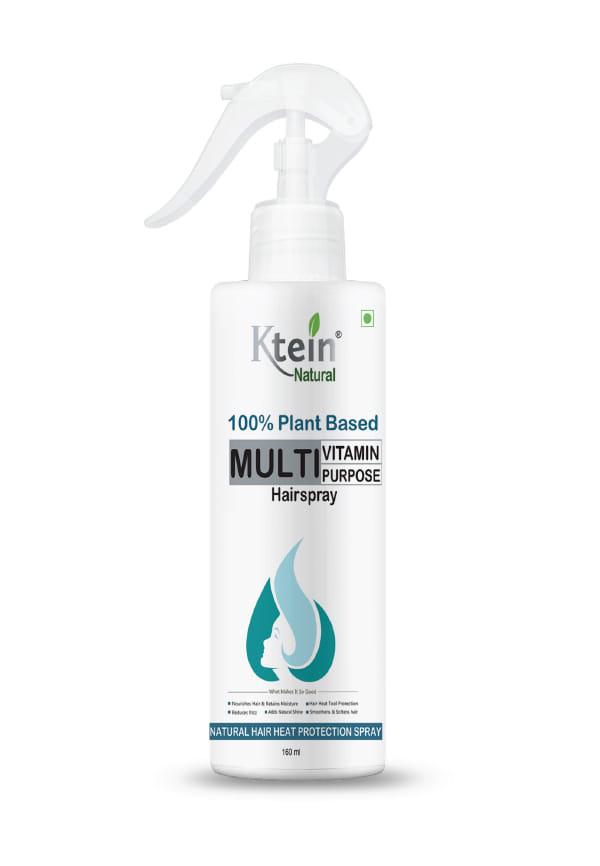 160 ml
100% Natural Plant Based Multi Vitamin Purpose Hairspray
If you've got complex hair concerns, severe damage, or your DIY tests are giving you confusing results, a professional analysis might be worth it. Trichologists and some salons offer detailed hair analysis that can give you more precise information about your hair's condition and needs.
The smartest approach? Use DIY tests as your starting point, then fine-tune based on how your hair responds to different products and techniques. Your hair will tell you what it needs—you just need to listen.
When you're ready to experiment with products suited to your porosity type, platforms like Smytten make it easy to try before you commit. With curated trial packs from over 1,500 trusted brands, you can test different haircare products without the risk of buying full-size products that might not work for your hair type.
Each test takes about 2-5 minutes to perform, but you'll want to observe results for up to 10 minutes for the float test. The whole process, including prep time, shouldn't take more than 15 minutes.
Absolutely! Chemical processing, heat styling, environmental damage, and even ageing can affect your hair's porosity. It's worth retesting every few months, especially if you've made significant changes to your haircare routine or lifestyle.
This is actually pretty common! Your hair might be low porosity at the roots but high porosity at the ends due to damage. In this case, treat different sections according to their specific needs—lighter products near the roots, more intensive treatments for the ends.
Test when you first start paying attention to your hair's needs, then retest every 3-6 months or whenever you notice significant changes in how your hair behaves. Major chemical treatments or damage warrant immediate retesting.
These tests are completely safe when done properly. Just make sure you're using clean hair and clean water for the float test, and be gentle during the strand test to avoid unnecessary breakage.
Learning to perform hair porosity test at home is honestly one of the best things you can do for your hair health. It takes the guesswork out of choosing products and helps you understand why certain techniques work better than others. Whether you discover you have low, medium, or high porosity hair, you're now armed with the knowledge to give your hair exactly what it needs.
Remember, there's no "best" porosity type—each comes with its own advantages and challenges. The key is working with your hair's natural tendencies rather than fighting against them. And when you're ready to explore products tailored to your newly discovered porosity type, Smytten's trial packs let you experiment without the commitment. With over 25 million users discovering their perfect products through trial minis, you can confidently explore what works best for your unique hair needs. After all, why settle for 'maybe' when you can Try It All?
