How to Moisturize Scalp for Dry Scalp Treatment
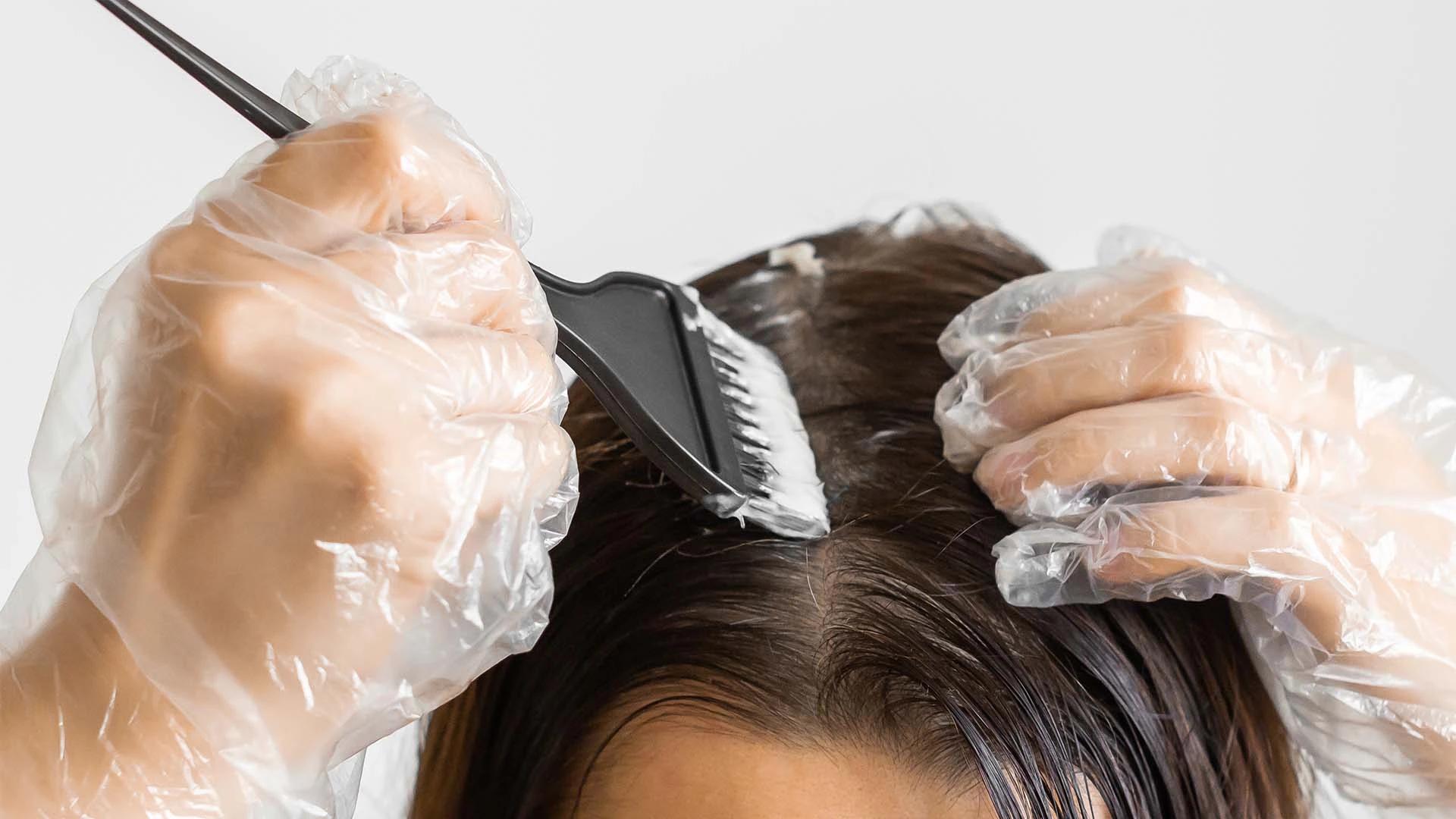

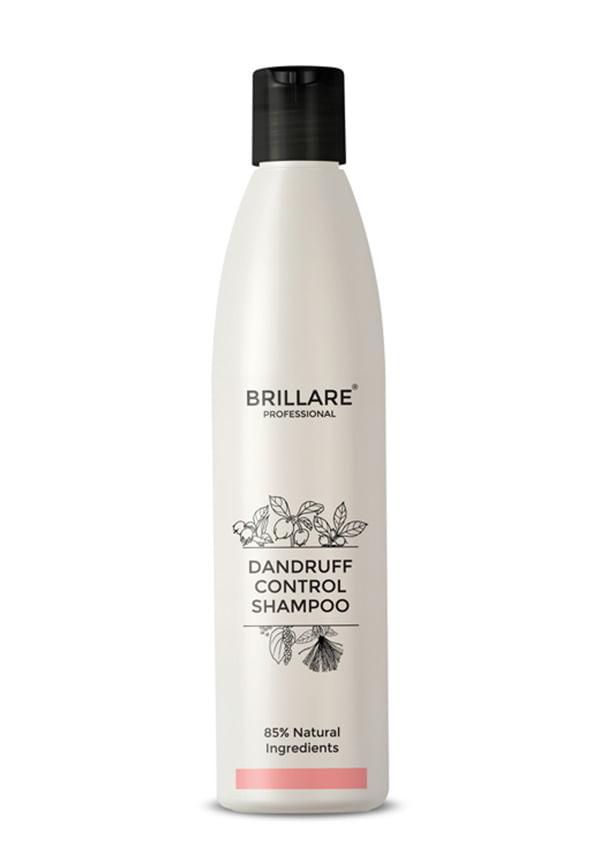
Dandruff Control Shampoo For Itchy, Flaky Scalp
That tight, itchy feeling when your scalp feels like it's crying out for moisture? We've all been there. Maybe it's the aftermath of too many hot showers, or perhaps winter weather has left your scalp feeling like sandpaper. Whatever the cause, a dry scalp can turn even the best hair day into a nightmare of flakes and irritation. The good news? Learning how to moisturise scalp properly isn't rocket science — it's about understanding what your scalp actually needs and giving it the right kind of TLC.
Before diving into solutions, let's get real about what's actually happening up there. Dry scalp isn't just about a bit of flaking — it's your skin's way of telling you the moisture barrier has taken a hit. Think of your scalp like the skin on your face; it needs hydration to stay healthy and comfortable.
Several culprits could be behind your scalp drama. Environmental factors top the list — harsh weather, low humidity, and excessive heat styling can strip away natural oils faster than your scalp can replace them. Over-washing is another major player, especially if you're using shampoos with harsh sulphates that leave your scalp feeling squeaky clean but bone dry.
Itchy scalp relief becomes a priority when you notice these telltale signs: persistent itching that gets worse throughout the day, small white flakes that aren't quite dandruff, and that uncomfortable tight feeling after washing your hair. Your scalp might also feel sensitive to touch or react badly to products that never bothered it before.
Here's where things get interesting — dry scalp and dandruff aren't the same thing, though they're often confused. Dry scalp flakes are typically smaller, whiter, and less oily than dandruff flakes. Dandruff usually comes with larger, yellowish flakes and is caused by an overgrowth of yeast, whilst dry scalp is simply about lack of moisture. Getting this right matters because the treatments are completely different.
When it comes to scalp hydration, nature has provided some pretty brilliant solutions. Natural scalp moisturisers can be incredibly effective, especially when you know which ones to reach for and how to use them properly.
Jojoba oil deserves a special mention because it's technically not an oil — it's a wax ester that closely mimics your scalp's natural sebum. This means it absorbs beautifully without leaving that greasy residue that makes you look like you haven't washed your hair in weeks. Coconut oil brings serious moisture to the party, plus antimicrobial benefits that can help keep your scalp healthy.
Your kitchen probably holds some excellent scalp treatments. Aloe vera gel offers instant cooling relief and deep hydration — just make sure you're using pure gel, not the bright green stuff loaded with alcohol. Apple cider vinegar, when diluted properly (think one part vinegar to three parts water), can help restore your scalp's natural pH whilst adding moisture.
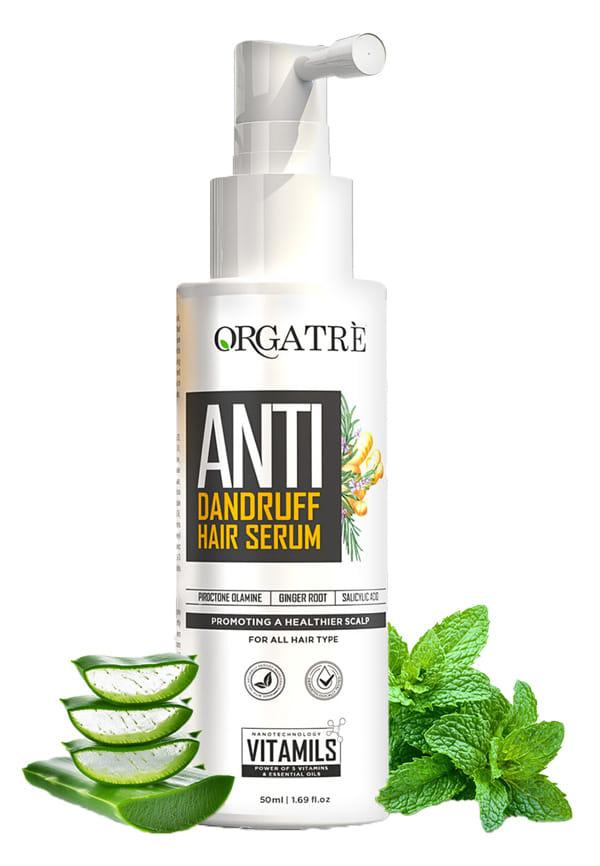
Anti Dandruff Hair Serum | Treatment for Dandruff, Flaky & Dry Scalp
The key to successful scalp oiling lies in the application technique. Less is definitely more — start with just a few drops warmed between your palms, then gently massage into your scalp using your fingertips. Focus on the areas that feel driest, and remember that you can always add more if needed.
Whilst natural remedies work brilliantly, sometimes you need the targeted approach that comes with professionally formulated scalp moisturising products. The beauty industry has finally caught on to the fact that scalp care deserves the same attention as skincare.
Look for products containing humectants like glycerin and hyaluronic acid — these ingredients draw moisture from the environment and lock it into your scalp. Ceramides are another game-changer, helping to repair and strengthen your scalp's natural moisture barrier. Niacinamide brings anti-inflammatory benefits that can calm irritation whilst boosting hydration.
Moisturising shampoos designed specifically for dry scalp can be a good starting point, but don't expect miracles from cleansing products alone. Leave-in scalp treatments and serums are where the real magic happens — these stay on your scalp between washes, providing continuous hydration and care.
Scalp masks deserve a spot in your weekly routine, especially during harsh weather months. Think of them as intensive treatments that give your scalp a proper moisture boost. Some come in overnight formulations that work whilst you sleep, making them perfect for busy schedules.
Creating an effective scalp care routine doesn't mean adding hours to your day — it's about being consistent with the right steps. Start simple and build up as you learn what your scalp responds to best.
Daily care can be as simple as a few drops of lightweight oil massaged into your scalp before bed, or a quick spritz of a hydrating scalp mist in the morning. The key is choosing products that won't interfere with your hair styling routine or leave visible residue.
Once or twice a week, treat your scalp to something more intensive. This might be a proper oil treatment left on for 30 minutes before washing, or a hydrating scalp mask applied to clean, damp hair. These sessions are perfect for addressing any build-up of dryness or irritation.
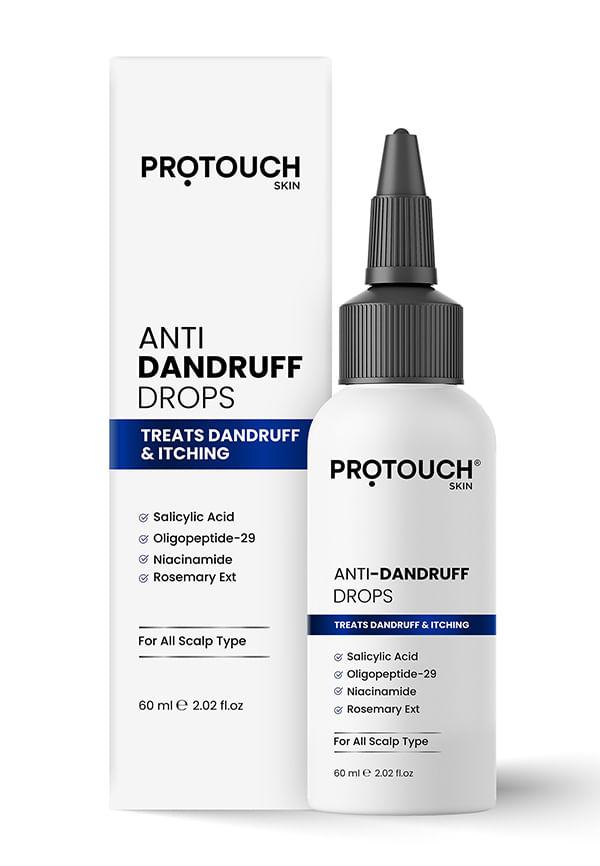
SKIN Anti Dandruff Drops Serum Soothes Itchy, Inflamed Scalp
Proper scalp massage techniques can dramatically improve how well your moisturising products work. Use your fingertips (never your nails) to apply gentle, circular pressure across your entire scalp. This boosts blood circulation, helping nutrients reach your hair follicles whilst ensuring your moisturising products penetrate properly.
Start at your hairline and work backwards, spending extra time on areas that feel particularly tight or dry. A good scalp massage should feel relaxing, not painful — you're encouraging circulation, not trying to scrub away the dryness.
Beyond products and treatments, your lifestyle choices play a huge role in maintaining scalp hydration. Simple changes can make a massive difference to how your scalp feels and looks.
Water temperature matters more than you might think. Those scorching hot showers that feel amazing in winter are actually stripping moisture from your scalp faster than you can replace it. Lukewarm water is your friend — it's warm enough to feel comfortable but won't leave your scalp parched.
Your scalp needs protection from environmental stressors just like the rest of your skin. In sunny weather, consider wearing a hat or using products with SPF. During winter months, a humidifier in your bedroom can help maintain moisture levels whilst you sleep.
Heat styling tools are often the hidden culprit behind scalp dryness. If you can't give them up entirely, at least use heat protectant products and keep the temperature as low as possible whilst still achieving your desired style.
What you eat directly impacts your scalp's ability to maintain moisture. Omega-3 fatty acids from fish, nuts, and seeds help support your skin's natural oil production. Staying properly hydrated — aim for at least eight glasses of water daily — helps maintain moisture levels from the inside out.
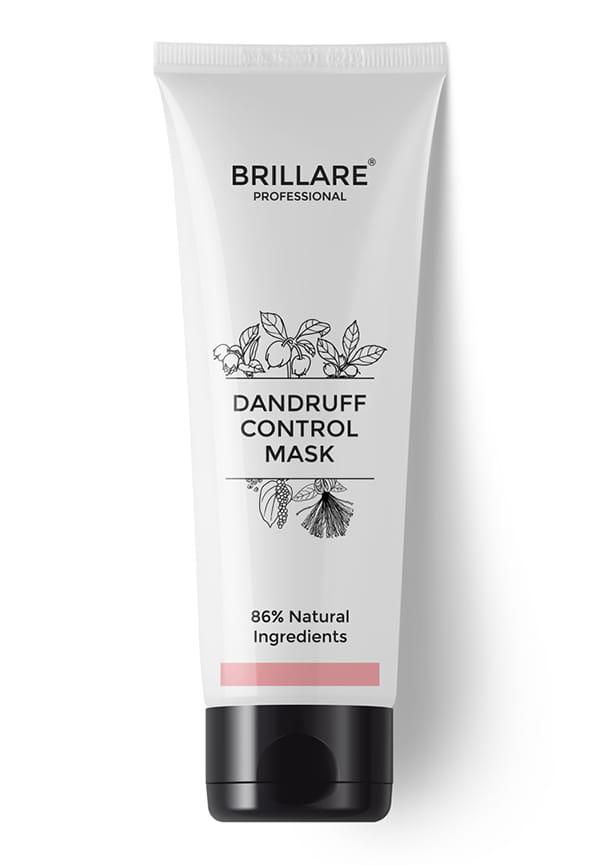
Conditioner For Itchy, Flaky Scalp
This depends on your scalp's condition and hair type. For very dry scalp, daily light moisturising with a few drops of oil or a hydrating mist works well. If your scalp is only mildly dry, every other day or 2-3 times per week might be sufficient. Pay attention to how your scalp feels and adjust accordingly.
Absolutely! The trick is using the right amount and choosing appropriate products. Lightweight oils like jojoba absorb quickly, whilst water-based scalp serums provide hydration without any oily residue. Apply products mainly to your scalp, not your hair lengths, and start with small amounts.
Scalp moisturisers are specifically formulated to address the skin on your head, focusing on hydration and soothing irritation. Hair conditioners are designed for your hair strands, providing smoothness and manageability. Your scalp needs different ingredients than your hair does.
You might notice immediate relief from itching and tightness after your first proper moisturising session. However, significant improvement in overall scalp health typically takes 2-4 weeks of consistent care. Be patient and stick with your routine — your scalp will thank you.
If your dry scalp doesn't improve after 4-6 weeks of consistent moisturising, or if you experience severe itching, bleeding, or signs of infection, it's worth consulting a dermatologist. Sometimes what appears to be simple dryness might be a condition that needs professional treatment.
Learning how to moisturise scalp properly is one of those game-changing skills that makes such a difference to your daily comfort. Whether you prefer natural oils, professional treatments, or a combination of both, the key is consistency and paying attention to what your scalp actually needs.
Remember, healthy scalp care isn't about perfection — it's about finding what works for your lifestyle and sticking with it. Your scalp's needs might change with the seasons, stress levels, or life circumstances, and that's completely normal. Stay flexible and adjust your routine as needed.
If you're curious about trying different scalp care products without committing to full sizes, Smytten offers trial-size versions of many scalp treatments and moisturising products. It's a smart way to test what works for your specific scalp needs before investing in larger bottles — because finding your perfect scalp care routine shouldn't involve guesswork or buyer's remorse.
