How to Manage Oily Hair: Expert Shampoo Guide


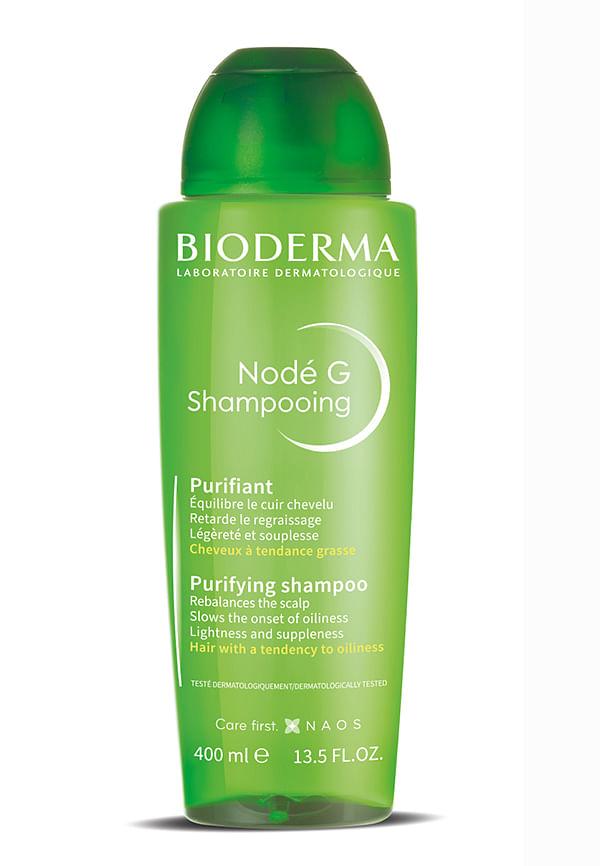 400 ml
Node G Purifying Shampoo For Hair With Tendency To Oiliness
Let's be real—dealing with oily hair can feel like a never-ending battle. One day your hair looks fresh and bouncy, the next it's flat and greasy by lunchtime. If you've been searching for the best products oily hair actually responds to, you're in the right place. Managing oily hair isn't just about finding any shampoo; it's about understanding what your scalp needs and choosing products that work with your hair type, not against it. From clarifying shampoos to lightweight conditioners, we'll walk through everything you need to know to keep your hair looking fresh longer.
Oily hair happens when your scalp produces too much sebum—that natural oil your skin makes to keep things moisturised. While sebum is actually good for your hair and scalp health, too much of it can leave your hair looking limp and greasy. Your sebaceous glands might go into overdrive for several reasons, and understanding these can help you choose the right oily hair treatment approach. Hormones play a massive role here. During puberty, pregnancy, or even certain times in your menstrual cycle, hormone fluctuations can trigger your scalp to produce more oil. Genetics also matter—if your parents dealt with oily hair, chances are you might too. Environmental factors like humidity, pollution, and even stress can make things worse.
Here's where many people get it wrong: they think washing oily hair daily will strip away all the oil and solve the problem. Actually, over-washing can backfire. When you constantly strip your scalp of its natural oils, it might respond by producing even more oil to compensate. The key is finding that sweet spot—usually washing every other day or every two days works best for most people with oily hair.
Your scalp might be oily whilst your mid-lengths and ends are actually quite dry. This is super common and means you need different approaches for different parts of your hair. Focus scalp care for oily hair on the roots, whilst treating the lengths with more moisture.
When you're hunting for the best shampoo for oily hair, ingredients matter more than fancy packaging or celebrity endorsements. Look for formulas that can deep-cleanse without completely stripping your scalp. The right oily hair shampoo should remove excess oil and buildup whilst maintaining your scalp's natural balance. Salicylic acid is your friend here—it gently exfoliates the scalp and helps unclog hair follicles. Tea tree oil has natural antimicrobial properties that can help with any scalp issues that come with excess oil. Charcoal is another powerhouse ingredient that acts like a magnet for oil and impurities.
Sulfates are those ingredients that make shampoos foam up nicely, but they can be quite harsh. For oily hair, a gentle sulfate might actually help remove excess oil effectively. However, if you have colour-treated hair or a sensitive scalp, sulfate-free options with alternative cleansing agents might work better.
Your scalp's natural pH is slightly acidic, around 4.5-5.5. Using a shampoo for oily scalp that matches this pH helps maintain your scalp's protective barrier whilst still cleansing effectively. Look for products that specifically mention being pH-balanced.
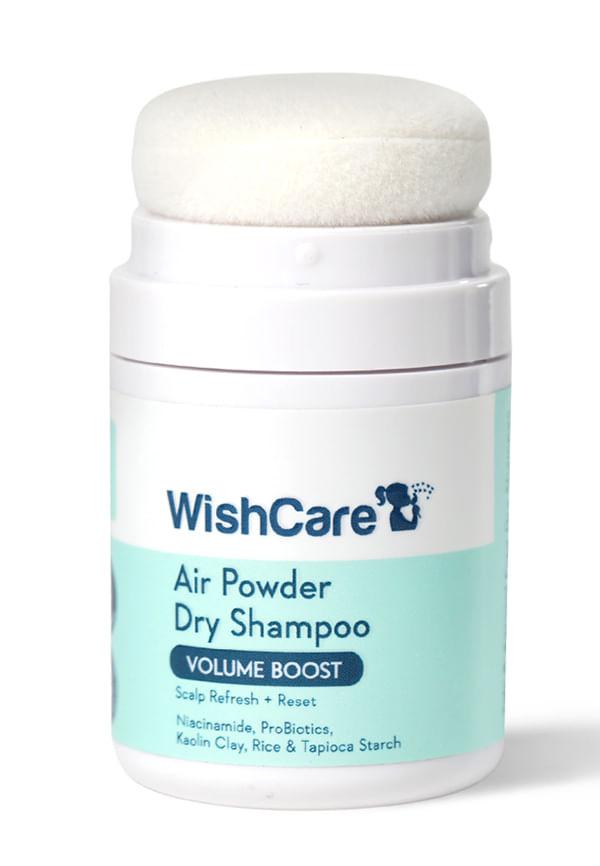 10 gm
10 gmAir Powder Dry Shampoo for Oily Hair & Scalp
Finding the right hair products for oily hair means looking beyond just shampoo. You need a complete routine that addresses oil control, volume, and scalp health. Let's break down each category so you know exactly what to look for. Clarifying shampoos are your heavy-duty cleaners. Use these once or twice a week to remove product buildup and excess oil. They're stronger than your regular shampoo, so don't use them daily—they can be too harsh for everyday use.
Yes, you still need conditioner even with oily hair! The trick is choosing an oily hair conditioner that's lightweight and won't weigh your hair down. Look for formulas labelled as "weightless" or "oil-free." Apply conditioner only to your mid-lengths and ends, avoiding the scalp area completely.
Dry shampoo is a game-changer for oily hair. It absorbs excess oil at the roots and can give you an extra day or two between washes. Apply it to clean, dry hair before bed so it has time to absorb oil overnight, then brush it out in the morning.
Weekly scalp treatments can help regulate oil production over time. Clay-based masks are particularly good for oily scalps—they draw out impurities and absorb excess oil without being too harsh.
If you prefer natural approaches, there are plenty of natural shampoo for oily hair options and oily hair remedies you can try. Apple cider vinegar is brilliant for balancing your scalp's pH and removing buildup. Mix one part ACV with three parts water and use it as a final rinse after shampooing. Clay-based treatments work wonders for oily scalps. Bentonite clay or French green clay mixed with water creates a purifying mask that draws out excess oil and impurities. Use this once a week for best results.
Tea tree oil has antimicrobial properties that can help with oily scalp issues. Add a few drops to your regular shampoo, but don't use it undiluted—it's quite strong. Peppermint oil can also help regulate oil production whilst giving your scalp a refreshing tingle.
Nettle, rosemary, and lemon are traditional remedies for oily hair. You can make herbal rinses by steeping these ingredients in hot water, letting them cool, and using them as a final rinse after shampooing.
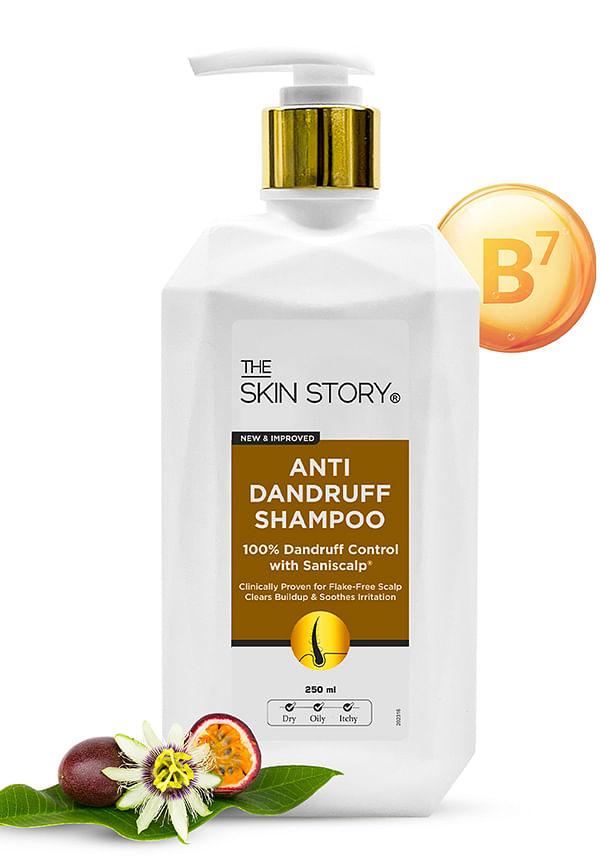 250 ml
Anti Dandruff Shampoo For Oily Dry Itchy Scalp With Saniscalp
Knowing how to manage oily hair goes beyond just choosing the right products—it's about developing habits that work with your hair type. Your washing frequency should be based on how quickly your hair gets oily, not what someone else does. Most people with oily hair do well washing every other day or every two days. When you shampoo, focus on your scalp, not your hair lengths. Massage the shampoo into your scalp with your fingertips (not nails) to remove oil and buildup. Let the suds run down your hair lengths as you rinse—this is usually enough to clean the rest of your hair.
Hot water might feel lovely, but it can stimulate your oil glands to produce more sebum. Stick to lukewarm water for washing and finish with a cool rinse to help seal your hair cuticles and add shine.
How you dry your hair can affect how quickly it gets oily. Use a heat protectant and blow-dry your hair away from your scalp to create volume at the roots. This helps prevent your hair from lying flat against your scalp, where it can pick up oil more quickly.
Avoid touching your hair throughout the day—the oils from your hands can transfer to your hair. Use lightweight styling products and apply them sparingly, focusing on mid-lengths and ends rather than roots.
When you're looking for the best products oily hair actually loves, you don't always need to break the bank. Professional salon products often have higher concentrations of active ingredients and more sophisticated formulations, but plenty of drugstore options work brilliantly too. Professional products typically undergo more rigorous testing and often have better ingredient quality. They might also be more concentrated, meaning you use less product per wash. However, this doesn't mean drugstore products can't be effective—many contain the same key ingredients at slightly lower concentrations.
Consider spending more on products if you have specific scalp concerns beyond just oiliness, like sensitivity or dandruff. Professional scalp care for oily hair products often address multiple issues simultaneously.
Look for drugstore brands that focus on specific hair concerns rather than trying to be everything to everyone. Often, these targeted formulas work just as well as their expensive counterparts. This is where platforms like Smytten become incredibly useful. Instead of committing to full-size products that might not work for your hair type, you can try mini versions first. With over 1,500 trusted brands available, you can experiment with different formulations—from clarifying shampoos to lightweight conditioners—without the financial risk. Getting up to 8 minis for just ₹249 means you can test multiple products to find what works best for your oily hair concerns.
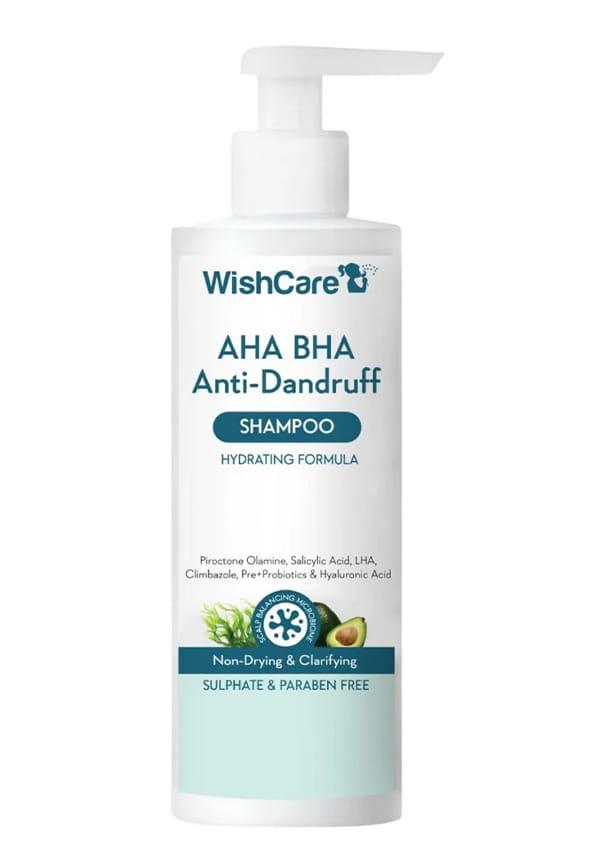 250 ml
Hydrating AHA BHA Anti Dandruff Shampoo
The best products for oily hair include clarifying shampoos with ingredients like salicylic acid or tea tree oil, lightweight conditioners applied only to mid-lengths and ends, dry shampoos for between washes, and weekly scalp treatments with clay or charcoal.
Clarifying shampoos are typically the most important product for oily hair management. Look for formulas that deep-cleanse without over-stripping, containing ingredients like tea tree oil, charcoal, or gentle sulfates.
Use dry shampoo at the roots, avoid touching your hair throughout the day, wash with lukewarm water instead of hot, and focus shampoo application on your scalp rather than hair lengths. Proper blow-drying technique also helps create volume and prevent oil transfer.
Most people with oily hair benefit from washing every other day or every two days. Daily washing can actually stimulate more oil production, whilst washing too infrequently allows buildup to occur.
Yes, over-washing can strip your scalp of natural oils, causing it to produce even more oil to compensate. This creates a cycle where your hair becomes oilier faster after each wash.
Clay-based masks work well for oily scalps as they absorb excess oil without adding weight. For thin hair, use masks sparingly and focus on the scalp area rather than the hair lengths.
Managing oily hair doesn't have to be complicated, but it does require the right approach and products. The key is understanding that your scalp needs gentle but effective cleansing, whilst your hair lengths might need different care altogether. Finding the best products oily hair responds to often involves some trial and error, which is why trying products before committing to full sizes makes so much sense. Remember that consistency matters more than perfection. Stick with a routine that works for your lifestyle and hair type, and don't be afraid to adjust as your needs change. Whether you choose professional salon products or effective drugstore finds, the most important thing is that they work for your specific hair concerns. With Smytten's trial platform, you can explore different brands and formulations without the guesswork. From clarifying shampoos to scalp treatments, you can discover what truly works for your oily hair before making any major commitments. After all, why settle for maybe when you can try it all and find your perfect haircare routine?
