How to Make the Best Homemade Hair Mask Now

 75 gm
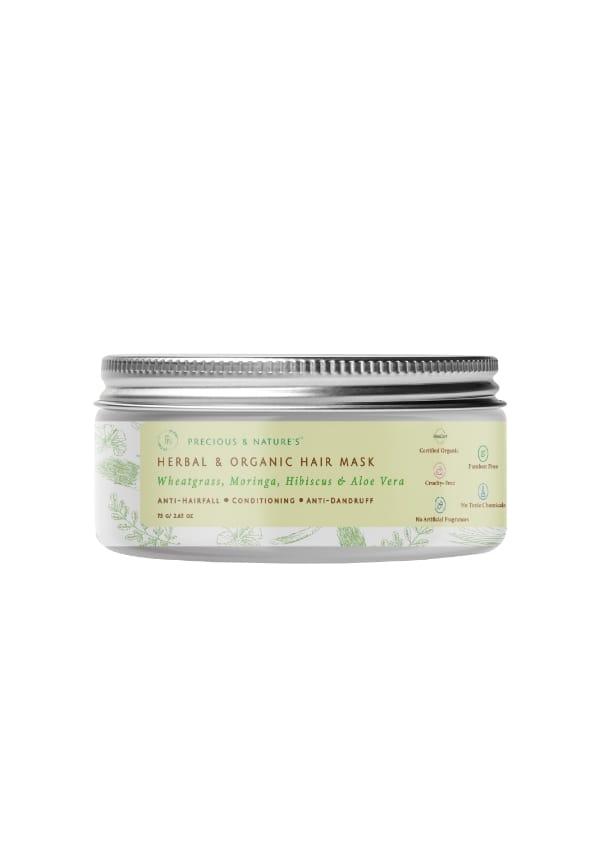
75 gmOrganic and Herbal Hair mask
Your hair's been through a lot lately, hasn't it? Between heat styling, pollution, and those harsh chemical treatments, it's probably crying out for some serious TLC. Here's the thing though—you don't need to splurge on expensive salon treatments or fancy store-bought masks that cost a fortune. The best homemade hair mask might just be sitting in your kitchen right now, waiting to transform your locks from dull and damaged to absolutely gorgeous. Real talk, some of the most effective hair treatments come from simple, natural ingredients that have been used for centuries. Whether you're dealing with dryness, damage, or just want to give your hair some extra love, creating your own DIY hair mask is easier than you think and way more budget-friendly than those salon visits.
Let's be honest—commercial hair masks can cost anywhere from ₹500 to ₹2,000, and half the time you can't even pronounce the ingredients on the back. Meanwhile, a natural hair mask made at home costs less than ₹50 and uses ingredients you actually recognise. Plus, you know exactly what's going on your hair.
Store-bought masks are loaded with sulfates, parabens, and synthetic fragrances that can actually strip your hair of its natural oils over time. Your homemade hair treatment works differently—it nourishes without the nasty chemicals. The best part? You can customise every single ingredient based on what your hair actually needs right now.
Think about it this way: would you rather trust a mask made in a factory months ago, or one you've just whipped up fresh with ingredients you handpicked? The choice seems pretty obvious when you put it like that. Natural ingredients like coconut oil, honey, and avocado have been proven to penetrate the hair shaft and provide deep nourishment that synthetic ingredients simply can't match.
Building the perfect hair mask recipes collection starts with understanding which ingredients do what. Think of these as your hair's best friends—each one brings something special to the table.
Avocado is basically nature's deep conditioner. It's packed with healthy fats and vitamins that penetrate deep into your hair shaft. Coconut oil is another game-changer—it actually reduces protein loss in your hair, which means stronger, shinier locks. Honey is a natural humectant, so it draws moisture from the air and locks it into your hair. Olive oil smooths the hair cuticle and adds serious shine.
Eggs are loaded with protein and biotin, perfect for repairing damaged hair. Greek yogurt contains lactic acid that gently exfoliates your scalp whilst providing protein. These ingredients are your go-to when your hair feels weak or brittle.
Rosemary oil stimulates blood circulation to your scalp, promoting healthy hair growth. Castor oil is thick and nourishing, perfect for strengthening hair follicles. Apple cider vinegar balances your scalp's pH and removes product buildup that might be blocking growth.
Now for the fun part—let's get mixing! These recipes are tried and tested, and honestly, they work better than most expensive treatments you'll find in stores.
 40 gm
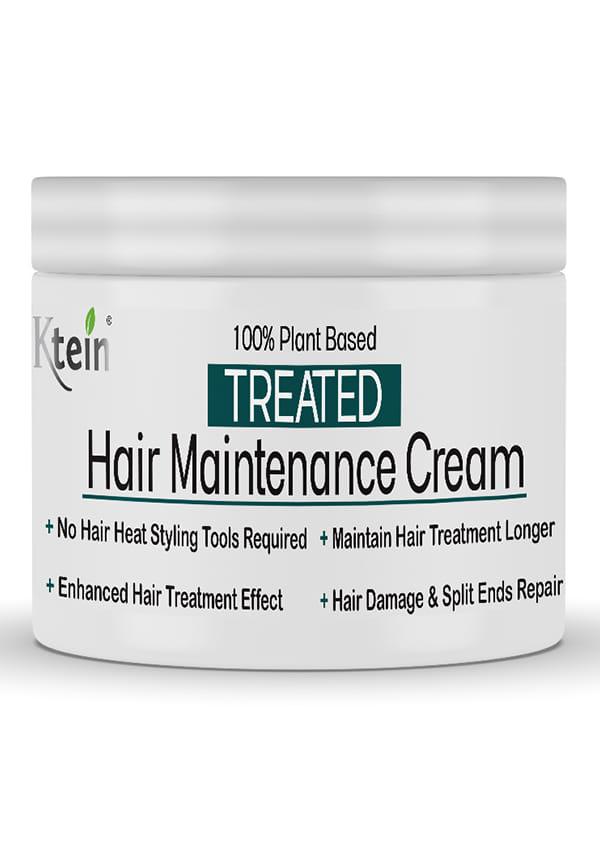
40 gm100% Plant Based Treated Hair Maintenance Cream Natural
This hair mask for dry hair is like a tall drink of water for parched locks. Mash half a ripe avocado with two tablespoons of honey and one tablespoon of coconut oil. The avocado provides deep moisture, honey locks it in, and coconut oil seals the deal. Apply from mid-length to ends, avoiding your roots if you have oily hair. Leave it on for 20-30 minutes, then rinse with lukewarm water.
When your hair's been through the wringer, this hair mask for damaged hair is your rescue remedy. Beat one whole egg with two tablespoons of olive oil and half a mashed banana. The protein from the egg rebuilds damaged hair structure, olive oil smooths and protects, whilst banana adds potassium and natural oils. This one's a bit messy but absolutely worth it for the results.
Oily hair needs love too, just a different kind. This hair mask for oily hair cleanses without stripping. Mix two tablespoons of bentonite clay with one tablespoon of apple cider vinegar and a few drops of tea tree oil. The clay absorbs excess oil, ACV balances your scalp's pH, and tea tree oil has antimicrobial properties. Apply to your scalp and roots, leave for 15 minutes max.
This hair mask for hair growth targets your scalp whilst conditioning your lengths. Combine two tablespoons of castor oil, three drops of rosemary essential oil, and two tablespoons of plain yogurt. Massage into your scalp for five minutes before applying to your lengths. This deep conditioning hair mask stimulates circulation whilst providing intense moisture.
Getting your application technique right makes all the difference between an okay result and absolutely stunning hair. It's not just about slapping the mask on and hoping for the best.
Start with slightly damp hair—not soaking wet, but not bone dry either. This helps the mask distribute evenly and penetrate better. Section your hair into four parts using clips. This easy hair mask application method ensures every strand gets attention.
For most masks, start at mid-length and work towards the ends—your roots usually don't need as much moisture. Use a wide-tooth comb to distribute the mask evenly. If you're using a scalp treatment, massage it in with your fingertips using circular motions. Cover with a shower cap or plastic wrap to create a warm environment that helps ingredients penetrate deeper.
Most masks work best when left on for 20-30 minutes. Protein masks should never be left on longer than 20 minutes as they can make your hair brittle. Moisture masks can handle longer—up to 45 minutes if your hair is really thirsty. Set a timer because it's easy to forget and overdo it.
 50 ml
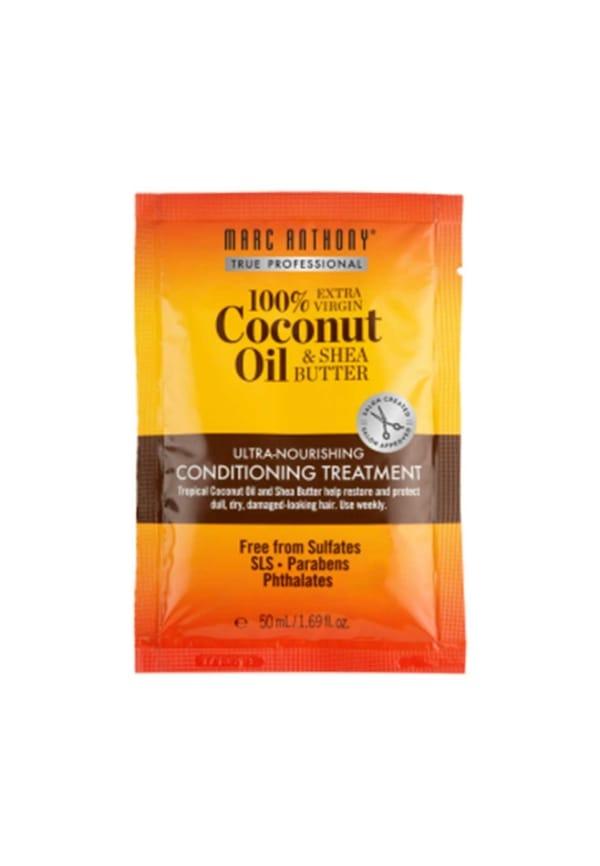
50 mlHydrating Coconut Oil And Shea Butter Deep Nourishing Conditioning Treatment Mask
Even the best ingredients won't work if you're making these common errors. Let's make sure you're getting the most out of your homemade hair treatment efforts.
First mistake? Using the wrong mask for your hair type. Oily hair doesn't need heavy oils, and dry hair will hate clay masks. Always patch test new ingredients on your inner elbow first—allergic reactions on your scalp are no joke.
Over-processing is another biggie. More isn't always better with hair masks. Using them too frequently can actually damage your hair. Stick to once or twice a week max. Also, never apply masks to dirty, product-laden hair—they won't penetrate properly.
When rinsing, use lukewarm water, not hot. Hot water strips your hair and can make it frizzy. Take your time with the rinse—leftover mask residue can make your hair look greasy or weighed down.
Want to take your DIY game to the next level? These insider tricks will make your homemade masks work even better.
Your hair's needs change with the seasons. In winter, focus on moisture masks. Summer calls for lighter, protein-based treatments. Listen to your hair—if it feels soft and bouncy, you're doing it right. If it feels limp or greasy, dial back the frequency.
Allergic to eggs? Try flax gel for protein. Can't do dairy? Coconut yogurt works just as well. Vegan? Skip the honey and use agave or maple syrup instead. The key is understanding what each ingredient does so you can make smart substitutions.
Use your mask before shampooing if it's oil-based—this prevents your hair from getting too greasy. For protein masks, follow with a moisturising conditioner to balance things out. Always finish with a cool water rinse to seal the hair cuticle and lock in all that goodness.
Speaking of haircare routines, if you're curious about trying professional treatments alongside your DIY masks, platforms like Smytten let you discover new products without the commitment. With trial packs from trusted brands, you can explore what works for your hair type before investing in full-size products.
Once or twice a week is perfect for most hair types. Dry or damaged hair can handle twice weekly, whilst oily hair should stick to once a week. Overuse can actually weigh your hair down or cause protein overload.
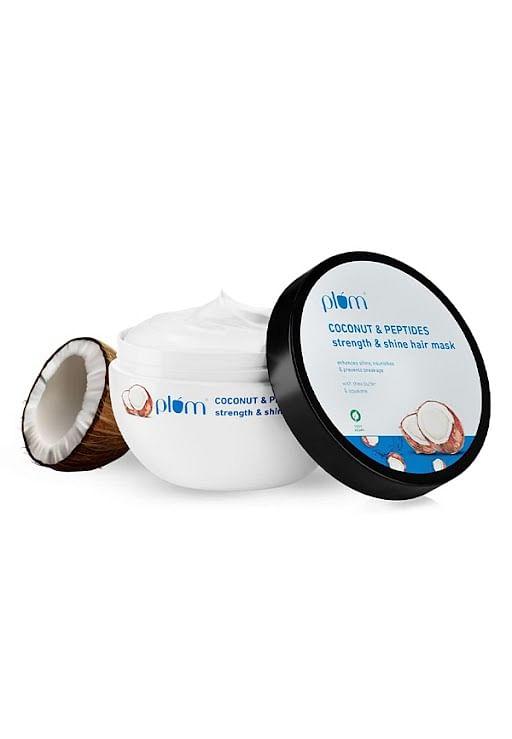 200 gm
Coconut & Peptides Strength & Shine Hair Mask
Generally, no. Most masks work best in 20-30 minutes. Leaving them on too long can cause protein overload or make your hair greasy. Oil-based masks might be okay for a few hours, but overnight is pushing it.
The egg, olive oil, and banana combo is brilliant for severe damage. The protein rebuilds structure whilst the oils provide deep moisture. Follow up with a gentle, moisturising conditioner.
Most natural ingredients are gentle enough for coloured hair. Avoid lemon juice or apple cider vinegar in high concentrations as they can fade colour. Stick to moisturising ingredients like avocado, honey, and oils.
Fresh masks with eggs or dairy should be used immediately. Oil-based masks can last 2-3 days in the fridge. Always smell-test before using—if it smells off, bin it and make fresh.
Slightly damp hair is ideal. It helps the mask distribute evenly without being too wet that it slides off. Towel-dry your hair gently before application.
Skip anything you're allergic to, obviously. Also avoid baking soda (too harsh), raw garlic (can burn), and essential oils in high concentrations. Always patch test new ingredients first.
Your hair should feel softer and look shinier after the first use. With regular use, you'll notice less breakage, improved manageability, and better overall hair health. Results build over time.
Creating the best homemade hair mask for your hair type doesn't require a chemistry degree or expensive ingredients. With just a few kitchen staples and the right technique, you can give your hair the nourishment it's been craving. The beauty of DIY masks lies in their simplicity and customisation—you control every ingredient that touches your hair.
Remember, consistency is key. One amazing mask won't transform your hair overnight, but regular treatments with natural ingredients will gradually improve your hair's health, strength, and shine. Start with one recipe that matches your hair's current needs, perfect your technique, and then experiment with other combinations.
Whether you're dealing with dryness, damage, or just want to maintain healthy hair, these natural treatments offer a budget-friendly alternative to expensive salon treatments. Your hair deserves the best care, and sometimes the best care comes from the simplest, most natural ingredients. After all, why settle for maybe when you can try it all and find what truly works for your unique hair needs?
