How to Make Homemade Hair Oil for Faster Growth

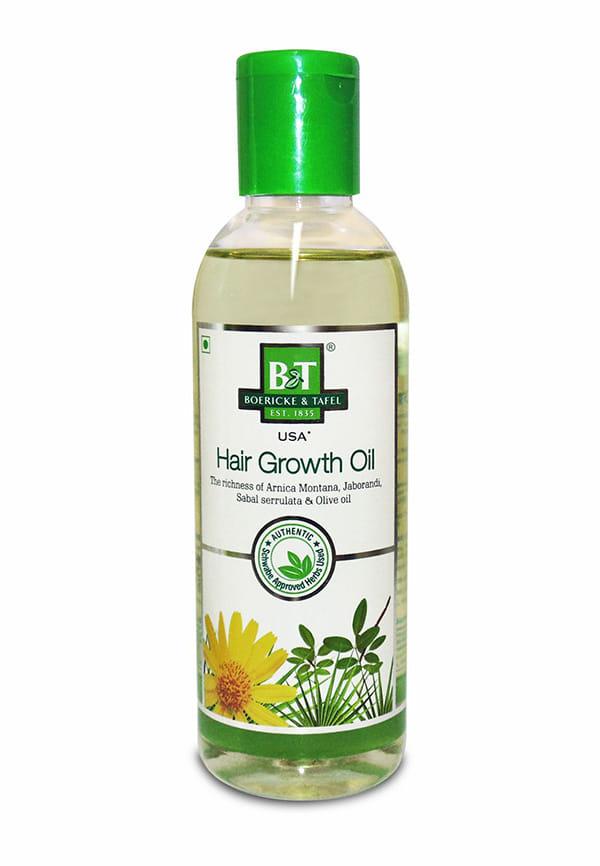 200 ml
Hair Growth Oil
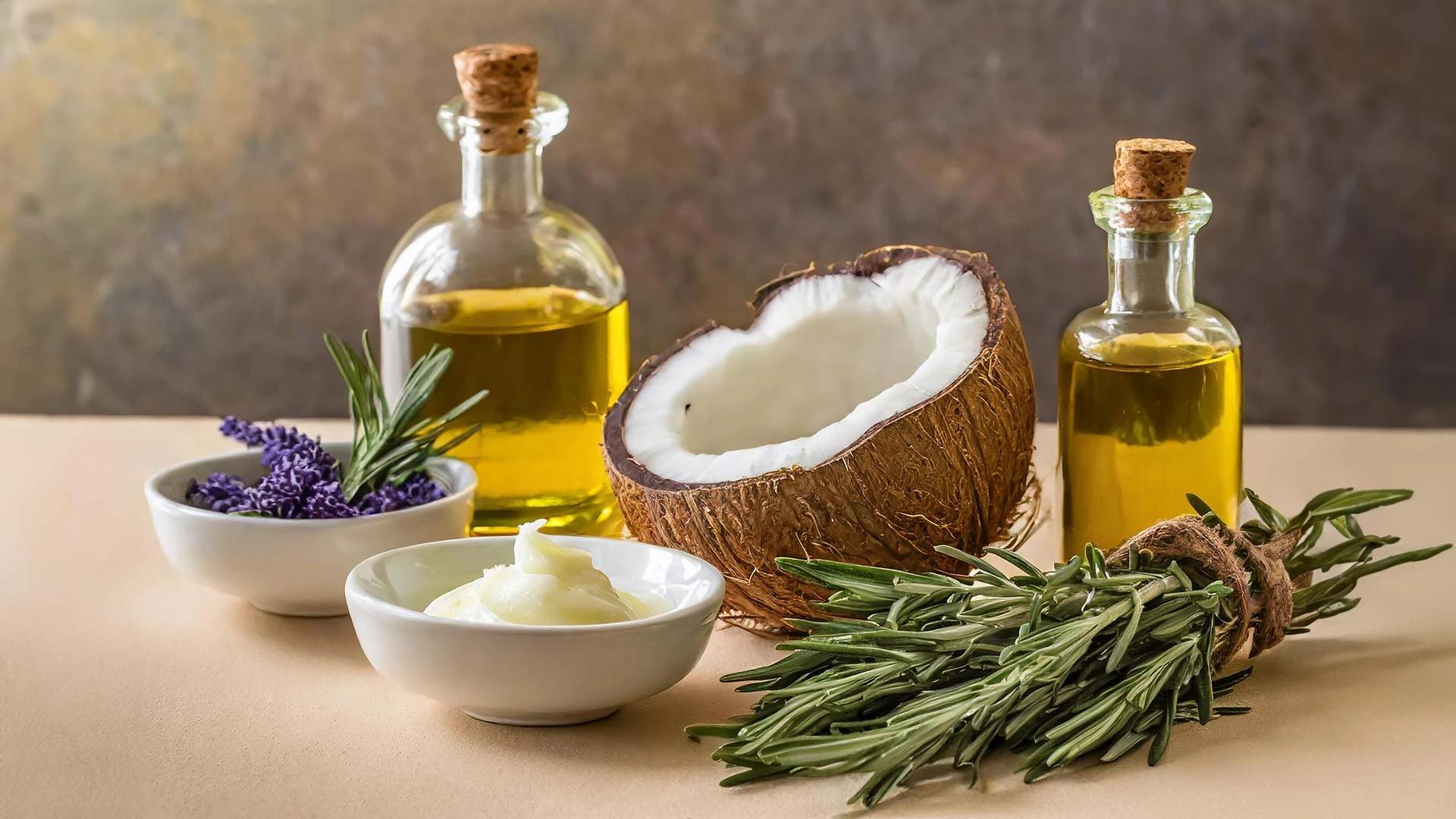
Let's be real—we've all been there, staring at our hair in the mirror and wishing it would just grow faster and thicker. While the beauty aisles are packed with promises, sometimes the best solutions come from your kitchen. Making your own homemade hair oil for hair growth and thickness isn't just trendy; it's actually backed by centuries of traditional wisdom and modern science. Plus, you know exactly what's going on your scalp—no mystery chemicals or unpronounceable ingredients. Ready to discover some game-changing DIY hair oil recipes that might just become your new obsession?
Here's the thing about commercial hair products—they're often loaded with synthetic chemicals that can actually work against your hair goals. When you create your own natural hair oil, you're giving your hair exactly what it needs without the fluff.
Natural ingredients penetrate deeper. Unlike synthetic alternatives, natural oils have molecular structures that actually match what your hair follicles crave. Coconut oil, for instance, has a low molecular weight that allows it to penetrate the hair shaft rather than just sitting on top.
The cost factor is pretty brilliant too. A single bottle of premium hair oil can cost you upwards of ₹500, but making your own hair growth oil at home? You're looking at a fraction of that cost, and you'll have enough to last months.
Ayurvedic principles have been championing these combinations for thousands of years. Traditional ayurvedic hair oil formulations focus on balancing your scalp's natural ecosystem, promoting circulation, and nourishing from root to tip. Science is finally catching up to what our grandmothers always knew.
These aren't just random combinations—each recipe targets specific hair concerns while promoting overall growth and thickness. Think of them as your personalised hair oil recipe collection.
This is the crowd favourite for good reason. It combines the best oils for hair with time-tested ingredients that actually work.
What you'll need:
200ml coconut oil
2 tbsp fenugreek seeds
10-12 fresh curry leaves
1 tbsp amla powder
1 tsp black seeds (kalonji)
Method: Heat coconut oil on low flame, add fenugreek seeds and curry leaves. Let them splutter for 2-3 minutes. Add amla powder and black seeds, stir for another minute. Cool completely and strain. This hair thickening oil works because fenugreek contains proteins that strengthen hair, while curry leaves boost circulation.
Perfect for those who love aromatherapy benefits alongside hair growth. This hair strengthening oil is lighter but incredibly effective.
Ingredients:
100ml sweet almond oil
5 drops rosemary essential oil
3 drops lavender oil
2 drops peppermint oil
Preparation: Simply mix all oils in a dark glass bottle. Shake well before each use. Store in a cool, dark place. Rosemary oil has been clinically proven to be as effective as minoxidil for hair growth, while peppermint increases circulation.
This one's for anyone dealing with fine or weak hair that needs serious strengthening.
You'll need:
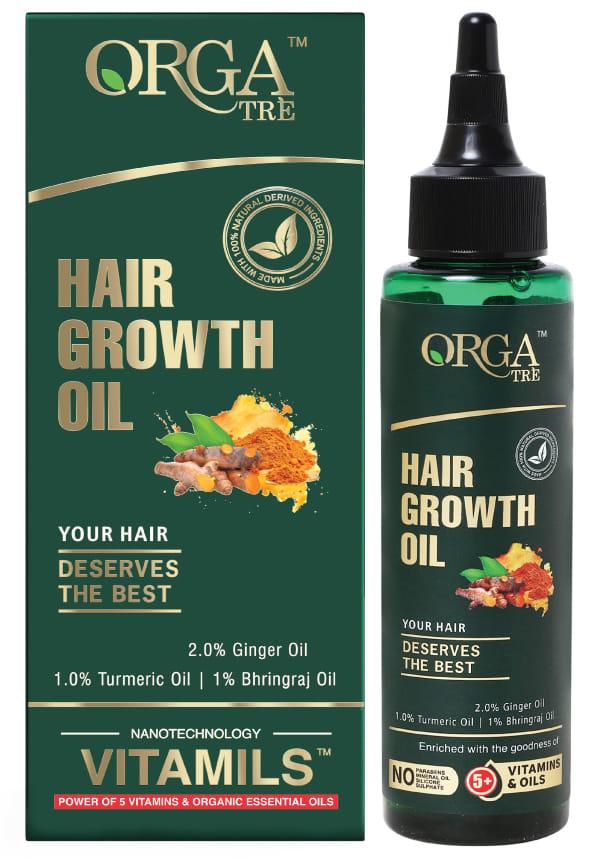 100 ml
Hair Growth Oil
150ml castor oil
50ml sesame oil
5-6 dried hibiscus flowers
1 tbsp flaxseeds
Infusion technique: Combine all ingredients in a glass jar. Let it sit in sunlight for 7 days, shaking daily. Strain and use. The slow infusion maximises nutrient extraction, creating a potent hair growth oil that's rich in proteins and omega fatty acids.
Specifically designed to tackle hair loss while promoting new growth. This hair loss treatment oil is your secret weapon against thinning.
Ingredients:
200ml olive oil
1 tbsp onion seeds (kalonji)
4-5 cloves
1 tbsp dried bhringraj leaves
Method: Heat olive oil gently, add all ingredients. Simmer on lowest heat for 10 minutes. Cool and strain. Onion seeds contain sulfur compounds that boost keratin production, while bhringraj is known as the 'king of herbs' for hair in Ayurveda.
For those busy days when you need something effective but fast.
What you need:
100ml grapeseed oil
2 vitamin E capsules
3 drops tea tree oil
Preparation: Pierce vitamin E capsules and squeeze into grapeseed oil. Add tea tree oil and mix. Ready to use immediately. This lighter formula won't weigh down fine hair but still delivers growth-promoting nutrients.
Not all oils are created equal when it comes to hair growth. Understanding which best oils for hair to use as your base can make or break your DIY efforts.
Coconut oil remains the gold standard because it actually penetrates the hair shaft rather than just coating it. Its lauric acid content makes it antimicrobial, keeping your scalp healthy while promoting growth.
Castor oil is thick and rich in ricinoleic acid, which increases circulation to hair follicles. It's particularly effective for areas with thinning hair or bald spots.
Sweet almond oil is lighter but packed with vitamin E and proteins. It's perfect for fine hair that gets weighed down easily but still needs nourishment.
Olive oil contains antioxidants that protect hair from environmental damage while its monounsaturated fats deeply moisturise both hair and scalp.
Jojoba oil technically isn't an oil—it's a wax ester that closely mimics your scalp's natural sebum. This makes it ideal for regulating oil production while providing lightweight moisture.
Having the perfect oil blend is only half the battle. How you apply it determines whether you'll see real results or just greasy hair.
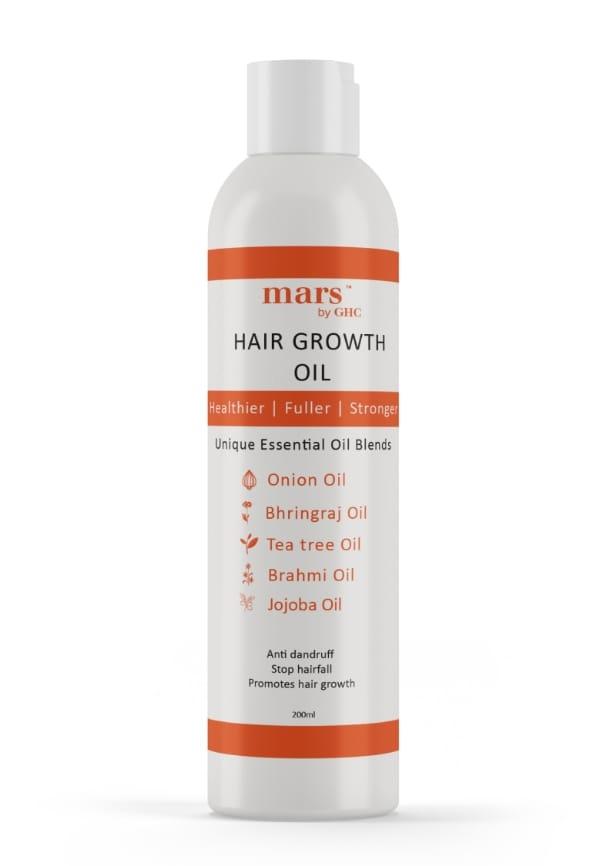 200 ml
Hair Growth Oil
Your scalp massage oil technique can literally make or break your hair growth journey. Use your fingertips (never nails) to massage in small circular motions, starting from your hairline and working towards the crown.
Apply gentle but firm pressure—you want to feel your scalp moving under your fingers. Spend at least 5-10 minutes on this step. The increased blood flow brings more nutrients to your hair follicles, which is where the magic happens.
For quick treatments, apply your oil 1-2 hours before washing. This gives enough time for penetration without over-saturating your hair.
Overnight treatments work brilliantly for deeper conditioning. Wrap your hair in a silk scarf or use a silk pillowcase to prevent transfer and reduce friction.
Weekly deep treatments are perfect for most hair types, while daily light applications work well for very dry or damaged hair.
This is where many people go wrong. Never apply shampoo directly to oiled hair—it won't emulsify properly and you'll end up with residue.
Instead, wet your hair thoroughly with warm water first. Apply a small amount of shampoo and gently work it through, focusing on your scalp rather than the lengths. You might need to shampoo twice for heavier oils like castor oil.
Let's set realistic expectations here. Hair growth isn't an overnight miracle, but you will notice changes if you're consistent with your homemade hair oil for hair growth and thickness routine.
Weeks 1-4: Your scalp health improves first. Less itching, reduced dandruff, and a general feeling of healthiness. Your hair might also feel softer and more manageable.
Months 2-3: This is when you'll start seeing visible thickness and significantly less breakage. Your hair will feel stronger when you run your fingers through it.
Months 3-6: Measurable length gains become apparent. Take monthly photos from the same angles and in the same lighting to track progress accurately.
Document your journey with photos and measurements. Measure from your hairline to the longest point monthly. Sometimes progress feels slow day-to-day, but photos don't lie.
Even with the best intentions, there are some pitfalls that can sabotage your DIY hair oil efforts.
Overheating oils is probably the biggest mistake. High heat destroys the very nutrients you're trying to preserve. Always use low heat and never let your oil smoke.
Wrong ratios can make your oil too heavy or too light. Start with the recipes as written, then adjust based on your hair's response.
Poor straining leaves plant matter in your oil, which can go rancid and cause scalp irritation. Use a fine mesh strainer lined with cheesecloth for best results.
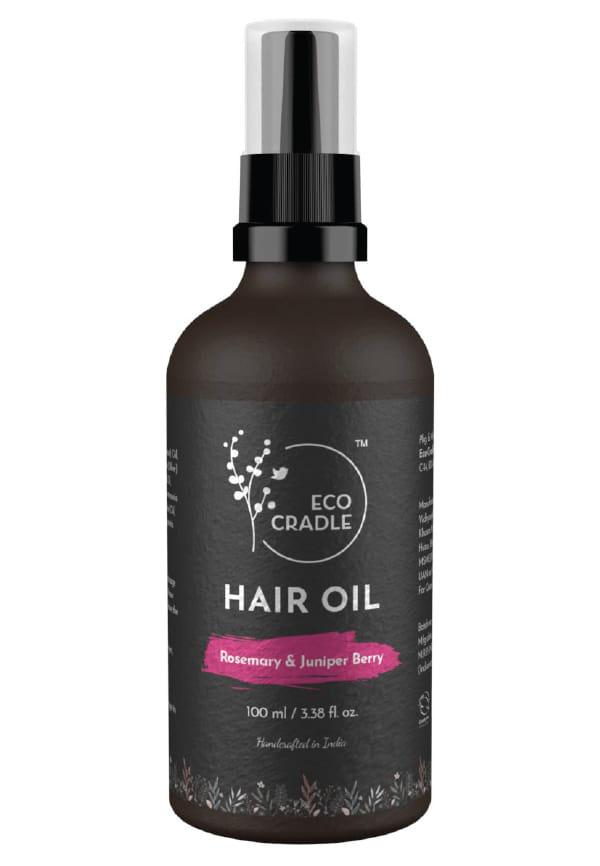 100 ml
Hair Oil
Storage mistakes reduce effectiveness quickly. Always use dark glass bottles and store in cool, dark places. Label with dates—most homemade oils last 3-6 months.
Skipping patch tests is risky business. Always test a small amount on your inner wrist 24 hours before full application, especially with essential oils.
While you're experimenting with these homemade solutions, you might also want to explore professionally formulated options. Smytten offers curated trial packs from over 1,500 trusted brands, letting you discover what works for your unique hair needs without committing to full-size purchases. With haircare minis from brands like Dot & Key and Love, Beauty & Planet, you can compare how your DIY creations stack up against commercial formulations.
The Traditional Indian Hair Growth Oil (Recipe 1) consistently delivers the best results for most people. The combination of coconut oil, fenugreek, and curry leaves provides proteins, vitamins, and circulation-boosting compounds that target both growth and thickness simultaneously.
For maximum potency, combine castor oil (50%), coconut oil (30%), and almond oil (20%) as your base. Add fenugreek seeds, onion seeds, and bhringraj leaves. Heat gently for 15 minutes, then let it infuse for a week before straining. This creates the most concentrated hair growth oil possible at home.
Castor oil is scientifically proven to be most effective for thickness due to its ricinoleic acid content, which increases circulation and promotes follicle health. For faster growth, rosemary essential oil mixed with a carrier oil shows results comparable to commercial treatments.
Scalp health improves within 2-4 weeks, visible thickness appears around 8-12 weeks, and measurable length gains become apparent after 3-6 months of consistent use. Results vary based on your starting point and consistency of application.
Light oils like almond or jojoba-based blends can be used daily on dry or damaged hair. Heavier oils like castor oil work best 2-3 times per week. Listen to your hair—if it feels weighed down or greasy, reduce frequency.
Use dark glass bottles to protect from light, store in cool, dark places like cupboards, and always label with preparation dates. Most homemade oils last 3-6 months when stored properly. Refrigeration can extend shelf life but may solidify some oils.
Generally safe when patch tested first. Possible reactions include scalp irritation from essential oils, clogged pores from heavy oils, or allergic reactions to specific ingredients. Always dilute essential oils properly and start with small amounts.
Creating your own homemade hair oil for hair growth and thickness is one of those beautiful intersections of traditional wisdom and modern convenience. You're not just saving money—you're taking control of what goes on your scalp and hair. The recipes we've shared aren't just random combinations; they're time-tested formulations that work because they address the root causes of hair concerns: poor circulation, lack of nutrients, and scalp imbalances.
Remember, consistency trumps perfection every time. It's better to use a simple oil blend regularly than to create the most complex formula and use it sporadically. Your hair responds to routine care, not occasional pampering.
As you embark on this DIY journey, consider exploring what else works for your unique hair needs. Smytten connects you with over 1,500 trusted beauty and wellness brands, offering trial-sized products that let you discover your perfect haircare routine without the commitment. With over 25 million users and 100 million trial minis delivered, the platform makes it easy to compare your homemade creations with professionally formulated options. After all, why settle for 'maybe' when you can try it all and find what truly works for your hair?
