How to Make DIY Hair Protein Masks at Home


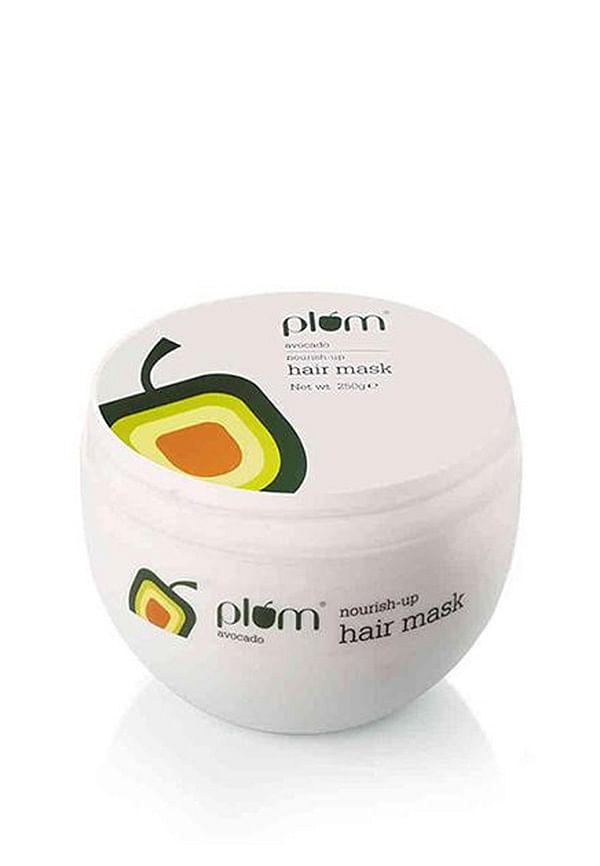 250 gm
Avocado Nourish-Up Hair Mask
Your hair's been through a lot lately, hasn't it? Between heat styling, chemical treatments, and everyday environmental stress, those strands are probably crying out for some serious TLC. Here's the thing though—you don't need to splurge on expensive salon treatments to give your hair the protein boost it desperately needs. DIY hair protein masks are your secret weapon for stronger, healthier hair, and the best part? You can whip them up with ingredients already sitting in your kitchen. Let's dive into the world of homemade hair masks that actually work, because your hair deserves better than just hoping for the best.
Think of hair protein treatment as a nutritious meal for your strands. Your hair is made up of about 95% protein, primarily keratin, which forms the building blocks of each strand. When this protein structure gets damaged—whether from heat, chemicals, or just daily wear and tear—your hair becomes weak, brittle, and prone to breakage. A protein mask for damaged hair works by temporarily filling in the gaps in your hair's cuticle, essentially patching up the damage. It's like giving your hair a protective shield that makes it stronger and more resilient. But here's what's brilliant about the DIY approach: you get to control exactly what goes into your treatment, avoiding harsh chemicals and unnecessary additives.
Your hair has its own way of telling you it's protein-starved. Look out for excessive breakage, especially when wet, hair that feels mushy or gummy when stretched, or strands that have lost their natural bounce and elasticity. If your hair feels limp, lifeless, or takes forever to dry, it's probably time for a protein intervention.
Here's where many people get confused—your hair needs both protein and moisture, but in the right balance. Too much protein can make hair stiff and brittle, while too much moisture without protein can leave it weak and stretchy. The trick is knowing when to use which treatment, and that's where understanding your hair's current state becomes crucial.
Let's get a bit nerdy for a moment because understanding the science makes you a better DIY hair repair expert. Your hair shaft consists of three layers: the cuticle (outer protective layer), cortex (middle layer containing most of the protein), and medulla (innermost layer). When your hair gets damaged, the cuticle lifts and the cortex loses protein. This is where natural hair protein treatments come in handy. Unlike synthetic proteins that can sometimes be too large to penetrate the hair shaft, natural proteins from ingredients like eggs, yoghurt, and quinoa contain smaller molecules that can actually get inside your hair and start repairing from within.
Commercial treatments often contain hydrolysed proteins, which are essentially proteins broken down into smaller pieces for better absorption. The brilliant thing about many kitchen ingredients is that they naturally contain these smaller protein molecules. Eggs, for instance, contain both complete proteins and amino acids that your hair can readily absorb.
Right, let's get to the good stuff—the actual recipes that'll transform your hair game. Each of these haircare recipes targets different hair concerns, so you can pick the one that matches your hair's current mood.
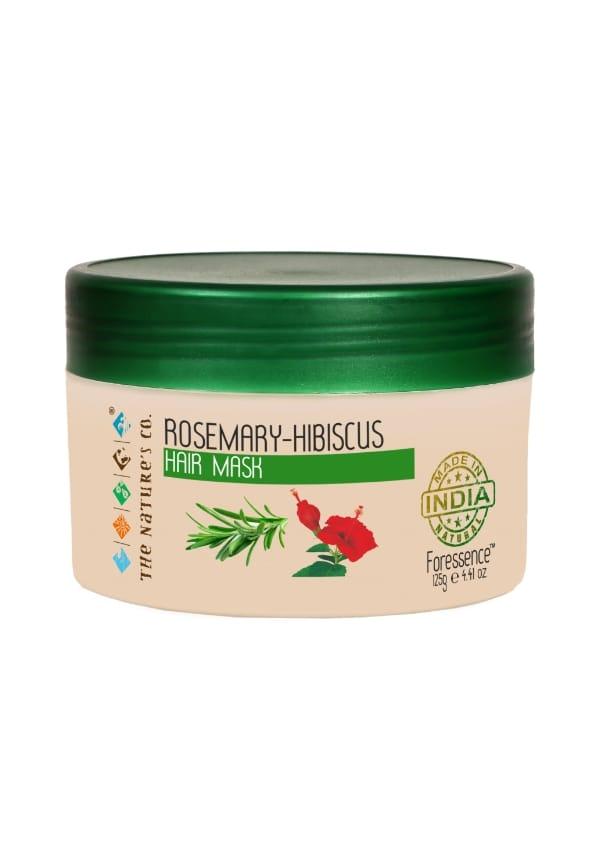 125 gm
Rosemary Hibiscus Hair Mask
This classic combo is your go-to for a reason. Eggs are packed with complete proteins, while honey acts as a humectant, drawing moisture into your hair. What you'll need: • 2 whole eggs • 2 tablespoons raw honey • 1 tablespoon olive oil (optional, for extra moisture) Whisk everything together until smooth. Apply to damp hair from mid-length to ends, avoiding the scalp. Leave on for 20-30 minutes, then rinse with cool water (hot water will cook the egg—trust me, you don't want that mess). This hair strengthening mask works brilliantly for all hair types and is gentle enough for weekly use.
Perfect for dry, damaged hair that needs both protein and serious moisture. Greek yoghurt contains lactic acid and proteins, while avocado brings healthy fats and vitamins. Ingredients: • 1/2 cup plain Greek yoghurt • 1 ripe avocado • 1 tablespoon honey Mash the avocado until completely smooth, then mix with yoghurt and honey. Apply generously to clean, damp hair and leave for 30-45 minutes. This mask is particularly brilliant for chemically treated or heat-damaged hair.
This one's for seriously damaged hair that needs intensive repair. Gelatin is pure protein and can dramatically improve hair strength. You'll need: • 1 packet unflavoured gelatin • 1/4 cup warm water • 1 tablespoon apple cider vinegar Dissolve gelatin in warm water, add vinegar, and apply to damp hair. Leave for 15-20 minutes maximum—this is potent stuff. Use this treatment sparingly, perhaps once a month, as it's quite intense.
Bananas contain natural proteins and potassium, while coconut oil provides moisture and protection. This combo is perfect for brittle, breaking hair. Ingredients: • 1 ripe banana • 2 tablespoons coconut oil (melted) • 1 tablespoon honey Blend until completely smooth—any lumps will be a nightmare to remove. Apply to damp hair and leave for 30 minutes. This treatment smells amazing and leaves hair incredibly soft.
An ancient beauty secret that's having a major moment. Rice water contains amino acids and vitamins that strengthen hair, while aloe vera soothes and moisturises. What you need: • 1/2 cup rice water (soak rice in water for 30 minutes, then strain) • 2 tablespoons fresh aloe vera gel • 1 teaspoon coconut oil Mix ingredients and apply to clean hair. Leave for 20-30 minutes. This gentle treatment can be used weekly and is particularly good for protein for hair growth.
Simple but effective. Milk contains casein protein, which can help strengthen hair structure. Ingredients: • 1/2 cup whole milk • 2 tablespoons honey Warm the milk slightly, mix with honey, and apply to damp hair. Leave for 20 minutes. This gentle treatment is perfect for fine hair that gets easily overwhelmed by heavier masks.
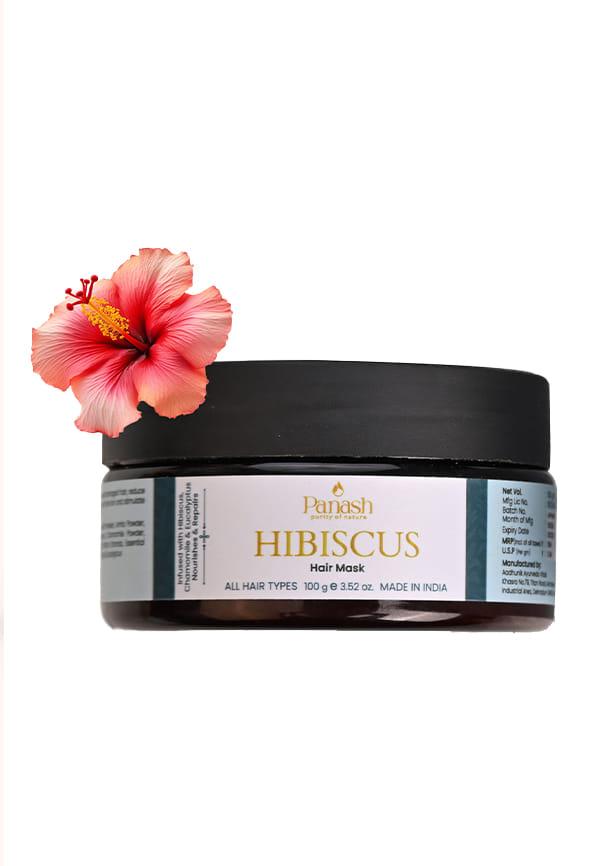 100 gm
Hibiscus Hair Mask
Quinoa is a complete protein, containing all essential amino acids your hair needs for repair and growth. You'll need: • 1/4 cup cooked quinoa (cooled) • 2 tablespoons olive oil • 1 tablespoon honey Blend until smooth and apply to damp hair. This advanced DIY hair treatment is particularly effective for severely damaged hair and can be used bi-weekly.
Application technique can make or break your homemade hair mask experience. Start with clean, damp hair—not soaking wet, but not completely dry either. This helps the mask penetrate better. Divide your hair into sections and apply the mask from mid-length to ends, avoiding the scalp unless specified. Use a wide-tooth comb to distribute evenly, then clip your hair up and cover with a shower cap. Some people like to apply gentle heat with a hair dryer for a few minutes to help the proteins penetrate better.
Don't leave protein masks on longer than recommended. Unlike moisturising treatments, protein masks can actually damage your hair if left on too long. Most treatments work best between 15-30 minutes.
Always rinse with cool water to seal the hair cuticle and lock in the benefits. Follow up with a light conditioner if your hair feels a bit stiff—this is normal after protein treatments.
The frequency of your DIY hair repair routine depends on your hair's damage level and porosity. Highly damaged hair might benefit from weekly protein treatments initially, while healthy hair might only need them monthly. Pay attention to how your hair responds. If it starts feeling stiff or brittle, you're overdoing the protein and need to focus on moisture instead. The goal is finding that sweet spot where your hair feels strong but still flexible.
Your hair's needs change with the seasons. Winter might call for more moisture-focused treatments, while summer heat damage might require more frequent protein masks. Listen to your hair—it'll tell you what it needs.
The biggest mistake people make with protein treatments is thinking more equals better. Protein overload is real and can leave your hair feeling like straw. Always start with less frequent applications and build up if needed. Another common error is not doing strand tests. What works for your friend might not work for you, so always test a small section first. Also, don't mix protein treatments with chemical processes like colouring or relaxing—give your hair time to recover between treatments. While DIY treatments are fantastic, sometimes you might want to explore professional-grade products to see what works best for your hair type. Smytten offers curated trial packs from over 1,500 trusted haircare brands, letting you discover and experience products before committing to full-size purchases. With trial minis available for just ₹249 and 100% cashback redeemable for future orders, you can experiment with different protein treatments and find your perfect match without the financial commitment.
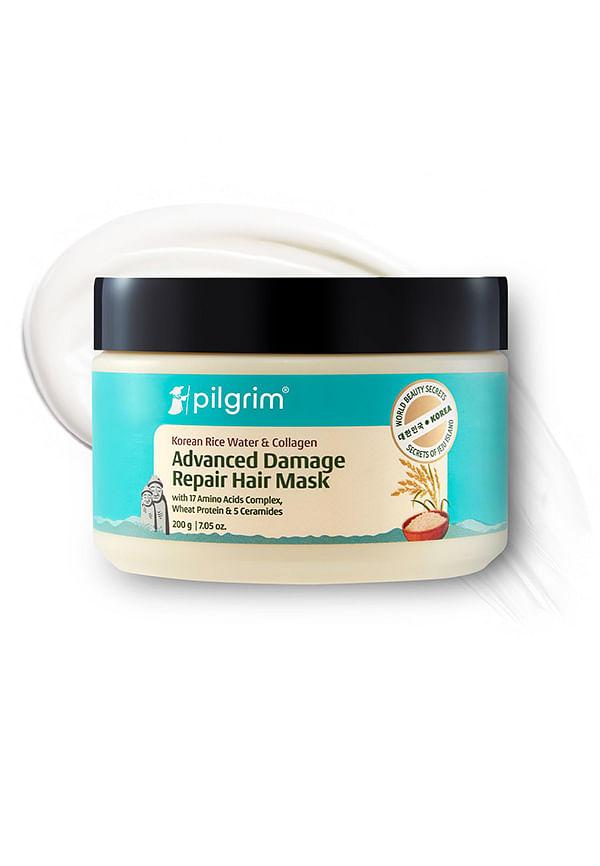 200 gm
Korean Rice Water & Collagen Advanced Damage Repair Hair Mask
Start with once a week for damaged hair, then adjust based on how your hair responds. Healthy hair might only need protein treatments once a month.
Absolutely! In fact, colour-treated hair often needs extra protein since chemical processes can damage the hair's protein structure. Just be gentle and always follow up with moisture.
Homemade masks use whole food ingredients with naturally occurring proteins, while commercial products often contain hydrolysed proteins and preservatives. Both can be effective, but DIY options let you control exactly what goes on your hair.
You might notice immediate improvements in hair texture and manageability, but significant strength improvements typically show after 4-6 weeks of consistent use.
The main risk is protein overload from too frequent use, which can make hair brittle. Always do patch tests if you have sensitive skin or allergies.
While protein masks primarily strengthen existing hair, stronger hair breaks less, which can help you retain length and achieve your growth goals.
DIY hair protein masks are brilliant for giving your hair the strength and resilience it needs without breaking the bank. The key is understanding your hair's unique needs and finding the right balance between protein and moisture. Start with simple recipes like the egg and honey mask, then experiment with other combinations as you get more comfortable with the process. Remember, consistency beats intensity every time. Regular, gentle protein treatments will give you better results than occasional harsh ones. Your hair is unique, so what works for others might need tweaking for you—and that's perfectly normal. With over 25 million users trusting Smytten's platform for their beauty and wellness discoveries, you're in good company when it comes to exploring what works best for your hair. Whether you're sticking to DIY treatments or curious about professional products, the goal remains the same: finding what makes your hair look and feel its absolute best. After all, why settle for 'maybe' when you can try it all and find your perfect haircare routine?
