How to Maintain Healthy Scalp Balance for Stronger Hair

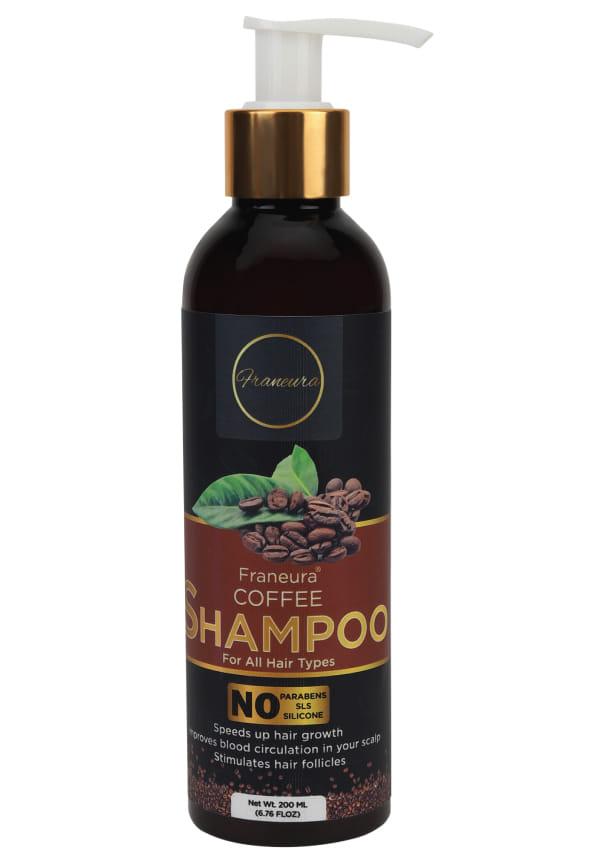
Daily Use Natural Coffee Shampoo - Revitalize and Strengthen Hair
You know that feeling when your scalp starts acting up and suddenly your hair just doesn't cooperate? One day it's too oily, the next it's flaky, and sometimes it's just plain itchy. Real talk—your scalp is basically the soil where your hair grows, and when that foundation isn't happy, your hair definitely feels it. The good news? Learning to maintain healthy scalp balance isn't rocket science, and once you get the hang of it, you'll wonder why you didn't start sooner.
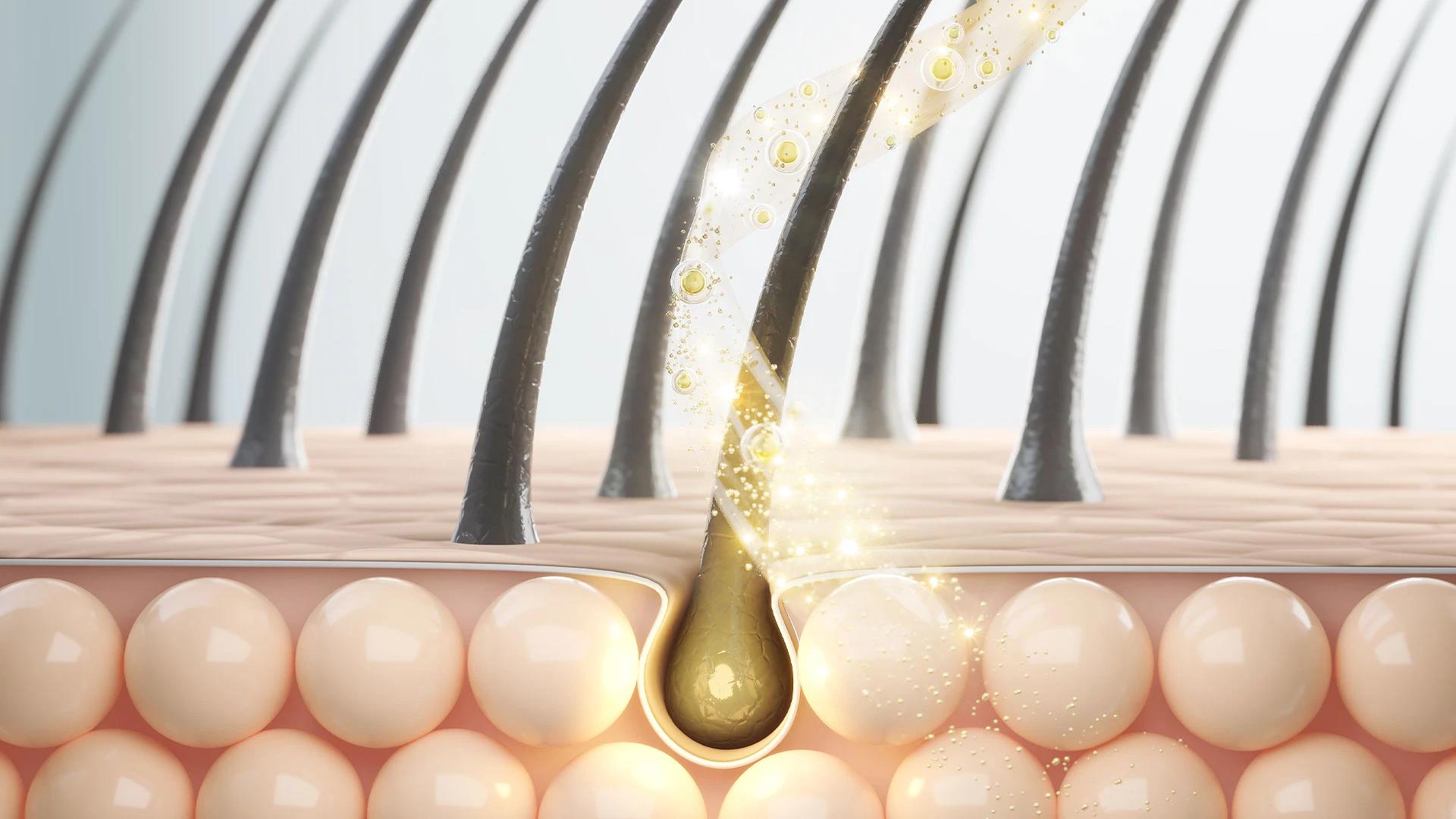
Think of your scalp as a mini ecosystem that's constantly working to keep your hair follicles happy and healthy. This ecosystem includes your scalp microbiome—basically the good bacteria that live on your scalp and help maintain its natural pH balance. When everything's in harmony, your scalp produces just the right amount of oil, stays comfortable, and creates the perfect environment for healthy hair growth.
But here's where things get interesting: your scalp health directly impacts your hair follicle health. When your scalp is inflamed, too dry, or producing excess oil, it can actually restrict blood flow to your hair follicles. Less blood flow means fewer nutrients reaching your hair roots, which can slow down growth and make your hair look dull or feel weak.
Scalp balance is all about maintaining the right pH level (around 4.5-5.5) and keeping your scalp microbiome thriving. When this balance gets disrupted, you might notice itching, flaking, excessive oiliness, or that tight, uncomfortable feeling. These aren't just annoying symptoms—they're your scalp's way of telling you something's off.
Your hair follicles need a clean, well-circulated environment to do their job properly. When your scalp is inflamed or clogged with excess oil and dead skin cells, it can actually miniaturise your hair follicles over time. This means thinner, weaker hair that's more prone to breakage.
Just like your skin, your scalp has its own personality, and understanding yours is key to giving it what it needs. Some people have naturally dry scalps that crave moisture, while others deal with oily scalps that need gentle but thorough cleansing. Getting to know your scalp type helps you choose the right products and routines.
If your scalp feels tight, especially after washing, or you notice small, white flakes that aren't oily, you likely have a dry scalp. This can happen due to cold weather, over-washing, harsh products, or simply genetics. The key difference between dry scalp and dandruff? Dry scalp flakes are smaller and less oily.
An oily scalp produces excess sebum, which can make your hair look greasy within a day or two of washing. This often comes with larger, yellowish flakes and sometimes an itchy scalp. Hormones, genetics, and even stress can trigger your sebaceous glands to work overtime.
Some people have combination scalps—oily at the crown but dry around the hairline, or scalps that change with the seasons. Sensitive scalps react to products, weather changes, or stress with redness, itching, or irritation. These scalp types need extra gentle care and often benefit from fragrance-free products.
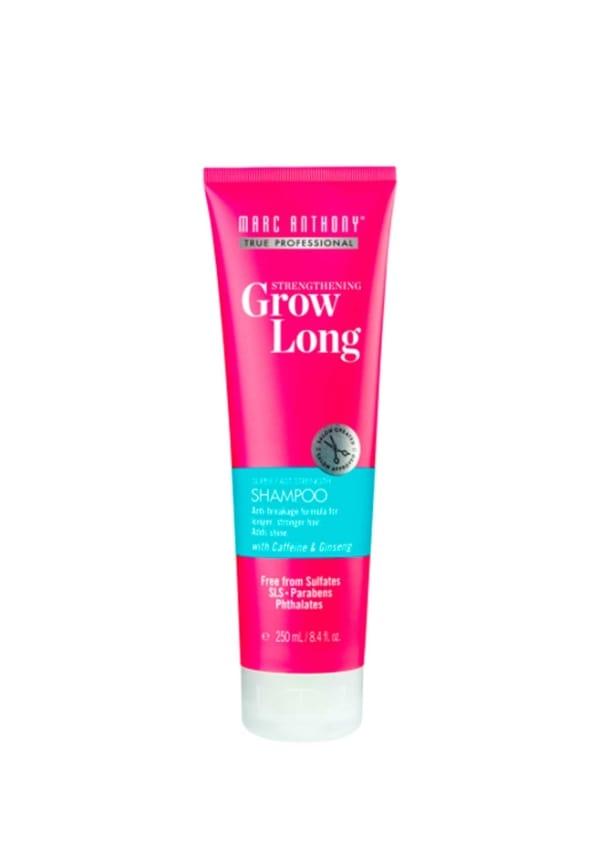
Strengthening Grow Long Shampoo
Building a solid scalp care routine doesn't mean adding ten new steps to your day. It's more about doing the basics right and being consistent. The goal is to keep your scalp clean without stripping it, moisturised without making it greasy, and comfortable without over-stimulating it.
Here's something that might surprise you: when you shampoo, focus on your scalp, not your hair lengths. Your scalp is where oil, dead skin cells, and product buildup accumulate. Gently massage the shampoo into your scalp with your fingertips (not nails) and let the suds clean your hair as you rinse. How often you wash depends on your scalp type—oily scalps might need daily cleansing, while dry scalps do better with 2-3 washes per week.
Conditioner is brilliant for your hair, but keep it away from your scalp unless you have a very dry scalp type. Apply conditioner from mid-length to ends, and if your scalp needs extra moisture, look for lightweight, scalp-specific treatments rather than regular conditioner.
Your scalp appreciates gentle treatment. When brushing, start from the ends and work your way up to avoid tugging on your scalp. Use a wide-tooth comb on wet hair, and if you're using heat tools, keep them away from your scalp and always use a heat protectant.
Sometimes the best scalp treatments are the simplest ones. Natural methods can be incredibly effective for maintaining scalp health, and they're often gentler than harsh chemical treatments. Plus, you probably have some of these ingredients in your kitchen already.
A good scalp massage isn't just relaxing—it actually boosts blood circulation to your hair follicles. Spend 5-10 minutes gently massaging your scalp with your fingertips in circular motions. You can do this dry or with a few drops of oil like jojoba or rosemary oil, which some people find helpful for hair follicle health.
Just like your face, your scalp benefits from occasional exfoliation to remove dead skin cells and product buildup. You can use a gentle scalp scrub once a week or make your own with brown sugar and your regular shampoo. Be gentle—your scalp doesn't need aggressive scrubbing.
Drinking enough water helps keep your scalp hydrated from the inside out. For external moisture, look for lightweight oils or scalp serums that won't clog your hair follicles. Aloe vera gel is also brilliant for soothing an irritated or dry scalp.
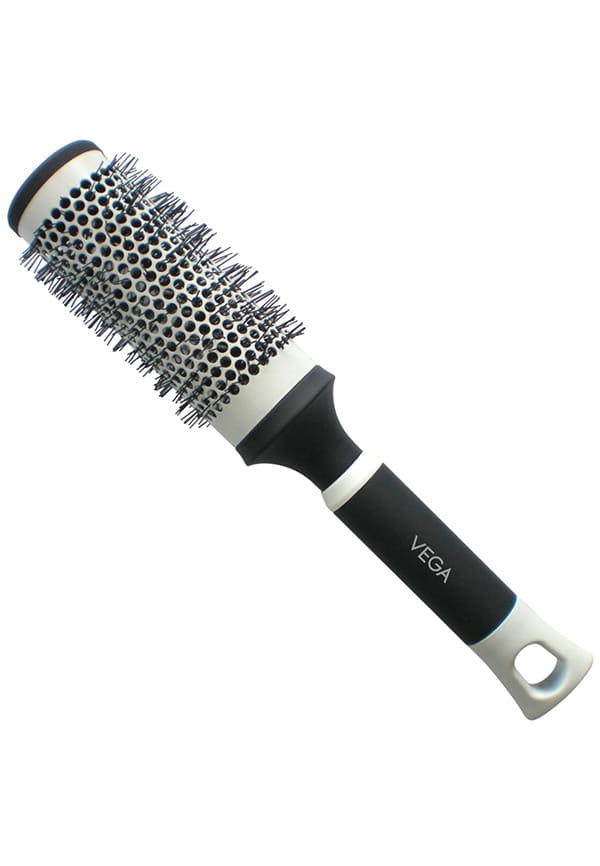
Hot Curl Hair Brushfor Hair Styling, Drying, Healthy Hair and Add Volume Big (H1-PR B)
When your scalp needs extra help, targeted treatments can make a real difference. The key is identifying what's causing your specific issue and addressing it with the right approach. Whether you're dealing with dandruff, an itchy scalp, or sensitivity, there are effective solutions available.
Dandruff often involves a yeast called Malassezia that feeds on scalp oils. Look for shampoos with zinc pyrithione, ketoconazole, or selenium sulfide for effective dandruff control. Tea tree oil is also naturally antifungal and can help maintain a healthy scalp microbiome when used regularly.
An itchy scalp can be caused by dryness, product sensitivity, or buildup. Try switching to gentler, fragrance-free products and avoid over-washing. Apple cider vinegar diluted with water can help restore pH balance and reduce itching, while aloe vera provides immediate soothing relief.
If your scalp gets red, irritated, or reacts to products easily, focus on anti-inflammatory ingredients like chamomile, green tea, or niacinamide. Avoid products with sulfates, strong fragrances, or alcohol, which can further irritate sensitive scalps.
Your scalp health isn't just about what you put on it—it's also influenced by what you eat, how you manage stress, and how you protect it from environmental damage. These lifestyle factors can make a huge difference in maintaining healthy scalp balance over the long term.
Your scalp needs nutrients to function properly. Omega-3 fatty acids help reduce inflammation, while zinc supports healthy hair follicle function. Biotin, iron, and vitamin D are also crucial for scalp health. Include foods like salmon, nuts, leafy greens, and eggs in your diet for optimal scalp nutrition.
Stress can trigger scalp issues like increased oil production, inflammation, or even hair loss. Regular exercise, meditation, or simply getting enough sleep can help keep stress-related scalp problems at bay. Your scalp literally relaxes when you do.
Just like your skin, your scalp can get sunburned and damaged by pollution. Wear a hat when you're out in strong sun, and consider using products with UV protection if you spend a lot of time outdoors. In polluted environments, more frequent gentle cleansing can help prevent buildup.
While most scalp issues can be managed with good home care, sometimes you need professional help. Knowing when to see a dermatologist or trichologist can save you time and prevent minor issues from becoming major problems.
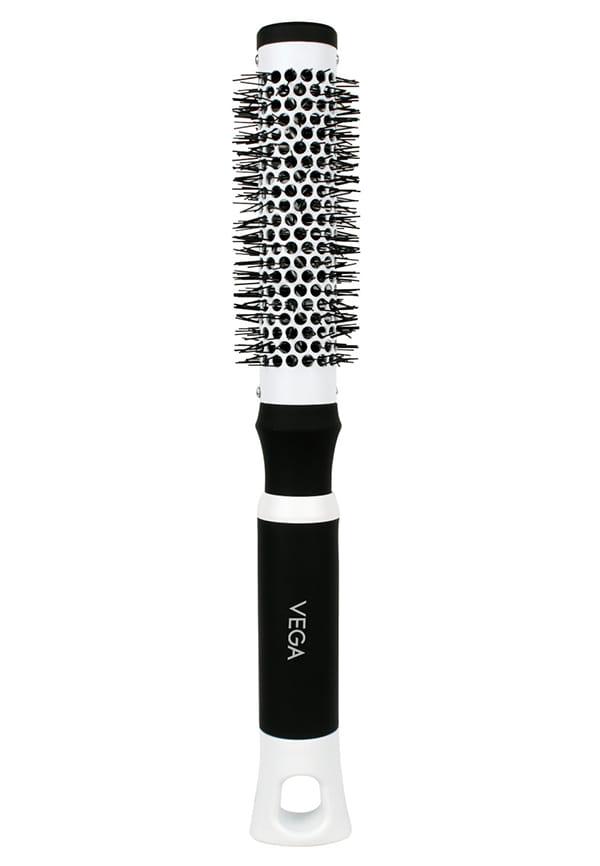
Hot Curl Hair Brushfor Hair Styling, Drying, Healthy Hair and Add Volume, Small (H1-PR S)
If you're experiencing persistent itching, unusual hair loss, painful scalp conditions, or if your scalp issues aren't improving with consistent home care, it's time to see a professional. Sudden changes in your scalp condition should also be evaluated by an expert.
Dermatologists can diagnose and treat medical scalp conditions like seborrheic dermatitis or psoriasis. Trichologists specialise in hair and scalp health and can provide targeted treatments for specific concerns. Professional scalp treatments might include medicated shampoos, topical treatments, or lifestyle recommendations.
Balance scalp health by learning your hair type, washing based on oil production, applying shampoo to scalp (not hair lengths), using conditioner properly, being gentle with hair handling, and protecting from heat damage.
Balance your scalp through proper cleansing and occasional exfoliation to keep the scalp environment fresh. This keeps hair follicles clear, supports growth, and reduces issues like pimples or scalp itchiness.
Yes, scalp inflammation can tighten blood vessels, reducing oxygen and nutrient delivery to follicles. This microinflammation irritates the scalp and can impact healthy hair growth.
Wash frequency depends on your scalp type - oily scalps may need daily washing, while dry scalps benefit from 2-3 times per week. Focus shampoo application on the scalp rather than hair lengths.
Effective natural ingredients include tea tree oil for antimicrobial benefits, aloe vera for soothing inflammation, coconut oil for moisture, and apple cider vinegar for pH balance and buildup removal.
Maintaining healthy scalp balance is really about consistency and understanding what your scalp needs. Whether you're dealing with dryness, oiliness, or sensitivity, the right combination of gentle cleansing, targeted treatments, and healthy lifestyle choices can make a real difference. Remember, your scalp health directly impacts your hair's strength and appearance, so investing time in proper scalp care is always worth it.
The beauty of scalp care is that small, consistent changes often yield the biggest results. Start with the basics—proper cleansing technique, the right products for your scalp type, and gentle handling—then add targeted treatments as needed. Your scalp will thank you, and your hair will show it. Not sure which scalp care products work best for your specific needs? Smytten offers trial-size versions of many scalp treatments and shampoos from trusted brands—a smart way to test what works before committing to full-size bottles.
