How to Maintain a Healthy Scalp: Expert Tips

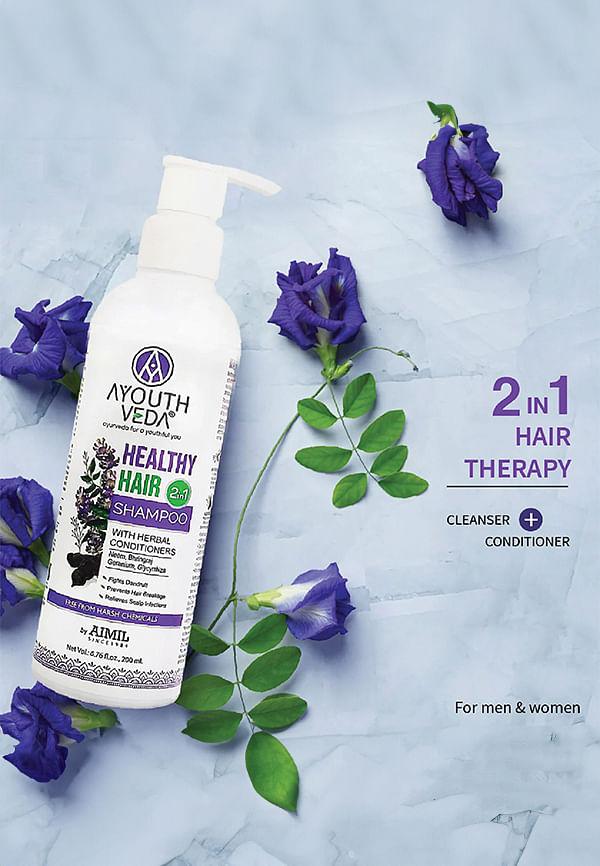 200 ml
Healthy Hair Shampoo
Your scalp is basically the foundation for everything happening up there—think of it as the soil where your hair grows. Yet most of us treat it like an afterthought, focusing on the strands whilst ignoring what's underneath. Real talk: maintaining good scalp health isn't just about avoiding dandruff or that annoying itch. It's about creating the perfect environment for strong, healthy hair to thrive. When your scalp is happy, your hair follows suit. Let's dive into what actually works for keeping your scalp in top shape.
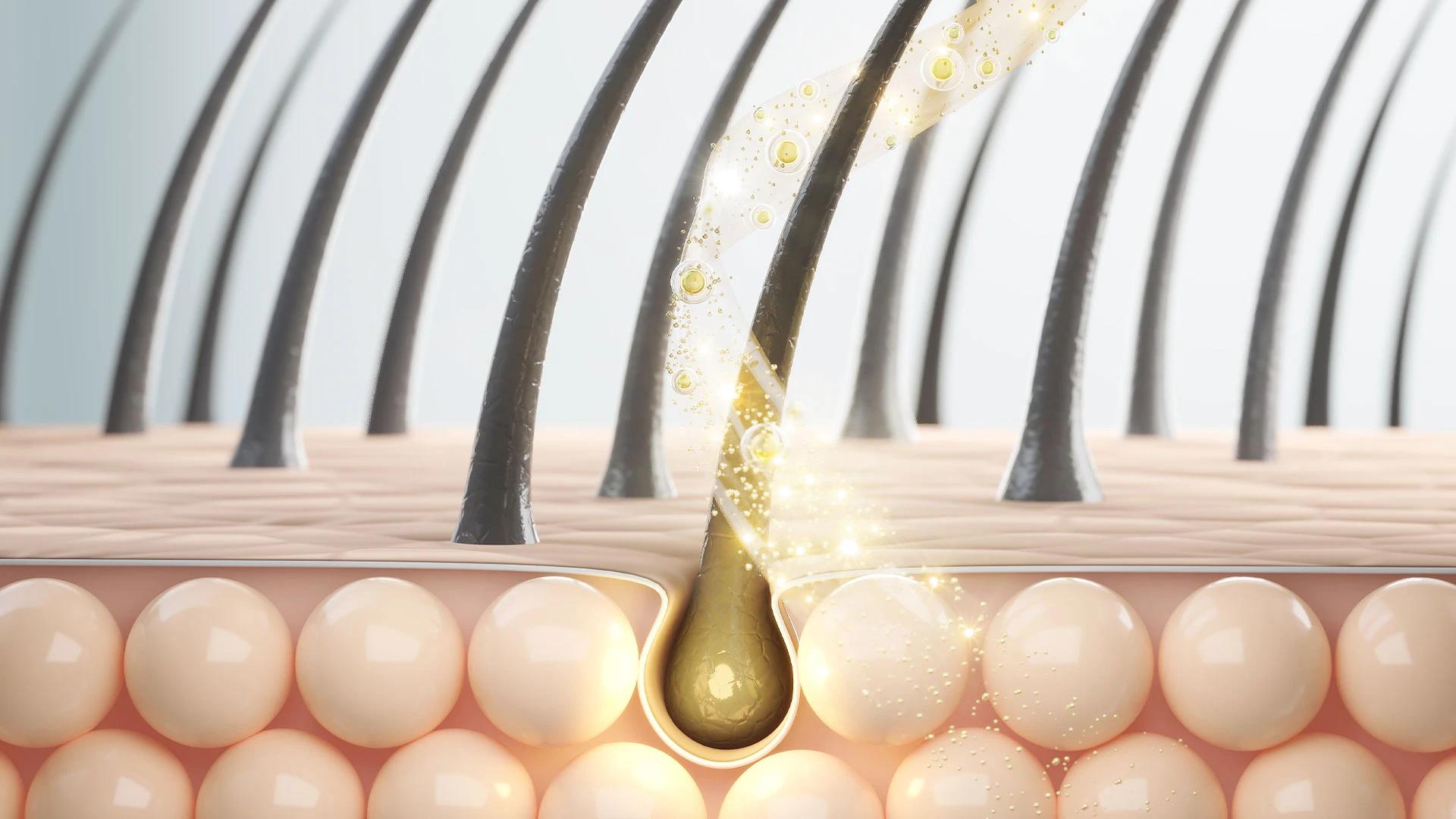
Your scalp isn't just skin with hair poking through—it's a complex ecosystem that directly impacts your hair follicle health. Think of each follicle as a tiny factory producing your hair. When the environment around these factories (your scalp) is compromised, production slows down or stops altogether.
The connection between scalp care and hair quality is pretty straightforward. A healthy scalp maintains proper oil production, keeps inflammation at bay, and ensures good blood circulation to nourish those follicles. When any of these elements are off, you'll notice—whether it's thinning hair, excessive shedding, or just hair that looks dull and lifeless.
Let's clear up some misconceptions. First, washing your hair daily won't damage your scalp if you're using the right products. Second, oily hair doesn't always mean you need to strip away all the oils—sometimes it's your scalp overcompensating for being too dry. And finally, expensive doesn't always mean better when it comes to scalp treatment products.
Your scalp has its own way of telling you when something's not right. Learning to read these signals early can save you from bigger problems down the line.
Red or pink patches usually signal irritation or inflammation. Flaky, white bits could be dandruff, but persistent, silvery scales might indicate scalp psoriasis. If your scalp looks shiny and feels greasy even after washing, you're dealing with excess oil production.
An itchy scalp is often the first sign something's off. It could be anything from product buildup to an allergic reaction. A dry scalp feels tight and uncomfortable, especially after washing. On the flip side, an oily scalp might feel heavy and look greasy within hours of washing.
Unusual odours, persistent itching that doesn't respond to gentle treatment, or any sudden changes in your scalp's appearance warrant attention. These could indicate infections or underlying conditions that need proper scalp treatment.
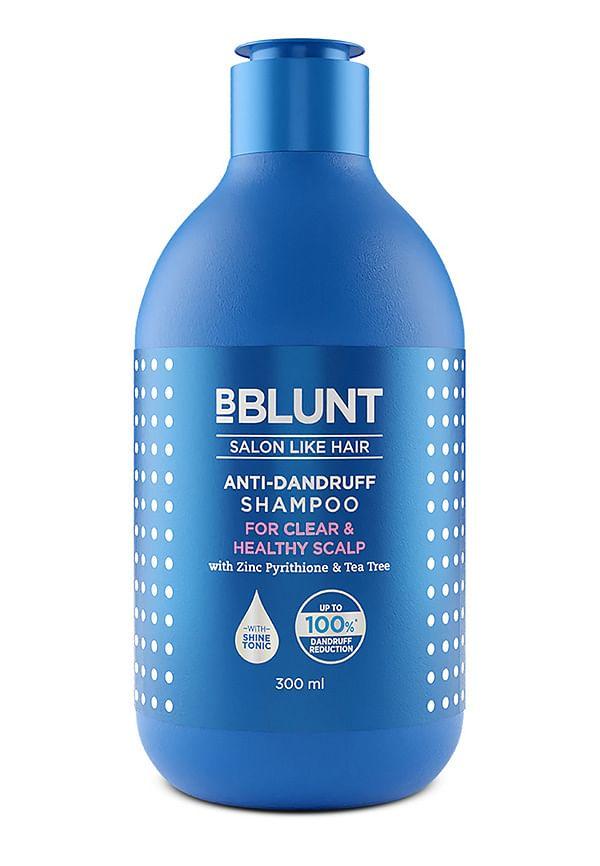 300 ml
Anti-Dandruff Shampoo For a Clear & Healthy Scalp
Consistency beats intensity when it comes to maintaining good scalp health. Small, daily actions add up to significant improvements over time.
How often you wash depends on your scalp type, not your hair type. Oily scalp types might need daily washing, whilst those with a dry scalp can go 2-3 days between washes. Focus the shampoo on your scalp, not the lengths of your hair. Massage gently with your fingertips—never your nails—to avoid irritation.
Look for sulphate-free formulas that won't strip your scalp. If you're dealing with specific issues like dandruff or sensitivity, targeted products can help. But remember, what works for your friend might not work for you—scalp care is highly individual.
Regular brushing distributes natural oils and prevents buildup, but technique matters. Start from the ends and work your way up to avoid pulling on your scalp. Clean your brush regularly—a dirty brush can reintroduce bacteria and buildup to your freshly washed scalp.
Sometimes the best solutions are the simplest ones. Natural approaches to maintaining good scalp health can be incredibly effective, especially for mild issues or as preventive care.
Tea tree oil mixed with a carrier oil can help with fungal issues and dandruff treatment. Aloe vera gel soothes irritated scalps, whilst apple cider vinegar (diluted, obviously) can help balance pH levels. Just remember to patch test everything first.
A good scalp massage does more than just feel amazing—it boosts blood circulation to your hair follicle health. Use your fingertips to apply gentle pressure in circular motions. Adding a few drops of essential oils like rosemary or peppermint can enhance the benefits. Aim for 5-10 minutes, a few times a week.
Just like your face, your scalp benefits from gentle exfoliation to remove dead skin cells and product buildup. You can use a soft-bristled brush or make a gentle scrub with brown sugar and olive oil. Once a week is plenty—overdoing it can cause irritation.
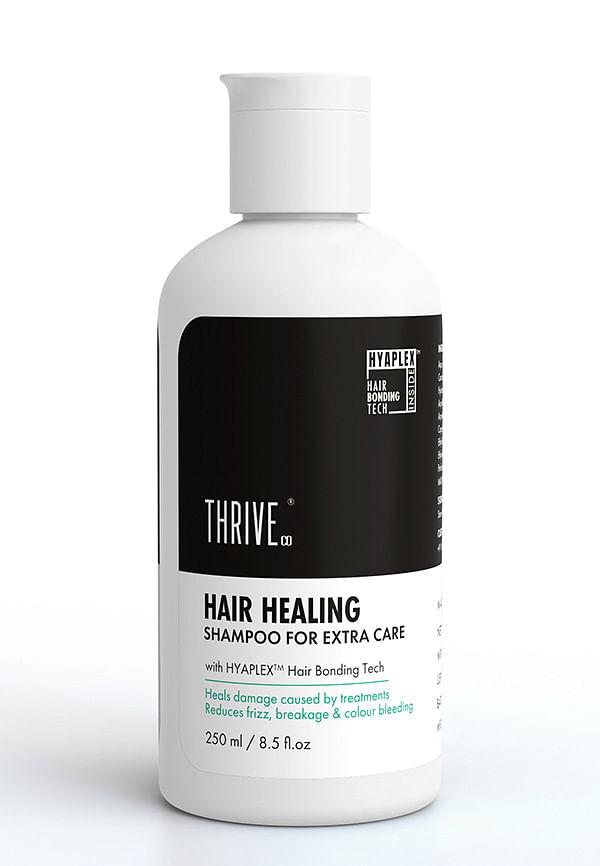 250 ml
Healing Hair Shampoo
Sometimes DIY approaches aren't enough, and that's perfectly fine. Knowing when to seek professional help can save you time, money, and frustration.
If you've tried gentle approaches for a few weeks without improvement, it might be time for professional dandruff treatment or other medical interventions. Conditions like scalp psoriasis often require prescription treatments that you can't get over the counter.
Dermatologists and trichologists can perform detailed scalp analysis using specialised equipment. They might recommend treatments like light therapy, prescription-strength products, or in-office procedures that aren't available for home use.
Your scalp health isn't just about what you put on it—it's also influenced by what you put in your body and how you live your life.
Omega-3 fatty acids, zinc, and biotin all support hair follicle health. Iron deficiency can lead to hair loss, whilst too much vitamin A can actually cause hair problems. A balanced diet with plenty of fruits, vegetables, and lean proteins usually covers your bases.
UV rays can damage your scalp just like they damage your skin. If you're spending time outdoors, consider a hat or UV-protective hair products. Heat styling tools can also stress your scalp, so use heat protectants and give your hair regular breaks from styling.
Chronic stress can trigger scalp issues like dandruff or even hair loss. Quality sleep helps your body repair and regenerate, including your scalp tissue. Silk or satin pillowcases can reduce friction and help maintain moisture levels.
When it comes to finding the right products for your scalp care routine, Smytten makes it easier to discover what works for you. With trial packs from trusted haircare brands, you can test different formulations without committing to full-size products. This approach is particularly helpful for scalp care, where finding the right match for your specific needs often requires some experimentation.
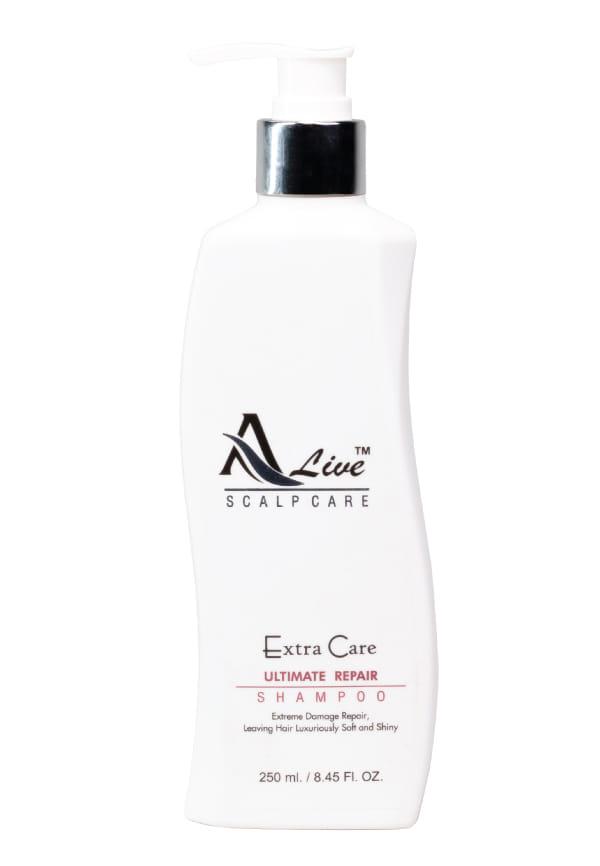 250 ml
Scalp Care Plus Shampoo
It depends on your scalp type. Those with an oily scalp might need daily washing, whilst people with a dry scalp can wash every 2-3 days. Listen to your scalp—if it feels greasy or itchy, it's time to wash.
A dry scalp produces small, white flakes and feels tight or itchy. Dandruff typically involves larger, yellowish flakes and is often caused by a fungal overgrowth. Dandruff treatment usually requires antifungal ingredients like zinc pyrithione or ketoconazole.
Some gentle face products can work for scalp issues, but be cautious. The scalp has hair follicles and different pH needs than facial skin. It's better to use products specifically formulated for scalp treatment.
Most people notice changes within 2-4 weeks of consistent scalp care. However, conditions like scalp psoriasis or severe dandruff might take longer to improve and may require professional treatment.
Yes, scalp massage can improve blood circulation, which supports hair follicle health. It also helps distribute natural oils and can be relaxing, which may help with stress-related scalp issues.
Maintaining good scalp health isn't complicated, but it does require consistency and attention to what your scalp is telling you. Whether you're dealing with an itchy scalp, managing scalp psoriasis, or simply want to prevent future issues, the key is finding the right routine for your specific needs.
Remember, your scalp is unique, and what works for others might not work for you. That's where platforms like Smytten become invaluable—offering you the chance to try different products and approaches without the commitment of full-size purchases. With access to trial packs from over 1,500 trusted brands, you can experiment with various scalp care solutions until you find your perfect match.
The journey to a healthy scalp is worth the effort. Not only will you likely see improvements in your hair's appearance and texture, but you'll also feel more confident knowing you're taking proper care of the foundation of your hair health. Start with the basics—gentle cleansing, regular scalp massage, and paying attention to how your scalp responds to different products and treatments. Your future self (and your hair) will thank you for it.
