How to Identify Severe Hair Loss Causes Fast

 150 ml
Anti-Hairfall Oil
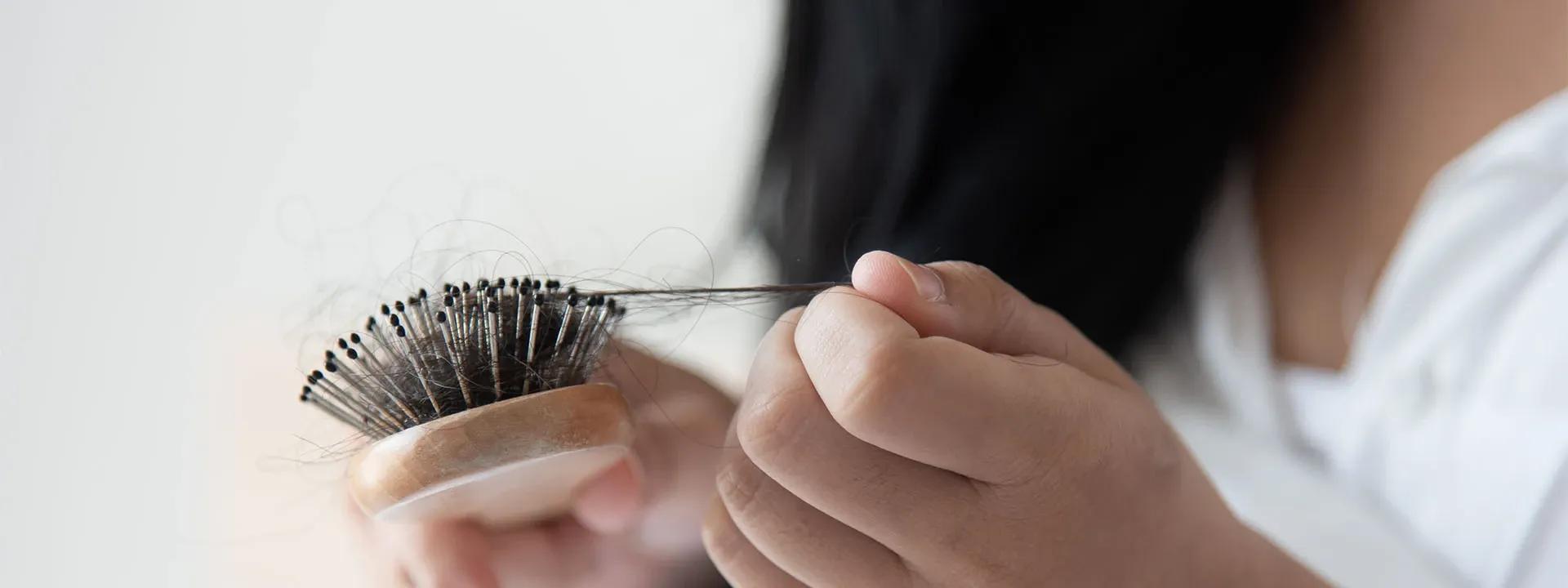
Noticing more hair in your brush than usual? Finding clumps in the shower drain that weren't there before? Real talk—severe hair loss can feel overwhelming, especially when you're not sure what's causing it. The good news is that identifying the causes of severe hair loss doesn't have to be a guessing game. With the right knowledge and quick assessment techniques, you can pinpoint potential triggers and take action fast. Let's dive into the most common culprits behind dramatic hair fall and how to spot them early.
First things first—not all hair loss is created equal. Your hair naturally goes through cycles, and losing 50-100 strands daily is completely normal. But when should you actually worry? Severe hair loss typically shows up as noticeable thinning, bald patches, or losing significantly more hair than usual over a short period.
Here are the warning signs that suggest you're dealing with more than typical hair shedding factors:
Losing more than 100 hairs daily for several weeks
Visible scalp showing through your hair
Sudden onset of hair fall after a specific event
Patchy bald spots appearing
Hair breaking off rather than falling from the root
Quick visual check: Take a photo of your hairline and crown area monthly. Compare these over time to track any changes. If you notice significant differences within 2-3 months, it's worth investigating the hair loss causes more deeply.
Understanding the main triggers behind severe hair loss can help you identify what might be affecting your locks. Let's break down the most common culprits that could be behind your hair concerns.
This is the most common cause of hair loss, affecting both men and women. If your parents or grandparents experienced hair thinning, there's a good chance genetics play a role in your situation.
Look for these patterns: men typically see receding hairlines and crown thinning, whilst women often experience overall thinning, especially at the crown. The key indicator? Gradual progression over months or years, usually starting in your 20s or 30s.
Hormones can wreak havoc on your hair growth cycle. These are some of the most significant reasons for hair thinning that many people overlook.
Thyroid disorders are major culprits—both overactive and underactive thyroid can cause diffuse hair loss. PCOS affects many women and can lead to male-pattern baldness due to elevated androgen levels. Pregnancy and postpartum periods often trigger temporary but dramatic hair loss, whilst menopause brings its own set of hair challenges due to declining oestrogen levels.
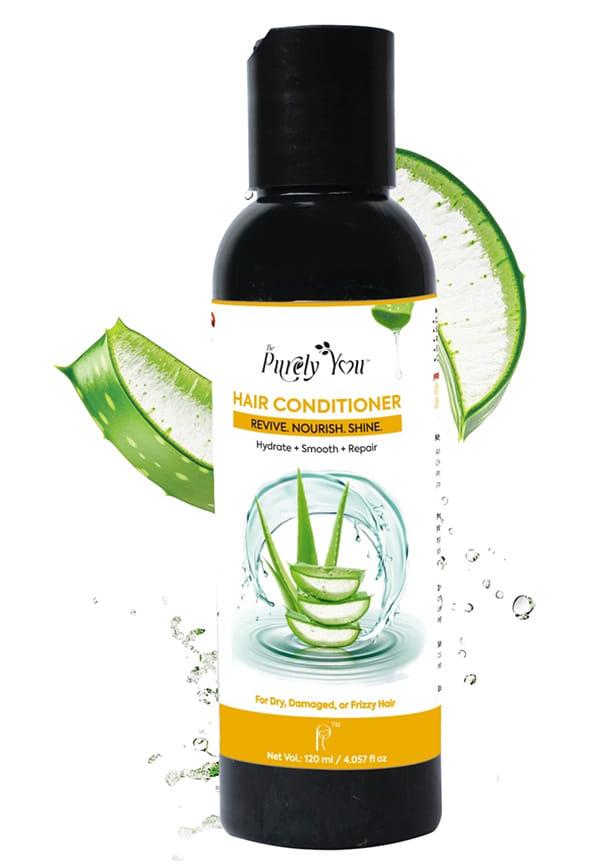 120 ml
Nourishing Hair Conditioner
Sometimes your immune system turns against your hair follicles. Alopecia triggers can include autoimmune conditions like alopecia areata, which causes round patches of hair loss.
Scalp infections, chronic illnesses, and inflammatory conditions can also disrupt normal hair growth. These types of hair loss often require medical intervention to address the underlying condition.
Your hair is essentially a reflection of your internal health. When your body lacks essential nutrients, your hair is often the first to show signs of distress. Nutritional deficiencies are surprisingly common factors affecting hair growth that can be relatively easy to fix once identified.
Iron deficiency is one of the top nutritional causes of hair loss, especially in women. Low iron levels can trigger diffuse hair thinning that mimics genetic hair loss.
Vitamin D insufficiency has been linked to alopecia areata and general hair thinning. Biotin and B-vitamin complex deficiencies can weaken hair structure, leading to breakage and poor growth. Protein malnutrition affects hair quality since hair is primarily made of protein.
Request blood tests for ferritin, vitamin D, B12, and thyroid function. Keep a food diary for a week to assess your protein and nutrient intake.
Look for other symptoms: fatigue and pale skin might indicate iron deficiency, whilst muscle weakness could suggest vitamin D issues. These signs, combined with hair loss, often point to nutritional gaps.
Stress is one of the most overlooked hair fall causes, but it's incredibly common. Telogen effluvium occurs when stress pushes hair follicles into a resting phase, causing widespread hair shedding 2-3 months after the triggering event.
Physical stressors include major surgery, severe illness, high fever, or significant weight loss. Emotional stress from life changes, work pressure, or trauma can be equally damaging. Certain medications, particularly blood thinners, antidepressants, and chemotherapy drugs, can trigger this type of hair loss.
 50 ml
50 mlHair Fall Control Scalp Treatment
Environmental factors like exposure to harsh chemicals or extreme weather conditions can also stress your hair follicles. The good news? This type of hair loss is usually temporary and reversible once the stressor is removed.
Sometimes the baldness reasons are hiding in plain sight—in your daily routine. Your haircare habits and environment play a bigger role than you might think in hair health.
Excessive heat styling can damage hair cuticles and weaken strands. Daily use of straighteners, curling irons, or blow dryers on high heat settings can cause breakage that looks like hair loss.
Chemical treatments like perms, relaxers, and frequent colouring can damage hair follicles. Tight hairstyles—think tight ponytails, braids, or buns—can cause traction alopecia, where constant pulling damages the hair root.
Air pollution, especially in urban areas, can clog hair follicles and affect growth. Harsh ingredients in shampoos and styling products can irritate the scalp.
Occupational hazards like exposure to chemicals, radiation, or extreme temperatures can also impact hair health. These factors affecting hair growth are often overlooked but can be significant contributors to hair loss.
You don't need expensive tests to start identifying potential causes. These simple at-home methods can give you valuable insights into your hair loss pattern and help guide your next steps.
The pull test is simple: gently grasp about 60 hairs between your thumb and forefinger, then pull slowly but firmly. If more than 6 hairs come out, you might be experiencing excessive shedding.
Track your daily hair count for a week. Collect hair from your brush, pillow, and shower drain. Normal shedding should stay under 100 hairs daily. Take monthly photos of your hairline, crown, and part to document any changes over time.
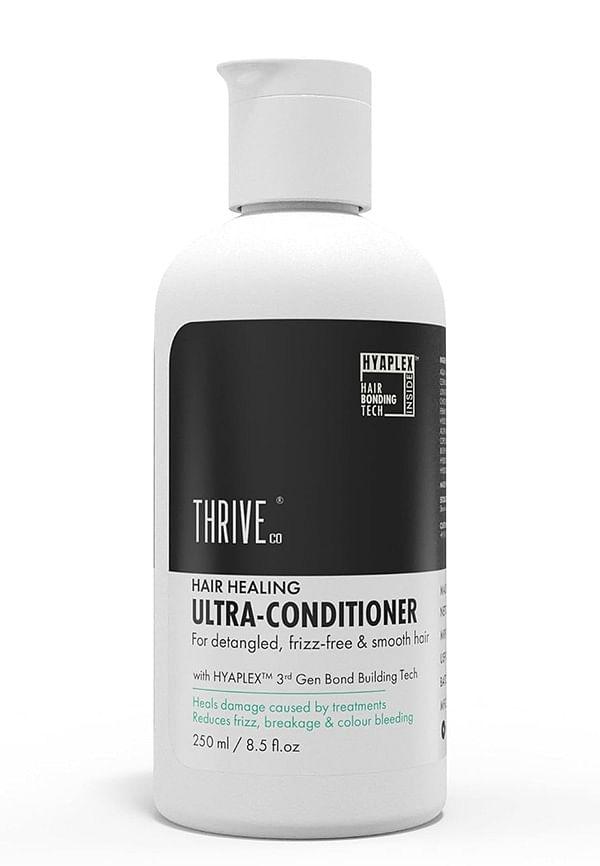 250 ml
Hair Healing Conditioner
See a dermatologist if you notice sudden hair loss, patchy bald spots, or if hair loss affects your confidence. Trichoscopy can reveal miniaturised hairs and scalp conditions not visible to the naked eye.
Blood work should include complete blood count, ferritin, vitamin D, thyroid function, and hormone levels. These tests can reveal many underlying hair loss causes that aren't immediately obvious.
When exploring solutions, platforms like Smytten make it easier to try different haircare products without committing to full sizes. With curated trial packs from trusted brands, you can discover what works for your specific hair concerns before making larger investments in your hair loss prevention routine.
While there's no instant fix, you can minimise further damage by being gentle with your hair, avoiding heat styling, eating protein-rich foods, and managing stress. For immediate professional help, consult a dermatologist who might recommend treatments like minoxidil or corticosteroid injections for specific conditions.
Iron, vitamin D, biotin, and B-complex vitamins are crucial for hair health. However, only supplement if you have confirmed deficiencies through blood tests. A balanced diet with adequate protein is often more beneficial than random supplementation.
Androgens, particularly DHT (dihydrotestosterone), are the main culprits in female pattern hair loss. Elevated testosterone levels from PCOS can also trigger hair thinning. Additionally, declining oestrogen during menopause can unmask genetic hair loss patterns.
Focus on gentle haircare routines, stress management through exercise or meditation, and a nutrient-rich diet. Avoid tight hairstyles, reduce heat styling, and consider scalp massage to improve circulation. These haircare tips for hair loss can help support your hair's natural growth cycle.
Identifying causes of severe hair loss quickly comes down to understanding the difference between normal shedding and concerning patterns. Whether it's genetics, hormones, nutrition, stress, or lifestyle factors, most hair loss causes can be pinpointed with careful observation and the right tests.
Remember, early identification leads to better outcomes. Don't wait months to address concerning hair loss—the sooner you identify and tackle the underlying cause, the better your chances of maintaining healthy hair. And when you're ready to explore haircare solutions, Smytten's trial platform lets you discover products from over 1,500 trusted brands without the commitment, making it easier to find what truly works for your unique hair needs. After all, why settle for 'maybe' when you can try it all and find your perfect match?
