How to Identify Common Hair Damage Reasons Fast

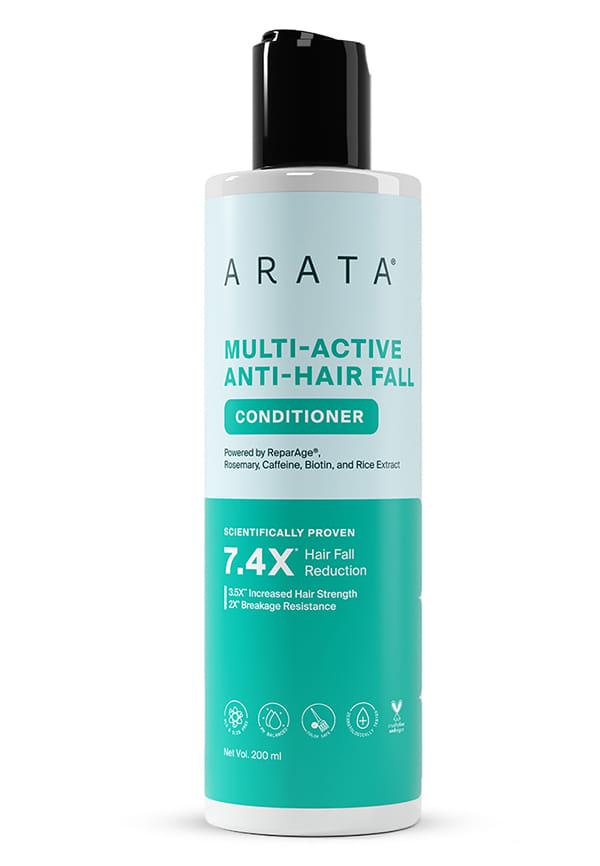 200 ml
Anti-Hair Fall Conditioner for Breakage and Split-Ends Reduction
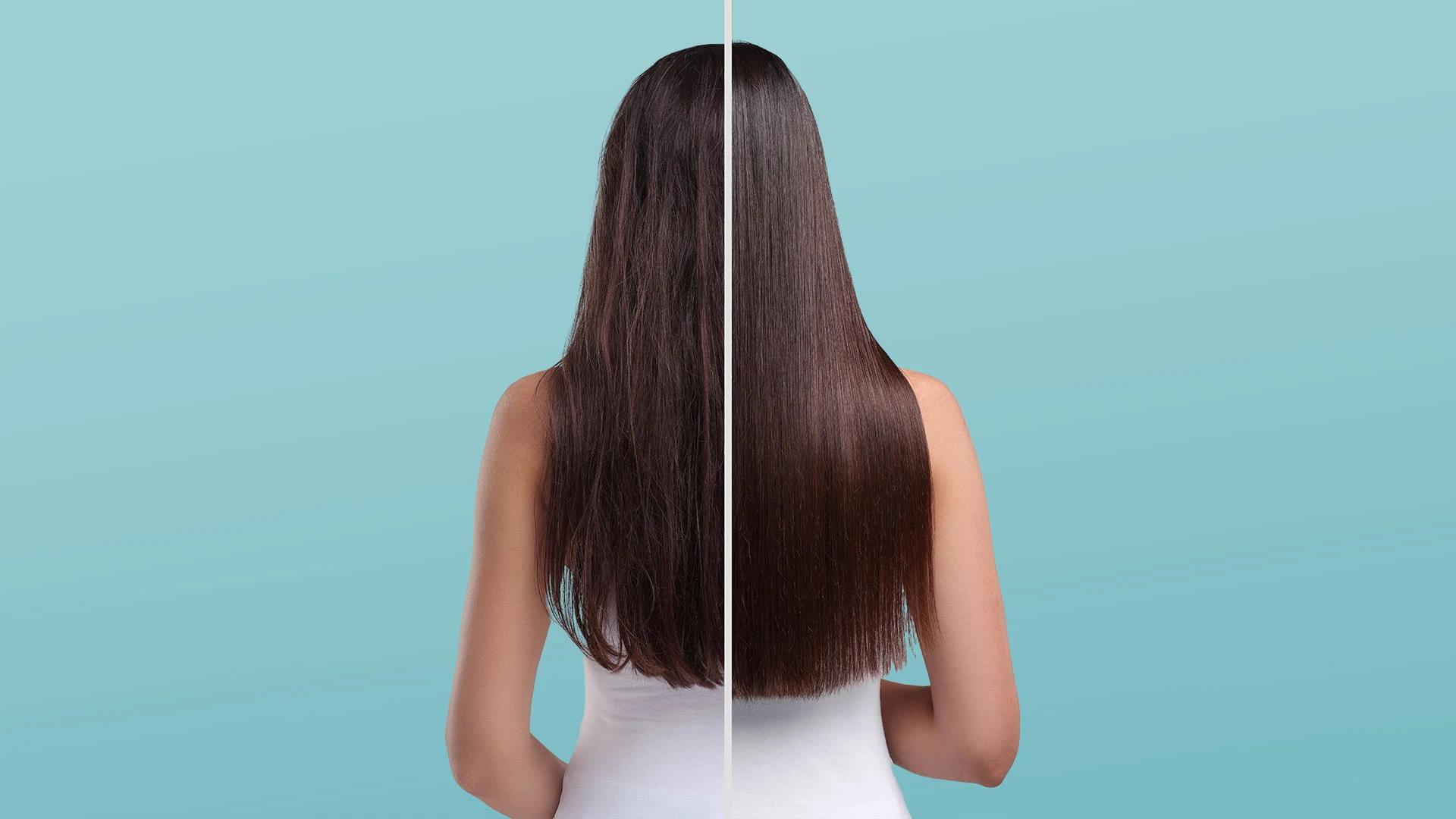
Your hair is basically screaming for help, but are you listening? Those split ends, that sudden brittleness, or the way your hair feels like straw after washing—these aren't just bad hair days. They're your hair's way of telling you something's gone wrong. The thing is, most of us only notice common hair damage reasons when the damage is already pretty advanced. But what if you could spot the warning signs early and actually do something about it? Let's dive into the telltale signs that your hair needs some serious TLC, and more importantly, how to identify what's causing the chaos in the first place.
Real talk—hair damage doesn't happen overnight, but the signs can sneak up on you faster than you'd think. The most common hair damage reasons usually fall into a few key categories that we'll break down properly. But first, let's get you equipped with a quick damage detection toolkit.
Your hair gives you loads of clues about its health, and once you know what to look for, spotting trouble becomes second nature. The signs of hair damage range from the obvious (hello, split ends) to the more subtle changes in texture and behaviour.
Start with what you can see. Split ends are the most obvious red flag—those frayed, fork-like tips that make your hair look messy no matter how you style it. But there's more to watch for:
Dullness that no amount of shine spray can fix
Uneven texture where some sections feel rougher than others
Colour that looks faded or patchy
Hair that tangles easily and stays tangled
Visible thinning or gaps in your usual hair density
Run your fingers through your hair—what does it feel like? Healthy hair should feel smooth and have some bounce to it. If you're noticing roughness, brittleness, or that your hair snaps easily when you stretch it, you're dealing with hair weakness that needs addressing.
Let's be honest—most of us are guilty of cranking up the heat on our styling tools. But here's the thing: temperatures above 180°C (350°F) start causing serious damage to your hair's protein structure. And if you're using heat daily without proper protection, you're basically cooking your hair.
Hair breakage from heat styling has some pretty specific characteristics. Unlike other types of damage, heat damage often shows up as:
Hair that feels gummy or stretchy when wet
Ends that curl or bend in weird directions
A burnt smell that lingers even after washing
Sudden increase in frizzy hair that won't smooth down
The scary part about heat damage is how it builds up over time. You might not notice it immediately, but months of high-heat styling can lead to:
Hair that won't hold curls or styles anymore
Increased porosity that makes your hair drink up products but still feel dry
Colour that fades faster than it should
Overall hair weakness that makes styling a nightmare
Chemical treatments—whether it's colouring, bleaching, perming, or relaxing—are some of the biggest hair damage causes out there. The thing about chemical damage is that it's often irreversible, which makes early detection absolutely crucial.
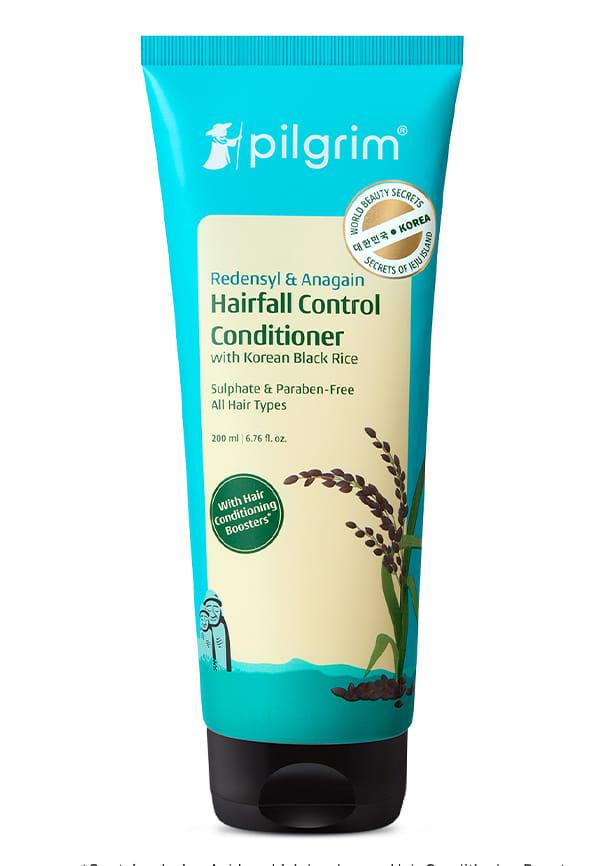 200 ml
Redensyl & Anagain Conditioner Prevents Hair Breakage|Increases Hair Thickness
Each chemical process affects your hair differently, but they all work by breaking down your hair's natural structure. This is why damaged hair repair from chemical processing often requires a completely different approach than fixing heat damage.
Bleaching is probably the most aggressive thing you can do to your hair. It strips away your hair's natural pigment and moisture, leaving it vulnerable and weak. Signs of bleach damage include:
Hair that feels like cotton or straw
Extreme dry hair that no conditioner seems to fix
Breakage that happens just from gentle brushing
Uneven porosity where some sections absorb products differently
Chemical relaxers and perms work by breaking and reforming the bonds in your hair. When this goes wrong, you're left with seriously compromised hair structure. Watch out for:
Hair that snaps at the slightest tension
Scalp irritation or chemical burns
Patches where hair has broken off completely
Hair that won't return to its natural texture
Sometimes the biggest hair damage causes are the ones we don't even think about. Your environment and daily habits play a massive role in your hair's health, and these factors often work together to create the perfect storm for damage.
UV radiation from the sun doesn't just damage your skin—it's also breaking down your hair's protein structure and fading your colour. If you spend a lot of time outdoors without protecting your hair, you'll start noticing dry hair that feels brittle and looks dull.
Hard water is a silent hair killer. The minerals in hard water build up on your hair shaft, making it feel rough and look dull. Over time, this buildup can make your hair more prone to breakage and can even affect how well your products work.
City living comes with its own set of hair challenges. Air pollution creates a film on your hair that can clog your follicles and make your hair look lifeless. Chlorine from swimming pools is another major culprit—it strips your hair's natural oils and can even cause colour changes.
This might surprise you, but some of the most common hair damage causes come from things you do every single day without thinking about it. Hair breakage from mechanical damage is often the easiest to prevent once you know what to look for.
The way you brush your hair, how you sleep, even the hair ties you use—all of these can contribute to damage over time. The tricky thing about mechanical damage is that it happens gradually, so you might not notice it until the damage is already pretty significant.
Brushing wet hair is one of the biggest mistakes people make. When your hair is wet, it's at its most vulnerable state. The hair shaft swells with water, making it stretchy and prone to snapping. Signs you're brushing wrong include:
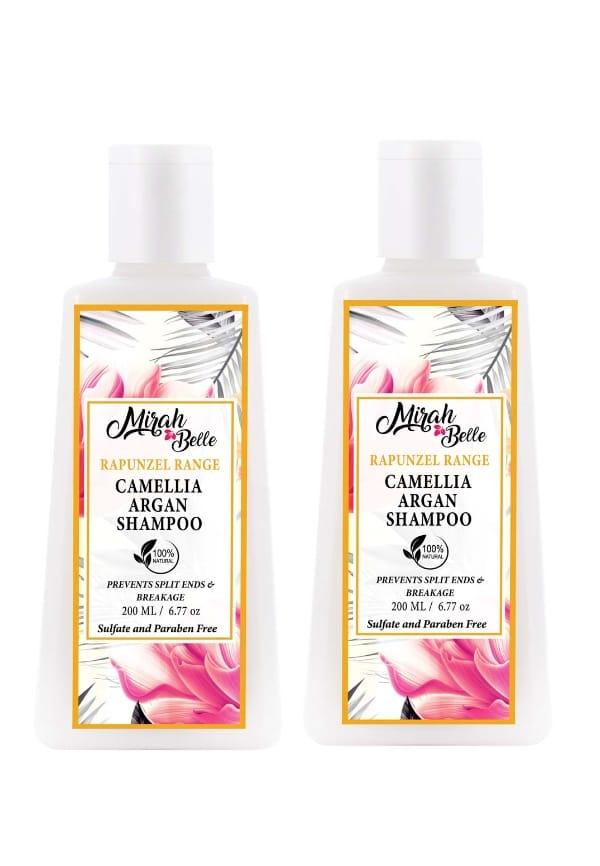 Pack of 2
Organic & Natural - Camellia Argan Shampoo - Frizzy Hair, Breakage & Split Ends
Hair in your brush that seems excessive
Short broken pieces mixed in with longer strands
Split ends that seem to multiply no matter how often you trim
That sleek ponytail or tight bun might look great, but it could be causing hair thinning around your hairline. Traction alopecia is real, and it starts with small signs like:
Tender spots on your scalp after taking down styles
Baby hairs that seem to be getting shorter
Receding hairline or widening part
Want to know exactly what you're dealing with? These quick tests can help you assess your hair's condition and figure out what type of damaged hair repair you need. The best part is that you can do all of these at home with stuff you probably already have.
Understanding your hair's current state is the first step in creating an effective repair plan. These tests will help you identify not just that there's damage, but what kind of damage you're dealing with.
Take a single strand of hair and gently stretch it. Healthy hair should stretch about 30% of its length before breaking. If it snaps immediately, you're dealing with severe damage. If it stretches too much without bouncing back, your hair's protein structure is compromised.
Drop a clean strand of hair into a glass of water. If it sinks quickly, your hair has high porosity (often from damage). If it floats for a while before sinking, you have normal porosity. If it stays floating, your hair has low porosity.
Look at your hair in natural light. Healthy hair reflects light evenly, creating a natural shine. If your hair looks dull or has uneven shine patterns, you're likely dealing with cuticle damage that's affecting how light bounces off your hair.
Found damage? Don't panic. While some types of hair damage can't be completely reversed, there's still plenty you can do to improve your hair's condition and prevent further damage. The key is acting fast and choosing the right approach for your specific type of damage.
Damaged hair repair isn't a one-size-fits-all situation. What works for heat damage might not work for chemical damage, and mechanical damage often requires a completely different approach. Here's how to create an emergency action plan based on what you've discovered.
First things first—stop doing whatever caused the damage. If it's heat styling, give your tools a break. If it's tight hairstyles, switch to looser styles. If it's harsh brushing, invest in a better brush and change your technique.
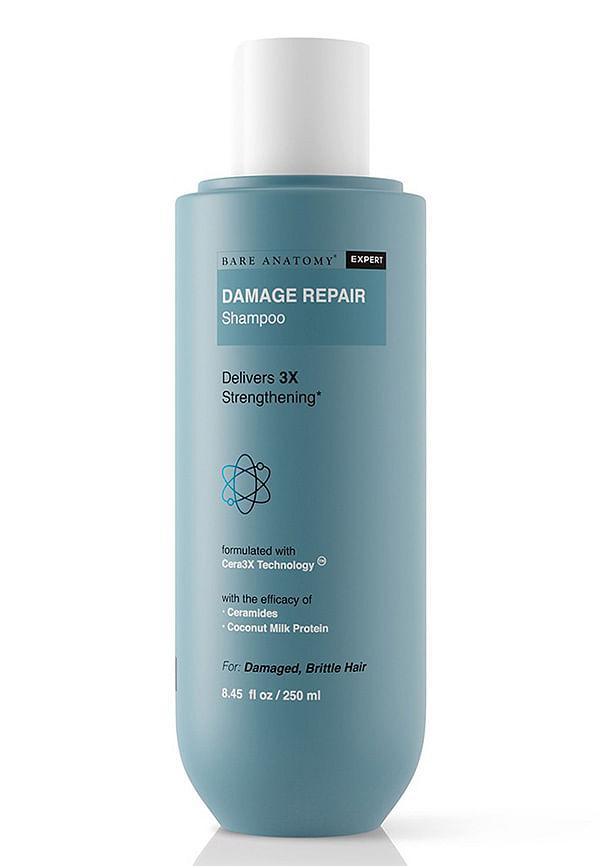 250 ml
Expert Damage Repair Shampoo To Repair And Strengthen Up To 3X
This is the big question, isn't it? Split ends and severely damaged ends need to be cut off—there's no product that can truly repair them. But if the damage is more about dryness, brittleness, or loss of elasticity, you might be able to improve things with the right treatments.
Discovering the right products for your specific hair damage can feel overwhelming, especially when you're not sure what will actually work. This is where platforms like Smytten become incredibly valuable. With over 1,500 trusted haircare brands available in trial sizes, you can test different repair treatments without committing to full-size products that might not work for your hair type. Whether you're dealing with heat damage, chemical processing effects, or environmental stress, being able to try products from brands like Love, Beauty & Planet or other professional haircare lines for just ₹249 means you can find your perfect repair routine without the guesswork.
Hair damage can happen in a single session with high heat or harsh chemicals, but most damage builds up over weeks or months of repeated stress. Heat damage from one blow-dry session at maximum temperature can cause immediate harm, while environmental damage typically accumulates gradually.
Unfortunately, severely damaged hair cannot be completely restored to its original state. Hair is essentially dead tissue, so once the structure is compromised, the best approach is to improve its condition, prevent further damage, and gradually trim away the damaged portions as healthy hair grows.
Naturally dry hair lacks moisture but maintains its structural integrity, while damaged hair has compromised cuticles and protein structure. Dry hair typically responds well to moisturising treatments, whereas damaged hair needs protein reconstruction and often shows signs like elasticity loss and breakage.
Check your hair weekly for new damage, especially if you use heat styling tools or chemical treatments regularly. Monthly deep assessments using the tests mentioned above can help you catch problems early and adjust your routine accordingly.
Not necessarily. The effectiveness of hair treatments depends more on the ingredients and how well they match your specific damage type rather than the price point. Sometimes drugstore products work just as well as salon treatments, which is why trying products before committing to full sizes makes so much sense.
While you can't prevent all damage (environmental factors are unavoidable), you can significantly reduce it through proper techniques, protective products, and gentle handling. The key is understanding your hair's vulnerabilities and adjusting your routine accordingly.
Identifying common hair damage reasons early is your best defence against serious hair problems. Whether you're dealing with heat damage, chemical processing effects, or environmental stress, catching the signs early means you can take action before the damage becomes irreversible.
Remember, healthy hair isn't about having perfect hair—it's about understanding what your hair needs and giving it the right care. Sometimes that means trying different products until you find what works, and sometimes it means making hard choices like cutting off damaged ends or giving up certain styling habits.
The good news is that with the right approach and a bit of patience, most hair can be improved significantly. Focus on prevention moving forward, be gentle with your hair, and don't be afraid to experiment with different repair treatments until you find your perfect routine. Your hair will thank you for it.
