How to Identify Causes of Scalp Irritation Fast

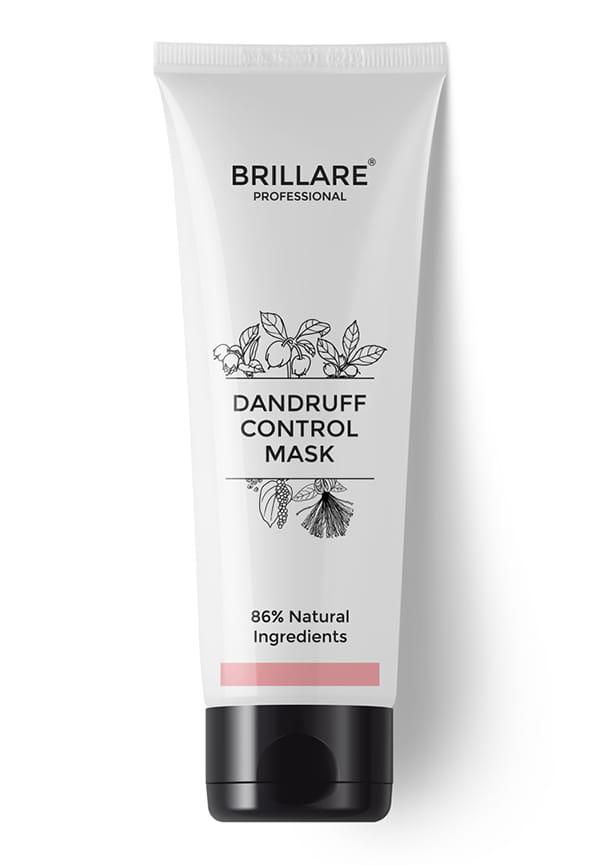 125 gm
Conditioner For Itchy, Flaky Scalp
That annoying itch that just won't quit? We've all been there. One minute your scalp feels fine, the next it's driving you absolutely mental with constant scratching. The thing is, identifying the causes of scalp irritation doesn't have to be a guessing game that drags on for weeks. With the right approach, you can pinpoint what's bothering your scalp pretty quickly and get back to having hair days that don't involve constant head scratching. Let's dive into how you can become your own scalp detective and sort this out fast.
Before you can tackle the problem, you need to know what you're dealing with. Scalp irritation shows up in different ways, and recognising these signs early can save you loads of time and discomfort. The most obvious sign is that persistent itchy scalp that makes you want to scratch constantly. But there's more to watch for. You might notice scalp redness, especially around your hairline or behind your ears. Sometimes your scalp feels tight or burning, like you've spent too long in the sun. Then there's the flaky scalp situation – those annoying white or yellowish bits that show up on your shoulders.
Scalp sensitivity usually feels more like tenderness when you touch your head or brush your hair. It's that "ouch" feeling when something that normally doesn't bother you suddenly does. Scalp inflammation, on the other hand, is your body's way of saying something's seriously wrong. You'll see visible redness, swelling, and sometimes even bumps or sores.
Pay attention to where the irritation hits hardest. The hairline often gets the worst of it because that's where products sit longest. The crown of your head and the area behind your ears are also hotspots for various scalp conditions. If you're noticing issues at the nape of your neck, it might be related to how you sleep or what you're wearing.
Now for the detective work. Each cause has its own signature, so once you know what to look for, identification becomes much easier.
This is probably the most common culprit behind an itchy scalp. You'll spot yellowish or white flakes that are often oily to the touch. Unlike dry scalp flakes, these tend to be larger and stick to your hair a bit. The scalp redness usually comes with patches that look slightly inflamed, and you might notice the flaking is worse in areas where you have more hair. The trigger here is usually a fungus called Malassezia that loves oily environments. If your scalp tends to get greasy quickly, this could be your answer.
This one's sneaky because the reaction doesn't always happen immediately. You might use a new shampoo or hair dye and feel fine for days before the scalp irritation kicks in. Look for reactions that seem to follow product use patterns. Common troublemakers include sulphates in shampoos, parabens in conditioners, and pretty much any hair dye or bleach. Even that lovely new fragrance in your styling product could be the villain. The key here is timing – did you start a new product recently?
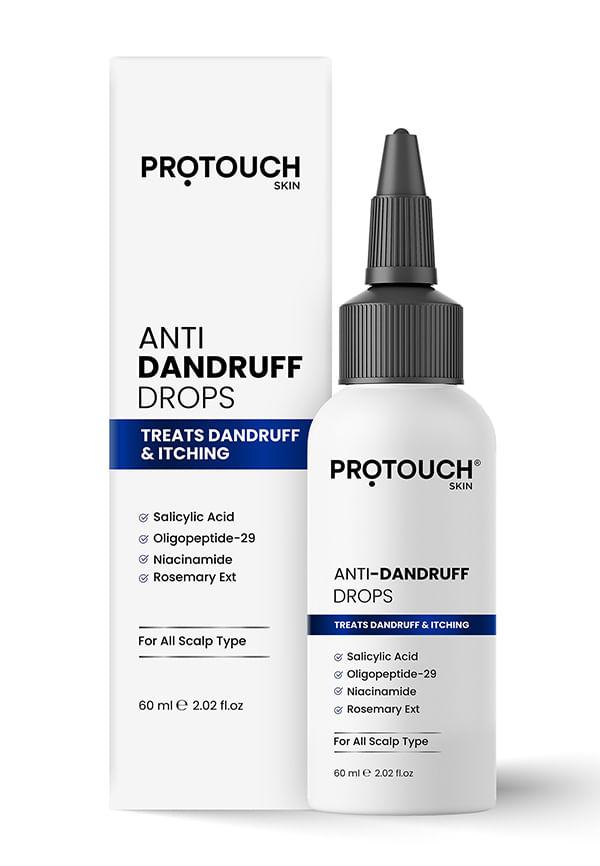 60 ml
60 mlSKIN Anti Dandruff Drops Serum Soothes Itchy, Inflamed Scalp
This is different from dandruff, though people often mix them up. With dry scalp causes, you'll see small, white flakes that feel dry and powdery. Your scalp might feel tight, especially after washing, and the scalp sensitivity gets worse in cold weather or heated rooms. Unlike dandruff, these flakes don't stick to your hair and they're usually smaller. You might also notice your hair feels drier overall, not just your scalp.
Nobody wants to think about this one, but it happens. Folliculitis shows up as small, red bumps that might have white or yellow centres. They're often tender to touch and can be scattered across your scalp. Head lice are more common than you'd think, especially if you've been around kids recently. The itching is usually intense and focused behind the ears and at the nape of the neck. You might spot tiny white or brown specks attached to hair strands. Fungal infections like ringworm create circular patches where hair might be breaking off or missing entirely. These areas often have raised, scaly edges.
Sometimes scalp conditions are part of bigger skin issues. Psoriasis creates thick, silvery scales that are quite different from regular dandruff. These patches are usually well-defined and can be quite thick. Eczema on the scalp tends to be weepy and extremely itchy. The skin might look raw or inflamed, and scratching often makes it worse. Both conditions can cause significant scalp inflammation and need proper treatment.
Your mind and scalp are more connected than you might think. High stress levels can trigger scalp sensitivity and make existing conditions worse. You might notice the itching gets worse during stressful periods or at night when you're trying to wind down. Stress affects your hormone levels, which can change how much oil your scalp produces and how sensitive your skin becomes.
Sometimes the simplest explanation is the right one. Not washing enough lets oils, dead skin, and product residue build up, creating the perfect environment for irritation. But washing too much can strip your scalp's natural oils, leading to dry scalp causes and sensitivity. Look for a greasy feeling that doesn't go away even after washing, or conversely, a scalp that feels tight and dry all the time.
Now that you know what to look for, here's how to systematically figure out what's going on with your scalp.
Grab a good mirror and take a proper look. Use your phone's torch or a magnifying mirror if you have one. Look at the type of flakes you're seeing – are they oily or dry? Small or large? Check the colour of your scalp – is it red, pink, or normal? Notice any bumps, sores, or unusual patches. Taking photos can actually be really helpful here. It's hard to remember exactly what things looked like a few days ago, but photos don't lie.
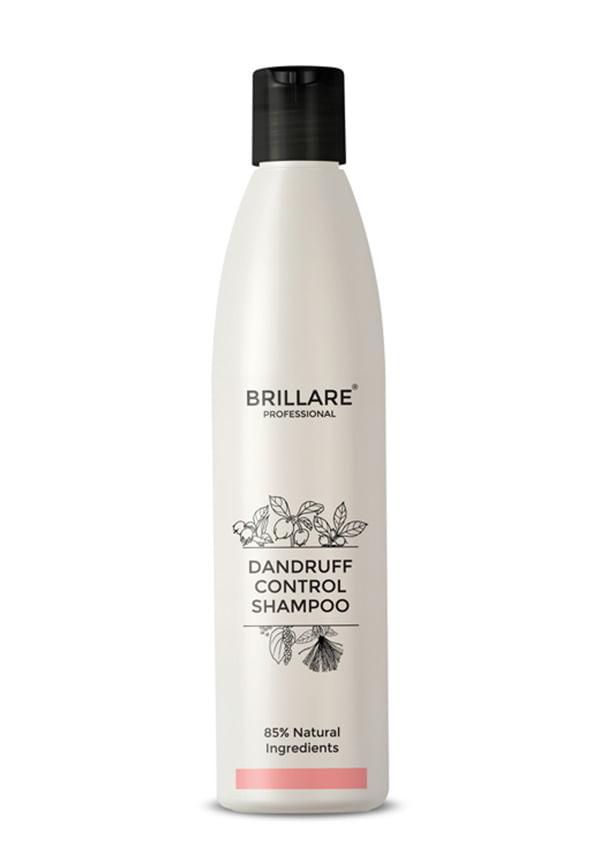 300 ml
Dandruff Control Shampoo For Itchy, Flaky Scalp
Think about when the itchy scalp is worst. Is it after washing? At night? During stressful periods? Seasonal patterns can be telling too – worse in winter might point to dry scalp causes, while summer flare-ups could suggest fungal issues. Consider what's changed recently. New products, different water (if you've moved), changes in diet, stress levels, or even new pillowcases can all be triggers.
This is where you become a proper detective. Strip back to the most basic routine possible – a gentle, fragrance-free shampoo and nothing else for a week. If things improve, you know it was likely a product causing the issue. If the basic routine doesn't help, consider other factors like stress, diet changes, or environmental triggers. Give each test at least 48 hours to see results.
While you're playing detective, you don't have to suffer through the discomfort. There are several ways to get scalp irritation relief that won't interfere with your investigation. Cool water rinses can provide instant relief from itching and scalp inflammation. The cold helps numb the area and reduces blood flow to inflamed skin. Just rinse with cool water for a minute or two when the itching gets bad. Gentle scalp massage with your fingertips (not nails!) can help improve circulation and provide relief. Use light, circular motions and avoid scratching, which only makes things worse. Natural remedies can be surprisingly effective. Aloe vera gel straight from the plant or a pure gel can soothe irritated skin. A few drops of tea tree oil mixed with a carrier oil like coconut oil can help with fungal issues, but test it on a small area first. For more stubborn cases, medicated shampoos with zinc pyrithione or selenium sulphide can help. These are available over the counter and can tackle both dandruff and some fungal issues. What you avoid is just as important as what you do. Skip hot water, harsh scrubbing, and definitely don't scratch, even though it's tempting. Heat and trauma just make scalp inflammation worse.
Sometimes DIY detective work isn't enough, and that's completely fine. Knowing when to call in the professionals can save you time and prevent things from getting worse. If your itchy scalp has been going strong for more than two weeks despite your best efforts, it's time for expert help. Persistent symptoms often indicate underlying scalp conditions that need proper medical treatment. Hair loss alongside scalp irritation is definitely a red flag. While some shedding is normal, if you're noticing bald patches or significant thinning, don't wait to get it checked out. Open sores, bleeding from scratching, or signs of infection like pus, spreading redness, or fever need immediate attention. These can lead to scarring or more serious complications if left untreated. Suspected allergic reactions, especially if they're spreading beyond your scalp or affecting your breathing, require urgent medical care. When you do see a dermatologist, bring photos of your symptoms, a list of products you've used recently, and notes about when symptoms are worst. This information helps them diagnose the issue much faster.
Once you've sorted out the immediate problem, keeping your scalp happy long-term is all about smart choices and consistent care.
The key to haircare for itchy scalp is finding the right balance. Most people need to wash their hair 2-3 times a week, but this varies based on your hair type and lifestyle. Oily scalps might need daily washing, while dry or chemically treated hair might only need washing twice a week. Choose products specifically designed for sensitive scalp treatment. Look for gentle, sulphate-free shampoos and avoid products with long lists of chemicals you can't pronounce. This is where platforms like Smytten become incredibly valuable. Instead of committing to full-size products that might not work for your sensitive scalp, you can try mini versions first. With over 1,500 trusted brands including Cetaphil and Love, Beauty & Planet, you can test different haircare for itchy scalp options without the financial risk.
Stress management isn't just good for your mental health – it's crucial for scalp health too. Regular exercise, adequate sleep, and stress-reduction techniques can significantly improve scalp sensitivity. Your diet plays a role too. Omega-3 fatty acids from fish, nuts, and seeds help maintain healthy skin, including your scalp. B vitamins and zinc are also important for scalp health. Protect your scalp from environmental damage. Wear a hat in strong sun, use a humidifier in dry weather, and be gentle when towel-drying your hair.
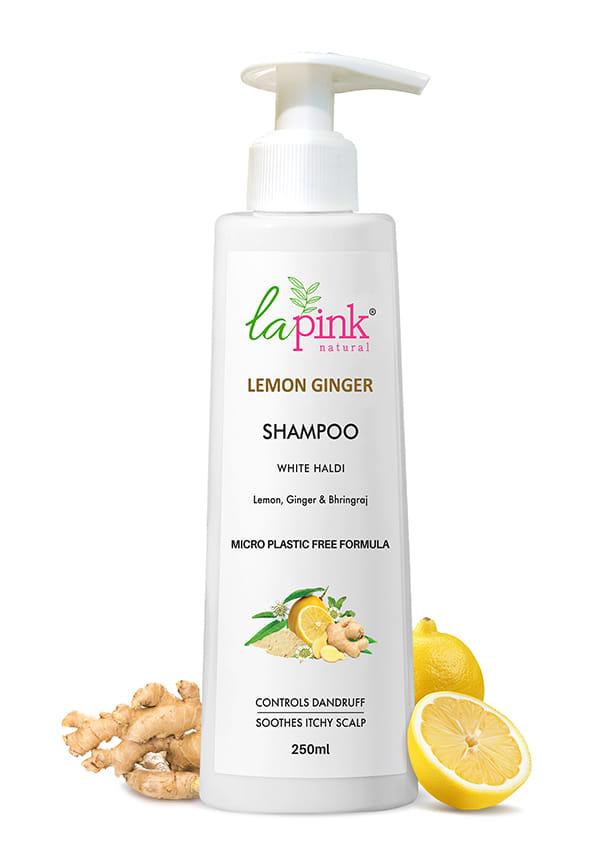 250 ml
Lemon Ginger Shampoo with White Haldi to Control Dandruff & Soothe Itchy Scalp
When choosing products for ongoing scalp health, hypoallergenic doesn't always mean fragrance-free, and fragrance-free doesn't guarantee hypoallergenic. Read labels carefully and look for products specifically formulated for sensitive skin. Common irritants to avoid include sulphates, parabens, artificial fragrances, and alcohol-based products. Natural doesn't always mean gentle either – essential oils can be quite irritating for sensitive scalps. Building a scalp-safe routine means introducing new products one at a time and giving your scalp time to adjust. This way, if something doesn't agree with you, you'll know exactly what caused the problem.
Apply a cool water compress to the affected area, use gentle scalp massage with your fingertips, avoid scratching at all costs, and try applying pure aloe vera gel for instant cooling relief. These methods provide temporary relief while you work on identifying the underlying cause.
Nighttime itching often increases due to stress hormones being higher in the evening, dry indoor air from heating systems, and reduced distractions that make you more aware of sensations. Your pillowcase material and laundry detergent can also contribute to nighttime scalp irritation.
Essential fatty acid deficiency, particularly omega-3s, can contribute to dry, itchy scalp conditions. Deficiencies in B vitamins, zinc, and vitamin D have also been linked to various scalp problems and increased sensitivity.
Use gentle natural oils like coconut oil or jojoba oil, try diluted tea tree oil for its antifungal properties, apply aloe vera gel for cooling relief, and maintain a gentle cleansing routine while avoiding harsh chemicals and excessive heat styling.
Yes, chronic scratching and certain scalp conditions can lead to temporary or permanent hair thinning. This is especially common in women experiencing hormonal changes during pregnancy, menopause, or due to conditions like PCOS that affect hormone levels.
With systematic observation and elimination testing, most causes can be identified within 1-2 weeks. However, some conditions may take longer to diagnose, especially if multiple factors are involved or if you need to try different treatment approaches.
Identifying the causes of scalp irritation doesn't have to be a lengthy, frustrating process. With the right approach – systematic observation, smart elimination testing, and knowing when to seek professional help – you can get to the bottom of your itchy scalp issues quickly. Remember, everyone's scalp is different, and what works for your mate might not work for you. This is why trial-sized products are so valuable when dealing with scalp sensitivity. Smytten's approach of offering mini-sized products from trusted brands means you can test different solutions without committing to full-size purchases that might not suit your particular scalp needs. The key is patience with the process but urgency with severe symptoms. Most scalp irritation issues are manageable once you identify the cause, but don't hesitate to see a dermatologist if things aren't improving or if you're experiencing any red flag symptoms. Your scalp health affects not just your comfort but your confidence too. Taking the time to properly identify and address scalp conditions early can save you from weeks of discomfort and potential long-term issues. With the right knowledge and approach, you can get back to having good hair days without the constant distraction of an irritated scalp.
