How to Identify Causes of Brittle Hair Today

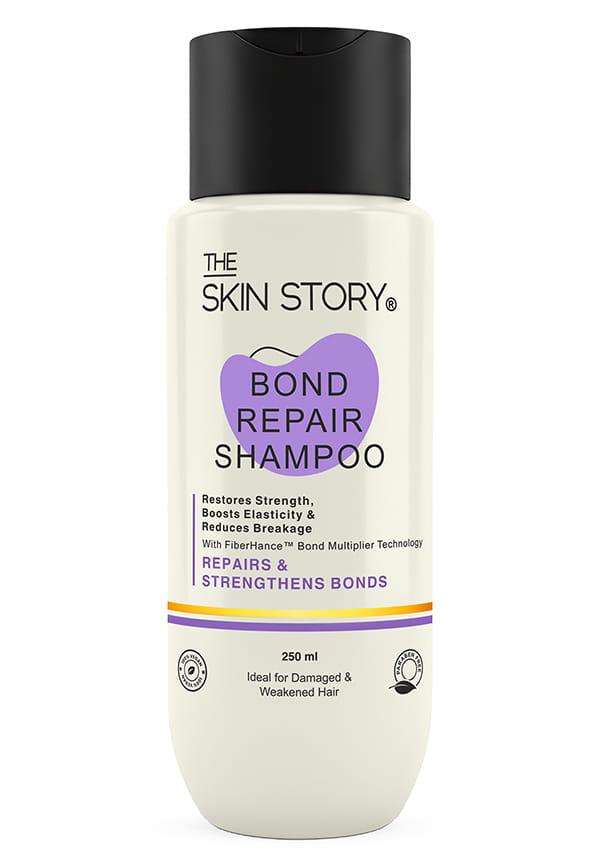 250 ml
Professional Bond Repair Shampoo For Damaged Hair
Let's be real—brittle hair is one of those things that can make you feel like your locks are staging a rebellion. One day your hair feels soft and manageable, the next it's snapping like autumn leaves. If you've been noticing more breakage, split ends, or that crunchy texture that screams 'help me,' you're not alone. Understanding the causes of brittle hair is the first step to getting your mane back on track. From sneaky nutritional gaps to everyday styling mistakes, there's usually a reason behind the damage—and once you spot it, you can fix it.
Brittle hair isn't just having a bad hair day—it's when your strands lose their natural flexibility and strength. Think of healthy hair like a rubber band that can stretch and bounce back. Brittle hair, on the other hand, is more like a dried twig that snaps under pressure.
The telltale signs are pretty obvious once you know what to look for. Your hair might feel rough or straw-like to the touch, break easily when you brush it, or develop split ends faster than you can trim them. You might also notice your hair looks dull, lacks shine, or feels tangled even right after washing.
Here's a quick hair elasticity test you can try at home: take a single strand of clean, damp hair and gently stretch it. Healthy hair should stretch about 30% of its length before breaking. If it snaps immediately or barely stretches at all, you're dealing with brittle hair. This simple test can help you understand just how damaged your strands really are.
It's worth noting that brittle hair is different from hair thinning or general hair loss. While thinning affects the number of hairs you have, brittleness affects the quality and strength of existing strands. Both can happen together, but they often have different underlying causes.
Sometimes the biggest culprits behind brittle hair are hiding in plain sight—your daily routine and environment. These external factors can slowly chip away at your hair's health without you even realising it.
Your blow dryer, straightener, and curling iron might be your styling best friends, but they're also major hair breakage causes. High temperatures literally cook the proteins in your hair, making them weak and prone to snapping. Chemical treatments like colouring, perming, or relaxing can be even harsher, breaking down the hair's natural structure.
Sun exposure, pollution, and even hard water can contribute to dry hair causes. UV rays break down hair proteins just like they damage your skin, while minerals in hard water can build up on your strands, making them feel rough and look dull. Even something as simple as chlorine from swimming pools can strip your hair of its natural oils.
Washing your hair too frequently or using products with harsh sulphates can strip away the natural oils that keep your strands moisturised. This is especially true if you have naturally dry or textured hair that doesn't produce as much oil to begin with.
 100 gm
Hair Revive | Plant Based Biotin | Promotes Healthy Hair and Fights Hair Fall
Your hair is basically a reflection of what's happening inside your body. When you're missing key nutrients, your hair is often one of the first places you'll notice the effects.
Vitamin deficiency hair problems are more common than you might think. Biotin (Vitamin B7) is probably the most famous hair vitamin, and for good reason—it's essential for keratin production, which is what your hair is mostly made of. Iron deficiency can also lead to brittle, weak hair because iron helps carry oxygen to your hair follicles.
Protein for hair health is absolutely crucial since hair is basically made of protein. If you're not getting enough protein in your diet, your body will prioritise other functions over hair growth and strength. Essential fatty acids, particularly omega-3s, help keep your scalp healthy and your hair moisturised from the inside out.
Other nutrients that play a role include zinc, vitamin D, and vitamin C. Even if you think you're eating well, factors like stress, certain medications, or digestive issues can affect how well your body absorbs these nutrients.
Sometimes the problem isn't what you're not doing—it's what you're doing wrong. Small mistakes in your hair care routine can add up to big damage over time.
Brushing wet hair is one of the biggest offenders. When hair is wet, it's at its most vulnerable state. The hair shaft swells with water, making it more elastic but also more prone to breaking. Using the wrong brush or being too aggressive can cause serious damage.
Skipping conditioner or using the wrong type for your hair can also lead to brittleness. Conditioner doesn't just make your hair feel soft—it actually helps seal the hair cuticle and provides a protective barrier. If you have fine hair and think conditioner will weigh it down, try a lightweight formula or apply it only to the mid-lengths and ends.
Even something as simple as how you sleep can affect your hair health. Cotton pillowcases can create friction that leads to breakage and tangles. Sleeping with your hair in a tight ponytail or bun can also cause stress on the hair shaft, leading to split ends causes and breakage.
Sometimes brittle hair is a sign that something deeper is going on in your body. Various medical conditions and hormonal changes can affect hair texture and strength.
Thyroid disorders are particularly notorious for causing hair problems. Both an overactive and underactive thyroid can make hair become thin, brittle, and prone to breaking. The thyroid controls your metabolism, and when it's not working properly, it affects how your body produces and uses proteins—including the ones that make up your hair.
Hormonal fluctuations during menopause, pregnancy, or conditions like PCOS can also impact hair health. These changes affect the balance of hormones that influence hair growth and texture. Hair thinning causes often overlap with brittleness causes during these times.
Certain medications, including some antidepressants, blood thinners, and acne treatments, can also contribute to hair brittleness as a side effect. If you've noticed changes in your hair after starting a new medication, it's worth discussing with your doctor.
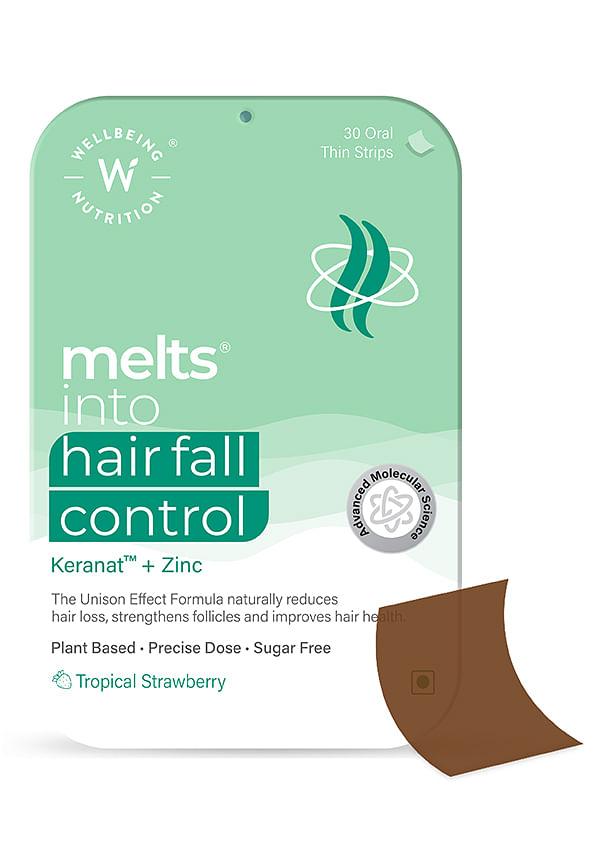 Pack of 30
Melts Hair Fall Control Keranat & Zinc, Hair Loss Support to Improve Hair Anchoring (30 Oral Strips)
Understanding your hair's current state is crucial for choosing the right treatment approach. Beyond the elasticity test mentioned earlier, there are several ways to evaluate your hair health at home.
The porosity test can help you understand how well your hair absorbs and retains moisture. Drop a clean strand of hair into a glass of water. If it sinks quickly, you have high porosity hair that absorbs moisture easily but also loses it quickly. If it floats, you have low porosity hair that's harder to moisturise but retains it well once it's in there.
Pay attention to how your hair behaves throughout the day. Does it feel dry and rough by evening? Does it tangle easily? Do you notice more hair in your brush than usual? These are all clues about what might be causing your hair problems.
Keep a hair health journal for a few weeks. Note what products you use, how often you wash your hair, what styling tools you use, and how your hair looks and feels. This can help you identify patterns and potential triggers for brittleness.
The good news is that with the right approach, you can significantly improve brittle hair. The key is addressing both the immediate damage and the underlying causes.
Deep conditioning treatments and protein masks can provide quick relief for brittle hair. Look for treatments that contain ingredients like keratin, collagen, or hydrolysed proteins. These can temporarily fill in gaps in damaged hair cuticles and add strength.
Leave-in conditioners and hair serums can provide ongoing protection throughout the day. They create a barrier that helps prevent further damage from environmental factors and styling.
Building a gentle hair care routine is essential for long-term hair health. This might mean washing less frequently, using sulphate-free shampoos, and always using heat protection when styling.
Consider your diet and lifestyle factors too. If you suspect nutritional deficiencies, consider speaking with a healthcare provider about appropriate supplements. Managing stress through exercise, meditation, or other techniques can also benefit your hair health.
This is where platforms like Smytten can be incredibly helpful. With access to trial-sized products from trusted brands, you can experiment with different treatments and find what works for your specific hair needs without committing to full-size products. Whether it's a new deep conditioning mask or a gentle shampoo, trying before buying takes the guesswork out of damaged hair repair.
Once you've addressed the immediate damage, focus on preventing future brittleness. This means being mindful of your daily habits and making small changes that add up to big improvements over time.
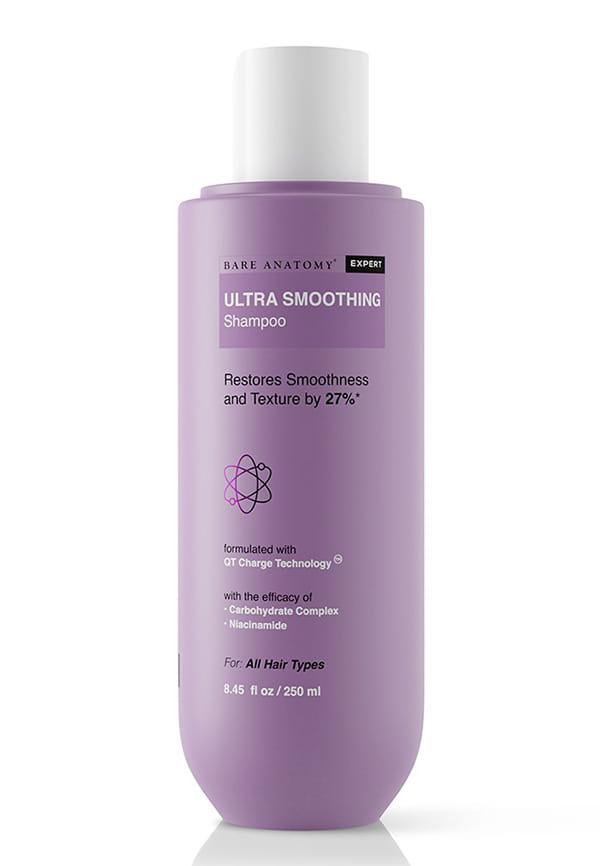 250 ml
Expert Ultra Smoothing Shampoo To Restore Smoothness, Repair Damaged Hair And Locks In Moisture
Invest in quality tools like a wide-tooth comb for detangling wet hair and a silk or satin pillowcase to reduce friction while you sleep. Use heat protection every single time you style your hair, even if you're just using a blow dryer on low heat.
Regular trims every 6-8 weeks can prevent split ends from travelling up the hair shaft and causing more damage. Think of it as maintenance rather than losing length—healthy hair actually grows better than damaged hair.
Pay attention to seasonal changes too. Your hair might need different care in winter when indoor heating can be drying, versus summer when sun and chlorine exposure increase.
Start with a gentle hair care routine that includes regular deep conditioning, minimal heat styling, and protection from environmental damage. Address any nutritional deficiencies and be patient—hair recovery takes time, typically 2-3 months to see significant improvement.
Several vitamin deficiencies can contribute to brittle hair, including biotin (B7), iron, vitamin D, and essential fatty acids. A balanced diet with adequate protein is also crucial for hair health.
Yes, brittle hair can often be improved significantly with proper care, though severely damaged sections may need to be trimmed. New hair growth will be healthier if you address the underlying causes.
Brittle hair appears dull, feels rough or straw-like, breaks easily, and often has visible split ends. It may also tangle frequently and lack natural shine.
Absolutely. Chronic stress can affect hormone levels and nutrient absorption, both of which impact hair health. Stress can also lead to habits like over-styling or poor diet choices that contribute to hair damage.
Identifying the causes of brittle hair is the first step towards healthier, stronger strands. Whether it's environmental damage, nutritional gaps, or medical factors, understanding what's behind your hair troubles helps you choose the right solutions. Remember that hair recovery is a gradual process—be patient with yourself and consistent with your new routine.
The beauty of addressing brittle hair is that small changes can make a big difference. From switching to a gentler shampoo to adding a weekly deep conditioning treatment, every step counts. And with platforms like Smytten offering trial-sized products from over 1,500 trusted brands, you can explore different solutions without the commitment of full-size purchases. After all, why settle for damaged hair when you can discover what works best for your unique needs and #TryItAll?
