How to Get the Perfect Haircut for Split Ends

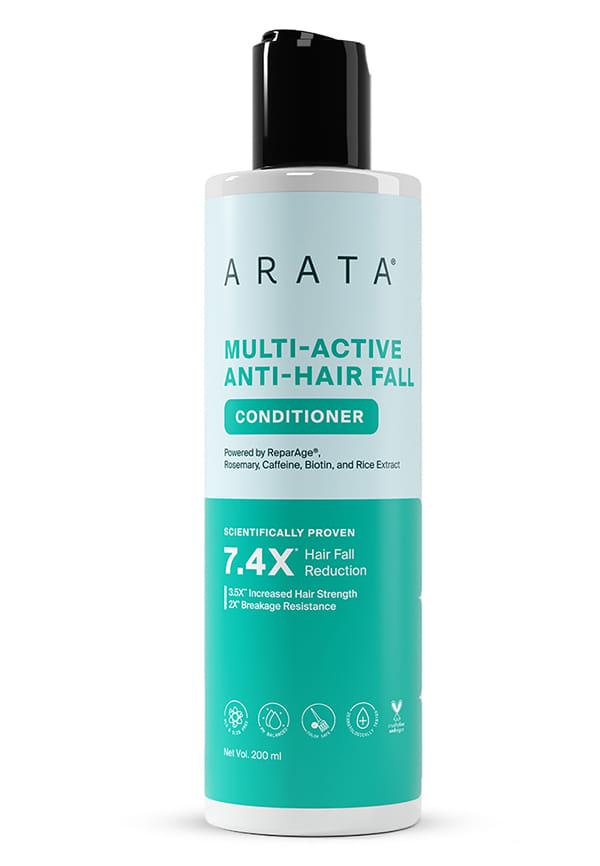 200 ml
Anti-Hair Fall Conditioner for Breakage and Split-Ends Reduction
Split ends are basically your hair's way of saying it's had enough. Those frayed, damaged tips might seem like a minor annoyance, but they can actually travel up your hair shaft if left unchecked, turning a small problem into a major haircare crisis. The good news? Getting the perfect haircut for split ends doesn't have to mean sacrificing all your length or breaking the bank. Whether you're dealing with occasional damage or serious breakage, understanding the right techniques can help you restore your hair's health whilst keeping your style intact. Let's dive into everything you need to know about tackling split ends like a pro.
Split ends happen when the protective outer layer of your hair (the cuticle) gets damaged and starts to peel away, leaving the inner cortex exposed and vulnerable. Think of it like a frayed rope - once it starts, it only gets worse without intervention. The most common culprits behind split ends include excessive heat styling, chemical processing like colouring or perming, environmental damage from sun and pollution, and even mechanical damage from rough brushing or tight hairstyles. Your hair is essentially dead protein, so unlike your skin, it can't repair itself once damaged.
Not all split ends look the same. The classic fork split is what most people recognise - where the hair literally splits into two or more strands at the tip. But you might also notice tree splits (multiple branches), knots, or even white dots where the hair has completely broken off.
If you're seeing splits more than 2-3 centimetres up from your ends, or if your hair feels rough and tangles easily, it's time for some serious split end repair. Ignoring the problem will only lead to more breakage and potentially require cutting off much more length later.
Deciding between a salon visit and at-home trimming depends on several factors, including your budget, the extent of damage, and your comfort level with scissors near your precious locks. Professional stylists have the training and tools to assess your hair's condition accurately. They can identify damage patterns you might miss and use techniques like hot scissors that actually seal the hair shaft as they cut. A good stylist will also consider your face shape, lifestyle, and hair goals when creating a haircut for damaged hair.
If you're dealing with minor split ends and want to maintain your current style, careful at-home trimming can work. You'll need proper hair scissors (never use craft or kitchen scissors), good lighting, and patience. The key is being conservative - you can always cut more, but you can't put it back.
Whilst a professional cut might cost ₹500-2000 depending on your location and salon, investing in quality hair scissors for home use (around ₹800-1500) can pay off if you're comfortable with basic maintenance trims between salon visits.
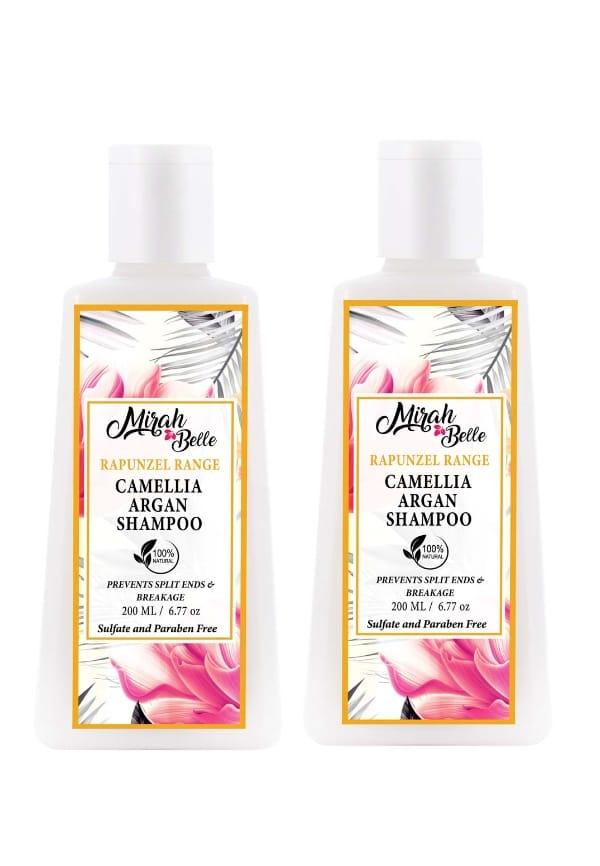 Pack of 2
Organic & Natural - Camellia Argan Shampoo - Frizzy Hair, Breakage & Split Ends
There are several proven hair trimming techniques that can effectively remove split ends whilst preserving as much length as possible. Each method has its place depending on your hair type and damage level. The twist method involves taking small sections of hair, twisting them gently, and carefully snipping any damaged ends that stick out. This technique is brilliant for curly hair as it works with your natural texture and helps maintain shape.
Dusting is perfect when you want to remove damage without losing noticeable length. You literally dust off just the very tips of damaged hair - usually no more than 3-5mm. This method requires excellent lighting and sharp scissors, but it's fantastic for maintaining long hair whilst keeping it healthy.
This professional technique uses heated scissors that seal the hair cuticle as they cut, potentially preventing future splitting. Whilst the science is still debated, many people swear by the smoother feel and reduced breakage after hot scissor cuts.
This comprehensive approach involves sectioning your hair and sliding your fingers down each section to identify and remove individual split ends. It's time-consuming but thorough, making it ideal for addressing widespread damage.
Your hair type significantly influences which best haircut for split ends will work for you. What works brilliantly on straight, fine hair might be disastrous on thick, curly locks. For long hair, U-shaped and V-shaped cuts can remove damaged ends whilst maintaining the appearance of length. These cuts remove more hair from the sides and back whilst preserving length in the centre, creating a flattering shape that disguises the trim.
Curly hair requires special attention because damage often isn't evenly distributed. The twist method works particularly well here, as does cutting hair when it's dry and in its natural state. Never cut curly hair when it's wet and stretched - you'll end up with an uneven result when it dries.
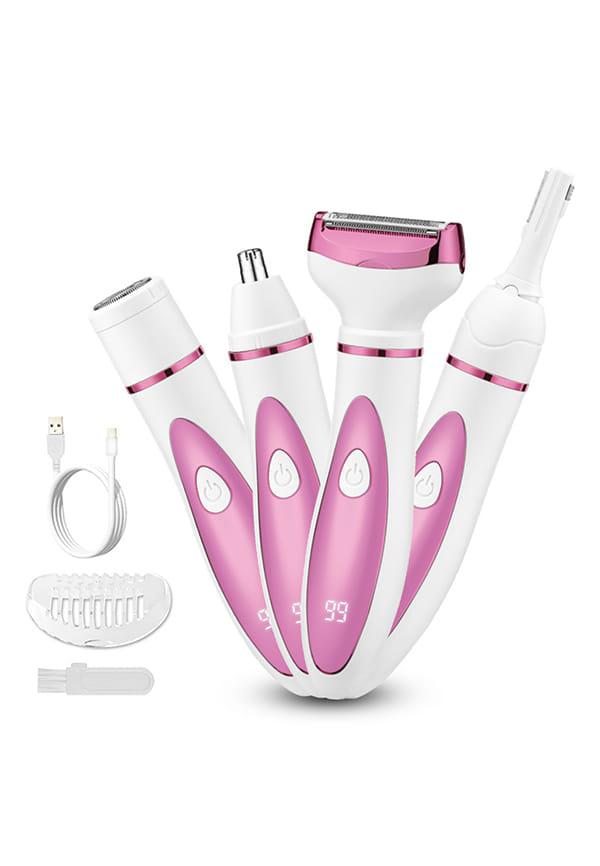 500gm
500gm4 IN 1 Rechargeable Painless Electric Razor Trimmer for Women
Fine hair benefits from blunt cuts that create the illusion of thickness, whilst thick hair can handle more layering to remove bulk and damaged sections. The key is working with your hair's natural characteristics rather than against them.
Having the right tools makes all the difference when attempting how to fix split ends at home. Professional hair shears are non-negotiable - they create clean cuts that heal better and are less likely to cause future damage. Your hair should be clean, completely dry, and properly detangled before you start cutting. Wet hair stretches and can give you a false impression of length, leading to cutting off more than intended. Good lighting is crucial - natural daylight or a bright LED light will help you spot damage more easily.
The biggest mistake people make is cutting too much at once. Start conservatively and work gradually. Also, never cut hair when you're emotional or in a hurry - that's how dramatic, regrettable chops happen.
Prevention is always better than cure when it comes to split end prevention. Regular trims every 6-8 weeks help maintain hair health, but your daily routine matters just as much. Heat protection is absolutely essential if you use styling tools. A good heat protectant can reduce damage by up to 50%, making it one of the most important products in your haircare arsenal. Try to air-dry when possible and use the lowest effective heat setting on your tools.
How you treat your hair when you're not actively styling it matters enormously. Silk or satin pillowcases reduce friction, and loose braids or silk scrunchies can prevent tangles and breakage overnight. Avoid tight ponytails and hair elastics with metal parts.
Regular deep conditioning treatments and protein masks can help strengthen your hair and reduce future damage. Look for products containing ingredients like keratin, biotin, or natural oils. With platforms like Smytten, you can try different damaged hair treatment products in mini sizes before committing to full-size purchases, making it easier to find what works for your specific hair needs.
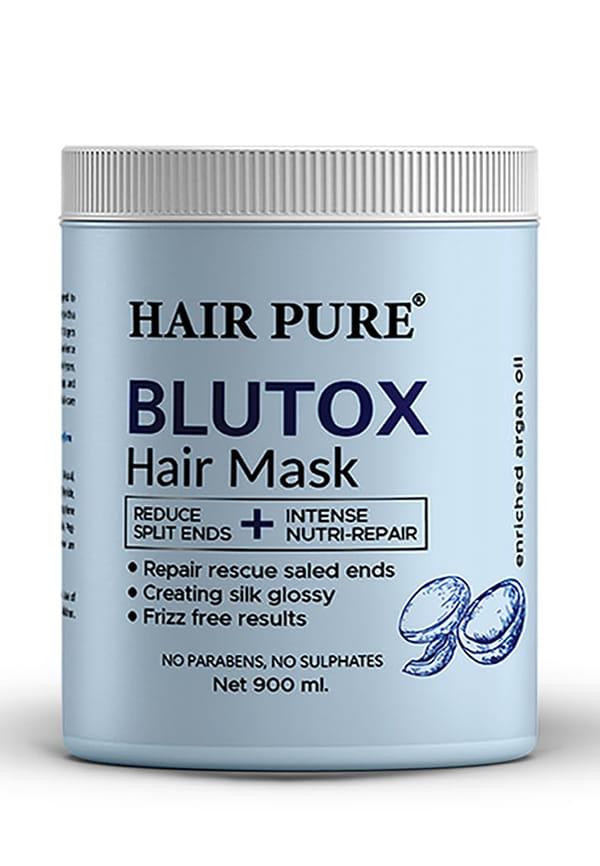 900 ml
Blutox Hair Mask for Reduces Split Ends & Intense Nutri-Repair Treatment
The best cut depends on your hair type and damage level. For minimal damage, dusting works well. For more extensive damage, a blunt cut or layered cut that removes 1-2 inches typically provides the best results whilst maintaining style.
Use the twist method or dusting technique. Work in small sections, use sharp hair scissors, and cut conservatively. Only trim the damaged portions, which are usually just the very tips.
No, split ends cannot be permanently repaired without cutting. Whilst some products can temporarily smooth the appearance, the only way to truly fix split ends is to remove the damaged portion.
Typically, 0.5cm to 2.5cm (quarter inch to one inch) is sufficient for regular maintenance. If damage is extensive, you might need to remove more, but it's better to do this gradually over several appointments.
Every 6-8 weeks for most hair types. If your hair grows quickly or you use a lot of heat styling, you might need trims every 4-6 weeks. Those with very healthy hair might stretch to 10-12 weeks.
Some situations definitely call for professional intervention. If you notice splits travelling more than 5cm up your hair shaft, if your hair feels gummy when wet, or if you're experiencing significant breakage, it's time to book a salon appointment. Professional treatments like keratin treatments or protein reconstructors can help strengthen damaged hair and prevent future splitting. A good stylist can also help you develop a long-term plan for maintaining healthy hair whilst achieving your style goals.
Consider your lifestyle, styling habits, and hair goals when creating a maintenance routine. If you love long hair, you'll need to be more vigilant about prevention and gentle handling. If you prefer shorter styles, you can be a bit more relaxed about timing between cuts.
Getting the perfect haircut for split ends is about finding the right balance between removing damage and maintaining your desired style. Whether you choose professional treatments or careful at-home maintenance, consistency is key to keeping your hair healthy and beautiful. Remember that healthy hair is a journey, not a destination. With the right techniques, tools, and products, you can keep split ends at bay whilst enjoying the hair you love. Platforms like Smytten make it easier than ever to experiment with different haircare for split ends products, offering trial sizes from trusted brands so you can discover what works best for your unique hair needs without the commitment of full-size purchases. After all, why settle for damaged, unhealthy hair when you can try different solutions and find your perfect match?
