
Haircare
•08 min read

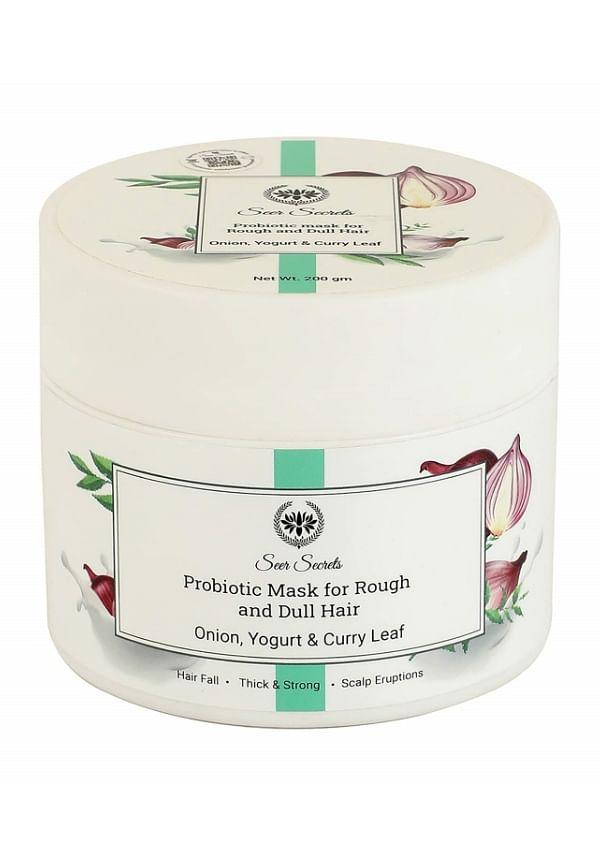 200 gm
Probiotic Hair Mask- For Rough & Dull Hairs
Your hair's been through a lot lately—heat styling, chemical treatments, environmental stress—and now it's crying out for some serious TLC. If your strands feel weak, brittle, or just not their usual bouncy selves, it might be time to get protein hair masks into your routine. Think of protein treatments as a gym session for your hair, rebuilding strength from the inside out. Whether you're dealing with major breakage or just want to give your locks a preventative boost, understanding how to choose and use the right protein hair treatment can be a total game-changer for your haircare routine.
Let's get real about what protein hair masks actually do. These treatments are packed with proteins that temporarily fill in the gaps in your hair's structure, kind of like spackling tiny holes in a wall. When your hair is damaged, its natural protein structure gets compromised, leaving it weak and prone to snapping. A good hair mask for damaged hair works by depositing proteins onto the hair shaft, creating a protective layer that strengthens and smooths.
Your hair might be screaming for a hair protein boost if you notice increased breakage when brushing, lack of elasticity (hair snaps instead of stretching), or if your strands feel mushy when wet. These are classic signs that your hair's protein structure needs some backup. The key difference between protein and moisture treatments? Protein rebuilds structure whilst moisture adds hydration—think of it as the difference between fixing a broken foundation versus watering a plant.
Your hair is basically made up of a protein called keratin, which forms the building blocks of each strand. When this structure gets damaged through heat, chemicals, or even just daily wear and tear, your hair loses its strength and elasticity. A keratin hair mask helps replace some of these lost proteins, though it's worth noting that the effects are temporary—your hair can't actually heal itself permanently.
The trick is knowing when to use protein versus moisturising treatments. If your hair feels stretchy and gummy when wet, you need protein. If it feels dry and brittle, you probably need moisture. Getting this balance right is crucial for healthy hair.
There are loads of ways to get protein hair masks, and honestly, you don't need to break the bank to give your hair some love. From whipping up a DIY protein mask in your kitchen to splashing out on salon treatments, here's your complete guide to getting stronger hair.
The easiest way to get protein hair masks is simply buying them ready-made. Look for products that list hydrolysed proteins, keratin, or amino acids in the first few ingredients. Best hair masks for protein often contain wheat protein, silk protein, or quinoa protein—these smaller molecules can actually penetrate the hair shaft better than larger proteins.
You'll find options ranging from ₹200 for drugstore finds to ₹2,000+ for salon-grade treatments. The key is reading labels carefully and choosing based on your hair's specific needs rather than just the price tag.
Want to try a natural protein for hair approach? Your kitchen probably has everything you need for effective protein hair repair. Eggs are brilliant because they contain complete proteins that can temporarily strengthen hair. Mix one whole egg with a tablespoon of olive oil and apply to damp hair for 20 minutes before rinsing with cool water.
Greek yoghurt is another fantastic option—it's packed with protein and lactic acid that gently exfoliates the scalp. Blend half a cup with a tablespoon of honey for a strengthening hair mask that also adds moisture. For a more intensive treatment, try dissolving a packet of unflavoured gelatin in warm water, letting it cool slightly, then applying to clean, damp hair.
If your hair needs serious intervention, professional protein treatments might be worth the investment. These typically cost between ₹1,500-₹5,000 depending on your salon and location, but they often use higher concentrations of proteins and professional-grade ingredients that you can't get at home.
Not all protein treatments are created equal, and what works for your mate's hair might be totally wrong for yours. Understanding your hair type and damage level is crucial for choosing the right hair breakage mask.
If your hair is seriously compromised—think bleach damage, heat damage, or chemical processing—you'll need heavy-duty protein treatments. Look for masks with hydrolysed keratin or wheat protein as the main ingredients. These treatments might need to be used weekly initially, then scaled back to monthly maintenance once your hair improves.
Expect to see some improvement after 2-3 uses, but remember that severely damaged hair might need several months of consistent treatment to really bounce back.
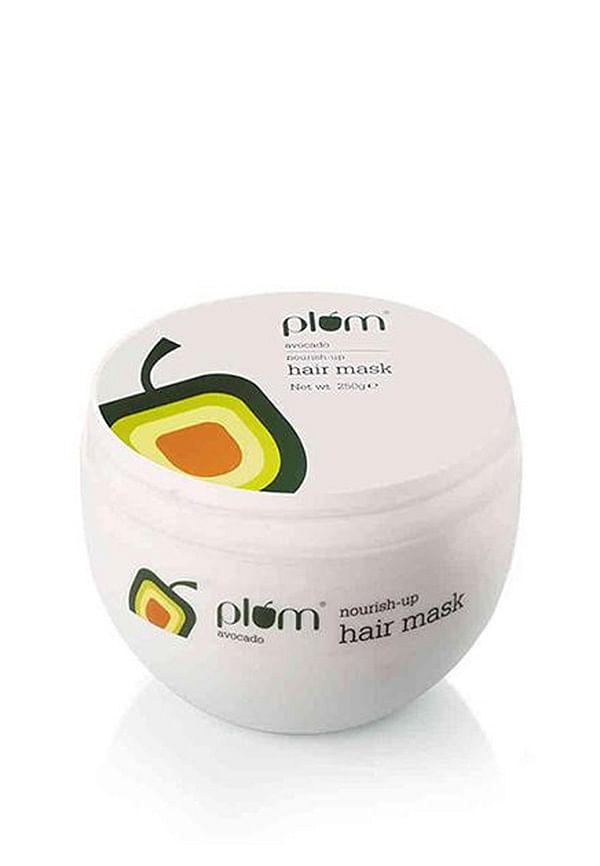 250 gm
Avocado Nourish-Up Hair Mask
Fine hair can easily get overwhelmed by heavy protein treatments, leading to stiffness and breakage. Opt for lightweight formulas with smaller protein molecules like silk amino acids or hydrolysed rice protein. These give you the strengthening benefits without weighing your hair down.
Use protein treatments sparingly—maybe once every 2-3 weeks—and always follow with a light moisturising treatment to maintain balance.
Curly hair has unique needs when it comes to protein treatments. The natural structure of curly hair makes it more prone to dryness, so you'll want to choose protein treatments that also contain moisturising ingredients. Look for masks that combine proteins with ingredients like shea butter or coconut oil.
Application technique matters too—work the treatment through each section carefully, ensuring even distribution from roots to tips.
Getting the most out of your protein hair treatment isn't just about choosing the right product—application technique can make or break your results. Here's how to do it properly.
Start with clean, damp hair. Use a clarifying shampoo to remove any product buildup that might prevent the protein from penetrating properly. Your hair should be clean but not bone dry—slightly damp hair allows better product distribution and penetration.
Section your hair into manageable parts, especially if you have thick or long hair. This ensures even application and prevents you from missing spots.
Apply your chosen protein treatment from mid-length to ends, avoiding the roots unless the product specifically says otherwise. Work it through with your fingers or a wide-tooth comb to ensure even distribution. Most treatments need 15-30 minutes to work their magic, but always follow the specific instructions on your product.
Some people swear by adding gentle heat with a hair dryer on low or wrapping their hair in a warm towel, but this isn't always necessary—check your product guidelines first.
Rinse thoroughly with lukewarm water—hot water can actually undo some of the benefits by opening the hair cuticle too much. Follow up with a light conditioner if your hair feels a bit stiff, but avoid heavy moisturising treatments immediately after protein application as they can interfere with the strengthening process.
Even with the best intentions, it's easy to mess up protein treatments. Here are the most common mistakes that could be sabotaging your hair goals.
Too much of a good thing can definitely backfire with protein treatments. If your hair starts feeling stiff, brittle, or breaks more easily after protein treatments, you might be dealing with protein overload. Your hair might also lose its natural movement and feel almost crunchy to the touch.
If this happens, take a break from protein treatments and focus on moisturising masks for a few weeks. Your hair needs balance, not just one type of treatment.
Using protein treatments too frequently is probably the biggest mistake people make. More isn't always better—most hair types only need protein treatments every 2-4 weeks, depending on damage levels. Also, mixing DIY ingredients without understanding how they interact can sometimes do more harm than good.
Another common error? Not following up with appropriate aftercare. Protein treatments can sometimes leave hair feeling a bit stiff initially, which is normal, but you might need a light moisturising treatment to restore softness.
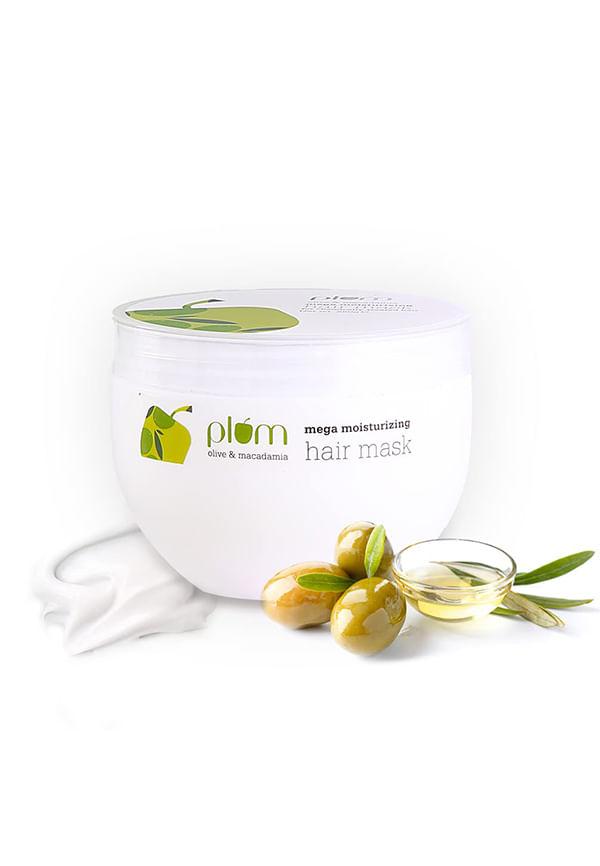 250 gm
Olive & Macadamia Mega Moisturizing Hair Mask
The key to successful protein treatments is consistency and personalisation. What works for your friend might not work for you, so it's worth taking time to figure out your hair's specific needs.
Try this simple test: take a single strand of clean, wet hair and gently stretch it. Healthy hair should stretch about 30% of its length before snapping back. If it breaks immediately, you need protein. If it stretches way beyond 30% and feels gummy, you also need protein but should be careful not to overdo it.
Pay attention to how your hair feels and looks after washing—does it feel weak and limp? That's often a sign that protein treatments could help strengthen your strands.
For healthy hair maintenance, a protein treatment once a month is usually plenty. If you're dealing with damage, you might start with weekly treatments for the first month, then scale back to bi-weekly, and finally monthly maintenance.
Keep a hair diary—note what treatments you use, how your hair feels, and any changes you notice. This helps you fine-tune your routine and avoid overdoing it.
When you're exploring different protein treatments, platforms like Smytten make it easier to try various products without committing to full sizes. With trial packs from trusted haircare brands, you can discover what works best for your hair type before investing in larger products.
Most hair types benefit from protein treatments every 2-4 weeks. If your hair is severely damaged, you might start with weekly treatments for a month, then reduce frequency. Fine hair typically needs less frequent protein treatments, whilst damaged or chemically processed hair might need them more often. Always listen to your hair—if it starts feeling stiff or brittle, you're probably overdoing it.
Absolutely! Eggs, Greek yoghurt, and unflavoured gelatin are all safe, effective options for homemade protein treatments. Always use fresh ingredients, test on a small section first, and rinse with cool water to prevent any proteins from cooking onto your hair. Avoid mixing too many ingredients together without understanding how they interact.
Keratin treatments are typically professional salon services that chemically alter your hair structure for long-term smoothing and frizz reduction. Protein masks are temporary treatments that strengthen hair by depositing proteins on the surface. Protein masks wash out over time, whilst keratin treatments can last several months.
Do the stretch test: wet a strand of clean hair and gently pull. If it breaks immediately without stretching, you need protein. If it stretches excessively and feels gummy, you also need protein. If it feels dry and brittle when dry but stretches normally when wet, you probably need moisture instead.
Yes, but choose your products carefully. Look for protein treatments specifically formulated for colour-treated hair, and avoid anything with harsh chemicals that might strip your colour. Always do a patch test first, and consider using treatments designed for chemically processed hair.
You might notice some immediate improvement in hair texture and manageability after your first treatment. However, significant strengthening and reduction in breakage typically takes 4-6 weeks of consistent use. Remember, protein treatments provide temporary benefits, so consistency is key for maintaining results.
Getting protein hair masks into your routine doesn't have to be complicated or expensive. Whether you're whipping up an egg mask in your kitchen or investing in a salon treatment, the key is understanding your hair's specific needs and being consistent with your approach. Remember, healthy hair is all about balance—protein strengthens, but moisture keeps things flexible and soft.
Start by assessing your hair's current condition, choose treatments that match your damage level and hair type, and don't be afraid to experiment with different approaches. Your hair will thank you for the extra attention, and you'll love having stronger, more resilient strands that can handle whatever you throw at them. After all, why settle for weak, damaged hair when you can try different protein treatments and find what works perfectly for you?
