How to Get Hair Porosity Test: A Complete Guide

 1 Unit
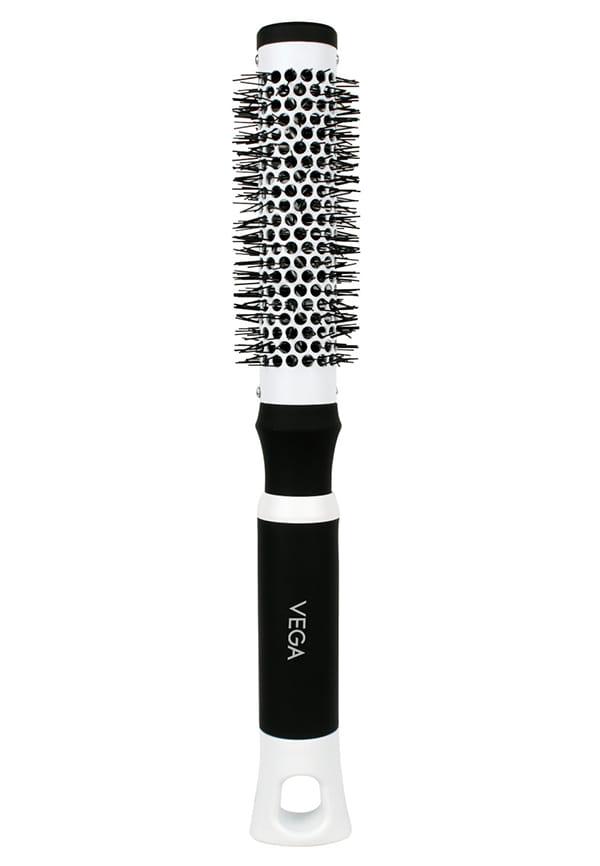
Hot Curl Hair Brushfor Hair Styling, Drying, Healthy Hair and Add Volume, Small (H1-PR S)
Ever wondered why your hair seems to have a mind of its own? One day it's perfectly moisturised, the next it feels like straw despite using the same products. The secret lies in understanding your hair porosity—basically how well your hair absorbs and holds onto moisture. Getting a hair porosity test isn't just some fancy salon thing; it's actually the key to cracking the code of your hair's unique needs. Once you know whether you've got low, medium, or high porosity hair, everything from choosing the right products to timing your wash days becomes so much clearer. Let's dive into how you can test your hair porosity at home and finally give your hair what it's been asking for all along.
Think of your hair structure like a roof made of tiny shingles—these are called cuticles. Hair porosity is all about how tightly or loosely these cuticles lie against your hair shaft. When they're flat and smooth, moisture has a harder time getting in (and out). When they're raised or damaged, moisture flows in and out like water through a sieve.
This whole cuticle situation affects literally everything about your hair. How long it takes to dry, whether products sit on top or actually penetrate, how well colour takes, and even how your hair reacts to humidity. Low porosity hair might take ages to get wet in the shower, whilst high porosity hair drinks up moisture quickly but loses it just as fast. Understanding this helps you work with your hair's natural tendencies rather than fighting against them.
Let's break down the three main hair porosity types so you can start spotting the signs in your own hair. Each type has its own personality, and knowing yours is like having a cheat sheet for better hair days.
Low porosity hair has cuticles that lie super flat against the hair shaft. This creates a protective barrier that's brilliant for keeping moisture in once it's there, but getting it in is the tricky bit. Your hair might take forever to get properly wet, and products often just sit on the surface looking greasy rather than absorbing.
Medium porosity hair is basically the Goldilocks of hair types—not too tight, not too loose, but just right. The cuticles are slightly raised, allowing moisture to enter and stay put without too much drama. This hair type typically responds well to most products and treatments.
High porosity hair has cuticles that are raised or damaged, often from heat styling, chemical treatments, or environmental factors. Whilst this hair absorbs moisture quickly, it also loses it just as fast, leaving you with hair that feels dry and looks frizzy despite your best efforts.
Ready to test hair porosity at home? These methods are simple, cost nothing, and give you real answers about your hair type. The best part is you probably have everything you need lying around already.
 1 Unit
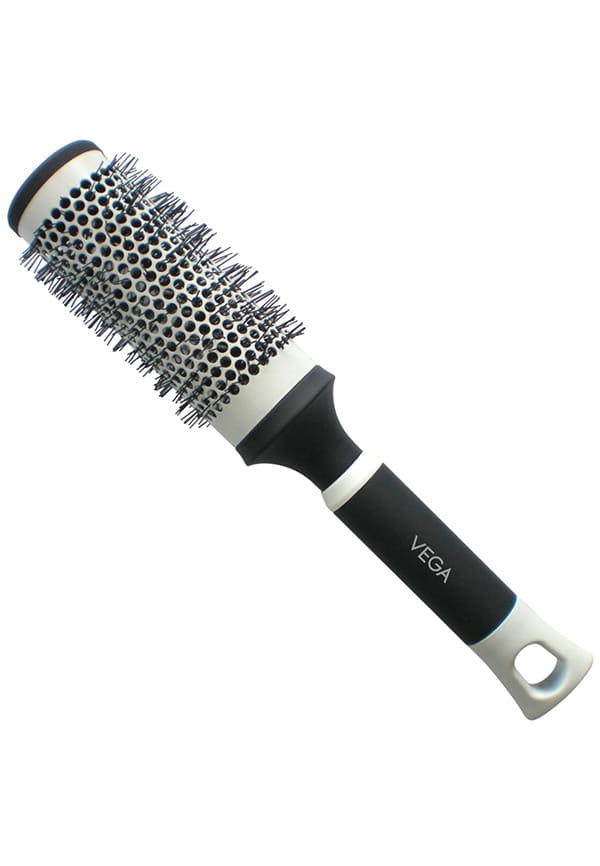
Hot Curl Hair Brushfor Hair Styling, Drying, Healthy Hair and Add Volume Big (H1-PR B)
This is the most popular porosity test for good reason—it's dead simple. Take a clean strand of hair (grab one from your brush) and drop it into a glass of room temperature water. Low porosity hair will float on top, medium porosity hair will float in the middle, and high porosity hair will sink to the bottom within a few minutes.
Hold a strand of hair between your fingers and slide them from the ends towards your scalp. Smooth hair that offers little resistance suggests low porosity, whilst hair that feels bumpy or rough indicates higher porosity levels.
Mist a section of clean, dry hair with water and watch how quickly it absorbs. Low porosity hair will have water beads sitting on the surface, medium porosity hair will absorb it gradually, and high porosity hair will soak it up immediately.
After washing your hair, time how long it takes to air dry completely. Low porosity hair can take several hours, medium porosity hair dries in a reasonable time, and high porosity hair might dry quickly but feel parched again soon after.
A well-designed hair quiz can complement physical tests by asking about your hair's behaviour patterns. Look for quizzes that ask about drying time, product absorption, and how your hair reacts to treatments.
Sometimes the signs are right there in your daily hair routine—you just need to know what to look for. Your hair is constantly giving you clues about its porosity level through how it behaves.
Low porosity hair often feels like it's rejecting your efforts. Products sit on top looking greasy, your hair takes ages to dry, and it's resistant to colour or chemical treatments. You might find yourself using more and more product trying to get moisture in, only to end up with buildup instead.
Medium porosity hair is the easy-going type that works well with most products and treatments. It holds colour nicely, responds to deep conditioning, and generally behaves predictably. If your hair routine works most of the time without too much fuss, you might have medium porosity hair.
 1 Unit
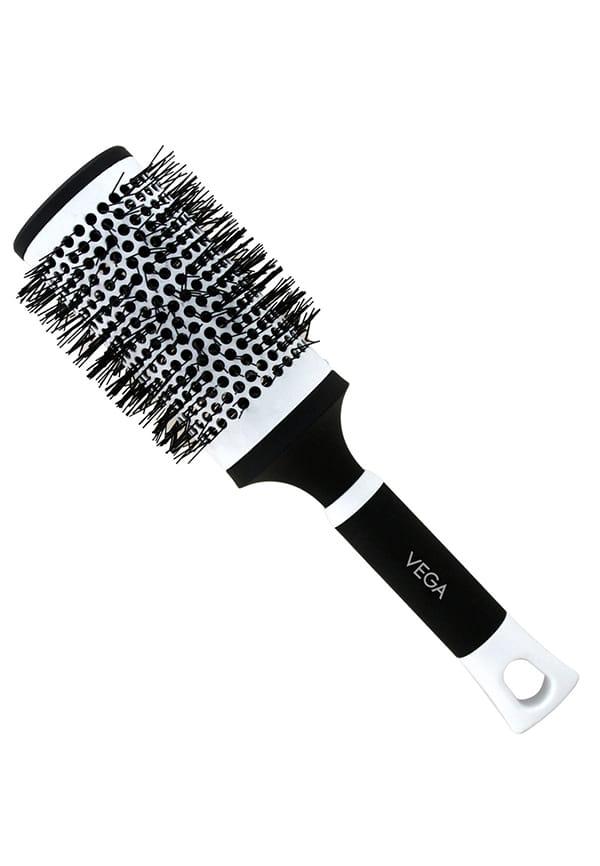
Hot Curl Brushfor Hair Styling, Drying, Healthy Hair and Add Volume, Large (H1-PRL)
High porosity hair is the drama queen—it absorbs everything quickly but can't hold onto moisture. Your hair might dry fast but feel thirsty again within hours. Colour fades quickly, frizz is a constant battle, and your hair tangles easily despite your best efforts.
Getting an accurate hair porosity test means setting yourself up for success. Start with freshly washed hair that's completely free of products—any leftover conditioner or styling products can skew your results.
Environmental factors matter too. Humidity, temperature, and even the hardness of your water can affect how your hair behaves during testing. Try to test in normal room conditions, and consider doing multiple tests on different days to get a clearer picture.
Your hair porosity can actually change over time due to heat damage, chemical processing, or even just ageing. If your usual routine stops working as well as it used to, it might be time to retest and adjust your approach accordingly.
Now for the fun bit—tailoring your haircare tips to work with your hair's natural tendencies rather than against them. This is where understanding your porosity really pays off in terms of healthier, happier hair.
Low porosity hair needs a gentle push to accept moisture. Use lightweight oils like argan or jojoba, and apply heat when deep conditioning to help products penetrate. Clarifying shampoos are your friend for removing buildup, but use them sparingly.
You've won the hair lottery with medium porosity hair, but don't get complacent. Maintain the balance with regular protein treatments and deep conditioning. Your hair can handle most products, but pay attention to seasonal changes that might require routine adjustments.
High porosity hair needs moisture and lots of it, plus something to seal it in. Heavy creams, butters, and oils are your allies. Protein treatments can help fill in the gaps in damaged cuticles, but balance them with moisture to avoid making hair brittle.
This is where platforms like Smytten become incredibly valuable. With over 1,500 trusted brands offering trial-sized products, you can experiment with different formulations to find what works for your specific porosity type without committing to full-size purchases. Whether you need lightweight oils for low porosity hair or heavy moisturisers for high porosity hair, you can try multiple options for just ₹249 and discover your perfect match.
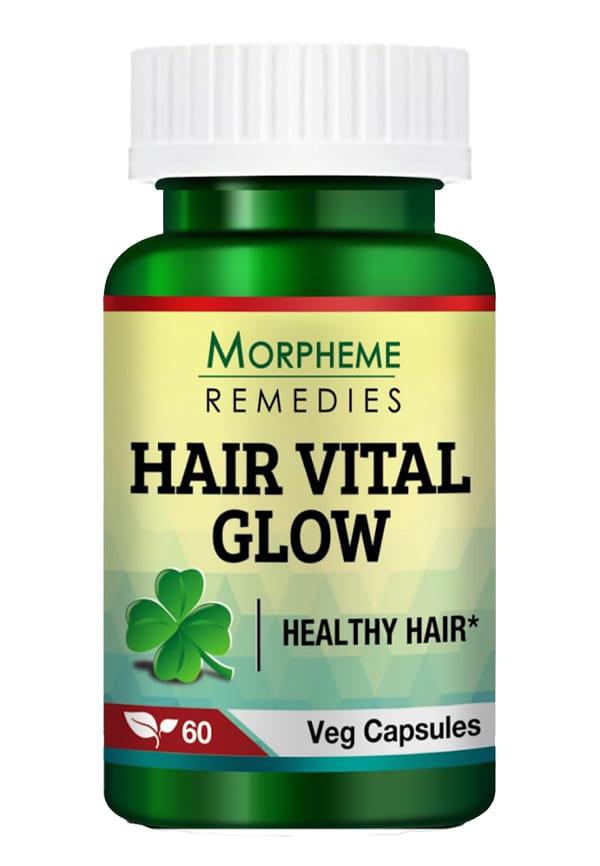 60 Capsules
Hair Vital Glow - For Hair Health
The easiest way is the float test—drop a clean strand of hair into water and see if it floats (low porosity), hovers in the middle (medium), or sinks (high porosity). You can also try the strand slide test or observe how quickly your hair absorbs water when misted.
Medium porosity is considered ideal because it strikes the perfect balance between moisture absorption and retention. However, any porosity type can be healthy with the right care routine tailored to its specific needs.
Low porosity hair takes ages to dry, products often sit on the surface looking greasy, water beads up on the hair when sprayed, and it's resistant to colour and chemical treatments. You might also notice buildup happens easily.
Test your hair porosity every 6-12 months, or whenever you notice significant changes in how your hair behaves. Major chemical treatments, heat damage, or changes in your routine might alter your hair's porosity level.
Absolutely. Heat styling, chemical treatments, environmental damage, and even ageing can alter your hair's porosity. What starts as low porosity hair can become high porosity through damage, which is why regular testing helps you adjust your routine accordingly.
Online quizzes can be helpful as a starting point, but they're most accurate when combined with physical tests like the float test. Look for comprehensive quizzes that ask about multiple hair behaviours rather than just one or two factors.
Understanding your hair porosity is honestly a game-changer for your entire haircare routine. Once you know whether you're dealing with low, medium, or high porosity hair, everything from product selection to styling techniques becomes so much more targeted and effective.
The beauty of testing your hair porosity at home is that it costs nothing but gives you invaluable insights into your hair's unique needs. Whether your hair is the slow-and-steady low porosity type, the balanced medium porosity winner, or the quick-absorbing high porosity drama queen, there's a perfect routine waiting for you.
Remember, your hair porosity isn't set in stone—it can change based on how you treat your hair and external factors. Regular testing helps you stay on top of these changes and adjust your routine accordingly. With platforms like Smytten offering trial-sized products from trusted brands, you can experiment with different formulations suited to your porosity type without the commitment of full-size purchases. After all, why settle for 'maybe' when you can try it all and find exactly what makes your hair thrive?
