How to Get Hair Fall Control: Expert Strategies

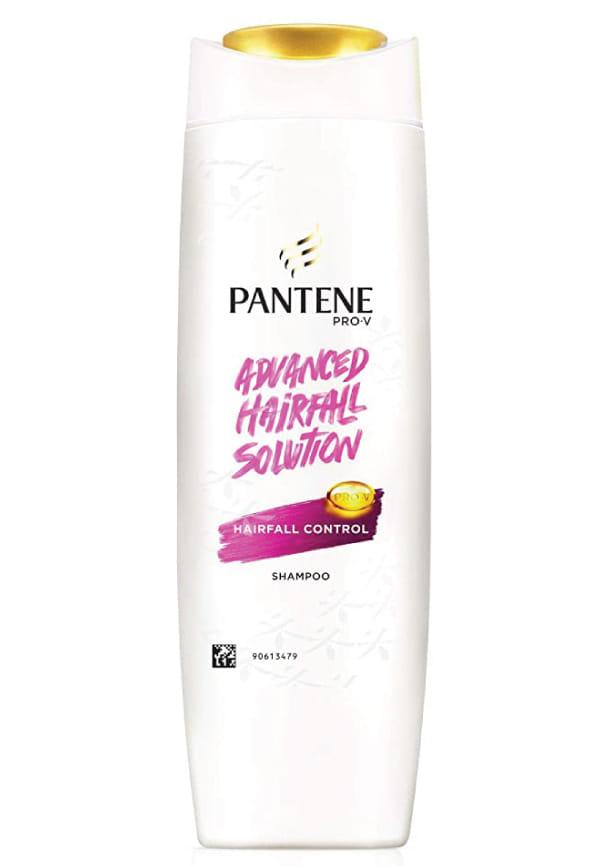 75 ml
75 mlAdvanced Hair Fall Solution Hair Fall Control Shampoo
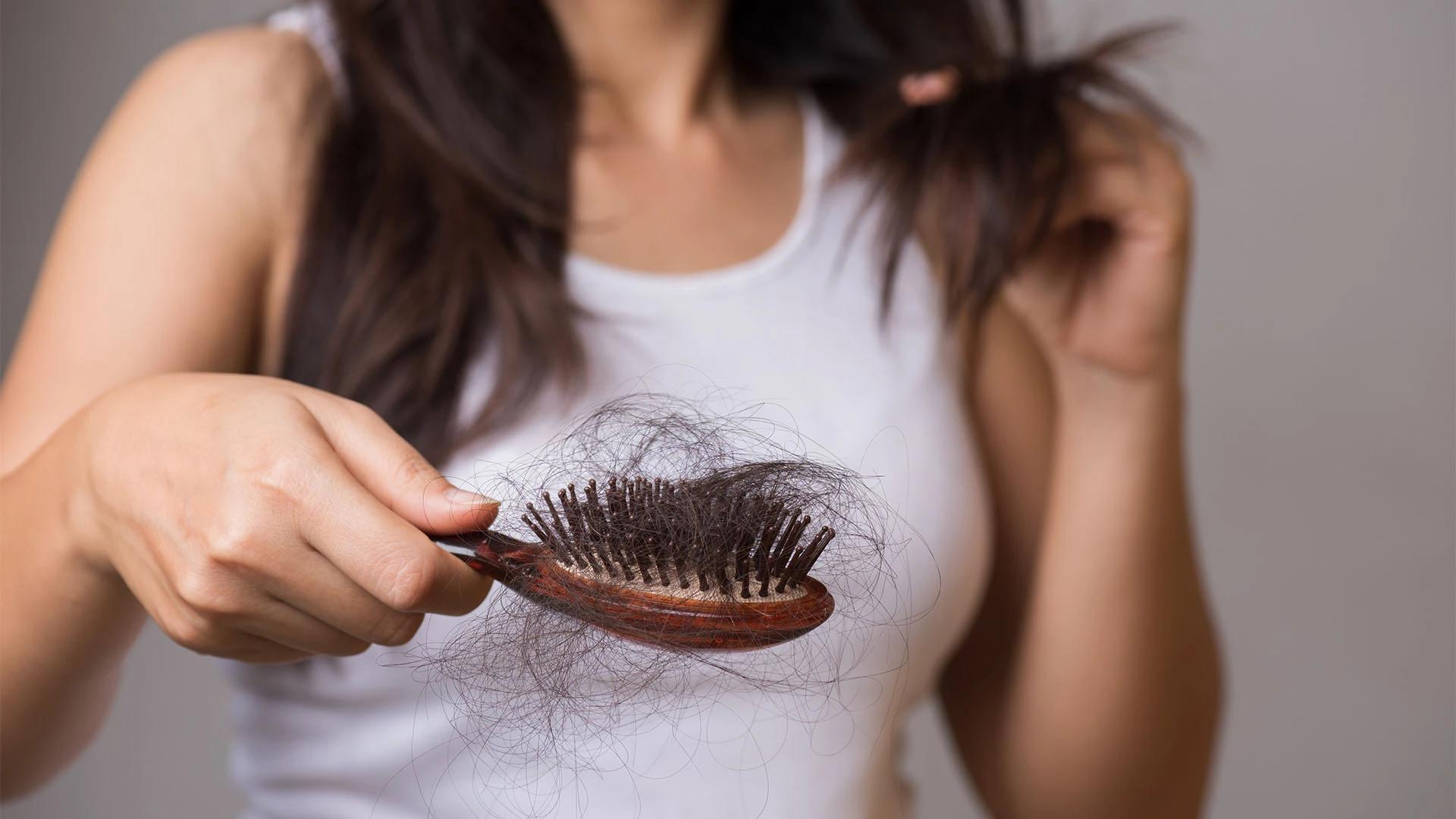
Let's be real—watching your hair fall out in clumps is absolutely terrifying. Whether it's finding strands all over your pillow or seeing way too much hair in the shower drain, hair fall can feel like your confidence is literally going down the drain too. But here's the thing: you're not powerless against it. Getting hair fall control isn't about expensive treatments or miracle cures—it's about understanding what's happening and taking the right steps to stop it in its tracks. From identifying the root causes to building a solid hair care routine, we're about to dive into expert-backed strategies that actually work. Ready to get your hair game back on track?
First things first—not all hair fall is created equal. Your hair naturally goes through cycles, and losing 50-100 strands daily is completely normal. Think of it like your hair's way of making room for new growth. But when you're pulling out way more than that, or noticing your ponytail getting thinner, that's when you need to get serious about hair fall control.
There are different types of hair loss, and knowing which one you're dealing with makes all the difference. Androgenetic alopecia (basically genetic hair loss) is the most common, affecting both men and women. Then there's telogen effluvium, which is usually triggered by stress, illness, or major life changes—think of it as your hair's dramatic response to life getting overwhelming. Alopecia areata causes patchy hair loss and is autoimmune-related.
Here's what's particularly frustrating for our generation: Gen Z is experiencing hair fall at younger ages than previous generations. Between constant stress, poor sleep schedules, environmental pollution, and let's be honest, questionable eating habits, our hair is taking a beating. Add in the pressure of social media and career stress, and it's no wonder hair thinning solutions are becoming a hot topic.
Watch out for these warning signs: excessive shedding that lasts more than a few weeks, visible thinning around your temples or crown, or hair that breaks easily when you run your fingers through it. If you're seeing any of these consistently, it's time to take action with proper hair fall treatment.
Getting to the bottom of your hair fall means playing detective with your own body. The causes are more varied than you might think, and often it's a combination of factors rather than just one culprit.
Nutritional deficiencies are huge players in hair health. Iron deficiency is particularly common, especially in women—your hair follicles need iron to function properly. Low protein levels can also wreak havoc since hair is basically made of protein. Vitamins D and B12 deficiencies are sneaky causes that often go unnoticed until the hair fall becomes obvious.
Hormonal imbalances can turn your hair growth cycle upside down. Thyroid issues, PCOS, and postpartum hormonal changes are major triggers. Even birth control changes can affect your hair. If you've noticed hair fall coinciding with any hormonal shifts, this could be your answer.
Lifestyle factors hit different when you're constantly stressed. Chronic stress literally pushes hair follicles into a resting phase, leading to increased shedding. Poor sleep disrupts the growth cycle, and smoking reduces blood flow to the scalp. These might seem unrelated to hair health, but your scalp health depends on good circulation and low stress levels.
Hair care mistakes are probably the easiest to fix but often the most overlooked. Over-washing strips natural oils, harsh chemicals damage the hair shaft, and excessive heat styling weakens the hair structure. Even brushing wet hair too aggressively can cause breakage that looks like hair fall.
Medical conditions like autoimmune disorders or scalp infections need professional attention. If you've ruled out other causes, it's worth getting checked for underlying health issues that might be affecting your hair growth.
When you're dealing with excessive hair fall, you want results yesterday. While long-term solutions are crucial, there are immediate steps you can take to stop hair fall from getting worse and give your scalp some relief.
Start with gentle scalp massage using your fingertips—not your nails. This improves blood circulation to hair follicles and can help with immediate hair strengthening. Try massaging for 5-10 minutes daily with oils like coconut, jojoba, or rosemary oil.
Switch to cold water rinses after washing your hair. Hot water opens up hair cuticles and makes them more prone to damage, while cold water seals them shut, reducing breakage. It's not the most comfortable change, but your hair will thank you.
Ditch tight hairstyles immediately. Ponytails, buns, and braids that pull on your hairline can cause traction alopecia. Give your hair a break and opt for loose styles that don't stress the follicles.
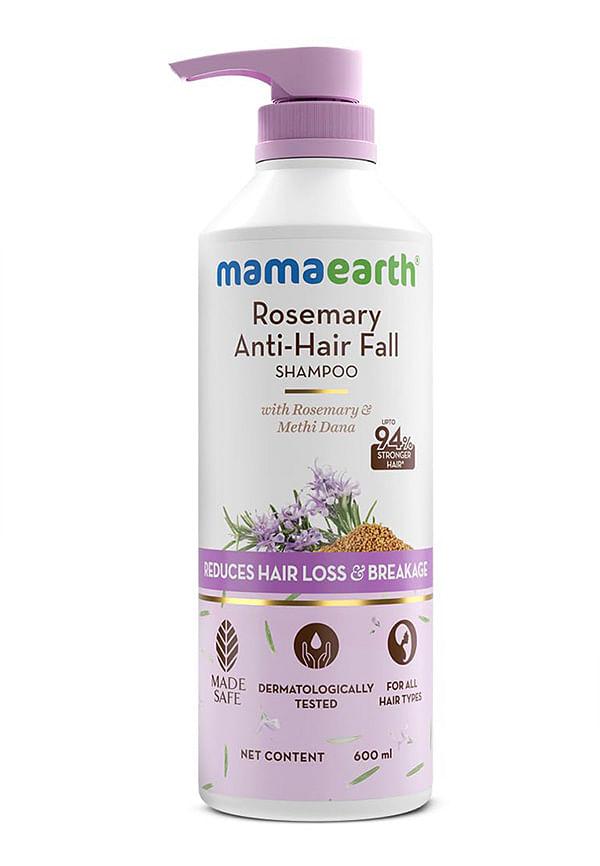 600 ml
Rosemary Anti-Hair Fall Shampoo with Rosemary & Methi Dana for Reducing Hair Loss & Breakage
Aloe vera gel is brilliant for soothing an irritated scalp. Apply fresh aloe vera gel directly to your scalp, leave it for 30 minutes, then rinse. It reduces inflammation and creates a healthier environment for hair growth.
Onion juice treatment might smell awful, but it's surprisingly effective. The sulfur compounds improve blood circulation and can stimulate hair follicles. Blend an onion, strain the juice, apply to your scalp for 15 minutes, then wash thoroughly.
Green tea rinse provides antioxidant protection for your hair follicles. Brew strong green tea, let it cool, and use it as a final rinse after shampooing. The catechins in green tea can help block DHT, a hormone linked to hair loss.
If natural remedies aren't cutting it, professional hair fall treatment options can provide faster results. PRP therapy uses your own blood platelets to stimulate hair growth, while low-level laser therapy can improve follicle health. These treatments require investment but often show results within a few months.
Your daily hair care routine is where the magic happens. Getting hair fall control isn't about using expensive products—it's about consistency and choosing the right techniques for your hair type.
Choosing the right hair fall control shampoo makes a massive difference. Look for sulfate-free formulas with DHT-blocking ingredients like ketoconazole, saw palmetto, or caffeine. These ingredients help create a healthier scalp environment and can reduce hair fall over time.
When conditioning, focus on the mid-lengths and ends of your hair, not the scalp. This prevents weighing down your roots while still providing moisture where you need it most. Your scalp produces natural oils, so adding conditioner there can actually clog follicles.
Frequency matters too. Most people don't need to wash their hair daily—2-3 times per week is usually sufficient. Over-washing strips natural oils and can irritate the scalp, leading to more hair fall.
Deep conditioning masks with keratin and biotin can significantly improve hair strength. Apply these treatments once a week, focusing on damaged areas. Leave them on for the recommended time—rushing this step won't give you the full benefits.
Scalp exfoliation might sound intense, but it's crucial for healthy hair growth. Use a gentle scrub or a brush designed for scalp massage once a week to remove buildup and improve circulation.
Hot oil treatments provide deep nourishment and can help with hair breakage remedy. Warm coconut, argan, or jojoba oil slightly, apply to your scalp and hair, leave for 30 minutes, then shampoo as usual.
Never skip heat protectant—ever. This is non-negotiable if you want to prevent further damage. Apply it to damp hair before any heat styling, and make sure it covers all sections evenly.
Limit heat styling to 2-3 times per week maximum. Your hair needs recovery time between heat sessions. When you do style, use the lowest temperature that still gives you results—usually around 150-180°C for most hair types.
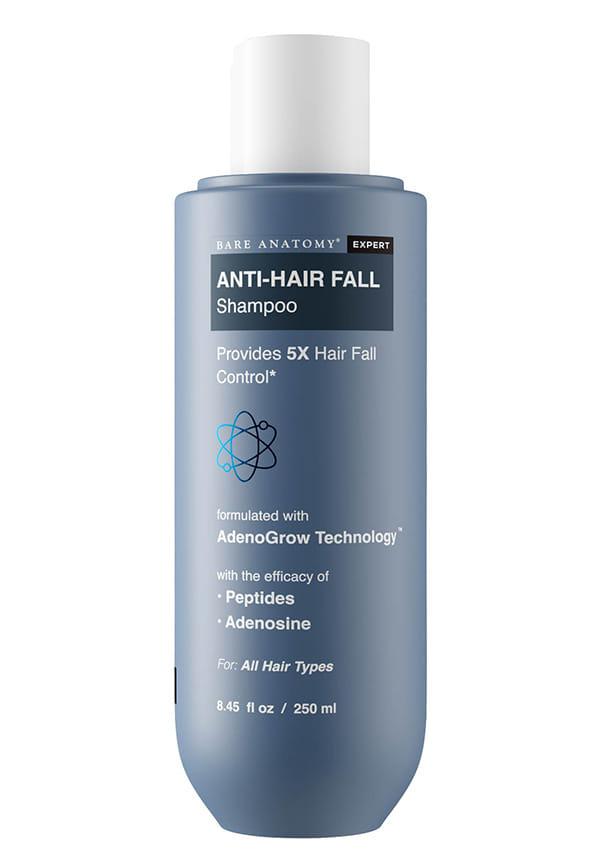 250 ml
Anti-Hair Fall Shampoo | Provides 5X Hair Fall Control
Prevention is always better than treatment, and natural approaches to hair loss prevention can be incredibly effective when done consistently. These strategies work from the inside out to support healthy hair growth.
Protein-rich foods are essential since hair is primarily made of keratin, a protein. Include eggs, fish, legumes, and nuts in your diet regularly. Aim for at least 50-60 grams of protein daily to support hair structure.
Iron sources like spinach, red meat, and lentils help prevent one of the most common causes of hair fall in women. If you're vegetarian, pair iron-rich foods with vitamin C to improve absorption.
Biotin and B-vitamins support the hair growth cycle. Avocados, sweet potatoes, and whole grains are excellent sources. These vitamins help create red blood cells that carry nutrients to hair follicles.
Stress management isn't just good for your mental health—it's crucial for hair health too. Try meditation, yoga, or regular exercise to keep stress levels manageable. Even 10 minutes of deep breathing daily can make a difference.
Sleep is when your body repairs and regenerates, including hair follicles. Aim for 7-9 hours of quality sleep nightly. Your hair growth cycle depends on adequate rest.
Daily scalp massage improves blood circulation and can help with hair strengthening tips. Spend 5-10 minutes massaging your scalp with your fingertips—it's relaxing and beneficial.
Switch to silk or satin pillowcases to reduce friction while you sleep. Cotton pillowcases can cause hair breakage, especially if you toss and turn at night.
Sometimes natural methods and good hair care routines aren't enough, and that's okay. Advanced hair fall treatment options exist for a reason, and knowing when to consider them can save you months of frustration.
Minoxidil is available over-the-counter and works by improving blood flow to hair follicles. It's particularly effective for crown thinning and can show results within 3-6 months of consistent use.
Finasteride requires a prescription and works by blocking DHT production. It's more commonly prescribed for men but can be used by women in certain cases under medical supervision.
Stem cell therapy and microneedling with growth factors are newer options that show promising results. These treatments stimulate dormant hair follicles and can be particularly effective for people who haven't responded to traditional treatments.
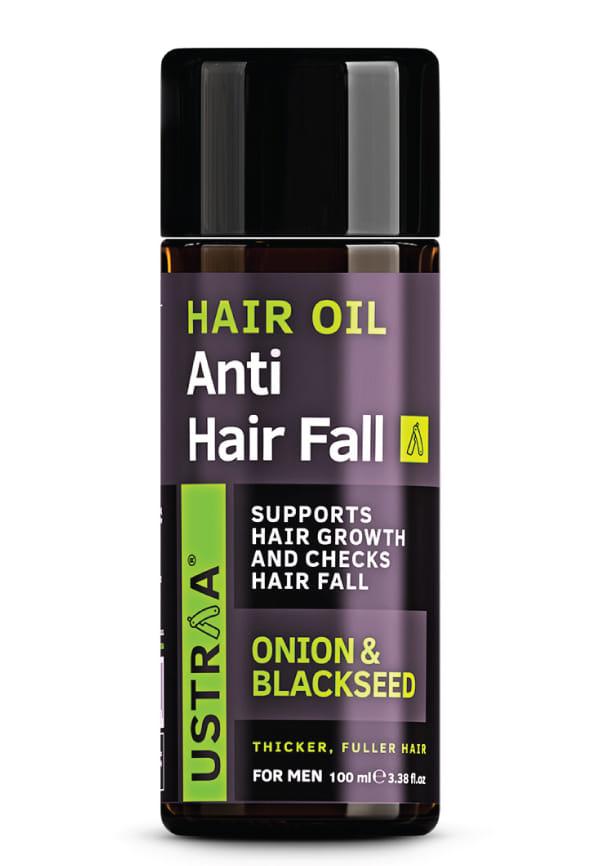 100 ml
Anti Hair Fall Hair Oil
Hair transplant procedures have also advanced significantly. FUE (Follicular Unit Extraction) and FUT (Follicular Unit Transplantation) offer permanent solutions for severe hair loss, though they require significant investment and recovery time.
Targeted supplements can fill nutritional gaps that might be contributing to hair fall. Biotin, collagen, and saw palmetto supplements are popular choices, but it's best to consult with a healthcare provider before starting any supplement regimen.
When exploring different hair fall treatment options, platforms like Smytten make it easier to try various haircare products without committing to full-size purchases. With trial packs from trusted brands, you can test what works for your specific hair type and concerns before investing in larger quantities.
While you can't stop hair fall overnight, immediate steps include gentle scalp massage, avoiding tight hairstyles, using cold water rinses, and reducing stress. Most effective treatments take 2-3 months to show visible results, so patience is key.
Yes, losing 50-100 strands daily is completely normal and part of your hair's natural growth cycle. However, if you're consistently losing more than this or noticing visible thinning, it's time to investigate potential causes and solutions.
Natural regrowth methods include scalp massage, essential oils like rosemary and peppermint, proper nutrition, stress management, and gentle hair care practices. While these methods can be effective, results vary based on the underlying cause of hair loss.
Complete prevention isn't always possible, especially with genetic factors, but hair fall can be significantly reduced and managed. The key is identifying triggers early and maintaining consistent care routines for long-term scalp health.
Look for shampoos containing ketoconazole, saw palmetto, caffeine, or biotin. The best choice depends on your specific hair type and the underlying cause of your hair fall. Sulfate-free formulas are generally gentler and better for daily use.
Getting hair fall control isn't about finding one magic solution—it's about understanding your unique situation and building a comprehensive approach that works for you. Whether you're dealing with stress-related shedding, nutritional deficiencies, or genetic factors, the key is consistency and patience.
Remember, healthy hair growth takes time. Most treatments need at least 2-3 months to show visible results, so don't get discouraged if you don't see immediate changes. Focus on creating sustainable habits: gentle hair care routines, stress management, proper nutrition, and regular scalp care.
The beauty of addressing hair fall today is that you have more options than ever before. From natural remedies and lifestyle changes to advanced treatments and innovative products, there's something for every budget and preference. Platforms like Smytten make it even easier to explore different solutions without the commitment, letting you try various haircare products from trusted brands before finding what works best for your hair.
Your hair journey is unique, and what works for someone else might not work for you—and that's perfectly fine. The important thing is to start somewhere and stay consistent. With the right approach and a bit of patience, you can regain control over your hair fall and work towards the healthy, strong hair you deserve.
