How to Get a Healthy Scalp with Exfoliation

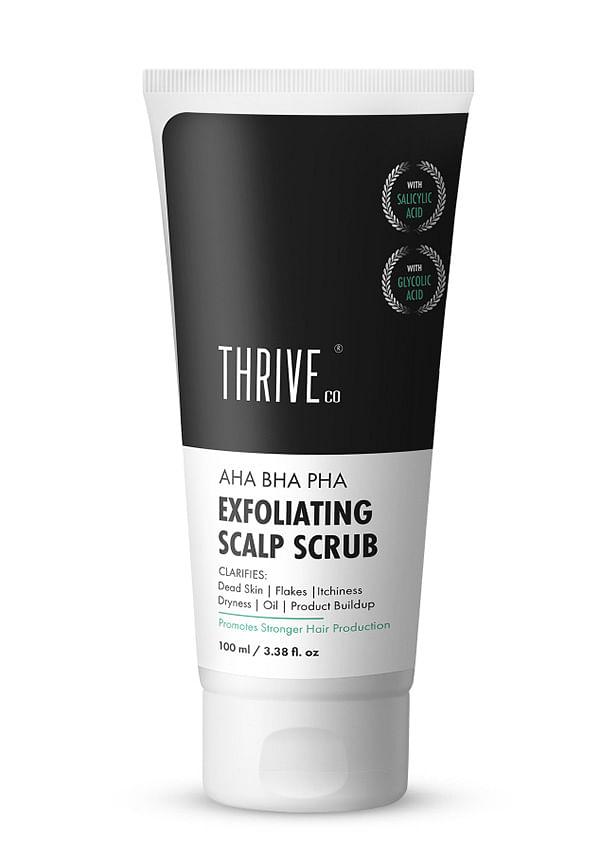
Aha Bha Pha Exfoliating Scalp Scrub
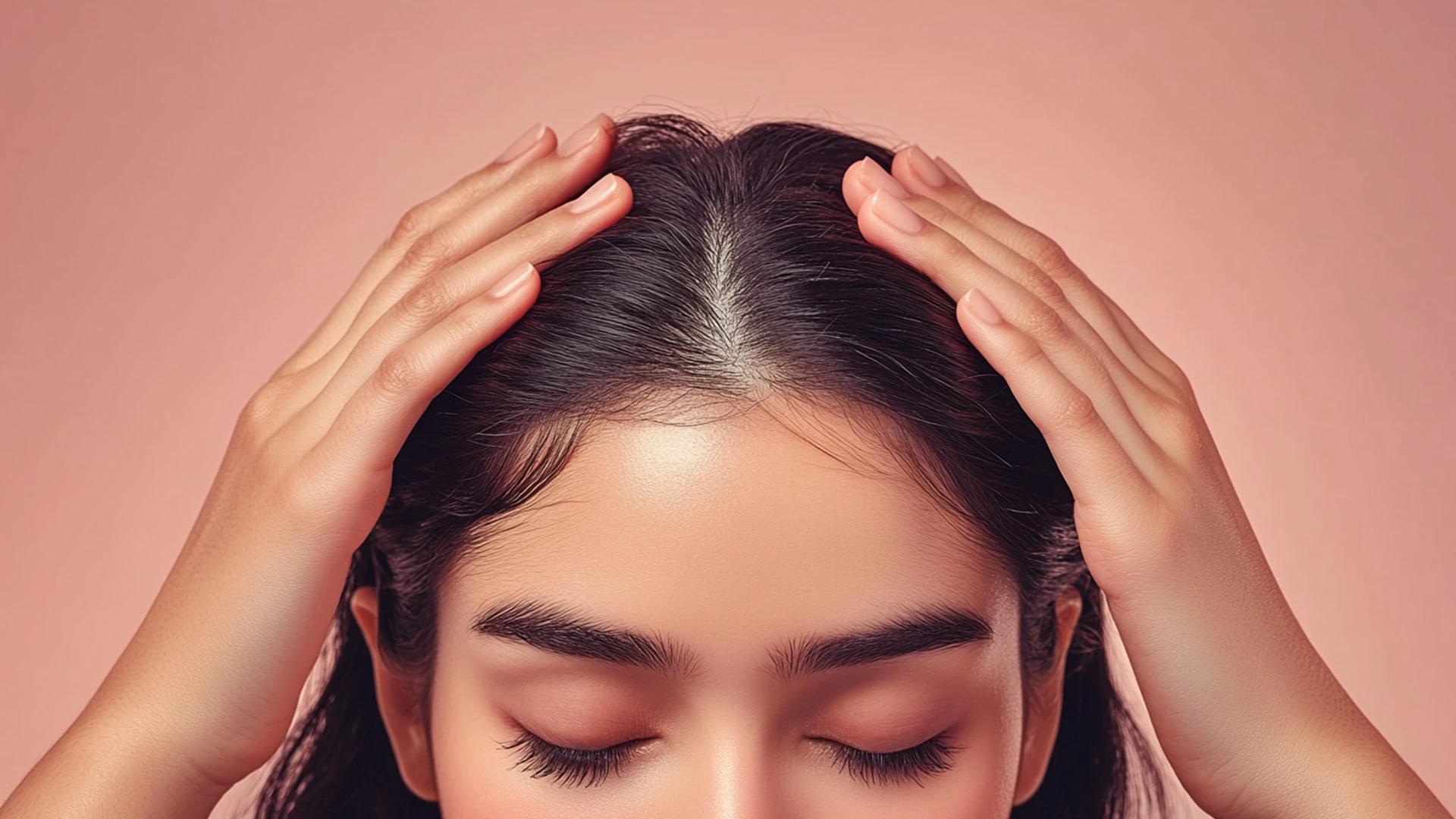
Ever noticed how your scalp feels tight, itchy, or just... off? You're washing your hair regularly, using good products, but something still doesn't feel right. Here's the thing your regular shampoo routine might be missing: proper scalp exfoliation. Just like your face needs that weekly scrub to stay clear and glowing, your scalp craves the same attention. Dead skin cells, product buildup, and excess oils can create a less-than-ideal environment for healthy hair growth. The good news? Learning how to properly exfoliate your scalp might just be the game-changer your hair routine has been waiting for.
Think of scalp exfoliation as a deep clean for your head. While your regular shampoo tackles surface-level dirt and oil, exfoliating scalp goes deeper. It's the process of removing dead skin cells, product residue, and stubborn buildup that your everyday wash just can't shift. Your scalp naturally sheds skin cells every 28 days, but sometimes they don't fall away as they should. Instead, they stick around, mixing with oils and styling products to create a cocktail that can clog hair follicles and leave your scalp feeling less than fresh.
The benefits of scalp exfoliation extend far beyond just feeling cleaner. When dead skin cells accumulate, they can block hair follicles, potentially affecting hair follicle health and creating an environment where issues like dandruff and irritation thrive. Regular exfoliation helps maintain a healthy scalp environment, which is the foundation for strong, healthy hair growth. It's like clearing the pathway for your hair to grow at its best potential.
What makes scalp exfoliation different from your usual wash routine is the mechanical or chemical action that physically removes these stubborn deposits. Whether through gentle scrubbing motions with a scalp scrub or chemical exfoliants that dissolve buildup, this process reaches areas that regular shampooing simply can't touch. The result? A cleaner, healthier foundation for your hair to flourish.
Real talk: the benefits of scalp exfoliation go way beyond just having a cleaner scalp. When you start incorporating this step into your routine, you're setting up your hair for success in multiple ways. From better product absorption to improved circulation, here's what regular scalp exfoliation can do for your hair health.
Your favourite dry shampoo, that texturising spray, even your leave-in conditioner—they all leave traces behind. Over time, these products create layers of buildup that can weigh your hair down and make it look dull. A good scalp scrub works like a reset button, lifting away these stubborn residues that regular shampooing leaves behind. This deep cleansing action helps restore your hair's natural bounce and shine whilst creating space for your follicles to breathe properly.
Here's where things get interesting. When you massage a scalp scrub into your head, you're not just cleaning—you're boosting blood circulation to your hair follicles. Better circulation means more nutrients and oxygen reaching the root of each hair strand. Unclogged follicles combined with improved blood flow create optimal conditions for hair growth. Whilst exfoliation won't magically make your hair grow faster overnight, it does remove barriers that might be holding back your hair's natural growth potential.
Those annoying white flakes on your shoulders? They're often just dead skin cells that haven't shed properly, mixed with oils and styling products. Exfoliating scalp helps break up these clusters and remove them before they become visible dandruff. Unlike some harsh anti-dandruff treatments that can dry out your scalp, gentle exfoliation addresses the root cause whilst maintaining your scalp's natural moisture balance. It's a more holistic approach to dandruff treatment that works with your scalp's natural processes.
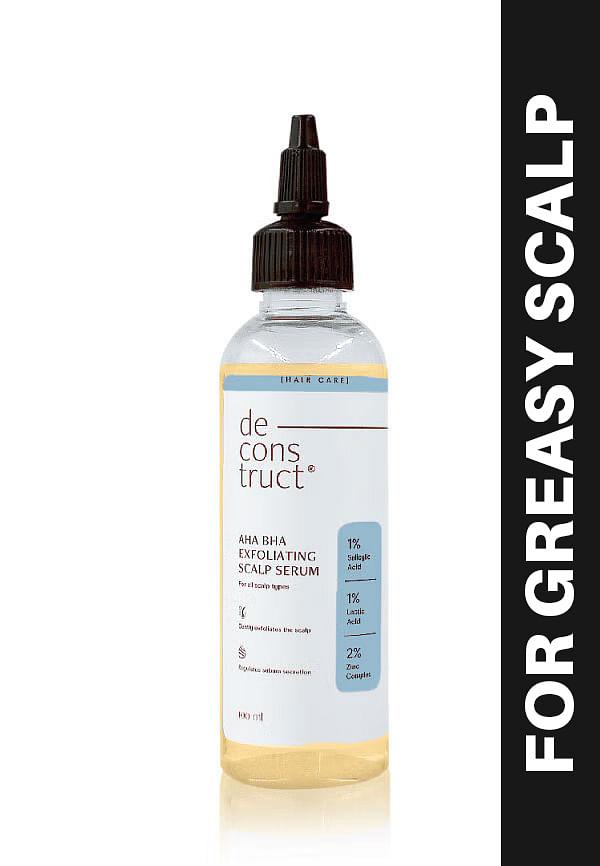
AHA BHA Exfoliating Scalp Serum - 1% Salicylic Acid + 1% Lactic Acid + 2% Zinc Complex
Think about applying moisturiser to dirty skin—it just sits on the surface, right? The same principle applies to your scalp. When buildup and dead skin cells create a barrier, your hair treatments, serums, and even your regular shampoo can't penetrate effectively. Regular scalp exfoliation clears this pathway, allowing your scalp care products to actually reach the areas where they can do the most good. You'll likely notice your treatments working better and faster once you start exfoliating regularly.
Not all exfoliation is created equal, and your scalp has different needs compared to the skin on your face or body. Understanding the two main types of scalp exfoliation—physical and chemical—helps you choose the right approach for your specific scalp concerns and sensitivity level.
Physical exfoliation uses granules or particles to manually scrub away dead skin cells and buildup. Think sugar scrubs, salt-based formulas, or products with gentle microbeads designed specifically for scalp use. The key here is finding the right balance—you want enough grit to be effective but not so much that you irritate your scalp. Look for scalp scrub products with rounded particles rather than sharp, jagged ones. When applying, use gentle circular motions with your fingertips, never your nails. The massage action itself provides additional benefits by stimulating blood flow to the area.
Chemical exfoliation works differently—instead of scrubbing, it uses acids or enzymes to dissolve the bonds holding dead skin cells together. Ingredients like salicylic acid (BHA) or glycolic acid (AHA) can provide effective scalp detox without any physical scrubbing. This method is particularly good for sensitive scalps or those dealing with conditions like seborrheic dermatitis. Chemical exfoliants tend to be more gentle and can reach into hair follicles more effectively than physical scrubs. However, they require more careful application and patch testing, especially if you have colour-treated hair.
Not ready to invest in commercial products? Your kitchen probably has everything you need for effective scalp exfoliation. DIY scalp scrubs can be just as effective as store-bought versions, plus you know exactly what's going on your head. Brown sugar mixed with a carrier oil like coconut or jojoba creates a gentle yet effective scrub that won't scratch your scalp. The sugar dissolves as you massage, providing just the right amount of exfoliation.
For those dealing with itchy scalp relief, apple cider vinegar makes an excellent chemical exfoliant. Mix one part ACV with three parts water and apply to damp hair before shampooing. The acidity helps dissolve buildup whilst balancing your scalp's pH. Tea tree oil, when diluted properly, adds antifungal properties that can help with dandruff and irritation. Just remember—a little goes a long way with essential oils.
Sea salt scrubs work well for oily scalps, but they can be drying, so follow up with a good conditioner. For a gentler option, try mixing oatmeal with honey and a bit of water to create a soothing exfoliating paste. The oatmeal provides gentle physical exfoliation whilst honey offers antimicrobial benefits and moisture. Always do a patch test with any DIY mixture, especially if you have sensitive skin or allergies.
Here's where personalisation becomes crucial. Your scalp's needs depend on several factors: how oily your scalp gets, how much product you use, your hair type, and your scalp's sensitivity level. Getting the frequency right makes the difference between healthy, balanced scalp and over-exfoliated irritation.
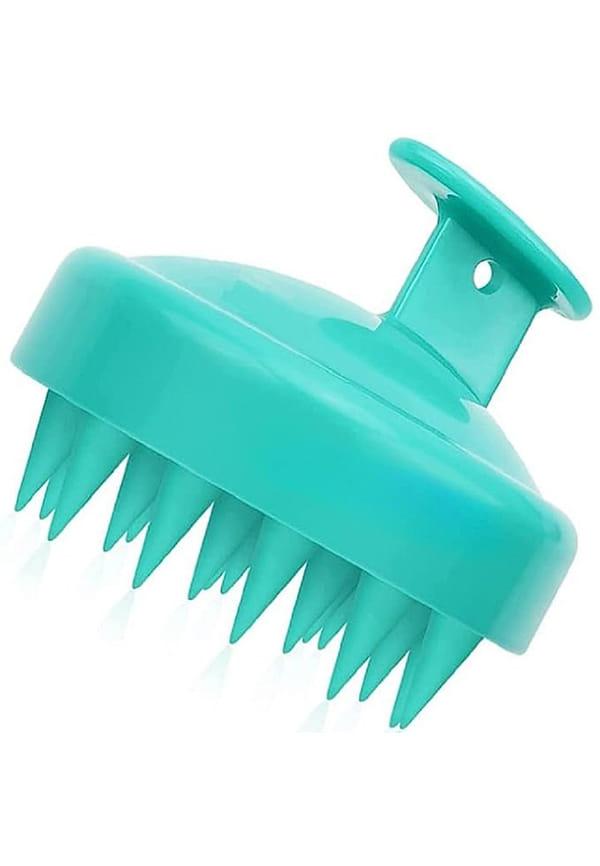
Dark Green Shampoo Brush and Scalp Scrubber
If you have an oily scalp that gets greasy within a day or two of washing, you can probably handle exfoliation once or twice a week. Your scalp produces more oil, which means more buildup accumulates faster. For those with dry or sensitive scalps, once every two to three weeks is usually plenty. Over-exfoliating dry scalps can lead to increased irritation and flaking—the opposite of what you're trying to achieve.
Heavy product users—think daily dry shampoo, lots of styling products, or regular use of leave-in treatments—might benefit from weekly scalp exfoliation to prevent buildup from becoming problematic. If you wash your hair daily and use minimal products, you might only need to exfoliate monthly or even less frequently.
Your scalp will tell you what it needs if you know what to look for. Increased flaking, itchiness, or that feeling like your hair never gets truly clean might indicate you need to exfoliate more frequently. On the flip side, redness, increased sensitivity, or a tight feeling after exfoliation suggests you're overdoing it. The goal is finding that sweet spot where your scalp feels clean and comfortable without any irritation.
Getting scalp exfoliation right isn't just about the products you use—technique matters just as much. Proper application ensures you get all the benefits whilst avoiding potential irritation or damage to your scalp and hair.
Before diving into any new scalp treatment, take a moment to assess your scalp's current condition. Look for any cuts, irritation, or signs of infection—exfoliating over broken skin can worsen these issues. If you have conditions like eczema, psoriasis, or severe dandruff, it's worth consulting with a dermatologist before starting regular exfoliation. They can recommend the best approach for your specific situation and help you avoid potential flare-ups.
Whether you're using a commercial scalp scrub or a DIY mixture, application technique makes all the difference. Start with damp hair—this helps the product spread more evenly and reduces friction. Use your fingertips, never your nails, to massage the scrub into your scalp using gentle circular motions. Focus on areas where buildup tends to accumulate: around the hairline, behind the ears, and the crown of your head.
Spend about two to three minutes massaging—this gives the exfoliant time to work whilst providing circulation benefits. Don't forget to rinse thoroughly; leftover scrub particles can cause irritation. Follow up with your regular shampoo and conditioner routine, paying extra attention to moisturising since exfoliation can temporarily increase your scalp's sensitivity.
The biggest mistake people make with scalp exfoliation is thinking more is better. Over-exfoliating can damage your scalp's protective barrier, leading to increased sensitivity, dryness, and even more flaking. Stick to your chosen frequency and resist the urge to scrub harder or more often if you don't see immediate results.
Another common error is using face scrubs on the scalp. The skin on your scalp is different from facial skin—it's thicker and has different needs. Products formulated specifically for scalp use are gentler and more appropriate. Also, avoid exfoliating immediately after chemical treatments like colouring or perming, as your scalp will be more sensitive during this time.
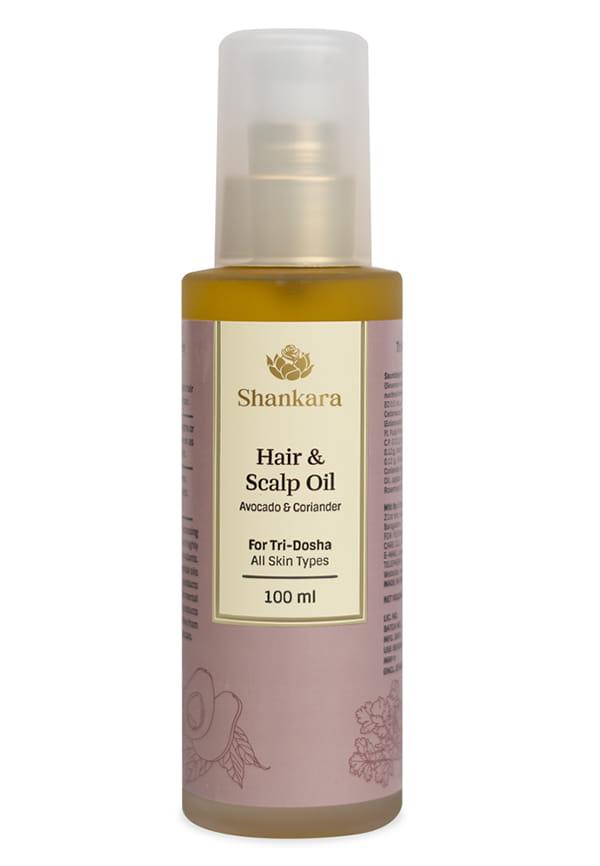
Hair & Scalp Oil
Yes, scalp exfoliation offers numerous benefits when done correctly. It removes dead skin cells, product buildup, and excess oils that can clog hair follicles and create an unhealthy scalp environment. Regular exfoliation can improve circulation, help with dandruff treatment, and create better conditions for healthy hair growth. However, it's important to choose the right method and frequency for your scalp type to avoid over-exfoliation.
Whilst scalp exfoliation doesn't directly speed up hair growth, it creates optimal conditions for your hair to grow at its natural rate. By removing buildup that can clog follicles and improving blood circulation through massage, exfoliation helps ensure your hair follicles have the best possible environment for healthy growth. Think of it as removing obstacles rather than accelerating the process.
Scalp exfoliation can help with certain types of hair thinning related to clogged follicles or poor scalp health, but it's not a cure for genetic hair loss or medical conditions. If buildup or scalp issues are contributing to hair problems, regular exfoliation might help improve the situation. However, significant hair loss should always be evaluated by a healthcare professional or dermatologist.
Regular shampoo cleanses the surface of your scalp and hair, removing daily dirt, oil, and light product residue. A scalp scrub provides deeper exfoliation, physically or chemically removing dead skin cells, stubborn buildup, and deposits that regular shampooing can't tackle. Think of shampoo as your daily clean and scalp scrubs as your weekly deep clean.
When done properly, scalp exfoliation is generally safe for most people. However, over-exfoliating can cause irritation, increased sensitivity, and damage to your scalp's protective barrier. People with sensitive skin conditions, scalp disorders, or recent chemical treatments should consult a dermatologist before starting regular exfoliation. Always patch test new products and start slowly to gauge your scalp's response.
Scalp exfoliation might just be the missing piece in your hair care puzzle. From removing stubborn buildup to creating better conditions for hair growth, the benefits of scalp exfoliation extend far beyond just feeling cleaner. Whether you choose physical scrubs, chemical exfoliants, or DIY natural methods, the key is finding what works for your specific scalp type and sticking to an appropriate frequency.
Remember, healthy hair starts with a healthy scalp. By incorporating regular exfoliation into your routine, you're investing in the long-term health and appearance of your hair. Start slowly, pay attention to how your scalp responds, and adjust your approach as needed. Your hair will thank you for the extra attention.
Ready to explore scalp care products that could transform your routine? Smytten offers curated selections from trusted brands, letting you discover what works best for your hair without committing to full-size products. Not sure which scalp scrub or exfoliating treatment suits your needs? Trial-size versions of many scalp care products are available—a smart way to test before investing in the full bottle.
