How to Fix Frizzy Hair: Understanding Frizzy Hair Causes


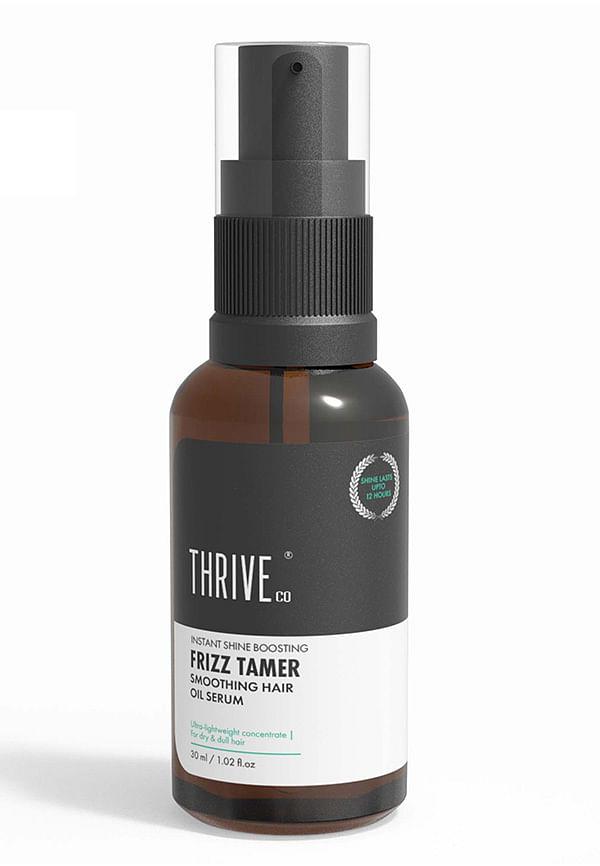 30 ml
30 mlFrizz Tamer Smoothening Hair Oil
Ever looked in the mirror and wondered why is my hair frizzy when you swear you followed your usual routine? You're definitely not alone in this hair struggle. Frizzy hair can feel like an unsolvable mystery, showing up uninvited on the most important days. But here's the thing - understanding what causes your hair to go rogue is the first step to getting it back under control. From humidity wreaking havoc to heat styling damage, there are actually quite a few culprits behind those unruly strands. Let's dive into the science of frizz and discover some game-changing solutions that might just become your new haircare obsession.
Real talk - frizzy hair isn't just about having a "bad hair day." It's actually your hair's way of telling you something's up with its structure. When your hair cuticles (those protective outer layers) start lifting up instead of lying flat, moisture escapes and your strands become desperate for hydration. Think of it like tiny scales on your hair shaft - when they're smooth and closed, your hair looks sleek. When they're raised and open, that's when the frizz party begins.
The main reason why is my hair frizzy comes down to moisture imbalance. When your hair lacks proper hydration, it tries to grab moisture from the air around you. This is why humid weather can turn even the most well-behaved hair into a frizzy mess. Your hair literally swells as it absorbs moisture from the environment, breaking those hydrogen bonds that keep your strands looking smooth.
Humidity and hair frizz go together like a bad rom-com duo. When there's moisture in the air, your dehydrated hair acts like a sponge, soaking it all up and expanding in the process. This is especially true if you live in coastal areas or places with high humidity levels year-round.
Your straightener might be your best friend, but it could also be the reason behind your frizz struggles. Excessive heat breaks down the protein structure in your hair, leaving the cuticles damaged and unable to lie flat. Once this damage happens, it's pretty much permanent unless you cut it off.
Dry frizzy hair is often the result of your scalp not producing enough natural oils, or those oils not making their way down your hair shaft properly. This is particularly common in people with curly or textured hair, where the natural oils have a harder time travelling down the hair's curves.
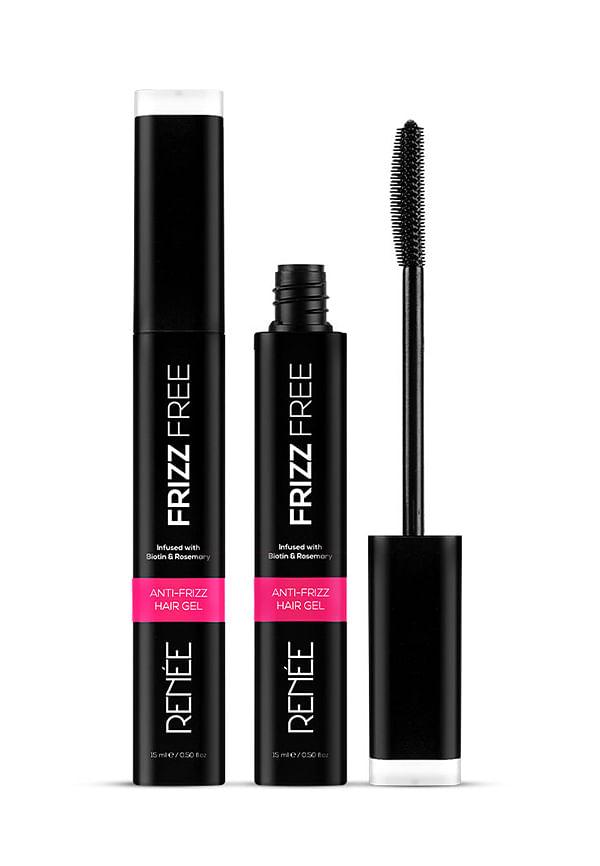 15 ml
15 mlFrizz Free Anti Frizz Hair Gel
Sometimes frizz seems to appear out of nowhere, leaving you wondering what changed. There are several sneaky culprits that might be behind your sudden frizz situation. Chemical treatments like colouring or bleaching can dramatically alter your hair's structure, making it more porous and prone to frizz. Even if your hair looked fine immediately after the treatment, the effects can become more noticeable over time.
Overwashing is another major trigger that many people don't realise. Washing your hair daily strips away those precious natural oils, leaving your strands crying out for moisture. Hard water can also be a silent frizz creator - those minerals build up on your hair shaft, creating a barrier that prevents moisture from getting in and makes your hair feel rough and unmanageable.
Don't underestimate the power of friction either. Sleeping on cotton pillowcases, roughly towel-drying your hair, or even wearing certain fabrics can create enough friction to lift your cuticles and trigger frizz. Hormonal changes, stress, and even seasonal transitions can also affect your hair's texture and moisture levels.
Now for the good stuff - how to fix frizzy hair and actually see results. The key is understanding that frizz control isn't about one magic product, but rather a combination of the right techniques, products, and habits. Think of it as building a frizz-fighting routine that works with your hair type rather than against it.
Start with the basics: how you wash and dry your hair makes a massive difference. Switching to a hydrating shampoo and only washing 2-3 times a week can help preserve your hair's natural oils. When you do wash, focus the shampoo on your scalp rather than the lengths of your hair.
Your drying technique is crucial for frizzy hair solutions. Ditch the regular towel and invest in a microfibre one instead. The smoother surface creates less friction and helps prevent cuticle damage.
• Gently squeeze water out rather than rubbing vigorously • Apply leave-in conditioner to damp hair • Use a wide-tooth comb to detangle, starting from the ends • Air dry when possible, or use a diffuser on low heat
When it comes to anti frizz products, ingredients matter more than fancy packaging. Look for products containing hyaluronic acid, glycerin, or natural oils like argan or jojoba. These ingredients help lock in moisture and create a protective barrier around your hair shaft.
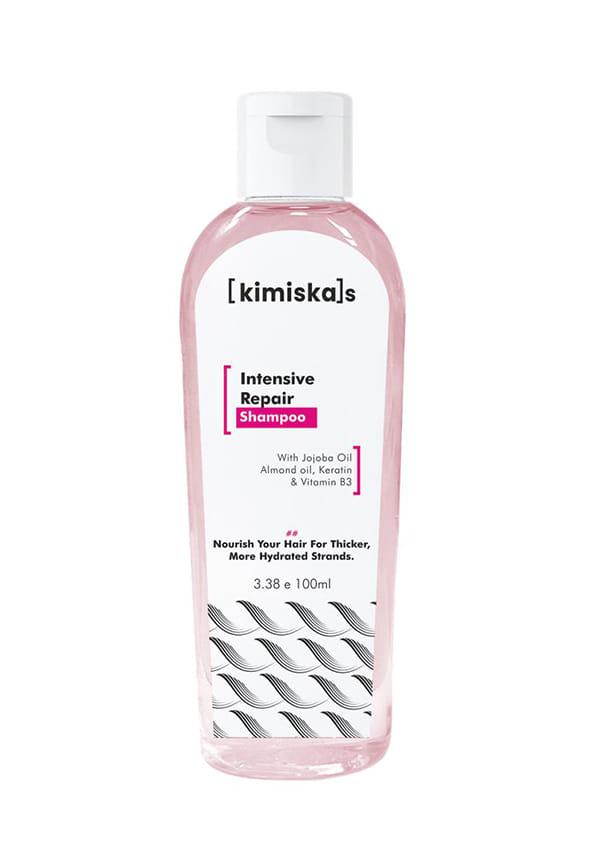 100 ml
Intensive Hair Repair Shampoo for Dry and Frizzy Hair
• Deep conditioning masks once a week • Leave-in conditioners with heat protection • Lightweight hair oils for sealing moisture • Humidity-blocking serums for extra protection
Building an effective routine for hair frizz control means thinking beyond just products. Your daily habits play a huge role in how your hair behaves. Start your morning routine by refreshing your hair with a spray bottle filled with water and a tiny bit of leave-in conditioner. This helps reactivate any products from the previous day and adds back moisture.
For long-term frizzy hair remedies, consistency is everything. Protect your hair while you sleep by switching to silk or satin pillowcases, or try the "pineapple" method - loosely gathering your hair at the very top of your head with a silk scrunchie. This prevents friction and helps maintain your hair's shape overnight.
Your hair needs some extra TLC to stay frizz-free. Weekly deep conditioning treatments can help repair damage and prevent future frizz.
• Protein treatments for damaged hair • Moisturising masks for dry hair • Scalp treatments to promote healthy oil production • Regular trims to remove damaged ends
Understanding your specific frizzy hair types helps you choose the right approach. Fine, frizzy hair needs lightweight products that won't weigh it down, while thick, coarse hair can handle richer formulations. Curly hair often needs more moisture and less manipulation, whilst straight hair might benefit from smoothing serums and heat protection.
The beauty of exploring different haircare solutions is that you don't have to commit to full-size products right away. Platforms like Smytten let you try mini versions of products from trusted brands, so you can discover what works for your specific hair needs without the commitment. With trial packs available from over 1,500 brands, you can experiment with different anti frizz products and find your perfect match.
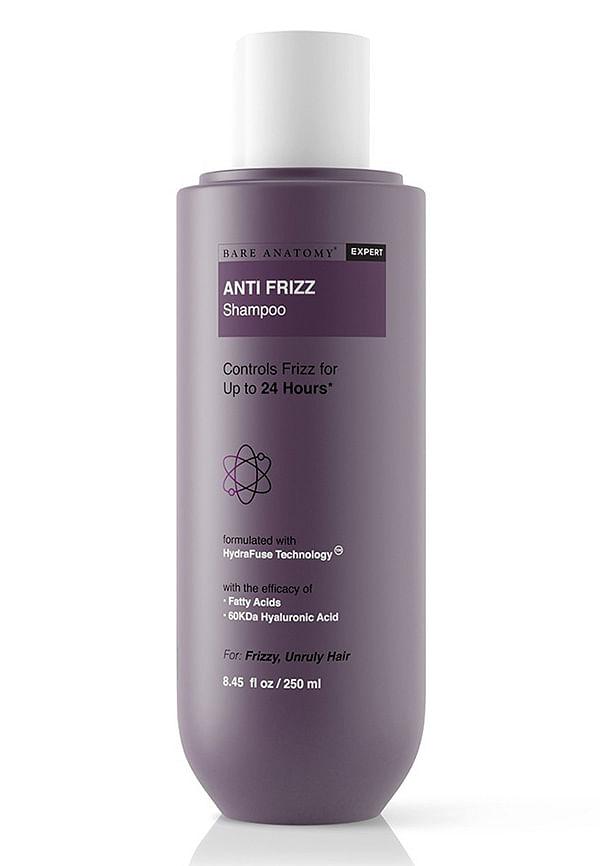 250 ml
Expert Anti-Frizz Shampoo Tames Frizz For Up To 24 Hours
Start with proper hydration - use a moisturising shampoo and conditioner, apply leave-in treatments to damp hair, and protect your hair from heat and friction. Consistency with your routine is key to seeing long-term results.
Not necessarily. Some people naturally have more textured hair that's prone to frizz. However, sudden changes in frizz levels can indicate damage from heat, chemicals, or environmental factors.
Overnight friction from cotton pillowcases, tossing and turning, and loss of moisture while you sleep all contribute to morning frizz. Try silk pillowcases and protective hairstyles for sleeping.
While you can't permanently change your hair's natural texture, you can significantly reduce frizz through consistent care, proper products, and protective styling techniques. Professional treatments like keratin can provide longer-lasting smoothness.
Hair ends are the oldest part of your hair and have been exposed to more damage over time. They're also furthest from your scalp's natural oils. Regular trims and concentrated moisture treatments for the ends can help.
Understanding why is my hair frizzy is the first step towards finding solutions that actually work for your unique hair needs. Remember, managing frizzy hair isn't about fighting against your natural texture - it's about working with it and giving your hair the moisture and protection it craves. The right combination of gentle techniques, quality products, and consistent care can transform even the most stubborn frizz into manageable, healthy-looking hair.
Finding the perfect products for your hair type doesn't have to involve expensive trial and error. With Smytten's curated trial packs from brands like Love, Beauty & Planet and Bella Vita, you can explore different frizzy hair solutions risk-free. After all, why settle for maybe when you can try it all and discover what truly works for your hair?
