How to Find Your Hair Texture: Complete Guide

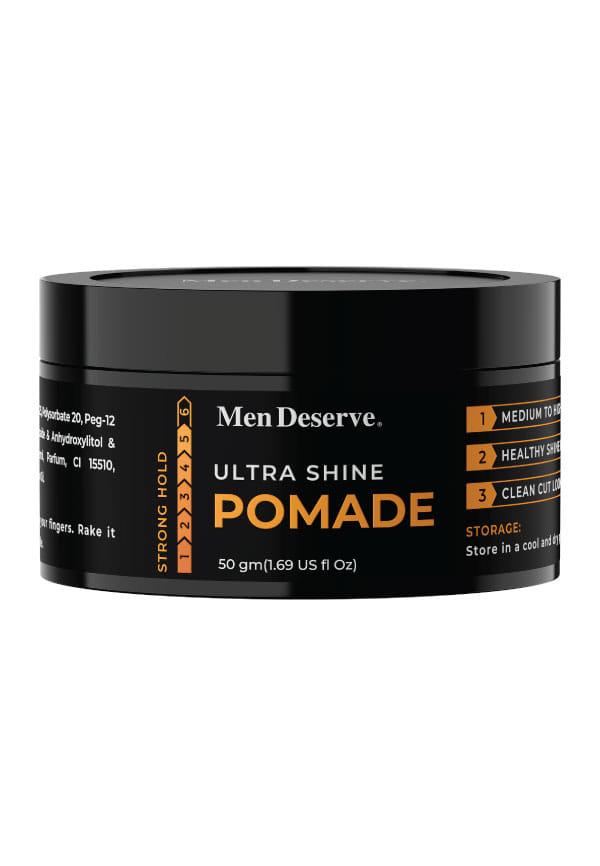 50 gm
50 gmHair Styling Ultra Shine Pomade for Strong Hold and Wet Look Hairstyle
Ever wondered why that expensive shampoo your friend swears by leaves your hair looking flat, whilst their locks look absolutely gorgeous? The answer often lies in understanding your unique hair texture. Knowing how to find your hair texture is like having a secret code to unlock your best hair days. It's not just about whether your hair is curly or straight—there's so much more beneath the surface. From the thickness of individual strands to how your hair absorbs moisture, every detail matters when building the perfect haircare routine. Let's dive into this complete guide that'll help you decode your hair's unique personality and give it exactly what it needs to thrive.
Real talk—most people mix up hair texture and hair type, but they're actually two completely different things. Hair texture refers to the thickness or diameter of your individual hair strands, whilst hair type is all about your curl pattern. Think of texture as the building blocks and type as the architecture.
Your hair texture falls into three main categories: fine, medium, or coarse. This has nothing to do with how much hair you have on your head (that's density) or whether it's curly or straight. A person with fine hair can have loads of it, whilst someone with coarse hair might have less volume but thicker individual strands.
Why does this matter? Because your hair texture determines how products will work on your hair, how much moisture it needs, and what styling techniques will give you the best results. Fine hair might get weighed down by heavy oils, whilst coarse hair often craves that extra moisture. Understanding this foundation helps you make smarter choices about everything from shampoo to styling tools.
Let's break down the hair texture chart so you can identify where your strands fit in. Each texture type has its own superpowers and challenges, and knowing yours is the first step to working with your hair instead of against it.
Fine hair has the smallest diameter of individual strands. If you hold a single strand between your fingers, you might barely feel it. Fine hair often feels silky and soft but can appear limp or lack volume. The good news? It's usually the easiest to style and holds curls beautifully once you know the right techniques.
Medium hair texture is the sweet spot—not too thick, not too thin. You can definitely feel individual strands when you roll them between your fingers, and they have a nice balance of strength and flexibility. This texture type is quite versatile and works well with most products and styling methods.
Coarse hair has the largest diameter and feels quite substantial when you touch it. These strands are strong and resilient but can sometimes feel rough or wiry. Coarse hair often has natural volume and body but may need extra moisture to stay smooth and manageable.
Now that we've covered texture, let's talk about hair types and curl patterns. The hair type system ranges from 1 to 4, with subcategories A, B, and C that indicate increasing curl intensity within each type.
Understanding your curl pattern helps you choose the right products and techniques for your specific needs. Whether you're dealing with stubborn waves that won't hold or tight coils that need extra moisture, knowing your type makes all the difference.
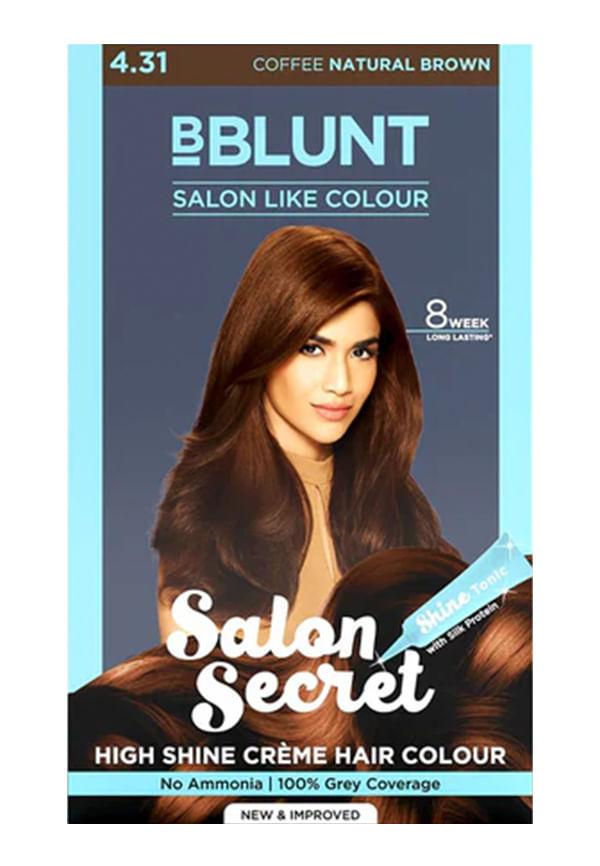 131 gm
Salon Secret High Shine Conditioning Hair Colour
Type 1A is pin-straight and fine, often resistant to holding curls. Type 1B has a slight body and some subtle waves at the ends. Type 1C has more body with gentle waves throughout and can hold styles better than 1A or 1B.
Type 2A has loose, barely-there waves that are easy to straighten. Type 2B features more defined waves with some frizz, especially in humid weather. Type 2C has strong waves with some curls and tends to be more resistant to straightening.
Type 3A has large, loose curls that are shiny and well-defined. Type 3B features springy curls with more volume and some frizz. Type 3C has tight, corkscrew curls that are densely packed and prone to dryness.
Type 4A has soft coils that are well-defined when moisturised. Type 4B features Z-pattern coils with less definition and more shrinkage. Type 4C has the tightest curl pattern with maximum shrinkage and requires the most moisture.
Ready to become a hair detective? These simple tests will help you determine your exact hair texture and type without any guesswork. The best part is you can do all of these at home with things you probably already have.
Before starting any test, make sure your hair is clean and free from products. This gives you the most accurate reading of your natural hair characteristics.
Take a single strand of hair from your brush or pillow (not pulled from your head). Roll it between your thumb and forefinger. If you can barely feel it, you have fine hair. If you can feel it but it's not thick, you have medium hair. If it feels quite thick and substantial, you have coarse hair.
Compare your hair strand to a piece of sewing thread. Fine hair will be thinner than the thread, medium hair will be about the same thickness, and coarse hair will be noticeably thicker.
This test helps determine hair density. Put your hair in a ponytail and measure the circumference. Less than 5cm indicates low density, 5-10cm is medium density, and more than 10cm suggests high density.
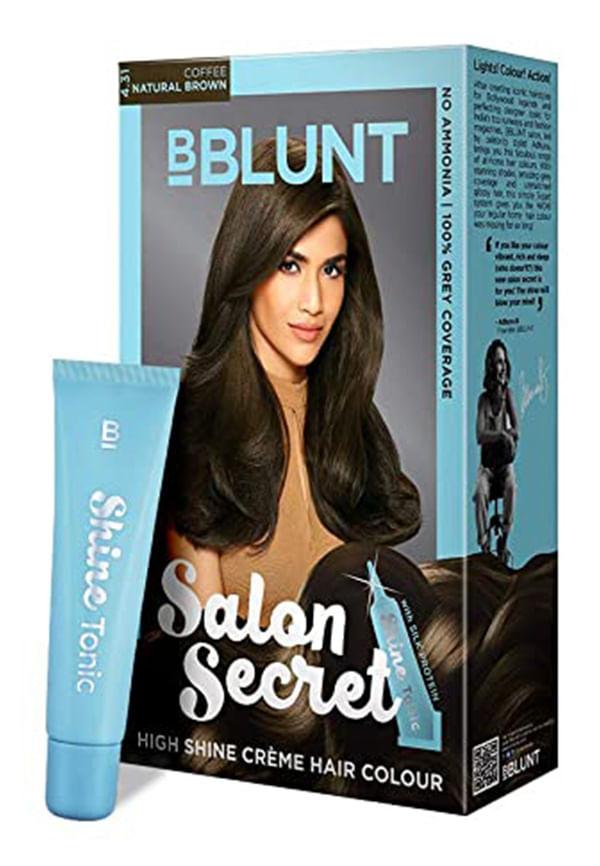 108 gm
Salon Secret High Shine Crème Hair Colour
Hair porosity is all about how well your hair absorbs and retains moisture. Think of your hair cuticles like roof tiles—when they're tightly packed, moisture has trouble getting in (low porosity). When they're raised or damaged, moisture goes in and out easily (high porosity).
Understanding your hair porosity is crucial for choosing the right products and treatments. It explains why some people's hair drinks up moisture whilst others struggle with product buildup.
Low porosity hair has tightly closed cuticles that resist moisture. It takes longer to get wet in the shower and longer to dry. Products often sit on top rather than absorbing, leading to buildup. The trick is using heat to open the cuticles and choosing lighter products.
Normal porosity hair has cuticles that open and close properly, allowing moisture in and keeping it there. This hair type is generally easy to manage and responds well to most products and treatments.
High porosity hair has gaps in the cuticles, often from damage or genetics. It absorbs moisture quickly but loses it just as fast. This hair type benefits from protein treatments and heavier products to fill the gaps and seal in moisture.
Drop a clean strand of hair into a glass of water. If it floats, you have low porosity. If it sinks slowly, you have normal porosity. If it sinks quickly, you have high porosity.
Now comes the fun part—creating a haircare routine that actually works for your specific texture. No more guessing or copying what works for someone else. Let's break down what each texture type needs to look and feel its best.
Remember, your hair texture analysis should guide your product choices, not limit them. The goal is to work with your natural texture, not against it.
Fine hair needs lightweight products that won't weigh it down. Look for volumising shampoos and avoid heavy oils or thick creams. Dry shampoo is your best friend for adding texture and grip. When conditioning, focus on the mid-lengths and ends, avoiding the roots.
Medium hair is quite forgiving and can handle a variety of products. You can use slightly heavier moisturisers than fine hair but lighter than coarse hair. This texture responds well to regular deep conditioning treatments and can handle heat styling better than fine hair.
 Pack of 2
Salon Secret High Shine Creme Hair Colour Fashion Cherry Red - Pack Of 2
Coarse hair craves moisture and can handle richer, heavier products. Look for creamy shampoos and deep conditioning masks. Oil treatments work beautifully on this texture. You might need to wash less frequently to avoid stripping natural oils.
This is where platforms like Smytten become invaluable. With over 1,500 trusted haircare brands available in trial sizes, you can experiment with different products without committing to full sizes. Whether you're testing a new shampoo for fine hair or trying a deep conditioning mask for coarse strands, you can discover what works best for your unique texture through curated trial packs.
Your basic hair texture rarely changes, but it's worth reassessing annually or after major life changes like pregnancy, medication changes, or significant stress. Chemical treatments can temporarily alter how your hair behaves.
Yes, hair texture can change due to hormones, age, health conditions, or chemical treatments. Many people notice changes during puberty, pregnancy, menopause, or after chemotherapy.
This is completely normal! Many people have different textures in different areas. Treat each section according to its needs, or choose products that work for your most dominant texture.
Chemical treatments like relaxers, perms, or colour can temporarily change your hair's behaviour and porosity. Wait at least 6-8 weeks after chemical processing to accurately assess your natural texture.
Hair texture itself doesn't differ between genders, but hormones can influence hair thickness and growth patterns. Men and women with the same texture type will have similar care needs.
As we age, hair often becomes finer and more fragile due to decreased oil production and hormonal changes. What worked in your twenties might need adjusting in your forties and beyond.
Understanding your hair texture is like having a roadmap to your best hair days. Whether you've discovered you have fine, medium, or coarse hair, or you're somewhere in between, the key is working with your natural texture rather than fighting against it. Remember that hair texture analysis is just the beginning—your porosity, curl pattern, and density all play important roles in determining the perfect routine.
The beauty of knowing your hair texture lies in making informed choices about products and techniques. Instead of trying every trending product, you can focus on what actually works for your specific needs. With platforms like Smytten offering trial sizes from trusted brands, you can experiment safely and affordably until you find your perfect match. After all, why settle for 'maybe' when you can discover exactly what makes your hair thrive?
