How to Exfoliate Your Scalp for Healthier Hair

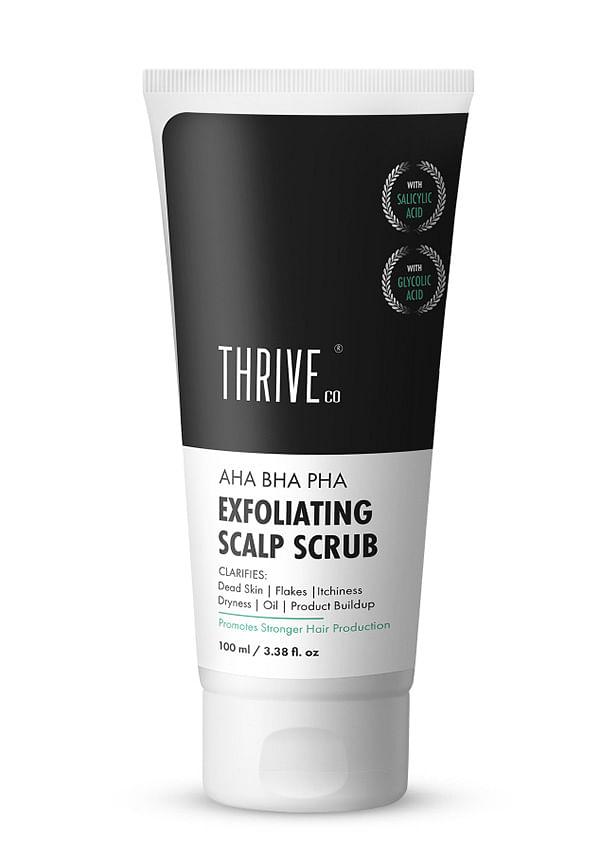
Aha Bha Pha Exfoliating Scalp Scrub
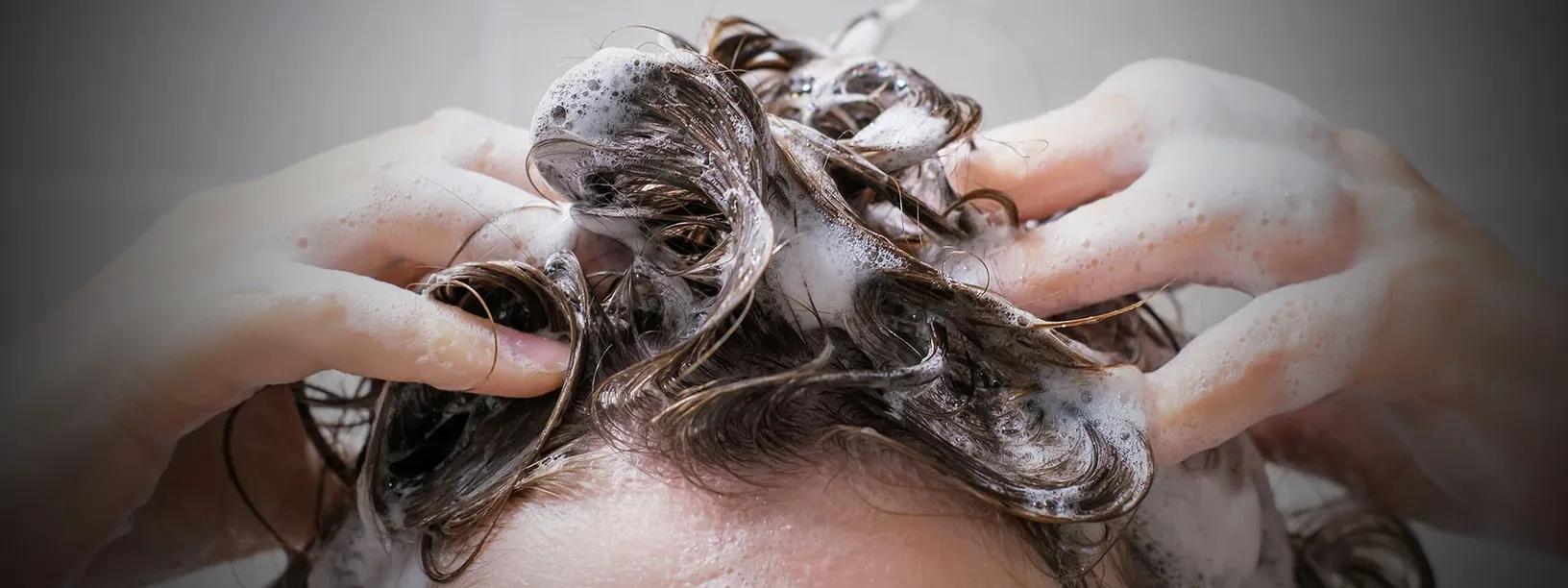
Ever noticed how your scalp feels like it's carrying the weight of a week's worth of dry shampoo, styling products, and general life stress? That tight, itchy feeling that makes you want to scratch your head in the middle of an important meeting? Real talk — your scalp might be crying out for some serious TLC. Just like your face needs regular exfoliation to stay clear and glowing, your scalp deserves the same attention. Think of scalp exfoliation as a reset button for your hair health, clearing away the buildup that's been holding your locks back from their full potential.
Scalp exfoliation is basically spring cleaning for your head. It's the process of removing dead skin cells, excess oil, and product buildup that accumulates on your scalp over time. Your scalp naturally sheds skin cells every day — about 30,000 to 40,000 of them, actually — but sometimes they don't shed properly and end up clogging your hair follicles.
When dead skin cells pile up, they create a barrier that prevents your hair follicles from breathing properly. This buildup can lead to a whole host of issues: dandruff, itchy scalp problems, slower hair growth, and that general feeling that your hair just isn't as healthy as it could be. Your hair follicles need a clear path to grow strong, healthy strands, and that's where proper scalp health comes into play.
Signs your scalp is begging for exfoliation include persistent dandruff that won't budge with regular shampoo, an itchy scalp that has you reaching for your head throughout the day, hair that feels limp despite using volumising products, or an oily scalp that seems to get greasy within hours of washing. If any of these sound familiar, it's time to add scalp exfoliation to your routine.
Let's get into why scalp exfoliation isn't just another beauty trend but actually makes scientific sense. When you exfoliate your scalp, you're essentially giving your hair follicles room to breathe and function optimally. Dead skin cells that accumulate around the follicle opening can restrict hair growth and make existing strands appear dull and lifeless.
One of the biggest scalp massage benefits is improved blood circulation. When you massage an exfoliating treatment into your scalp, you're increasing blood flow to the area, which delivers more nutrients and oxygen to your hair follicles. Better circulation means stronger, healthier hair growth over time.
For those dealing with dandruff, regular exfoliation can be a game-changer as an effective dandruff treatment. Dandruff often occurs when dead skin cells clump together with oil and yeast on the scalp. By regularly removing these buildup layers, you're addressing one of the root causes of flakiness.
Scalp exfoliation also helps balance oil production. If you have an oily scalp, removing excess sebum and dead skin can actually signal your scalp to produce less oil over time. Conversely, if you're dealing with dry scalp issues, gentle exfoliation followed by proper moisturising can help your scalp maintain better hydration levels.
Physical exfoliation involves using a scalp scrub with granular ingredients like sugar, salt, or oatmeal to manually remove dead skin cells. These scrubs work through gentle friction and are great for those who like the immediate satisfaction of feeling buildup being removed. The key is using gentle pressure — your scalp isn't as tough as the skin on your body.
Chemical exfoliation uses ingredients like salicylic acid or alpha hydroxy acids found in specialised exfoliating shampoos. These ingredients dissolve the bonds between dead skin cells, making them easier to wash away. Chemical exfoliation tends to be gentler and more suitable for sensitive scalps or those with conditions like seborrheic dermatitis.
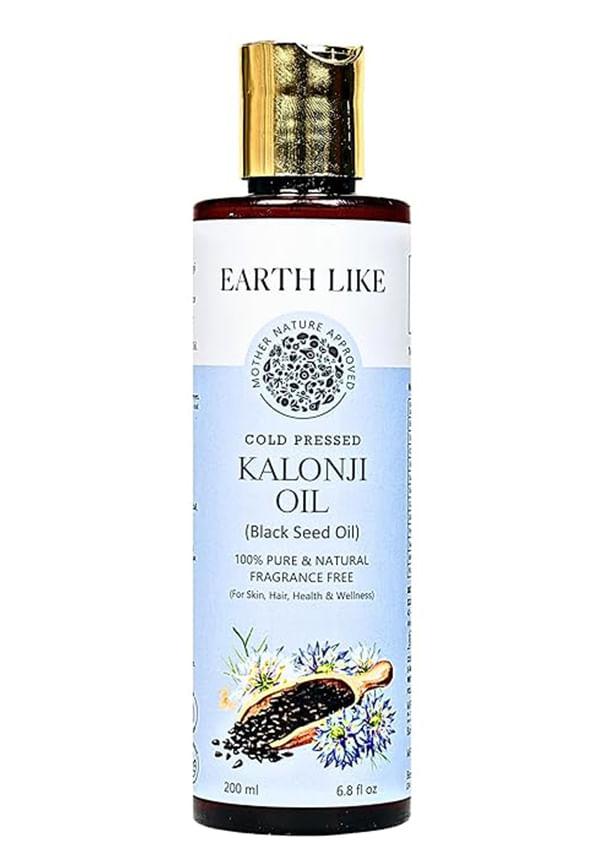
Kalonji Black Seed Oil for Healthy Hair, Skin Hydration & Scalp Nourishment
Ready to give your scalp the attention it deserves? Here are several tried-and-tested methods you can do from the comfort of your bathroom. The beauty of learning how to exfoliate your scalp at home is that you can customise the experience based on what your scalp needs most.
Brown sugar and coconut oil make an excellent gentle scalp scrub. Mix two tablespoons of brown sugar with one tablespoon of melted coconut oil. The sugar provides gentle exfoliation while coconut oil moisturises and has antimicrobial properties. Apply this mixture to damp hair, focusing on the scalp, and massage in gentle circular motions for three to five minutes before rinsing thoroughly.
For sensitive scalps, try an oatmeal and honey mixture. Blend half a cup of oats into a fine powder, then mix with two tablespoons of honey and a splash of water to create a paste. Oatmeal is naturally soothing and anti-inflammatory, making it perfect for irritated scalps.
Baking soda works as a clarifying treatment for monthly deep cleaning. Mix one tablespoon of baking soda with enough water to form a paste. This method is particularly effective for removing stubborn product buildup, but use it sparingly as baking soda can be quite alkaline.
Oil-based exfoliation combines the benefits of scalp massage with nourishing ingredients. Mix castor oil with fine sea salt for a treatment that promotes circulation while providing deep cleansing. Castor oil is known for its hair growth properties, making this method particularly beneficial for those looking to improve hair thickness.
You can enhance any oil-based scrub with essential oils. Add a few drops of tea tree oil for its antifungal properties, or peppermint oil for a cooling sensation that boosts circulation. Always dilute essential oils properly — they're potent and can irritate if used undiluted.
Apple cider vinegar works as a chemical exfoliant, dissolving product buildup and balancing your scalp's pH. Mix one part apple cider vinegar with four parts water. After shampooing, pour this mixture over your scalp, massage gently, and let it sit for two to three minutes before rinsing. The acidity helps break down stubborn residue while clarifying your hair.
While DIY methods are fantastic, sometimes you want the convenience of ready-made products. Scalp brushes with silicone bristles can enhance your exfoliation routine by providing consistent pressure and coverage. Look for brushes specifically designed for scalp use — they're gentler than regular hair brushes and often have antimicrobial properties.
Commercial exfoliating shampoos containing salicylic acid, glycolic acid, or zinc pyrithione offer convenience and consistent results. These products are formulated specifically for scalp use and often combine cleansing with exfoliation in one step. They're particularly useful for those with busy lifestyles who want effective results without the prep time of DIY treatments.
When choosing tools, prioritise hygiene. Clean your scalp brush after each use and replace it every few months to prevent bacteria buildup. Quality tools might cost more upfront but will serve you better in the long run.
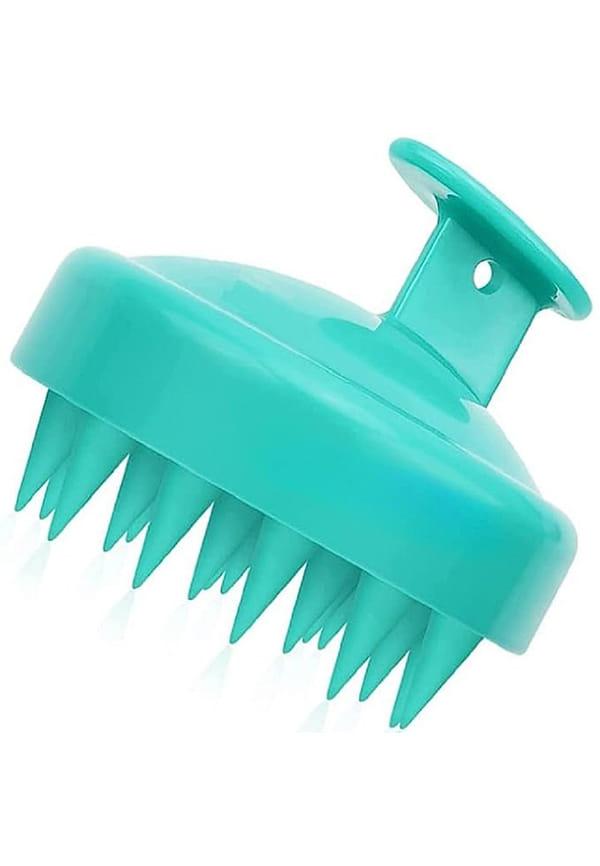
Dark Green Shampoo Brush and Scalp Scrubber
Your scalp type determines how often and how intensively you should exfoliate. Getting this balance right is crucial for maintaining optimal scalp health without causing irritation or over-drying.
If you're dealing with an oily scalp, you can typically handle more frequent exfoliation — about once or twice weekly. Clay-based ingredients like bentonite or kaolin clay work excellently for absorbing excess oil while providing gentle exfoliation. These ingredients help regulate sebum production over time.
Focus on clarifying ingredients that cut through oil buildup without stripping your scalp completely. Salicylic acid is particularly effective for oily scalps as it's oil-soluble and can penetrate through sebum to clean out follicles.
Dry scalps need a gentler approach with exfoliation every two weeks at most. Focus on moisturising ingredients like honey, aloe vera, or gentle oils that won't further dehydrate your scalp. Avoid harsh scrubs or strong acids that could exacerbate dryness.
After exfoliating a dry scalp, always follow up with a nourishing treatment. Look for ingredients like hyaluronic acid, glycerin, or natural oils that help your scalp retain moisture.
Dandruff-prone scalps benefit from targeted exfoliation combined with antifungal ingredients. Zinc pyrithione, ketoconazole, or selenium sulfide can help address the underlying fungal component of dandruff while exfoliation removes the flaky buildup.
Start with once-weekly exfoliation and adjust based on how your scalp responds. Some people find that regular exfoliation significantly reduces their dandruff, while others need to combine it with medicated treatments.
The biggest mistake people make when learning how to exfoliate their scalp is going too hard, too fast. Your scalp is delicate, and aggressive scrubbing can cause micro-tears, irritation, and even hair breakage. Always use gentle pressure and let the exfoliating ingredients do the work.
Over-exfoliation is real and can lead to increased oil production, irritation, and sensitivity. Signs you're overdoing it include increased itchiness, redness, or your scalp feeling tight and uncomfortable. If this happens, scale back your routine and give your scalp time to recover.
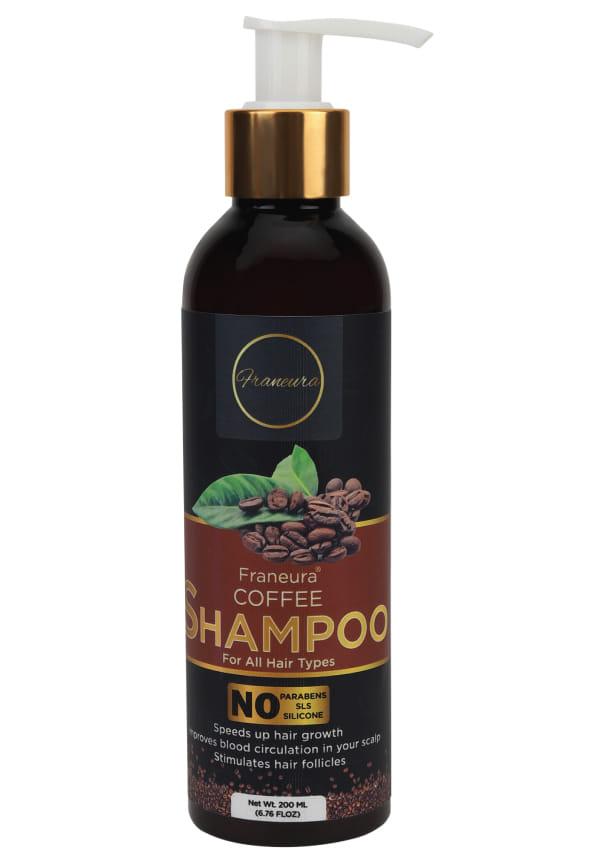
Daily Use Natural Coffee Shampoo - Revitalize and Strengthen Hair
Avoid exfoliating if you have open wounds, active infections, or severe scalp conditions like psoriasis without consulting a dermatologist first. Some conditions require specific treatments, and exfoliation might worsen symptoms.
Always follow exfoliation with proper conditioning. Your scalp and hair need moisture after the deep cleaning that exfoliation provides. Use a gentle, hydrating conditioner and consider a weekly deep conditioning treatment.
Mix two tablespoons of brown sugar with coconut oil, apply to damp scalp in sections, massage gently for three to five minutes using circular motions, then rinse thoroughly and shampoo as usual. Start with once weekly and adjust frequency based on your scalp's response.
Yes, regular scalp exfoliation helps remove the dead skin cells that contribute to dandruff and can significantly reduce flakiness when combined with appropriate anti-dandruff treatments. However, persistent dandruff might require targeted medicated products alongside exfoliation.
Most people benefit from weekly scalp exfoliation, though oily scalps may handle twice weekly sessions, while dry or sensitive scalps should limit exfoliation to every two weeks. Pay attention to how your scalp feels and adjust accordingly.
No, avoid using body scrubs on your scalp as they're typically too harsh for the delicate scalp skin. Body scrubs often contain larger, rougher particles that can cause irritation or damage. Stick to gentler formulations specifically designed for scalp use or create mild DIY versions.
Physical exfoliation uses granular ingredients like sugar or salt to manually remove dead skin cells through gentle friction. Chemical exfoliation uses acids like salicylic acid to dissolve the bonds between dead skin cells, making them easier to wash away. Chemical methods tend to be gentler for sensitive scalps.
Learning how to exfoliate your scalp properly can transform your hair health from the roots up. Whether you're dealing with dandruff, an itchy scalp, or just want to optimise your hair growth potential, regular scalp exfoliation addresses these concerns at their source. The key is finding the right method and frequency for your specific scalp type and sticking with it consistently.
Remember that scalp health is a journey, not a destination. What works for your friend might not work for you, and that's completely normal. Start gentle, pay attention to how your scalp responds, and adjust your routine accordingly. Your hair will thank you for the extra attention with improved texture, reduced irritation, and potentially faster growth.
If you're curious about trying different scalp care products before committing to full sizes, Smytten offers trial versions of many scalp treatments and exfoliating shampoos from trusted brands. It's a smart way to test what works for your specific scalp needs before investing in larger bottles.
